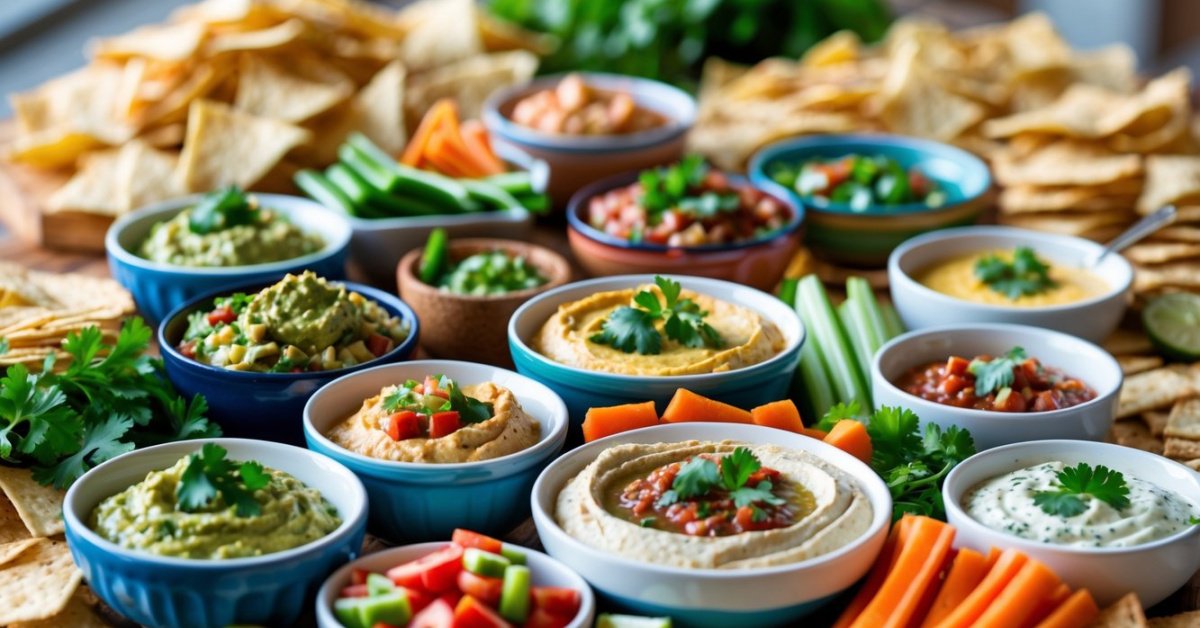
Whenever I host a party or get-together, I always look forward to serving a table full of delicious dips. There’s just something about creamy queso or spicy buffalo chicken dip that brings people together. But I’ve learned the hard way that nothing ruins a good dip faster than it turning cold and clumpy halfway through the night.
Keeping dips warm during events can feel like a challenge, especially when I want to enjoy the party instead of hovering over the food. I’ve picked up a few tricks over the years to make sure every bite stays as tasty as the first. Let me share how I keep my dips perfectly warm and ready for guests—without any fuss.
Why Keeping Dips Warm During Events Matters
Keeping dips warm holds the flavor steady, which makes a real difference at any get-together. I’ve seen too many queso bowls turn grainy, or spinach dip get stiff as a board by the time half the crowd even grabs a plate. Folks expect their favorite dips—like cheese, bean, or buffalo chicken—to hold that just-made taste for hours. If those dips lose heat, they stiffen up and folks stop scooping.
Warm dips stay smoother, and that gives every bite the stretchy cheese pull or creamy texture folks want. I learned running my dip company that folks judge a party by the quality of the spread, and nothing says “afterthought” like cold, crusty dip sitting in a crock.
Holding the right temperature also keeps food safer, especially with dairy-based or meat-heavy dips. FDA guidelines list 140°F as the safe serving temp for hot foods like queso, chili, or crab dip. Anything lower, and bacteria starts multiplying in under two hours.
Great dips keep people circling the food table, and a warm dip stays inviting till the lights go out. That’s what sets a memorable event apart for me—from summer barbecues to big football spreads, it’s all about keeping every bite just as good as the first scoop.
Popular Methods for Keeping Dips Warm
I keep my dips warm for hours, no matter how long folks hang around. These tried-and-true methods hold up through game days, potlucks, and family evenings at home.
Slow Cookers and Crockpots
I set my slow cooker on “warm” and let dips like chili cheese or sausage queso stay smooth and steamy all night. Folks come back for seconds and thirds, and the dip never gets crusty. Quick stir every hour keeps the heat even and prevents any scorching along the edges.
Chafing Dishes
I use chafing dishes with those little cans of gel fuel under the water pan when I want my table to look sharp for a bigger crowd. Candle-warmed setups like these keep cheesy baked dips at the perfect temp, no electricity needed. Stir now and then so the bottom stays creamy.
Warming Trays and Electric Servers
I plug in a warming tray for events with lots of different dips. White queso, spinach artichoke, and buffalo chicken dip all hold at just the right temp side by side. I use glass or ceramic dishes—heat spreads even and nothing burns. Guests help themselves without the dip turning cold halfway through.
Insulated Carriers and Thermal Bowls
I grab insulated carriers and thermal bowls when I’m headed to a tailgate or picnic. Cast iron or ceramic holds heat best—fill ‘em up, seal the lids, and my dips stay warm and creamy for hours. These work best for thicker dips like refried bean or pimento cheese that don’t separate easy.
Tips for Safe and Effective Warm Dip Serving
Keeping dips hot and tasty at parties can get tricky. I’ve learned over the years, if you get a couple of things right, your guests’ll remember your dip, not a cold mess.
Temperature Control and Food Safety
Holding dips at the right temperature keeps folks safe and flavors spot-on. Hot dips, like my sausage Rotel queso or crawfish dip, stay at their best between 140°F and 160°F—if dip drops below 135°F for over 2 hours, it enters the “danger zone” where bacteria thrive, according to USDA guidelines. I always use a food thermometer to check; even old family favorites can fool you. Slow cookers, chafing dishes, and warming trays let me adjust heat, avoiding burnt edges and keeping my dips smooth.
Portioning and Refilling Strategies
Serving smaller dip batches rather than huge bowls helps keep everything fresh and safe. I dish out enough dip for about 20 minutes, swapping in fresh, hot replacements from the kitchen as needed—keeps each bite warm, and nobody’s reaching into a crusty old bowl. I rotate refill bowls with insulated carriers if I’m serving outside or at a tailgate. By refilling often and portioning right, I make sure every serving of buffalo chicken dip or cheesy grits tastes like it just came off my stove.
Creative Solutions and Presentation Ideas
Folks ask me all the time how I keep my dips hot and the table looking sharp. From backyard BBQs to big tailgates, I’ve picked up some tricks that work every single time, no matter how many folks show up hungry.
DIY Warming Options
I keep dips warm without fancy gadgets by getting creative with what I’ve got. Mason jars set in a slow cooker of hot water hold creamy spinach artichoke dip steady at a good temp for at least two hours. Cast iron skillets straight from the oven—like for buffalo chicken dip—sit right on a wooden trivet and hold heat real nice. Tea light candles under smaller heat-safe bowls make quick mini-warmers, perfect for cheese dips in smaller batches at a tasting table. Aluminum pans lined with towels or newspaper and topped with foil pull double duty for short-term heat if I’m pressed for time, like at church suppers or football potlucks.
Enhancing Table Appeal
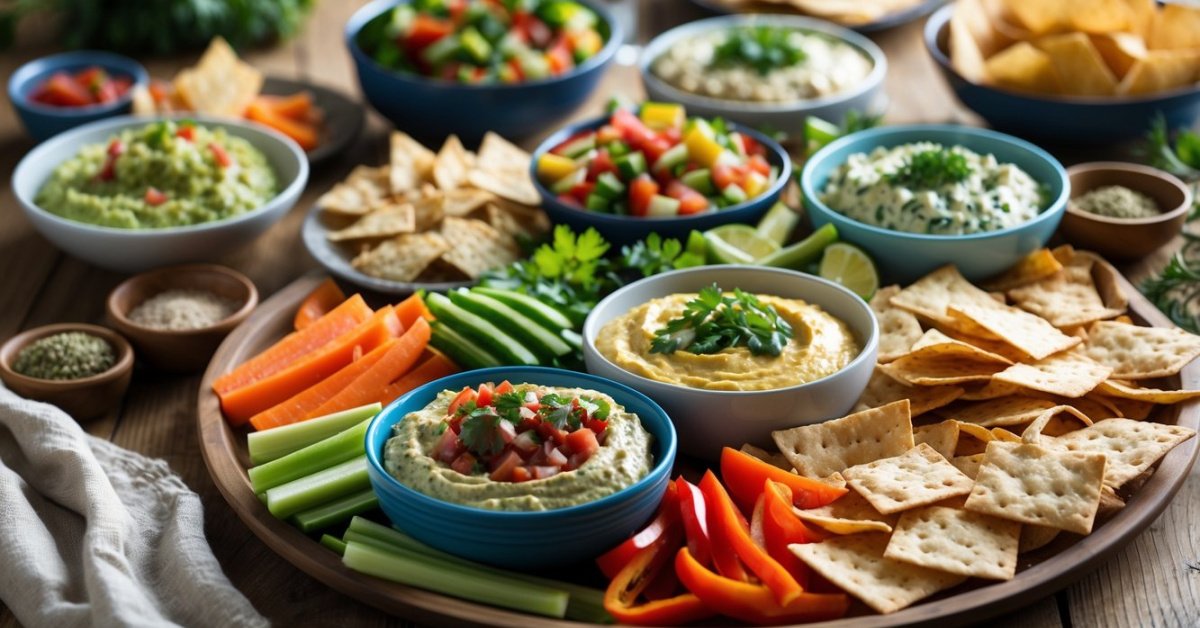
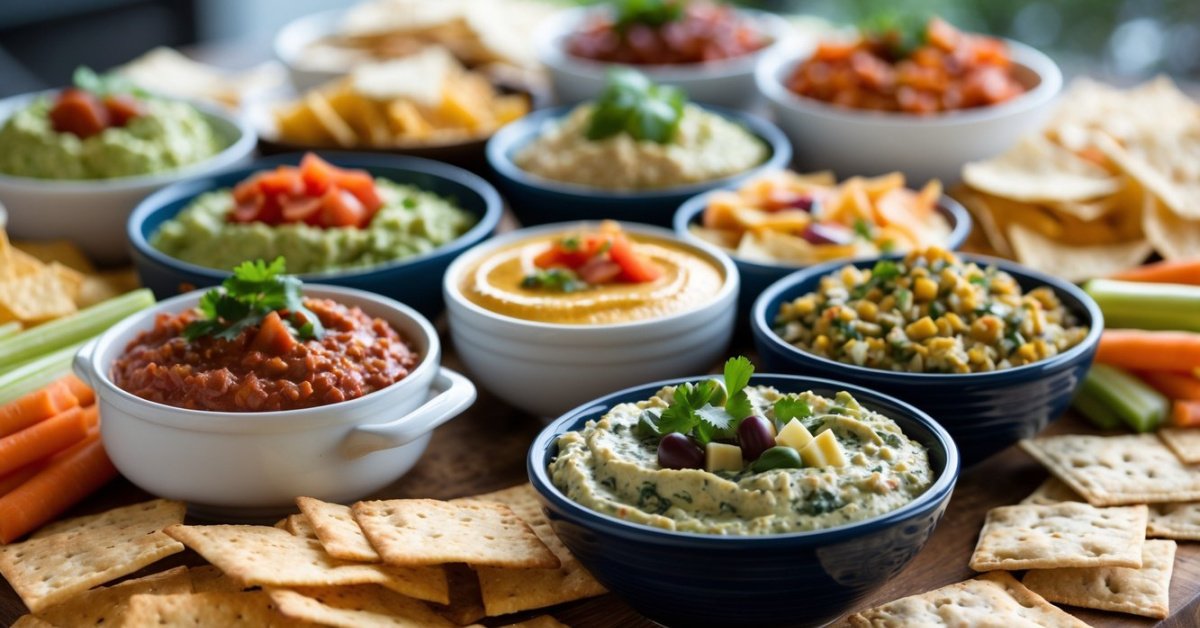
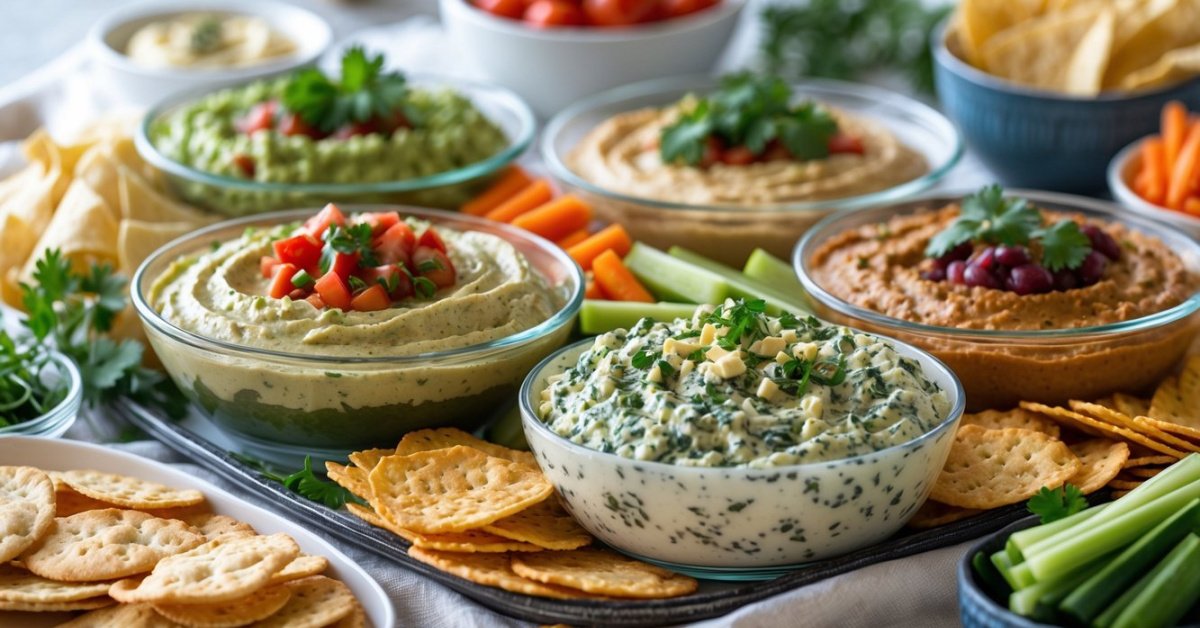
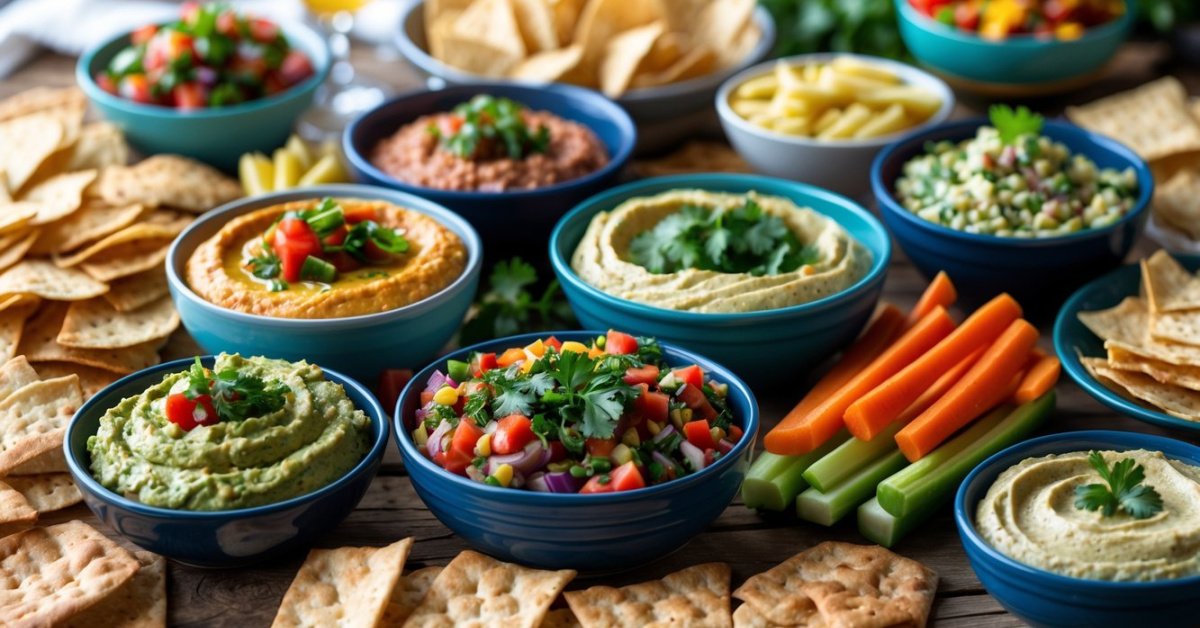
I lay out my dips so they look as good as they taste. Wooden cutting boards set under skillets or bowls add a rustic look that reminds folks of Southern kitchens. Bright ceramic bowls in different sizes let me serve hot queso in the center and spread out cold dips for color. I add height with tiered trays so people spot the loaded baked potato dip right away, even if it’s in the back. Garnishes like chopped chives, sliced jalapeños, or roasted red peppers on top of dips make folks reach first with their eyes. Lined baskets for chips and fresh-cut veggies surround the dip bowls, turning one table into a full-on spread that makes everybody feel welcome.
Common Mistakes to Avoid
- Skipping Temperature Checks
I see folks overlook temperature checks when they’re rushing to set up the dip spread. Keeping dips between 140°F and 160°F keeps ’em safe and smooth, if you don’t let ’em drop below that, you risk some spoiled flavors real quick. I keep a food thermometer handy every time, ’cause guessing’s never worked out for me.
- Overfilling Warmers
I notice people fill slow cookers and chafers to the brim, thinking it’ll save refills. Dips heat unevenly and turn crusty or scorched on the edges, if you go over halfway full. Smaller batches always heat better—just keep extras warm in the oven, and swap ’em out fresh.
- Neglecting Stirring
I watch a lot of home cooks ignore stirring their dips in warmers. Dips get that dreaded skin on top or burn on the bottom, if you let ’em sit undisturbed. Every 20 minutes, I give ’em a good stir with a heat-proof spatula, just like I did every Saturday at my dip shop in Birmingham.
- Using the Wrong Containers
I’ve seen folks use thin glass bowls or plastic containers on chafers or warmers, but they don’t hold steady heat. Ceramic, cast iron, or stainless steel bowls keep dips warm longer and steady, if you pick the right vessel for the heat source.
- Letting Dips Sit Out Too Long
Dips turn clumpy or even unsafe, if you leave ’em out more than two hours without some kind of warmer. I keep watch and rotate dips in and out of serving trays—no one enjoys a cold, greasy cheese dip or a sour spinach bake.
- Forgetting to Cover Dips
Steam flies out fast from open bowls, making dips dry and thick, if you leave ’em uncovered. I use lids, foil, or even a plate over the bowl while things are sitting—keeps that Southern creamy texture around much longer.
- Mixing Up Serving Utensils
I see cross-contamination happen at dip tables all the time—folks use the same spoon for queso and salsa or maybe buffalo chicken dip. Each dip gets its own spoon at my parties, if you want to keep flavors pure and conditions safe.
Avoiding these mistakes keeps your dips tasty, safe, and ready for the crowd every time.
Conclusion
When I take the time to keep my dips warm and inviting it always pays off with happy guests and empty bowls. With just a little planning and the right tools I can relax and enjoy the party knowing everyone’s digging into something delicious and safe.
A warm dip spread really sets the tone for a welcoming get-together. It’s one of those small touches that makes a big difference and lets everyone know they’re in for a treat.