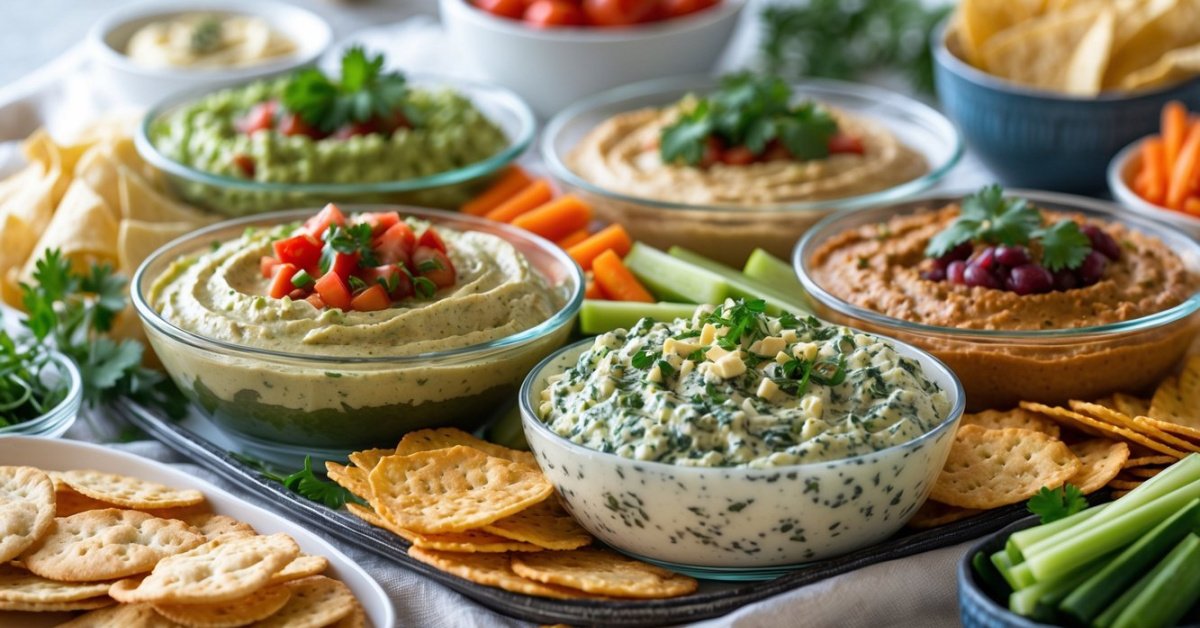
There’s nothing quite like setting out a fresh bowl of dip at a party or family gathering. But I know the disappointment that hits when you come back for seconds and find your once-creamy dip swimming in a pool of liquid. It’s a common problem that can turn even the tastiest recipes into a soggy mess.
I’ve learned that keeping dips thick and delicious isn’t just about the recipe—it’s about a few simple tricks anyone can master. Whether you love making salsa, guacamole, or classic ranch, I’ve got some helpful tips to keep your dips from getting watery and make sure every bite is just as good as the first.
Understanding Why Dips Get Watery
I know dips get watery for a few reasons, and it’s mostly about how ingredients act together and what happens after you mix everything up. Fresh veggies, like tomatoes or cucumbers in salsa, let out a lotta water after you chop ‘em up—especially if you don’t take the seeds out. Dairy-based dips, like ranch or spinach-artichoke, usually get thin ’cause the salt pulls out moisture from the veggies or mix-ins you add. If I make guacamole or tzatziki, I see the same thing—juicy ingredients start sweatin’ once they’re mixed.
Storing dips in the fridge changes things too. When things chill, liquids separate from solids. I see it all the time when I let my dips sit overnight—especially if there’s a lot of raw onion, tomato, or cucumber in ‘em. Stirring up a dip after it’s been sittin’ can mix the water back in, but sometimes it just gets runnier.
Playing with acids—lemon juice or vinegar—in salsa or hummus can draw out more water from the rest of the ingredients, speeding up that watery effect. Dips with yogurt or sour cream? Those thin out real quick when you add chopped herbs or mix ‘em too much.
Preventing watery dips is all about knowing what’s gonna happen when you put certain stuff together and how long you let things sit around. I always watch for these signs in every batch I whip up, especially when I want my dips to stay thick and scoopable for the whole party.
Common Ingredients That Cause Watery Dips
I see a lot of good dips turn runny before folks even get a second scoop. That’s usually not the dipper’s fault—it’s hidden moisture in the mix. After running my own dip company here in Alabama, I know just what ingredients bring the most water into your bowl.
High-Moisture Vegetables
Chopped fresh veggies make most dips tastier, but they carry plenty of water. Tomatoes, cucumbers, and bell peppers all sweat out juice once they’re sliced. For example, I’ve seen Roma tomatoes turn salsa into soup if I don’t drain ’em. Even shredded zucchini in a cool ranch dip can let loose a puddle after sitting a while.
Dairy and Yogurt-Based Dips
Dairy led plenty of my recipes when I started out, but they’re quick to separate. Sour cream, Greek yogurt, and cottage cheese all pull water out when they sit or get salted. If I mix a ranch dip with a heavy hand or store it overnight, I’ll spot a layer of liquid on top by morning, especially with non-fat or low-fat versions. Even plain cream cheese will sweat a bit if there’s other watery stuff in the bowl.
Best Practices for Preventing Dips from Getting Watery
I’ve fixed more soggy dips than I can count, and there’s a few tried-and-true steps that make a difference no matter what kind of dip I’m fixing. You don’t have to settle for watery salsa, guac, or ranch at your next get-together. Here’s what I do down in Alabama to keep every bowl thick and tasty.
Proper Ingredient Preparation
Chopping and prepping ingredients right keeps extra water out of your dip.
- I seed and pat dry tomatoes, cucumbers, and bell peppers before dicing ’em, because whole veggies pack in water that’ll leak out and ruin texture.
- I salt watery veggies like tomatoes or cucumbers, let ’em sit in a strainer, and then blot away the liquid, which knocks out most of the juice before it hits the bowl.
- I leave wet greens—like spinach or kale—for last and squeeze out any extra liquid using a clean towel.
Thickening Agents and Add-Ins
Thickening dips is easy when you know what to drop in.
- I stir in a spoonful of cream cheese, Greek yogurt, or sour cream to fix up thinned-out ranch or onion dip since these hold everything together.
- I add instant mashed potato flakes or a bit of finely ground nuts (like almonds or walnuts) to veggie dips, and it’ll soak up loose liquid without messing up the flavor.
- I toss in mashed avocado for guacamole or crumbly cotija cheese for queso if I need some extra heft.
Storage Tips and Serving Suggestions
How you store and dish out your dip makes all the difference.
- I cover dips with plastic wrap pressed right onto the surface, keeping air out and stopping moisture from pooling on top.
- I keep dips cold if I’m not serving ’em right away, since chilling slows down separation. I only give a gentle mix if any liquid does separate, not a hard stir.
- I serve dips in shallow bowls, not deep ones, so excess liquid doesn’t collect at the bottom where no one wants it.
| Practice | What I Use | Effect |
|---|---|---|
| Pat veggies dry | Paper towels, strainer | Keeps out excess moisture |
| Add thickening agent | Greek yogurt, cheese | Binds liquids, improves consistency |
| Store with wrap to surface | Plastic wrap | Stops air exposure and surface pooling |
| Serve shallow | Wide, shallow bowl | Prevents liquid from gathering at bottom |
Recommended Recipes and Techniques
I’ve spent years keeping my dips thick and crowd-pleasing, whether I’m mixing up a Southern potluck or running my dip company back in Alabama. These recipes and fixes keep dips from turning into a watery mess, even on a hot day.
Tried-and-True Thick Dip Recipes
- Chunky Classic Guacamole: I mash up ripe avocados with seeded Roma tomatoes, red onion, cilantro, lime juice, and just enough salt. Squeezing out the tomato juice before mixing keeps things thick.
- Hearty Ranch Dip: I blend sour cream, mayo, brick-style cream cheese, fresh garlic, chives, dill, and a dash of Worcestershire. Letting the mix chill overnight in a sealed container means no watery separation.
- Southern Pimento Cheese Dip: I mix shredded sharp cheddar, diced pimentos (drained dry), cream cheese, a dollop of Duke’s mayo, and cayenne. Firm cheese and drained pimentos pack tons of flavor and keep the dip scoopable.
- Greek Yogurt Spinach Dip: I go with full-fat Greek yogurt, well-wrung thawed spinach, crunchy water chestnuts, and dry soup mix. Patting the spinach dry stops water from leaching out.
Quick Fixes for Watery Dips
- Add a Thickener: Stir in a spoonful of instant mashed potatoes, more cream cheese, or even some shredded cheese to soak up extra water quick, if you spot pooling liquid on top.
- Drain and Stir: I pour off surface liquid, then give a gentle stir to re-blend the dip, especially with salsa or dairy dips straight from the fridge.
- Veggie Control: If chopped veggies let out surprises, I’ll scoop them with a slotted spoon, squeeze ’em, and mix back only what’s needed for bite, not juice.
- Serve Smart: I keep dips cool and covered with plastic wrap till serving, then spoon into shallow bowls. That way, no one’s left with a bowl of soup at the end of the party.
I stick by these recipes and tricks to make sure every dip on my table stays thick, creamy, and ready for dipping every time.
Conclusion
I know how disappointing a watery dip can be when you’re excited to dig in at a party. With a little know-how and some easy prep steps it’s totally possible to keep your favorite dips thick and scoopable every time.
Next time you whip up a batch for friends or family you’ll feel confident that your dips will stay fresh and delicious from the first bite to the last. Happy dipping!