Whenever I dip a warm piece of pita into creamy hummus I can’t help but wonder about the story behind this beloved dish. Hummus has found its way onto tables around the world yet its roots stretch back centuries and cross many cultures. It’s more than just a tasty spread—it’s a dish with a rich and fascinating past.
I’ve always been curious about how simple ingredients like chickpeas lemon and tahini came together to create something so iconic. As I started digging into its history I discovered that hummus isn’t just a food—it’s a symbol of tradition and community. Let’s take a quick journey through time and explore how hummus became the global favorite it is today.
Origins of Hummus
I’ve spent years mixing up dips in Alabama kitchens, chasing the roots of every great recipe. Hummus always comes up, with a story as rich as its flavor. Folks ask where it got started, and I’ve dug deep for real answers.
Ancient Roots in the Middle East
Ancient Middle East tables set the scene for hummus. Chickpeas, some of the oldest crops around, grew wild in Turkey, Syria, and Lebanon. People mashed chickpeas with sesame—what we call tahini—and mixed in lemon or garlic. I’ve read old records dating hummus-like mixtures back over 2,000 years. Egyptians served chickpea purees before the Roman Empire rose up. Markets in Jerusalem and Cairo sold something close to today’s hummus before a lot of the world tasted pizza or even tomatoes.
Early Mentions in Historical Texts
Early cookbooks and writings name hummus. I found a recipe called “hummus bi tahini” in cookbooks from 13th-century Cairo. These old books, like “Kitab Wasf al-At’ima al-Mu’tada”, spelled out ground chickpeas blended with vinegar, pickled lemons, and herbs. Arab scholars and traders spread these recipes, making hummus a familiar sight across medieval Syria, Palestine, and broader North Africa. The word “hummus” itself just means chickpea in Arabic, locking its roots tight into Old World soil.
Hummus Through the Ages
Folks’ve been enjoying hummus a mighty long time. I find every era adds its own kick, blending tradition with fresh ideas.
Medieval Recipes and Variations
Back in the 13th century, cooks in Cairo wrote recipes for hummus in their books. Those early versions used ground chickpeas, vinegar, herbs, and tahini—sometimes skipping lemon altogether. Turkish and Syrian cooks added garlic or yogurt, giving hummus a taste all its own in their kitchens. Persian recipes sometimes dropped tahini, swapping in nuts. In my kitchen, that blend of old ideas inspires me every time I whip up a batch.
Spread Across the Mediterranean
Hummus traveled fast across the Mediterranean, from Egypt up through Lebanon, Israel, and Greece. Lebanese chefs added more lemon and garlic, while Greeks put extra olive oil and paprika on top. By the 20th century, folks in Europe and America started loving hummus too—supermarkets in Alabama, New York, and Los Angeles now keep tubs of it on shelves. Every new place welcomes hummus by tweaking the recipe, just like I’ve done since I started my own dip company.
Regional Interpretations and Controversies
Folks everywhere add their own spin to hummus, turning a simple dip into something that sparks both pride and debate. Hummus isn’t just a tasty recipe, it’s a point of tradition and sometimes controversy in kitchens around the world.
Culinary Significance in Different Cultures
People treat hummus like a kitchen treasure in different countries. In Lebanon, cooks pile hummus high on huge plates, topping it with olive oil and pine nuts for big family gatherings. In Israel, restaurants serve warm hummus mixed with whole chickpeas, paprika, and hardboiled eggs—folks there line up for a fresh batch every morning. In Turkey, chefs mix in yogurt or roast their chickpeas to change up the texture. Over in Greece, folks toss in extra lemon juice and drizzle it with fruity olive oil. In the US, store brands get creative with add-ins like roasted red peppers or black beans, setting new flavor trends right in the dip aisle.
The Hummus Wars: Ownership Debates
Arguments about who “owns” hummus get folks fired up all over the Middle East. Lebanese and Israeli chefs compete to break world records with the biggest hummus bowl—sometimes weighing in at over 20,000 pounds, according to Guinness World Records (2010, 2015). Governments in Lebanon and Israel have gone as far as launching legal campaigns or national branding efforts to claim hummus for themselves, as reported by BBC and The New York Times. In each country—Lebanon, Israel, Palestine, Syria, Turkey—people point to their own family recipes and ancient cookbooks as proof of their connection to the dip. For me, I just see hummus as a tasty bridge between people who love great food, even when the debate gets a little heated.
Hummus in Modern Times
Hummus sits right at home on grocery shelves and party tables these days. Folks don’t see it as just a Middle Eastern treat anymore—it’s taken a seat by salsa and ranch all across America.
Global Popularity and Adaptation
Supermarkets in over 50 countries stock tubs of hummus, from classic to wild flavors like buffalo or spicy jalapeño. I’ve seen hummus on menus from Tokyo to Nashville, and each spot’s got its own twist. For instance:
- Grocery stores in the US offer roasted red pepper hummus and edamame hummus.
- Cafés in London blend in sun-dried tomatoes or black olives.
- Restaurants in Australia serve beetroot hummus alongside flatbread.
People grab hummus as a dip for chips and veggies, but also as a spread for wraps and burgers. Companies like Sabra and Tribe shipped over $700 million worth of hummus in the US alone in 2023, according to Statista. Vegan folks and folks with gluten sensitivities find it’s a safe and tasty option, and protein-hungry gym-goers appreciate the plant-based boost.
| Country | Popular Hummus Variations | Notable Brands or Stats |
|---|---|---|
| United States | Roasted red pepper, buffalo, dessert hummus | Sabra, Tribe; $700M in 2023 sales |
| UK | Caramelized onion, olive, spicy Moroccan | Morrisons, M&S own brands |
| Australia | Beetroot, pumpkin, sweet chili | Obela, Pilpel |
Hummus in Contemporary Cuisine
Modern recipes don’t just stick to chickpeas and tahini. I’ve whipped up batches using black beans, lentils or even sweet potatoes when I ran my dip company. Restaurants now drape hummus across everything—burgers at gastropubs, grain bowls at fast-casual spots, and even breakfast toast. Chefs swirl in roasted garlic, smoked paprika, avocado, or hot sauce for a new spin.
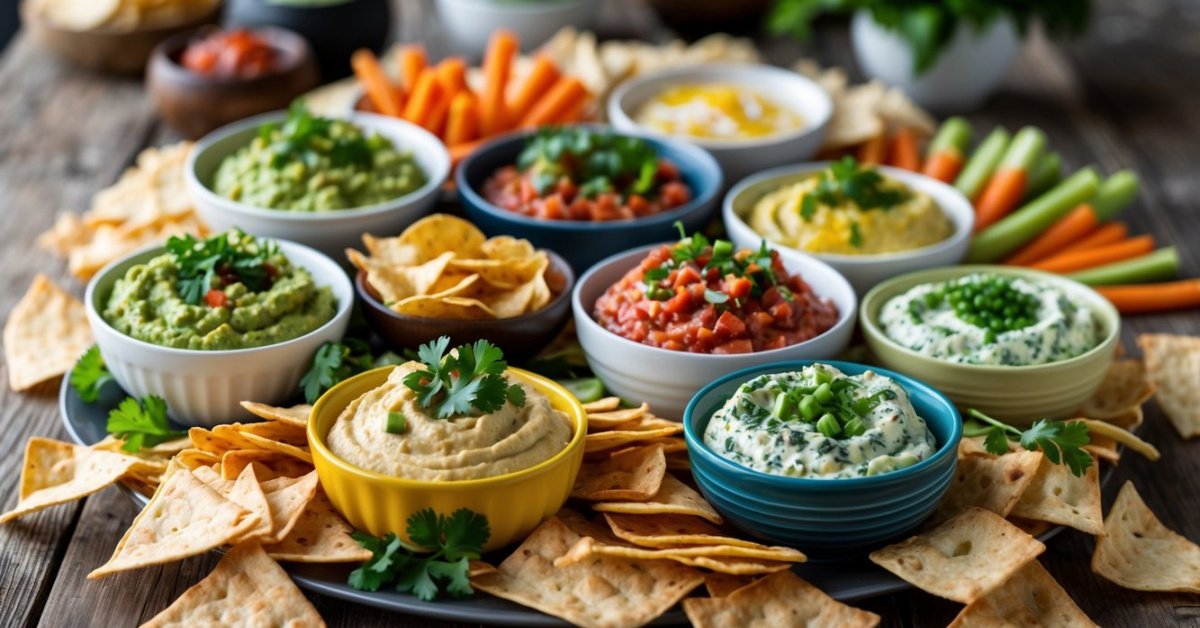
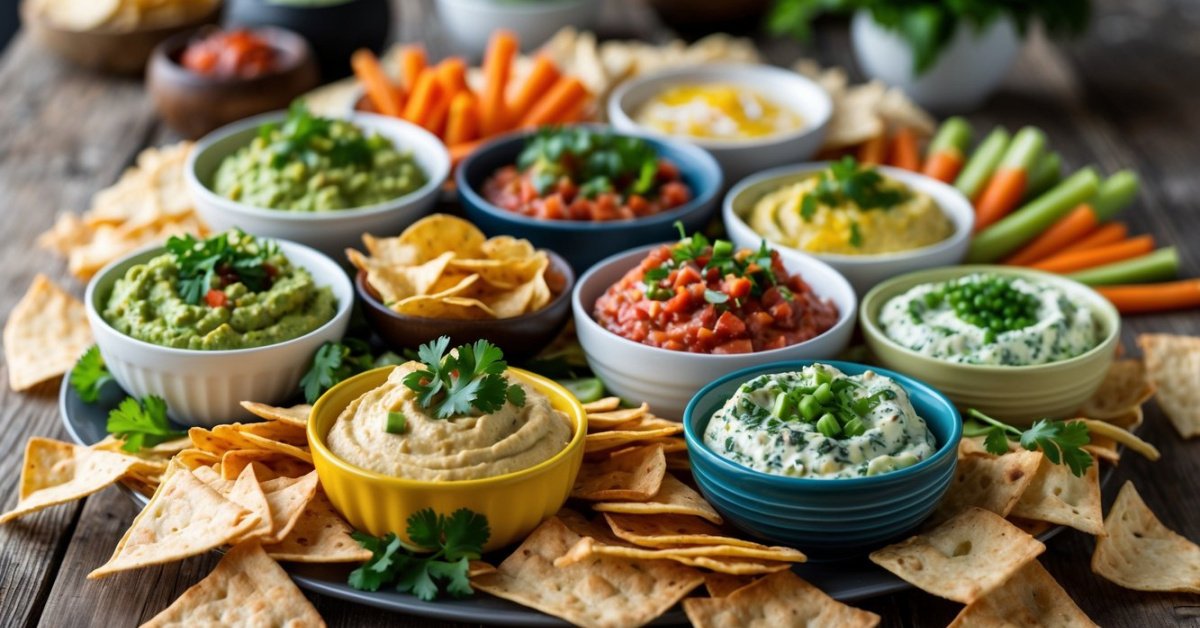
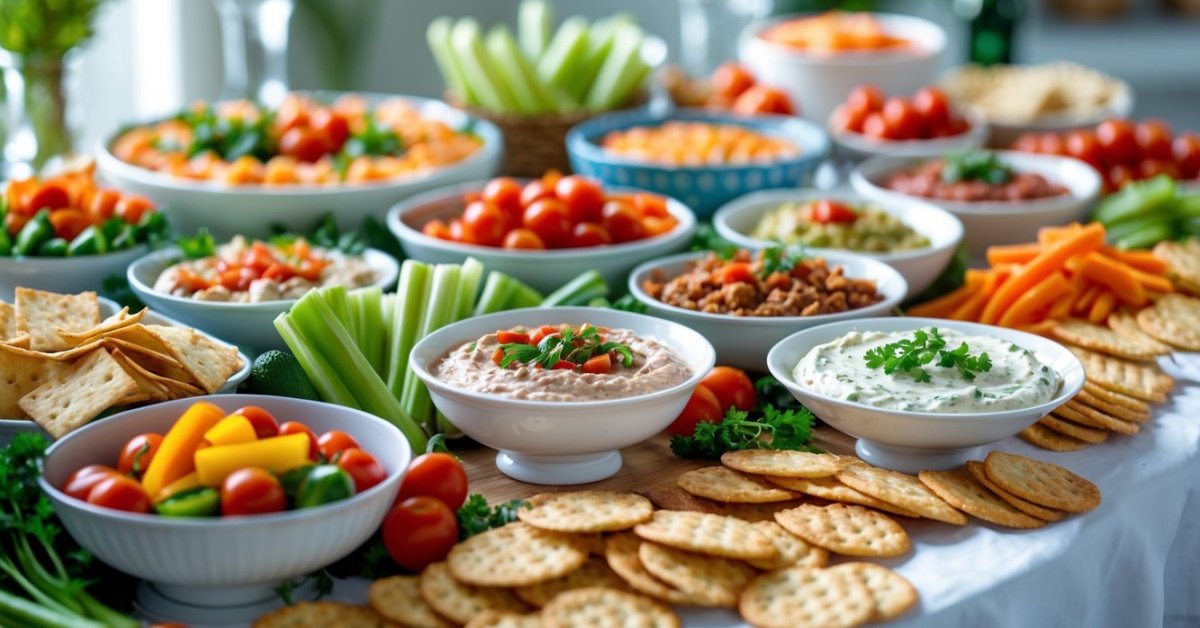
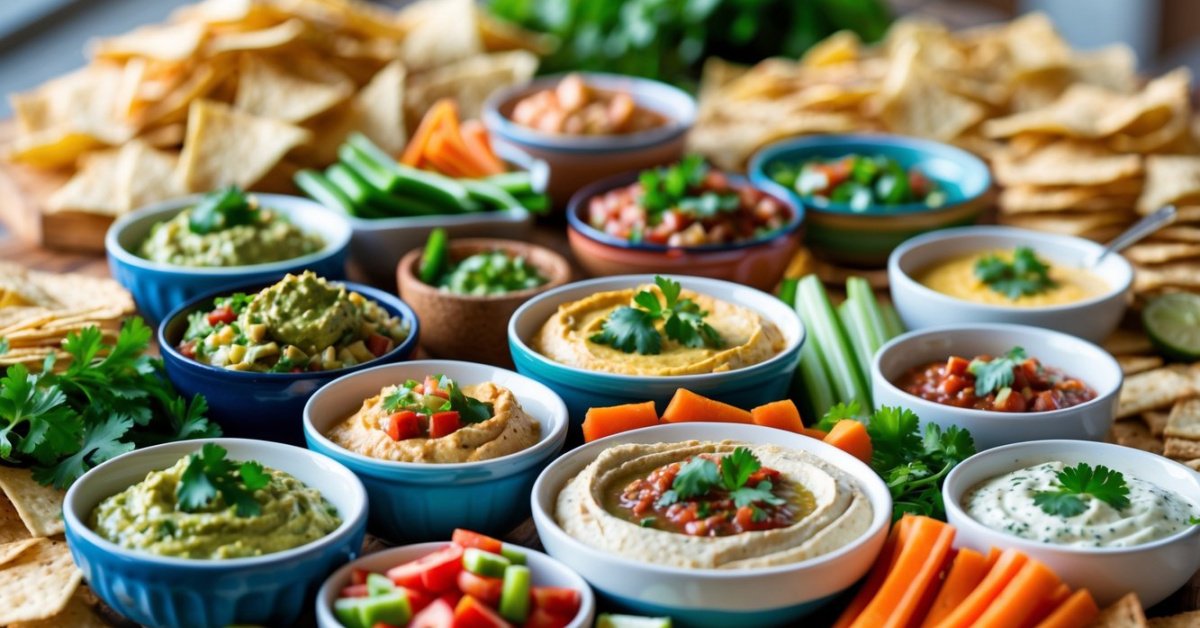
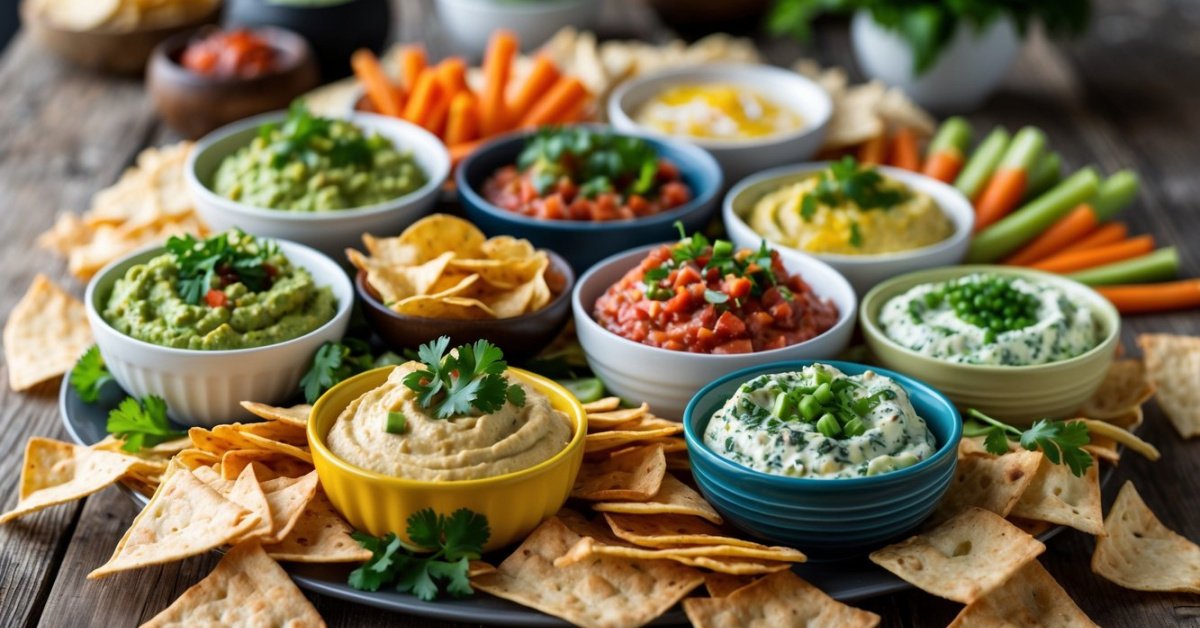
Home cooks love experimenting with hummus because it works as both a dip and an ingredient—think pasta sauce or base for deviled eggs. Recently, TikTok and Instagram made hummus boards a hit at parties, laying out different flavors with vegetable sticks, pita chips and nuts.
Folks want dips that taste good and fit their lifestyles, and hummus meets both marks with wholesome ingredients and endless options. My own kitchen’s never without a fresh bowl, made with whatever vegetable or spice catches my eye that day.
Conclusion
As I reflect on my journey through the history of hummus I’m reminded of how a simple blend of chickpeas and tahini can spark so much passion and creativity. Every scoop tells a story—of ancient traditions lively debates and the endless ways people bring their own twist to the table.
Hummus has a way of bringing people together whether it’s shared at a family meal or enjoyed at a bustling party. I love seeing how this humble dish continues to evolve and inspire new flavors around the world. There’s always something new to discover in every bite.