There’s something magical about dipping warm bread into a bowl of smoky, spiced goodness. Moroccan Zaalouk is one of those dishes that instantly transports me to a bustling market filled with vibrant colors and irresistible aromas. With every bite I get a taste of Morocco’s rich culinary traditions.
I love how Zaalouk brings together simple ingredients like eggplant and tomatoes and transforms them into a dip that’s bursting with flavor. Whether I’m hosting friends or just craving a quick snack this dip never fails to impress. It’s comforting, versatile and always a crowd-pleaser.
What Is Moroccan Zaalouk Dip?
Moroccan Zaalouk dip’s a slow-cooked mix of eggplant, tomatoes, garlic, and a handful of bold spices. Folks in Morocco spread it on bread, spoon it up as a side, or pile it onto grilled meats—kind of like how we slather pimento cheese back home in Alabama. The secret’s in the smoky eggplant mashed together with warm cumin, paprika, a bit of coriander, and fresh herbs. It’s what gives Zaalouk its signature taste.
Every batch of this dip uses olive oil, fresh lemon juice, and sometimes a little chili for heat. I’ve made dips my whole life, but Zaalouk stands out thanks to its velvety texture and savory kick. In Morocco, you’ll spot bowls of it at family tables, market stalls, and festive spreads—folks there swear by it, just like I used to brag on my cream cheese salsa dip.
Zaalouk’s always served at room temperature so those rich flavors get a chance to shine. This dip’s naturally dairy-free and packs a punch of veggies, perfect when I want something fresh but still full of taste.
Ingredients and Preparation
I get a kick out of making Moroccan Zaalouk at home since the ingredient list’s simple, and prep only takes a little hands-on time. My years running a dip company taught me that starting with quality veggies and nailing steps is how you get that good flavor going every time.
Key Ingredients
- Eggplant—I use 1 large globe eggplant, peeled, diced
- Tomatoes—2 ripe Roma tomatoes, chopped fine
- Garlic—3 fresh cloves, minced
- Extra-virgin olive oil—3 tablespoons, adds that silky richness
- Spices—1 teaspoon ground cumin, 1 teaspoon sweet paprika, 1/2 teaspoon ground coriander
- Chopped cilantro and flat-leaf parsley—2 tablespoons each, brings that herb kick
- Lemon juice—juice of half a lemon for a bright finish
- Salt & pepper—1/2 teaspoon salt, a few cracks black pepper, to taste
- Crushed red pepper flakes (optional)—if you crave heat, toss in 1/4 teaspoon
When fresh, these simple veggies and spices just mix together right.
Step-By-Step Preparation
- Prep the eggplant—I peel it, dice it into half-inch cubes, then hit it with salt for 15 minutes to pull out bitterness. Quick rinse, pat dry.
- Sauté garlic—I drop my garlic into a big skillet with olive oil on medium, just a minute till it’s golden.
- Add eggplant and tomatoes—Eggplant goes in next, then tomatoes and all the spices right after.
- Slow-cook—I cover and simmer it all down 25-30 minutes. I stir every so often till veggies soften and everything gets thick like a spread.
- Mash—I grab a fork or a potato masher to break things down but keep some texture.
- Finish with herbs and lemon—In goes the parsley, cilantro, and a good squeeze of lemon juice, with a little salt and pepper check.
- Cool down—Zaalouk shines served at room temp, so I let it settle 10 minutes before dipping in.
My method locks in that classic smoky-sweet flavor, and the kitchen smells flat-out incredible every step of the way.
Taste and Texture
When I dip into a bowl of Moroccan Zaalouk, I taste deep, smoky eggplant first, kinda like what you’d get off a backyard grill—full of flavor. That eggplant mixes with bright tomatoes, a real punch of garlic, and spices like cumin and paprika that hang around on your tongue. Each spoonful’s got a soft, spreadable feel, thanks to how the veggies get mashed down. Some folks toss in chopped cilantro or parsley, which brings a fresh finish to that rich, savory blend.
Texture-wise, Zaalouk’s right between a chunky salsa and a smooth dip. I keep mine just chunky enough so you can see the bits of eggplant and tomato, but smooth enough to swipe across some flatbread. The olive oil gives it a velvety slick, while a squeeze of lemon brightens up all those warm, earthy notes. Every bite sticks with you—creamy but with enough heft to hold up as a spread or sit next to grilled chicken on a plate. If you toss in a dash of chili, you’ll notice a gentle heat at the back, nothing that takes over but enough to keep you coming back for another taste.
Serving Suggestions
Bringing Zaalouk to the table, I like to keep it classic, casual, and ready for company. My favorite way to serve this Moroccan dip is to spoon it into a wide, shallow bowl and drizzle extra-virgin olive oil on top. I sprinkle a little chopped cilantro for color and freshness.
Pairing Zaalouk with warm bread works every time. I go for crusty baguette slices, toasted pita, or flatbread triangles—whatever’s got a little bite and can hold plenty of dip. Folks usually crowd around for that first scoop.
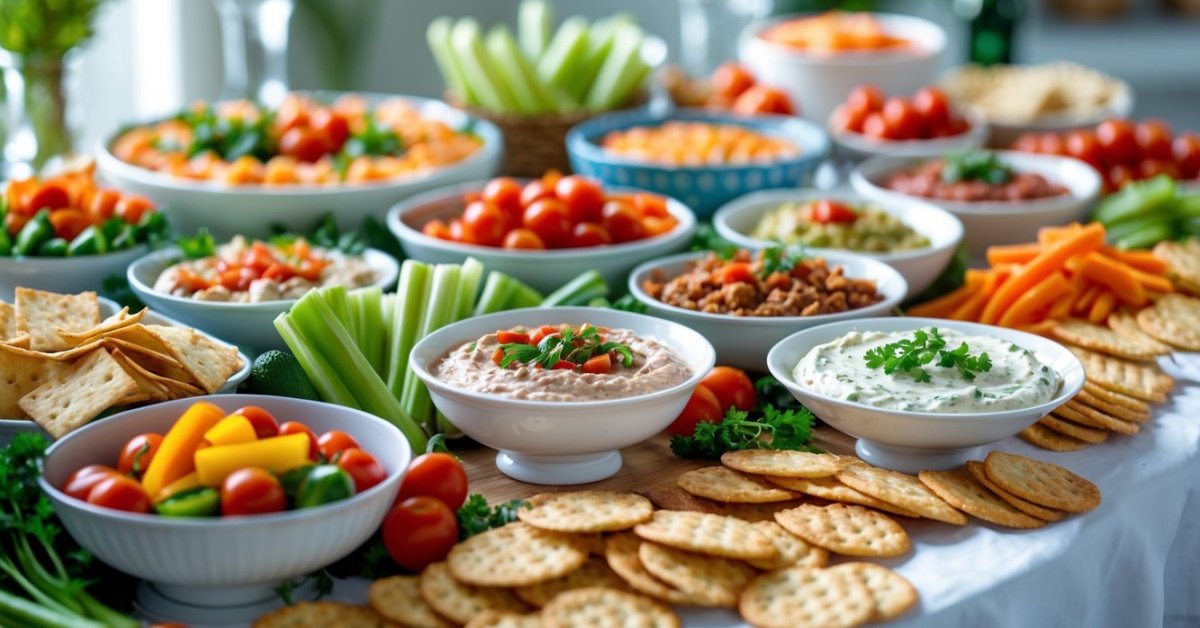
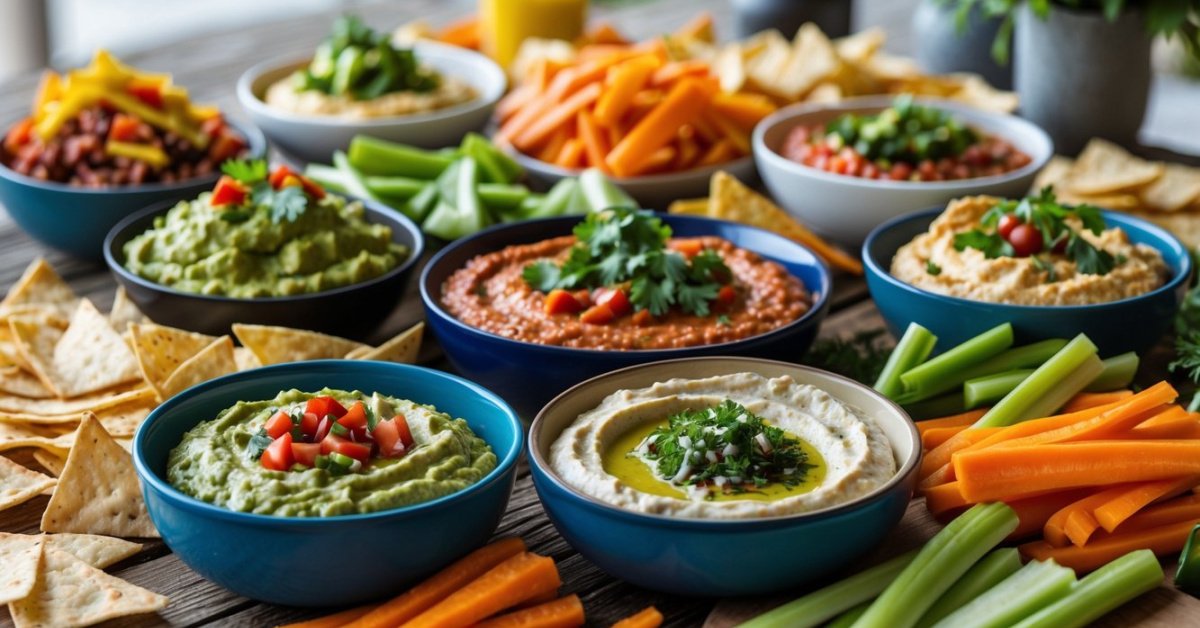
Spreading Zaalouk onto a sandwich or wrap brings a smoky punch, especially with grilled chicken, roast beef, or turkey. For parties and potlucks back home, I’ve set out Zaalouk next to crunchy veggies like carrot sticks, bell pepper strips, and cucumber rounds—fresh and light, it goes quick.
Offering Zaalouk alongside a platter of olives, feta, and roasted nuts creates a Mediterranean-style spread that guests remember. I find it shines as a side for grilled lamb, steak, and even barbecued shrimp, bringing out those warm spices and the tang of lemon.
For folks wanting a lighter bite, I scoop Zaalouk onto endive leaves or spoon it over roasted potatoes. Once in a while, I’ll top deviled eggs with a dab of Zaalouk for smoky depth.
Serving the dip at room temp makes those flavors pop, so I set it out a bit early. If I’ve got leftovers, I stash them in an airtight container for lunch or snacking later—the taste’s even better the next day.
Health Benefits of Zaalouk
Eating Zaalouk gives you a dip that’s packed with wholesome goodness from real vegetables. I like knowing every scoop’s made with simple stuff like eggplant, tomatoes, and garlic—nothing fancy, just big flavors straight from the garden.
- Eggplant Offers Antioxidants
Eggplant brings antioxidants like nasunin and chlorogenic acid. These help protect your body’s cells from everyday damage and may support heart health.
- Tomatoes Bring Vitamins and Lycopene
Tomatoes in Zaalouk serve up lots of vitamin C and lycopene. Both help your immune system work right and may help lower some risk factors for chronic conditions.
- Garlic Helps With Immunity
Garlic packs in allicin, which gives it that powerful flavor and helps keep your immune system strong.
- Olive Oil Supplies Healthy Fats
Olive oil gives this dip those heart-healthy monounsaturated fats. These can help keep your cholesterol in check.
- Spices Add Anti-Inflammatory Perks
Cumin, coriander, and paprika bring more than taste. Spices like these have anti-inflammatory qualities that help support your overall health.
Zaalouk’s loaded with fiber from the veggies, which helps keep you full and assists your digestion. There’s no dairy in this recipe, so folks looking for a lighter, plant-based dip can dig right in. I serve mine at room temp—keeps all those fresh nutrients and flavors shining.
Where to Buy or How to Make at Home
Folks looking for Moroccan Zaalouk dip got two good options—track it down ready-made or whip up a batch right in your own kitchen. I’ve spent years making and selling all sorts of dips, and let me tell you, the homemade route gives you exactly the taste you want every time.
- Local markets: Some Middle Eastern and Mediterranean groceries—like Super King or The Mediterranean Market—carry Zaalouk alongside other dips like hummus and baba ganoush. They keep it chilled and ready to grab.
- Specialty stores: Gourmet shops and international sections at bigger grocery chains sometimes stock brands like Mina or Casablanca Market that offer jarred Zaalouk. Look for these by the olive bar or international foods aisle.
- Online vendors: Retailers like Amazon, Yummy Bazaar, and EfoodDepot list Moroccan Zaalouk in convenient jars or cans. Delivery takes anywhere from 2 to 7 days depending on your spot.
Making it at home’s my favorite, and it doesn’t take any fancy equipment. Stick with globe eggplants and Roma tomatoes—those keep the texture and taste just right. Peel, dice, and cook down the veggies with garlic, extra-virgin olive oil, and bold spices like cumin and paprika until it’s nice and thick. A sturdy skillet or Dutch oven works best for slow-cooking everything till the eggplant gets smoky and soft.
- Ingredient sourcing: Farmers’ markets and produce stands in summer supply the freshest eggplant and tomatoes. Use extra-virgin olive oil—I always prefer that because it keeps things real.
- Cooking methods: Either roast or pan-fry the eggplant before combining it with tomatoes and spice. Roasting over a flame brings out the smokiness, like you’d find in a Moroccan kitchen.
- Recipe tweaks: Toss in a pinch of smoked paprika or fresh cilantro if you’re after brighter or spicier flavors. For batch prep, double up and keep leftovers in the fridge for up to 5 days—it only gets better.
Zaalouk’s just as good smeared on bread, paired with veggies, or spooned over grilled meats. Folks who love small-batch, homemade dips usually stick with making their own once they try it just once.
Conclusion
Making Zaalouk always brings a sense of warmth and connection to Moroccan culture right into my kitchen. Every time I prepare it the aroma fills my home and reminds me how rewarding it is to create something so simple yet so full of flavor.
If you’ve never tried Zaalouk before I hope you’ll give it a go. Whether you’re sharing it at a gathering or enjoying it on your own it’s a dish that never fails to surprise and delight.