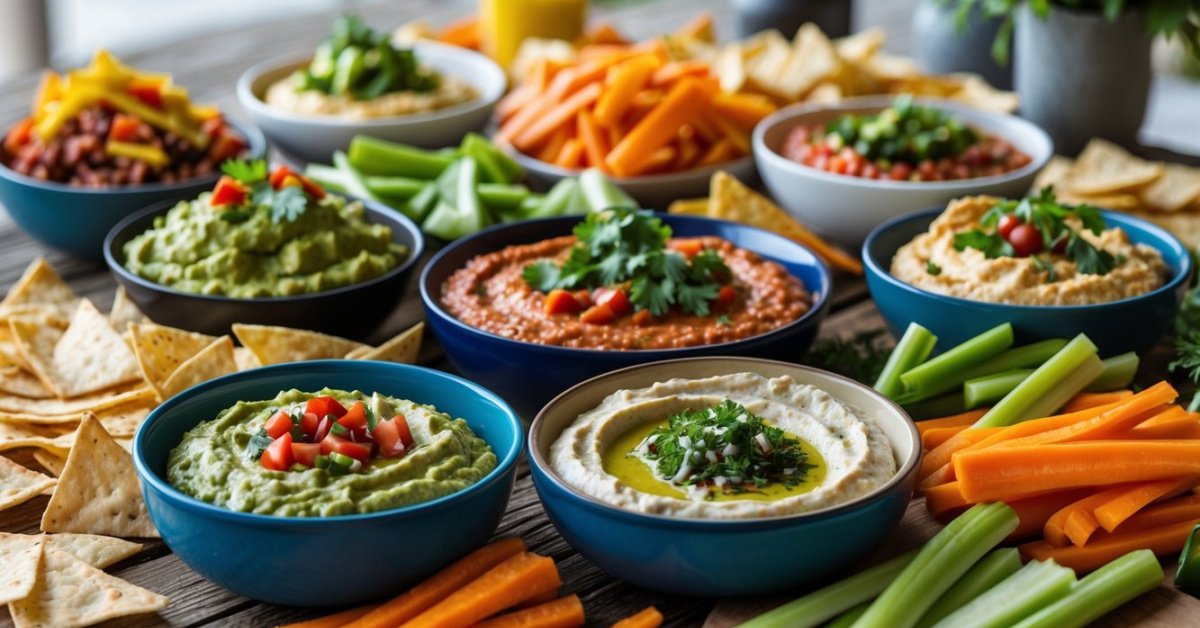
There’s nothing better than scooping up a fresh dip at a party or during a cozy night in. I love how a great dip can turn simple snacks into something special but keeping those flavors fresh can be a real challenge. No one wants to reach for their favorite salsa or guacamole only to find it’s lost its zing or turned watery overnight.
I’ve learned that a few simple storage tricks can make all the difference when it comes to keeping dips tasting their best. Whether I’m prepping for a get-together or just making sure my snacks last through the week I want every bite to be as delicious as the first. Let’s talk about how to keep those dips fresh and ready to enjoy whenever the craving hits.
The Importance of Storing Dips for Freshness
Folks enjoy dips more when they taste like I just made ’em. Storing dips the right way keeps flavors bright, textures creamy, and nobody missing out on that first-bite goodness. I’ve seen homemade ranch, pimento cheese, or guacamole spoil quick if left out or put in a flimsy container. Losing a good dip batch stings, especially when I’ve spent a while pickin’ the freshest ingredients.
Every minute a dip sits out on the counter, it starts losin’ its zip. Spoilage sneaks in, giving off-colors or odd smells. Dairy-based dips—like my famous bacon cheddar ranch—go bad faster if exposed to air or heat. Hummus and veggie dips get dry or pick up fridge odors unless stored tight. Keeping dips airtight in the fridge holds their flavors longer, cuts down waste, and makes sure each scoop’s safe.
Customers from my old business used to call for advice about keeping party dips tasty ‘til the last guest left. Whether store-bought or homemade, a dip’s shelf life depends on how it’s stored—using cold temps and the right containers locks in that Alabama-made freshness.
Common Types of Dips and Their Storage Needs
Folks usually ask me how I keep my dips tasting fresh as the day I made ’em. Every type of dip’s got its own way of keeping best, and knowing these tricks keeps you from wastin’ flavor or throwin’ away good food.
Dairy-Based Dips
Dairy dips—like ranch, blue cheese, pimento cheese, or sour cream and onion—always go in the coldest part of your fridge. I use airtight containers, keepin’ ’em sealed tight every time I dip in. If you leave creamy dips uncovered or out too long, they turn watery or take on that sour smell nobody likes. Homemade dips, say ranch or queso, stay good about 3 days if they’re tucked away right. Store-bought ones last till their date if you don’t double-dip or leave ’em out too long.
Vegetable and Bean Dips
Vegetable dips—think classic hummus, salsa, black bean dip, or roasted red pepper spread—need a different touch. Hummus keeps well for 4-5 days in an airtight bowl. Salsa’s best if you spoon out what you need and never dip chips straight in, keeps it crisp for about a week. For bean dips, same rules: airtight, top ’em with a thin layer of olive oil if you want less air contact, and always keep ’em cool.
Oil-Based and Nut Dips
Oil-based and nut dips—like pesto, muhammara, or homemade peanut dip—give a little more wiggle room. Store these in small glass jars or bowls where air can’t sneak in, and keep ’em in the fridge once you open ’em. Pesto stays bright and green if you pour a little oil on top. Muhammara or nut-based dips go a week easy, sometimes 10 days, since the oil helps lock in flavor. I never freeze these—they lose their soft texture.
Best Practices for Storing Dips for Freshness
Years running my Alabama dip company taught me a thing or two about keeping dips fresh and mighty tasty. Airtight storage and cold temps help every scoop stay crisp and safe till the last bite.
Choosing the Right Containers
Picking the right container makes a world of difference for dip stay-fresh power. I stick with glass containers or sturdy plastic ones that seal up tight—think locking lids, not flimsy plastic wrap. Wide-mouth jars let me scoop easy while keeping air out. I always keep separate containers for each kind of dip—guacamole in one, ranch in another—so flavors never tangle.
Proper Temperature Control
Cool temps mean fresh dips every time. I store dairy-based and veggie dips like blue cheese or salsa closer to the back of my fridge, where it’s peak chilly—usually below 40°F, according to USDA guidelines. I move homemade dips straight to the fridge after making ’em—never let ’em sit out over two hours at a party. For tailgates, ice packs and insulated coolers help dips hold their chill till we’re ready to dig in.
Preventing Cross-Contamination
Clean storage keeps dips safe and flavors true. I use fresh spoons or scoops every time—no double-dipping in this house. I label and date every container, so I know exactly what’s in there and how long it’s been hangin’ around. I never let raw veggies or meat touch my dips till serving time, keeping everything as fresh as the Alabama breeze.
How to Tell If Your Dip Has Gone Bad
Spotting a bad dip gets pretty simple when you know the signs—I’ve seen ’em many times back in my Alabama kitchen and behind the dip shop counter.
- Check for funky odors
Bad dips smell off. If ranch or spinach dip puts off a sour or musty scent, it’s time for the trash. Guacamole with a sharp, rotten smell means spoilage’s already set in.
- Look for mold or weird colors
Mold sometimes shows up as green, blue, or white fuzz on top. Hummus or queso turning from creamy to gray or pink isn’t natural. Once you spot mold or any big color changes, don’t taste it.
- Feel for strange textures
Spoiled dips get watery or separated. If salsa feels slimy instead of bright and chunky, or if cheese dips have lumps or curdles, the batch won’t stay safe to eat.
- Taste only if you must
If a dip looks, smells, and feels right, but you’re still not sure, taste a tiny bit. Bitter or sour flavors point to spoilage. I never serve dip that tastes off, not even at home.
- Watch the clock
Most homemade dairy dips stay fresh 3-4 days, veggie dips like salsa or hummus might get 5-7 days, and store-bought kinds follow their printed date. If time’s up, I always play it safe and toss ’em.
When you see, smell, or feel anything off, just pitch that dip. Safety always comes first, and good dips deserve a fresh start.
Tips for Extending the Shelf Life of Dips
Airtight storage makes a real difference for dips. I always use glass or good plastic containers that snap tight, so air doesn’t sneak in and dry the dip out. Mason jars, with those thick lids, do a fine job too. If I’m leaving a dip out for a party, I go for smaller serving bowls and keep the rest in the fridge between refills.
Cold temperatures slow down spoilage for every kind of dip I’ve made. I store homemade dips right at the back of the fridge, where it’s coldest. My fridge stays under 40°F, and that’s a must. If I’m prepping dips for a tailgate or picnic, I keep ’em on ice or in a cooler so they don’t get warm and turn.
Layering protection gives creamy dips some extra days. For guacamole or ranch, pressing a piece of plastic wrap right onto the surface before snapping the lid on keeps air from browning or splitting the dip. Hummus and salsa also keep better this way.
Clean utensils at every dip serve keep bacteria out. I never double-dip or leave a spoon out between uses. When I pack up leftovers, I label the date so I know what’s still good by the weekend. Sometimes, I portion out dips into smaller jars, so you only open what you’re gonna eat—less air, more fresh days.
Oil-based and pesto dips go a stretch further with a thin layer of oil on top. Just pour a spoonful over the surface before sealing the jar. That small step stops air from messing with the flavors.
Blending in a squeeze of lemon or lime works for avocado or veggie dips. That bit of citrus not only perks up the taste but helps preserve color and freshness.
Vacuum sealing gives store-bought dips extra mileage. I run my sealer for salsa and queso when I’m stocking up before a big game night.
Here’s a handy table for dip shelf life if you store ’em right from the get-go.
| Dip Type | Fridge (Days) | Freezer (Months) | Extra Keeper Tip |
|---|---|---|---|
| Dairy-based | 3–4 | Don’t freeze | Surface plastic wrap works best |
| Hummus, Bean | 5–7 | 2–3 | Top with olive oil |
| Guacamole | 1–2 | 1 | Lime juice & plastic wrap cover |
| Salsa | 5–7 | 2–3 | Use fresh spoon every time |
| Nut-based Pesto | 7–10 | 3–4 | Thin oil layer seals in flavor |
Storing dips for freshness takes a little know-how, but it sets up every recipe to shine, from a bold pimento cheese to a zesty salsa.
Conclusion
I’ve found that a little extra effort in storing dips really pays off when it comes to taste and quality. With the right containers and a few simple tricks it’s easy to make every batch last longer and stay safe to eat.
Whether I’m prepping for a party or just making snacks for myself I love knowing my dips will be just as fresh the next time I reach for them. Taking care with storage means I can enjoy every scoop without worry and waste less in the process.