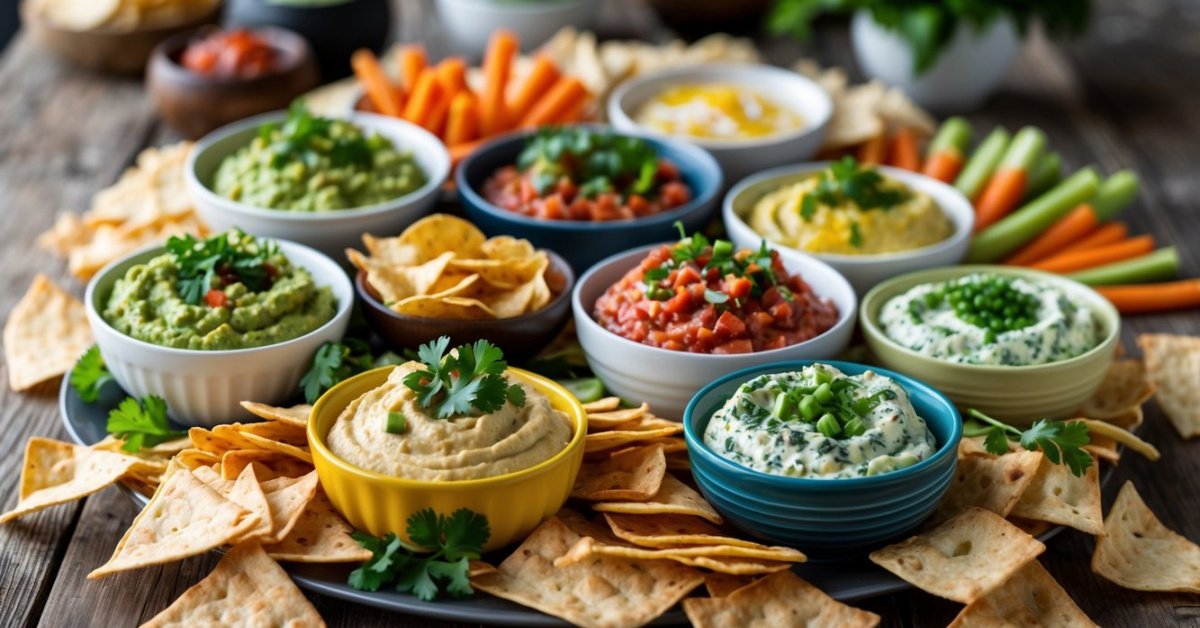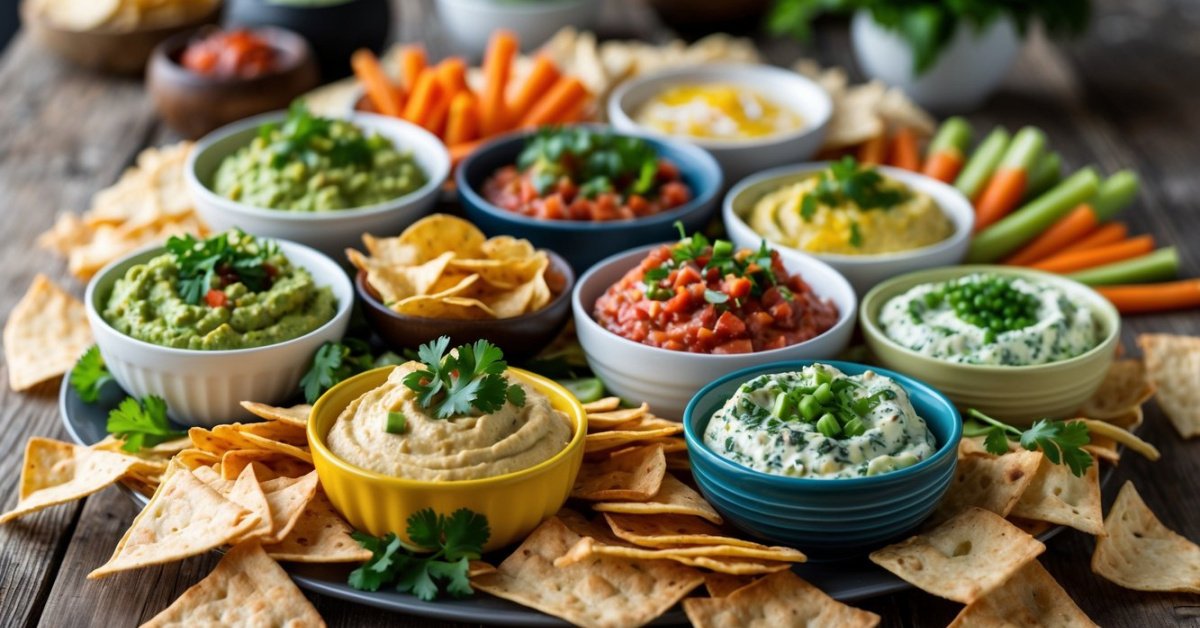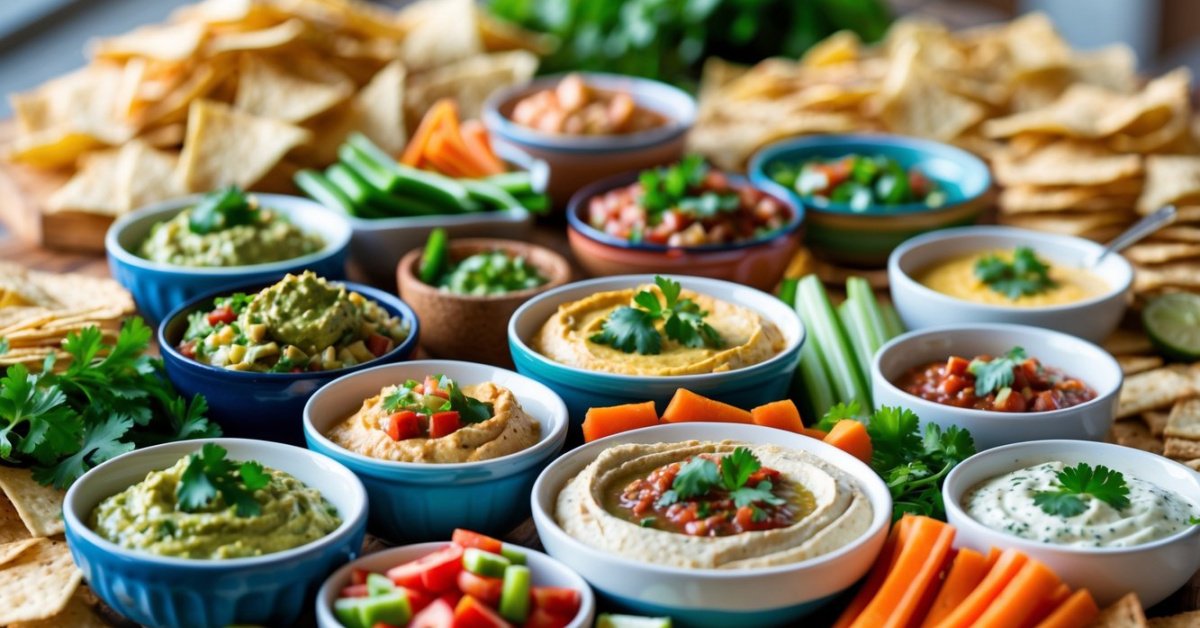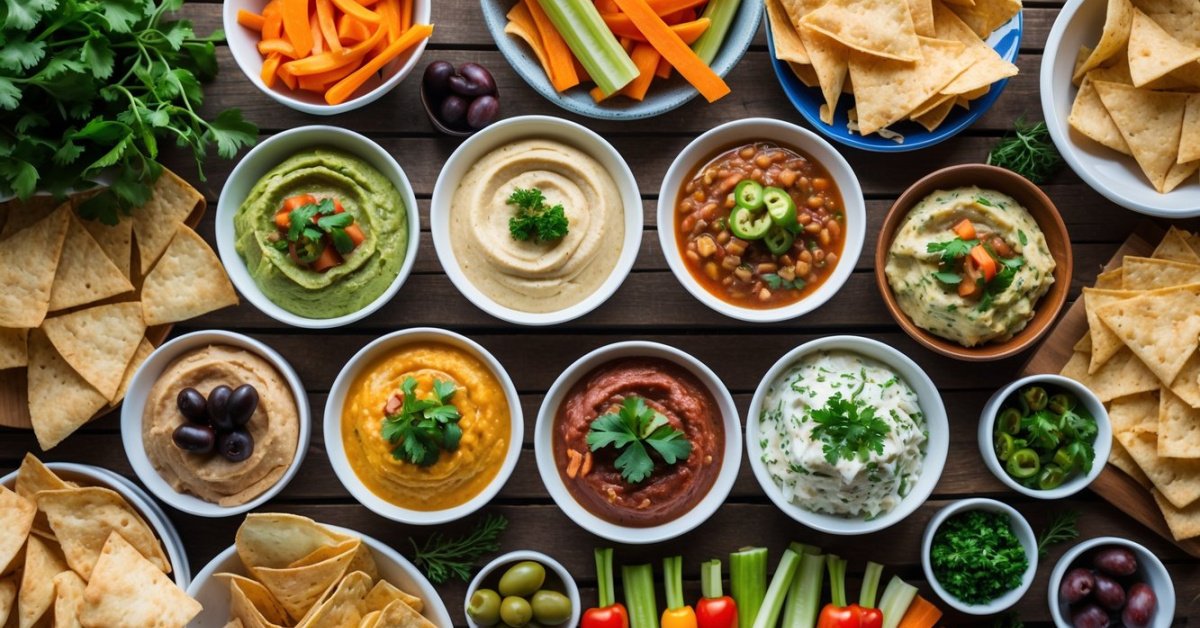
Nothing wakes up my taste buds quite like a bold scoop of spicy roasted tomato salsa. There’s something magical about the way fire-roasted tomatoes blend with fresh peppers and a handful of zesty ingredients. The flavors burst with every bite and I always find myself reaching for just one more chip.
I love making salsa at home because I can control the heat and freshness. It’s surprisingly easy and the results always beat anything from a jar. Whether I’m hosting friends or just craving a snack this salsa never lasts long on the table.
What Makes Spicy Roasted Tomato Salsa Unique
Roasted Flavor
I get a real deep, smoky taste every time I roast my tomatoes and peppers over an open flame or in the oven. Charring brings out some sweetness and changes the whole flavor game, adding something plain tomatoes just don’t have.
Fresh Heat Kick
I like using fresh hot peppers, like jalapeños or serranos, since they bring real layered heat. With roasted salsa, you get a punch from the peppers, but roasting knocks a bit of the sharpness off and gives a warm, balanced bite. Folks always tell me they taste the difference.
Zesty Ingredients
I always add fresh lime juice, chopped cilantro, and onions to brighten things up. These bring out the flavor in the tomatoes and peppers, keeping the salsa lively and not too heavy.
Texture
I hand-crush or pulse my salsa chunky, so you don’t lose the feel of roasted skins, seeds, and bits of veggies. It scoops better and stands up on any chip or as a topping.
Custom Heat Control
Owning a dip company taught me folks like it mild or fiery. I can pull back or add up on the peppers or even toss in a habanero if I’m making it for a big crowd that loves spice. Making it at home means it’s always dialed right.
Longer-Lasting Freshness
Roasting cooks off extra moisture, so my salsa keeps its flavor and texture a good bit longer than a fresh pico. I store some in the fridge, and the roasted taste gets even deeper the next day.
Authentic Dip Experience
I serve this salsa at parties, barbecues, and every Alabama tailgate. Roasting my own tomatoes and peppers gives the dip a homemade feel folks remember. It’s not like anything from a jar—it’s always the first thing to run out when friends gather around.
Key Ingredients and Flavor Profile
Every batch of my spicy roasted tomato salsa starts with what goes in the bowl. That’s where the real flavor magic happens.
Selecting the Best Tomatoes
Plump, ripe Roma tomatoes hold up best for roasting. I look for deep red ones—about 3 inches long, firm, and free of mushy spots. Store-bought grape tomatoes or heirlooms work too for sweeter kicks. Roasting brings out caramel notes in the tomato’s flesh, turning even a basic tomato into something smoky and bold.
Choosing the Right Peppers for Heat
Fresh jalapeños give a nice bite without torching tastebuds, while serranos double the heat for folks wanting more fire. I toss in two jalapeños for a medium heat salsa, or swap for one serrano when I’m feeling brave. Dry, stem, and halve the peppers before roasting so they char up good and even. Remove seeds if you want less heat, but I usually keep ’em for that signature spicy flavor.
Balancing Acidity and Freshness
Bright, zippy lime juice lifts the richness of the roasted batch every time. I squeeze in a whole fresh lime—never bottled—for each pound of tomatoes. I chop crisp white onions for sharpness and fresh cilantro leaves for punchy herbal notes. These fresh parts keep the salsa lively, so you get tang and garden-fresh flavor with every scoop.
Step-By-Step Roasting Process
I always say a good spicy roasted tomato salsa starts in the oven or out on the grill. Roasting brings every flavor to life, adding a real smoky punch and a hint of sweetness you can’t fake.
Roasting Techniques for Maximum Flavor
- Oven-roasting
I set my oven to 450°F, spread halved Roma tomatoes, quartered onions, jalapeños, and peeled garlic on a sheet pan, then drizzle ‘em with oil. I roast those veggies for about 20 minutes, turning once, till there’s a nice char and bubbling going on.
- Grill-roasting
I fire my grill to medium-high, lay whole tomatoes and peppers right on the grates, and turn ‘em with tongs as the skins blacken. I pull ‘em once the skins blister and split, usually after 10–12 minutes.
- Broiling
I use the broiler on high when I’m short on time. I pop the veggies about 6 inches from the heat and let them cook quick—flipping once—till they’re charred good in 7–8 minutes.
Tips for Charring and Blending
- Charring
I get best flavor when I let the tomatoes and peppers blacken and blister. I never worry about burnt spots; those charred bits bring out the smoky taste I love. I keep an eye out, so nothing turns to ash.
- Steaming
I toss the roasted peppers in a bowl and cover ‘em for 10 minutes. The trapped steam loosens the skins, making them easy to peel.
- Blending
I scrape those roasted veggies—skins and all—into my food processor or blender. I add my fresh lime juice, cilantro, and salt. I pulse till the salsa is chunky but still scoopable. I never over-blend since I want that chunky bite, not baby food texture.
Roasting creates layers of flavor in salsa, and getting that char makes all the difference for a dip that stands out on the party table.
Taste Test: Texture, Heat, and Versatility
My spicy roasted tomato salsa grabs you right away with big flavors, bold heat, and a texture you can scoop without worry. I keep this dip chunky so you taste every roasted veggie in every bite.
Flavor Impressions
My salsa hits with smoky tomato up front, then you get the pepper’s heat building slow. Jalapeños bring a clean bite, but if I use serranos, folks usually ask for a glass of milk. Fresh lime and onions keep the taste bright under all that fire. I’ve had plenty of folks tell me they catch a little sweetness and almost caramel notes from those tomatoes scorching under high heat. No one ingredient overpowers the rest; everything comes together for a dip you remember.
Best Serving Suggestions
I pile this salsa high on thick corn chips for a real Alabama game day. My family asks for it on tacos, smoked brisket sandwiches, and scrambled eggs. I’ve spooned it into soups like chicken tortilla or stirred it into queso for extra kick. If you want to set out a show-stopper, tuck a bowl of this salsa next to guacamole and watch it disappear at parties. I’ve found it even works as a marinade for chicken or pork, since the roasted veggies and lime soak right in.
Homemade vs. Store-Bought: Which is Better?
Making spicy roasted tomato salsa at home brings out bold flavors and fresh, roasted goodness you just don’t find inside a store-bought jar. Using real Roma tomatoes and fresh-picked peppers, I get a smoky char right off my backyard grill or oven. No jar on a grocery shelf puts that kind of fire-roasted taste in your mouth. I decide the spice, salt, and tang—nothing’s measured out for mass production.
Keeping the texture chunky is easy with homemade salsa. Store-bought brands use thickeners, vinegar, and lemon juice concentrates. That cuts shelf cost, but it waters down real flavor and adds a tang that’s missing the true spirit of the dip. I use thick, bright vegetable bites and let those smoky skins stick around. When I dip my chip, I want chunks of roasted tomato, not just puree.
Picking homemade puts ingredient control in my hands. I skip fake preservatives and chef it up with fresh lime, jalapeños, cilantro, and onions. Some store salsas claim “fire-roasted,” but the veggies sit in brine for weeks and lose their pop. I blend mine fresh and serve it straight or chilled, locking in every smoked pepper note.
Cost-wise, homemade salsa saves me money if I use what’s in the garden or pick up a few pounds of tomatoes and peppers at the local farmer’s market. Store-bought salsas charge a premium for small jars or trendy labels. For big game day gatherings or backyard picnics, I batch up quarts and serve everyone at a fraction of the cost.
Shelf life’s one place the store jars win—preservatives keep them good for months. My salsa, made fresh, keeps its best flavor two or three days in the fridge. That’s fine by me, since I’d rather taste vibrant roasted tomatoes than something that’s gone dull waiting for a chip.
Here’s a quick breakdown:
| Feature | Homemade Salsa | Store-Bought Salsa |
|---|---|---|
| Flavor | Smoky, Fresh, Customizable | Standard, Often Tangy |
| Texture | Chunky, Roasted Bits | Smooth or Processed Chunks |
| Ingredients | Fresh, Real, No Preservatives | Preserved, Concentrates |
| Cost per Batch | Lower (in-season/garden) | Higher per serving |
| Shelf Life | 2-3 Days | Months |
Serving homemade salsa always gets a “how’d you make that?” at my table, while store salsa just blends into the snack spread. When you crave that fresh-roasted, bold tomato kick, homemade spicy salsa stands out every single time.
Conclusion
Every time I make a batch of spicy roasted tomato salsa I’m reminded how rewarding it is to create something so flavorful from simple ingredients. There’s a special satisfaction in customizing the heat and savoring those smoky notes you just can’t get from a jar.
If you haven’t tried roasting your own salsa yet I hope you’ll give it a shot. It’s a small step that transforms your dip into something unforgettable and your taste buds will thank you every time.