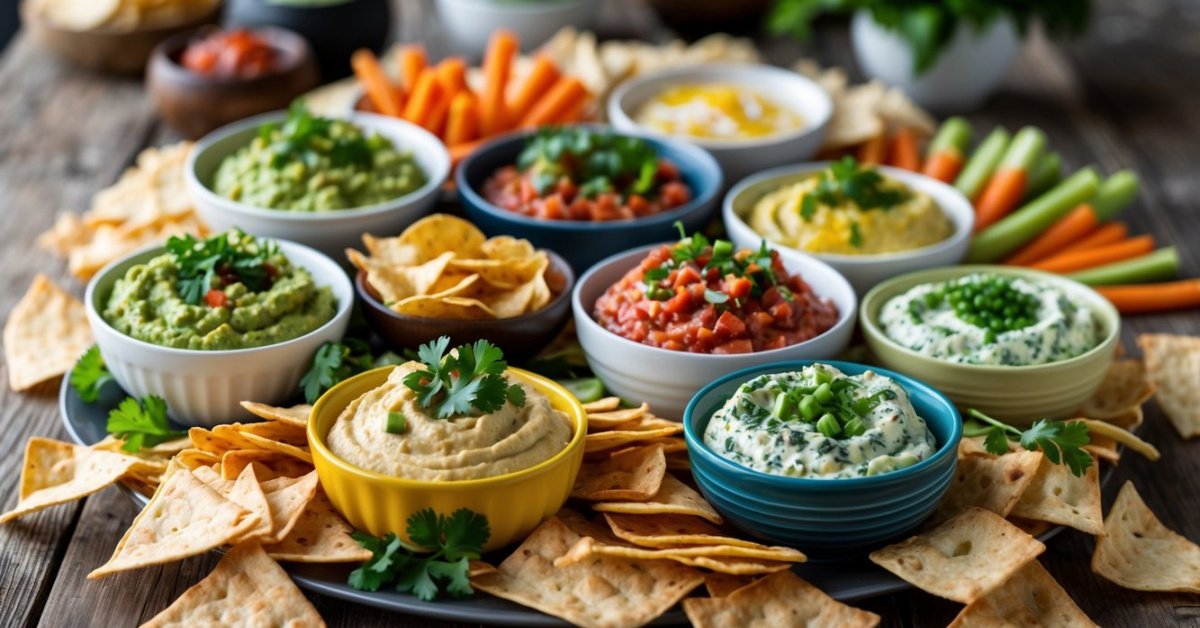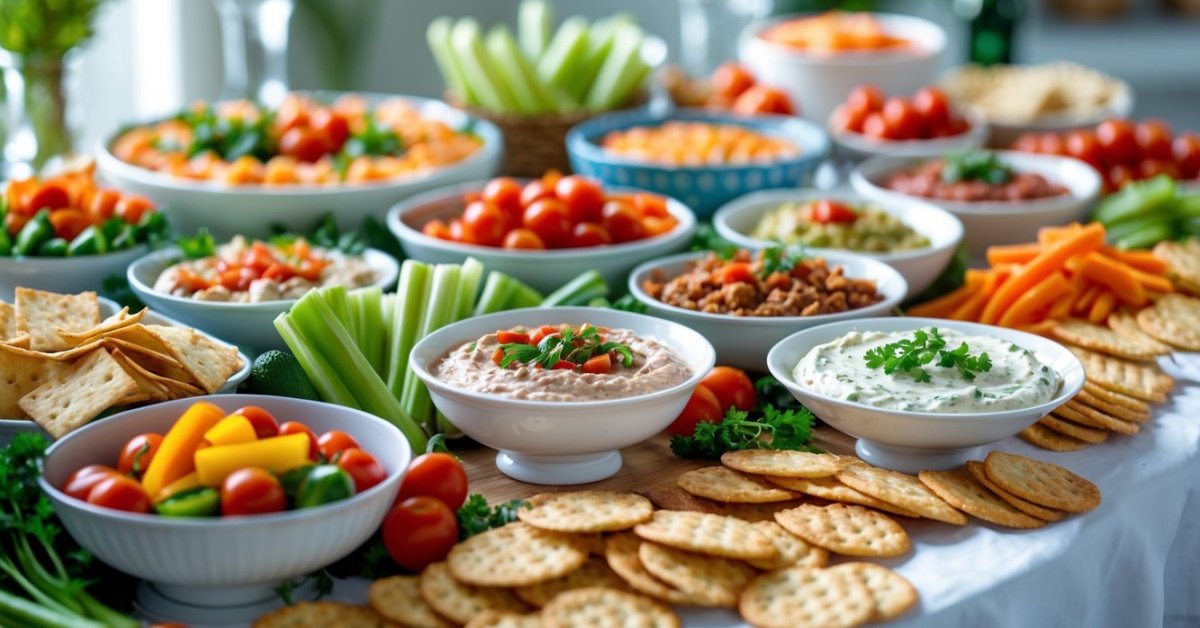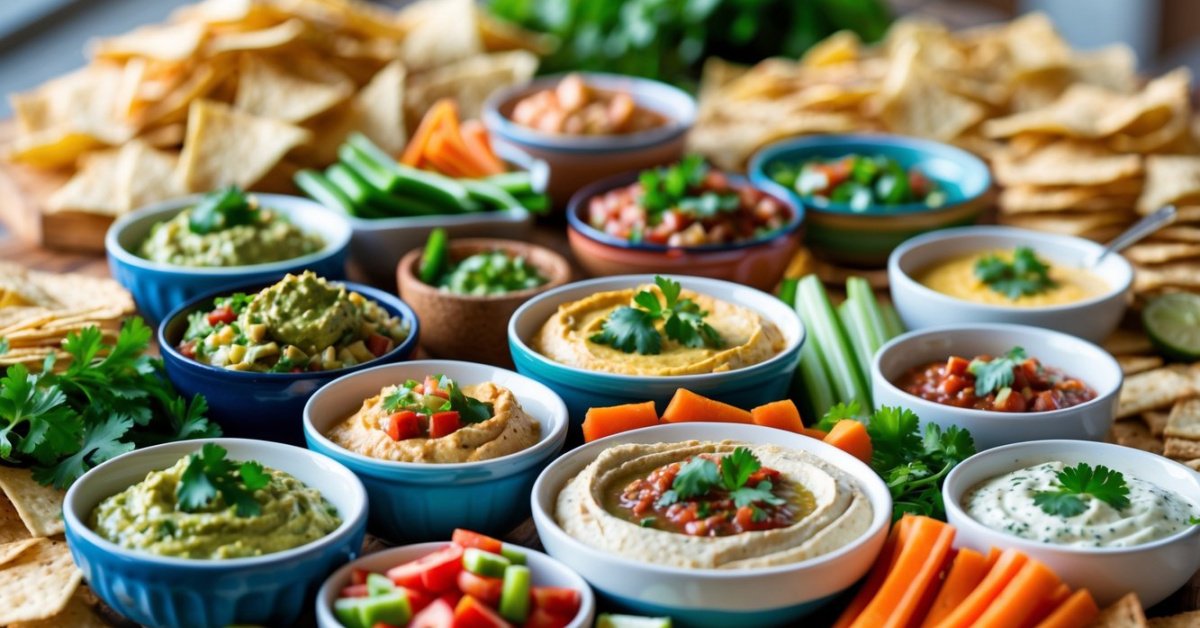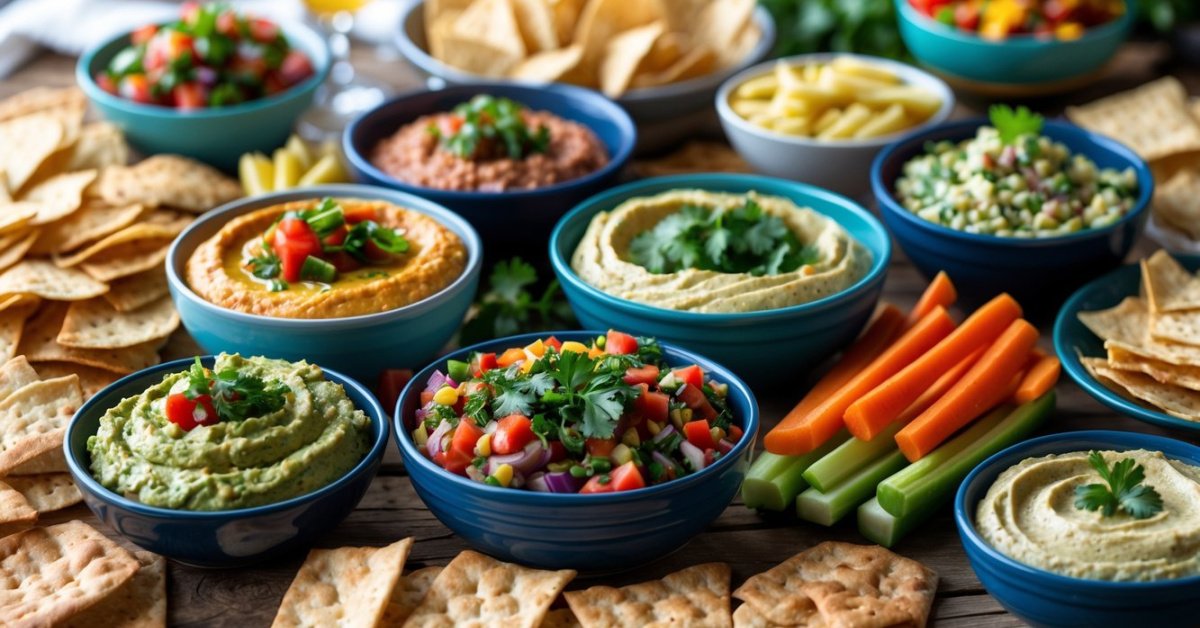
When I think about Middle Eastern food the first thing that comes to mind isn’t always the main course—it’s the dips. There’s something magical about scooping up creamy hummus or smoky baba ghanoush with warm pita. These dips aren’t just appetizers or side dishes; they’re the heart of the table and set the tone for every meal.
I love how these simple yet flavorful spreads bring people together. Whether I’m at a big family gathering or a casual dinner with friends everyone seems to gravitate toward the colorful bowls of dips. They invite sharing and conversation making every meal feel a little more special.
Historical Significance of Dips in Middle Eastern Cuisine
I’ve studied dips all my life and learned that these creamy spreads date back thousands of years in Middle Eastern kitchens. Folks from ancient Mesopotamia and Egypt dipped flatbreads in mixtures of sesame, beans, and yogurt—recipes kinda like modern hummus and labneh. My research shows that even back then, dips made gatherings zippier, bringing folks together in a simple, down-home way.
Dips served as the main event at big spread-out meals across places like Lebanon, Syria, and Palestine. Instead of just one person digging in, families and guests would gather round, each taking some with fresh-baked bread—same as what I see at my own table back home. That sharing, to me, set a tone of hospitality that still sticks with Middle Eastern food today.
Recipes for dips, like hummus and baba ghanoush, moved along ancient trade routes to Persia, North Africa, and even parts of Europe. I’ve watched how each region tweaked and blended flavors, adding their local spices and veggies. This mix-and-match history explains why you’ll spot so many variations of these dips now, from smoky to lemony to herby blends.
For centuries, folks have passed down these recipes by hand, teaching kids and grandkids how to get the taste and texture just right. That tradition is what I love most—it means every dip tells the story of a family or a region, not just a set of ingredients.
Popular Middle Eastern Dips
These Middle Eastern dips bring a whole table together quick as a wink. Folks from all over love ’em for their bold flavors, easy sharing, and pantry-friendly ingredients.
Hummus: The Classic Chickpea Dip
Hummus never leaves my side when I’m putting out a spread. This silky dip mixes chickpeas, tahini, lemon juice, garlic, and olive oil. I’ve seen how cumin or smoked paprika turns it up a notch, but plain and simple hits every time. Hummus goes with fresh veggies like carrots, cucumbers, and radishes. It works with pita bread wedges or even as a spread on sandwiches.
Baba Ghanoush: Smoky Eggplant Delight
Baba ghanoush sits right up there with the best. Roasted eggplant brings out a natural smokiness, and tahini, garlic, and lemon juice round the flavor out. I use olive oil to finish it off light. Folks love how the eggplant’s creamy texture picks up fresh parsley and a dusting of paprika. This dip balances out a plate full of meats, grilled vegetables, or more dips any day.
Muhammara: Spicy Red Pepper and Walnut Dip
Muhammara grabs your taste buds with roasted red bell peppers, toasted walnuts, Aleppo pepper, garlic, and a hint of pomegranate molasses. Crunchy walnuts, sweet peppers, and a little heat make this one stand out. I keep some crusty bread or pita chips handy when I put out a bowl—this dip disappears fast at any get-together.
Dips as Appetizers and Accompaniments
Dips start just about every Middle Eastern feast I’ve ever put together, right in the middle of the table. I serve ‘em up as both an appetizer and a side, and not a soul minds digging in before the main course hits.
Enhancing Main Dishes
Dips round out roasted meats and veggies, turning simple plates into something that pops with flavor. I spoon thick tahini sauce beside grilled chicken or lamb, that creaminess soaks up every drop of juice. I slide a bowl of garlic-laced labneh next to spicy kebabs, the cool tang keeps every bite sharp. Folks dip bites of flatbread into rich hummus or smokey baba ghanoush, making even plain rice or potatoes shine. In my old kitchen, just adding one bowl of a fresh dip doubled how much everyone looked forward to the meal.
The Mezze Platter Experience
I lay out a mezze platter when I want folks to slow down and savor. Mezze’s just a big spread of dips and nibbles, built for passing around and sharing. Bowls of hummus, muhammara, eggplant salad, and yogurt dips sit with olives, cheeses, and warm bread. In the Middle East, this setup’s how you show off your best dips and bring people together—nobody’s sittin’ and waiting with an empty plate. Every family’s got different combos, but that row of dips is always the heartbeat of the table at gatherings. Over the years making dips for my company and home, I’ve learned mezze’s where you taste tradition one spoonful at a time.
Cultural Importance and Social Customs
Middle Eastern dips do more than fill up a table—they bring folks together and set the mood for a meal. I’ve seen how a good spread of dips makes a room feel like family, whether I’m in my Alabama kitchen or hearing stories from friends overseas.
Sharing and Hospitality
Passing a bowl of hummus or baba ghanoush means inviting folks to dig in together. Middle Eastern tables set out dips for sharing, not just serving. Folks grab pita or fresh veggies and scoop right from the bowl, which gets everyone talking. In the Middle East, offering homemade dips like labneh or muhammara is how folks welcome guests and show respect. If I set out three or four dips at a party, I’m not just feeding folks—I’m telling them to settle in and stay awhile. That open-handed spirit is why every big meal and small gathering feels warm and relaxed.
Festive Occasions and Traditions
Big holidays and family gatherings in the Middle East call for tables loaded with dips. Wedding feasts, Eid, Ramadan iftar dinners, and birthdays always kick off with a round of mezze—think big trays holding bowls of creamy tzatziki, smoky mutabbal, and nutty hummus. I learned that in places like Lebanon and Palestine, a meal doesn’t feel right without a spread of dips to start things off. Each dip has its own role: some bring heat, some cool things down, and all of them show off what that family or region does best. Mixing up my own batch of muhammara or garlic-yogurt dip to mark a special day gives me a little taste of that tradition right here at home.
Contemporary Interpretations and Global Influence
Folks around the world aren’t just sticking to the classics when it comes to Middle Eastern dips these days. I’m seein’ hummus mixed with sriracha at tailgates in Birmingham and baba ghanoush being served with tortilla chips at backyard cookouts. Trendy restaurants in London and New York toss pomegranate seeds or avocado right in the bowl. Grocery shelves here in Alabama now carry tubs labeled “roasted red pepper hummus” or “chocolate tahini”—flavors you won’t find in any grandma’s kitchen overseas.
Chefs in places like Tokyo and Sydney make their own spin on mezze by blending those original Middle Eastern flavors with local ingredients. I’ve come across beet hummus with ginger in California and labneh folded with jalapeños down in Texas. These global mashups keep the tradition lively but also let home cooks experiment and throw in whatever’s fresh from their local farmers’ market.
Table below shows a few ways Middle Eastern dips get reimagined:
| Classic Dip | New Version Example | Where I’ve Seen It |
|---|---|---|
| Hummus | Roasted garlic & sriracha hummus | College football parties |
| Baba Ghanoush | Eggplant dip with miso & toasted sesame | Japanese bistros |
| Muhammara | Red pepper-walnut dip with smoked paprika | Austin food trucks |
| Labneh | Cream cheese–style dip w/ chives & lemon | New York sandwich shops |
| Tahini | Chocolate tahini dessert spread | Supermarkets in the South |
People are also sharing these dips at all kinds of gatherings, not just Middle Eastern feasts. At my house, pals dip fried catfish in garlicky tahini or scoop Alabama white sauce with warm pita. Food bloggers and home cooks post dip recipes on Instagram and TikTok, so a good muhammara can go viral before y’all can blink.
What keeps these dips special, no matter where they travel, is how they bring folks together. Whether it’s a Sunday supper in Alabama or a street festival in Paris, that bowl of hummus or labneh turns any meal into a gathering. I find folks everywhere want dips that taste good and make people feel welcome—no matter what you dunk in ’em.
Conclusion
Whenever I set out a spread of Middle Eastern dips for friends or family I feel like I’m sharing much more than just food. Each bowl carries a story and a sense of togetherness that turns any meal into a celebration.
Whether I’m making a classic hummus or experimenting with new flavors these dips always bring a bit of warmth and connection to the table. That’s what makes them so special to me and why I’ll always find a place for them in my kitchen.