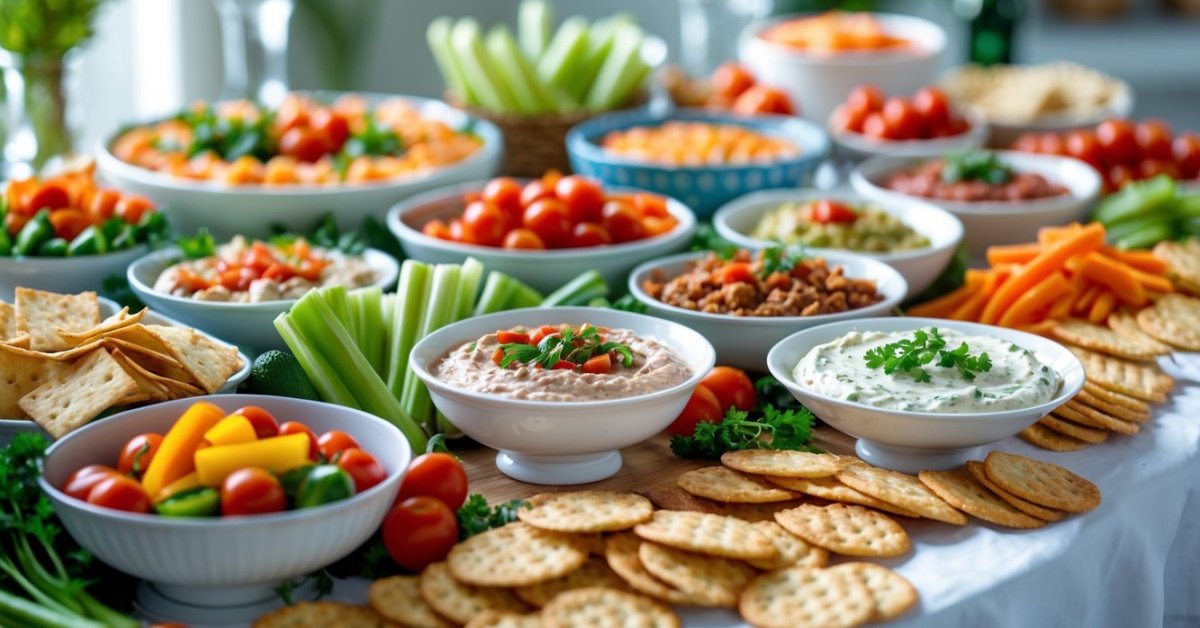
There’s something magical about the smoky aroma of roasted eggplant that always pulls me into the kitchen. I love how this humble vegetable transforms into a creamy dip with just a handful of simple ingredients. Whether I’m hosting friends or just craving a snack, roasted eggplant dip never fails to impress.
It’s perfect for scooping up with warm pita or spreading on sandwiches for an extra punch of flavor. I find it’s a great way to add a little excitement to everyday meals without much fuss. If you’re looking for a dish that’s both comforting and a little bit adventurous, this dip might just become your new favorite.
What Is Roasted Eggplant Dip?
Roasted eggplant dip is a creamy, smoky spread made by fire-roasting whole eggplants till the skins get charred and the flesh turns soft. I scrape out that warm, tender inside and mash it up with lemon juice, tahini, garlic, olive oil, and salt. Folks call it by different names—baba ganoush over in the Middle East, melitzanosalata in Greece, and baingan bharta in India. I always use globe or Italian eggplants for their mellow flavor and smooth texture.
This dip pairs roasted eggplant’s earthiness with the tang from lemon juice and the richness from tahini. Every batch I make gives off a deep, woodsy aroma that comes right from that long roast. My roasted eggplant dip stands up as a centerpiece for any appetizer spread, tastes great with pita or veggies, and stays good for several days in the fridge.
People love this dip’s versatility—spread it on sandwiches, top off grain bowls, or serve as part of a classic mezze platter. Roasted eggplant dip brings a rich, homemade flavor that always gets folks talking.
Key Ingredients and Flavor Profile
When I make roasted eggplant dip, I always reach for a few key pantry staples. These ingredients give the dip that smoky, creamy flavor I love, and every batch turns out just right when I use the best of each.
- Eggplants: Globe eggplants or Italian eggplants both work well. I pick ones that feel heavy for their size and have shiny purple skin. Big eggplants give a mellow, earthy base. Roasting over a flame or in the oven brings out that deep smoky taste.
- Tahini: I use good-quality tahini because it blends smooth and adds rich nuttiness. Sesame paste thickens the dip and gives it that signature Mediterranean bite.
- Lemon Juice: Real lemon juice adds sharpness and keeps the flavors bright. Freshly squeezed lemons taste best and help balance the creaminess of the eggplant and tahini.
- Garlic: I always go with fresh, not jarred, garlic cloves. Just a clove or two brings bold heat and rounds out the whole dip.
- Olive Oil: Extra-virgin olive oil brings fruitiness and smooths out the texture. A couple of tablespoons blended in and a drizzle on top makes all the difference.
- Salt: Kosher salt seasons everything evenly. Proper seasoning brings every flavor together and makes the dip sing.
Most traditional versions use these same simple components. Some folks toss in a pinch of cumin, smoked paprika, or chopped parsley for extra depth. I like to keep it classic but don’t mind a sprinkle of sumac or a little paprika on top now and then.
When these ingredients come together, you get a smoky aroma with an earthy tang, hints of garlic and sesame, and a creamy mouthfeel that spreads easy. Every bite of this roasted eggplant dip tastes lively and layered, perfect for dipping pita, topping salads, or adding to sandwiches.
How to Prepare Roasted Eggplant Dip
Getting that smoky, creamy roasted eggplant dip right starts with how you treat the eggplant and how you finish it off. I’ll share what I’ve learned from years of running my own dip company and making dips for folks all over Alabama.
Roasting Techniques
Roasting eggplant for dip calls for high heat and good timing. I always pick globe or Italian eggplants because they roast up buttery. I prick each eggplant a few times so they don’t pop, then put them right over open flame, on the grill, or in a 450°F oven. When the skins get black and you can poke a fork right through, they’re ready—usually takes about 35-40 minutes on the grill, maybe 45 in the oven. For a strong smoky taste, holding them over a gas flame does the trick. I let the eggplants cool, then split ’em and scoop out every bit of that soft insides, tossin’ the skins.
Blending and Seasoning Tips
Blending roasted eggplant for dip makes the mix silky and smooth when you use a food processor or mash by hand if you want more texture. I add fresh garlic, top notch tahini, lemon juice, a glug of olive oil, and some kosher salt. If you want a kick, try smoked paprika or cumin—those work real well. I taste and adjust the lemon or salt after mixing so the flavors pop but don’t overpower the smoke. Chilling it in the fridge for at least an hour gives everything time to blend. I always drizzle a little extra olive oil and maybe sprinkle some chopped parsley before serving. That brings out the best in every bite.
Taste and Texture Evaluation
Roasted eggplant dip brings a mellow smokiness that hits the nose first thing, especially when I use a real charcoal grill or get those skins almost burned-black in the oven. Every bite packs that soft earthiness right up front—real smooth and creamy from the tahini and olive oil, with a nice tang trailing in from the fresh lemon juice.
Texture gets pretty close to velvet when I blend it in a food processor, but if I mash by hand, it keeps a little bite—those tiny specks of eggplant skin mixing things up. Folks who like their dips with some structure notice right away when I leave it rustic. Either way, the finished spread’s fluffy, never gummy.
Salt wakes up all those smoky, nutty notes, and the bite of raw garlic rides through the back end, not overpowering, just bold enough to lift up everything else. Sometimes I’ll add smoked paprika or cumin. That drops a bit more warmth into the mix and makes the flavor sit longer on the tongue.
Roasted eggplant dip spreads easy on pita, clings to fresh veggies, and brings extra richness to wraps or bowls—always holds together without running or feeling greasy. After it sits overnight, flavors deepen, and the creaminess gets even smoother, perfect for dipping right out of the fridge or letting it come to room temp if folks like a silkier scoop.
Serving Suggestions and Pairings
Let me tell you, roasted eggplant dip fits just about anywhere you want a good dip. Folks at my table love scooping it up with warm pita bread, thick-sliced for a sturdy bite, or crisp pita chips for crunch. You can’t go wrong with fresh veggie sticks either—carrot batons, cucumber rounds, or bell pepper strips bring out the cool, smoky edge.
Sandwiches climb higher with a swipe of roasted eggplant dip. I spread a big dollop inside wraps with grilled chicken or turkey, or tuck a scoop into veggie subs topped with arugula and tomato. Tossing a spoonful into grain bowls jazzes up brown rice, lentils, or farro with that rich, creamy texture.
Appetizer platters turn into crowd-pleasers when I set out eggplant dip next to hummus, feta crumbles, and olives. For parties, I put it right in the middle, watching folks gather around, layering flavors with every dip.
Eggplant dip stars at barbecue cookouts, sitting pretty with grilled meats and kebabs—its smoke matches right up with fire-roasted flavors. When supper rolls around, I use it as a side or a cool topping for spicy lamb, seared steak, or even simple roasted potatoes.
Sometimes, I serve it chilled straight from the fridge on a hot Alabama afternoon, letting the deep flavors cut right through the heat. Straight up, on toast, in a wrap, or alongside dinner—roasted eggplant dip holds its own.
Pros and Cons of Roasted Eggplant Dip
Pros
- Versatility
I use roasted eggplant dip on pita chips, fresh veggies, sandwiches, wraps, and grain bowls, which makes it handy for just about any meal or party spread.
- Nutritional Value
I make my dip mostly from eggplant, tahini, and olive oil, so it’s naturally low in carbs and high in fiber, plus it adds some vitamins and healthy fats without any heavy cream or processed stuff.
- Crowd Appeal
I serve roasted eggplant dip at backyard gatherings, church potlucks, and family dinners, and folks usually empty the bowl before anything else.
- Make-Ahead Convenience
I prep big batches ahead of time since the flavor actually gets better after chilling overnight, saving me stress when I’m feeding a crowd.
- Customizable Flavor
I change up the spices, toss in smoked paprika or cumin, or finish with fresh herbs, which lets me tweak things to match different palates or menus.
Cons
- Eggplant Prep Time
I spend more time roasting and cooling eggplant compared to mixing up something like ranch or hummus from store-bought bases.
- Strong Flavor
I notice that the smoky and earthy flavor of roasted eggplant dip isn’t for everyone, so picky eaters or kids sometimes pass it by.
- Texture Sensitivity
I see that folks not used to creamy dips with a rustic bite might find it a bit different from what they expect, especially if I hand mash instead of blend.
- Short Shelf Life
I keep roasted eggplant dip in the fridge for no more than four days since it starts to lose its peak freshness faster than some store-bought dips.
- Allergen Awareness
I make mine with tahini, a sesame seed paste, so I need to check for guests with sesame allergies at get-togethers.
Conclusion
Roasted eggplant dip always brings a little excitement to my table and never fails to surprise guests with its bold flavors. I love how it fits into so many occasions whether I’m hosting friends or just craving something special for lunch.
If you’re curious about smoky dips or looking for a new kitchen adventure give this one a try. It’s a simple way to add a touch of comfort and creativity to your meals and I think you’ll find yourself coming back to it again and again.