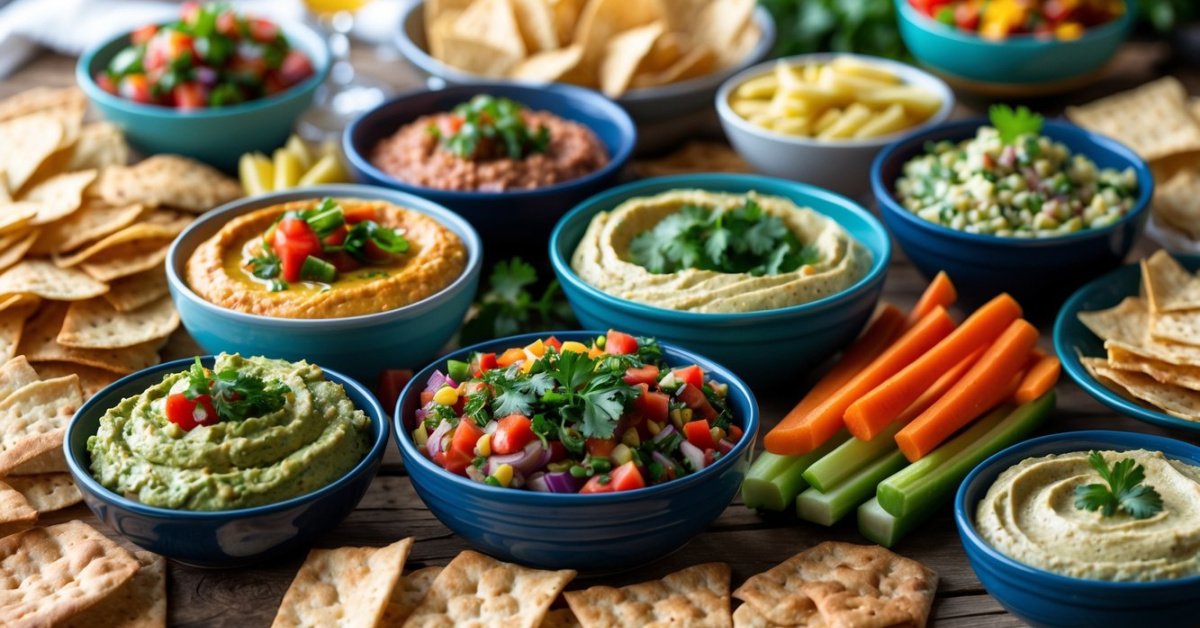
Whenever I crave a dip that wakes up my taste buds I reach for harissa. This North African staple brings a bold kick of flavor that’s hard to forget. With its fiery red color and aromatic spices it’s more than just a condiment—it’s a celebration of vibrant food culture.
I love how harissa dip transforms simple snacks or meals into something special. Whether I’m spreading it on warm bread or swirling it into yogurt for a creamy twist it always adds a burst of excitement. If you’re ready to spice up your kitchen with something new this dip might just become your next favorite.
What Is North African Harissa Dip?
Harissa dip packs bold flavors from roasted red peppers, spicy chilies, garlic, and spices like cumin, coriander, and caraway. Folks all across North Africa—think Morocco, Tunisia, Algeria—reach for harissa to punch up meals from grilled meats to roasted veggies. I learned early on, messing around in my Alabama kitchen, that this stuff beats most dips when it comes to color and flavor.
What sets North African harissa dip apart sits in its deep-red color and its layered taste. You get smoky heat, a hint of sweetness from the peppers, and earthy notes rolling in from the spices. Classic recipes start with simple ingredients: sun-dried chilies, fresh garlic, extra virgin olive oil, and a squeeze of lemon. Some versions toss in tomato paste or smoked paprika for extra depth—like the jars I used to whip up for my own dip company.
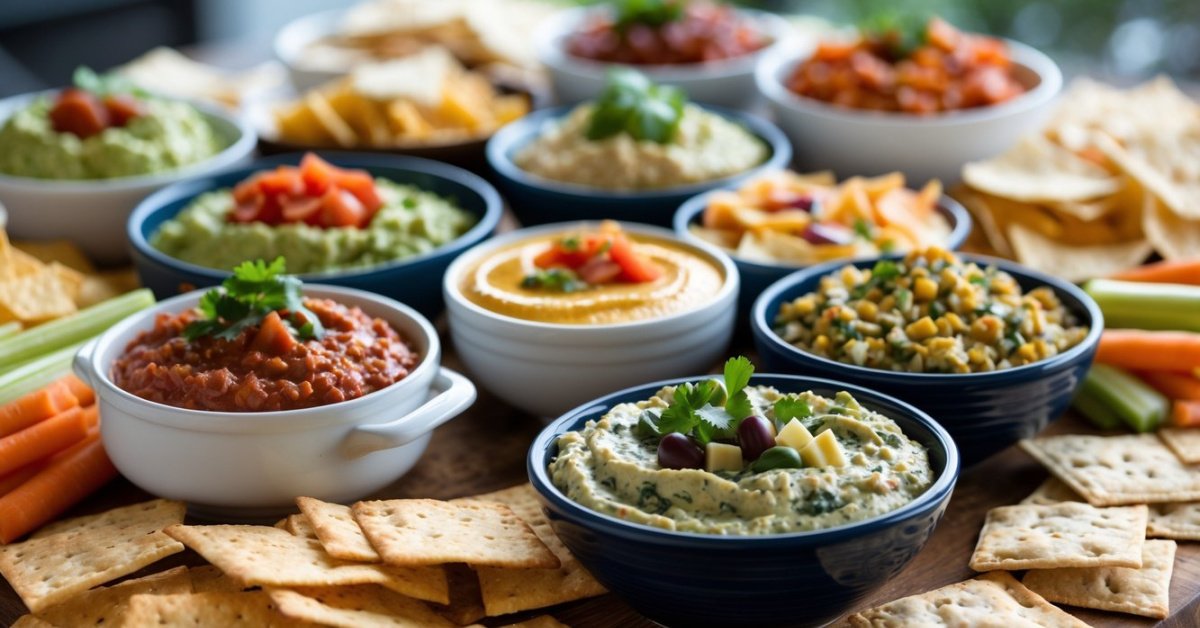
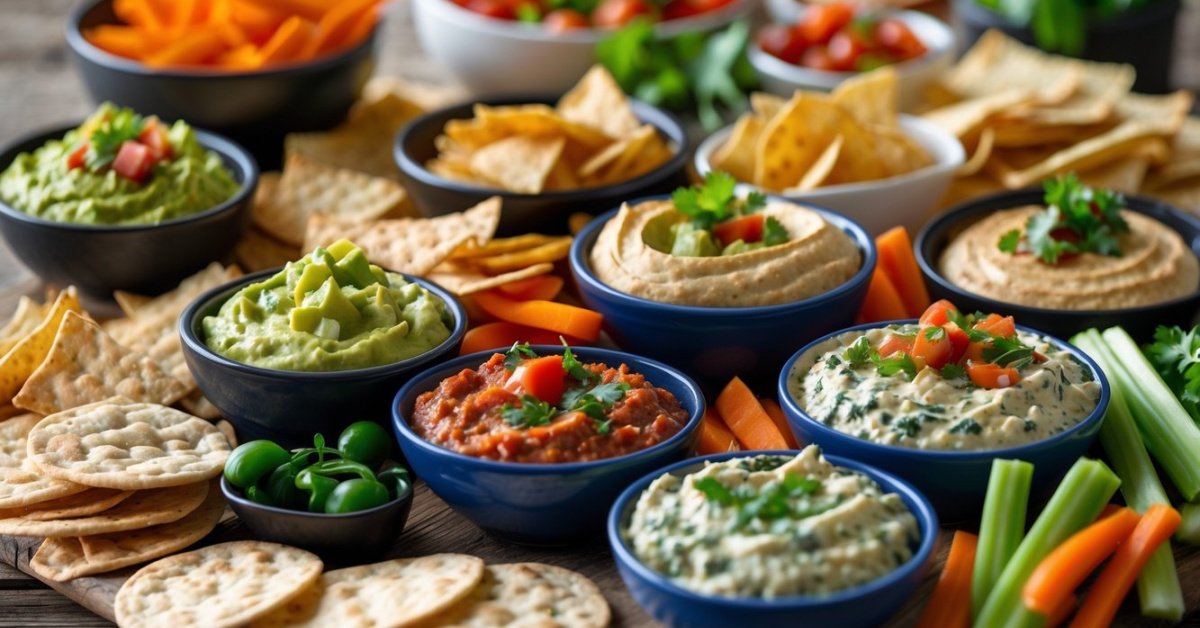
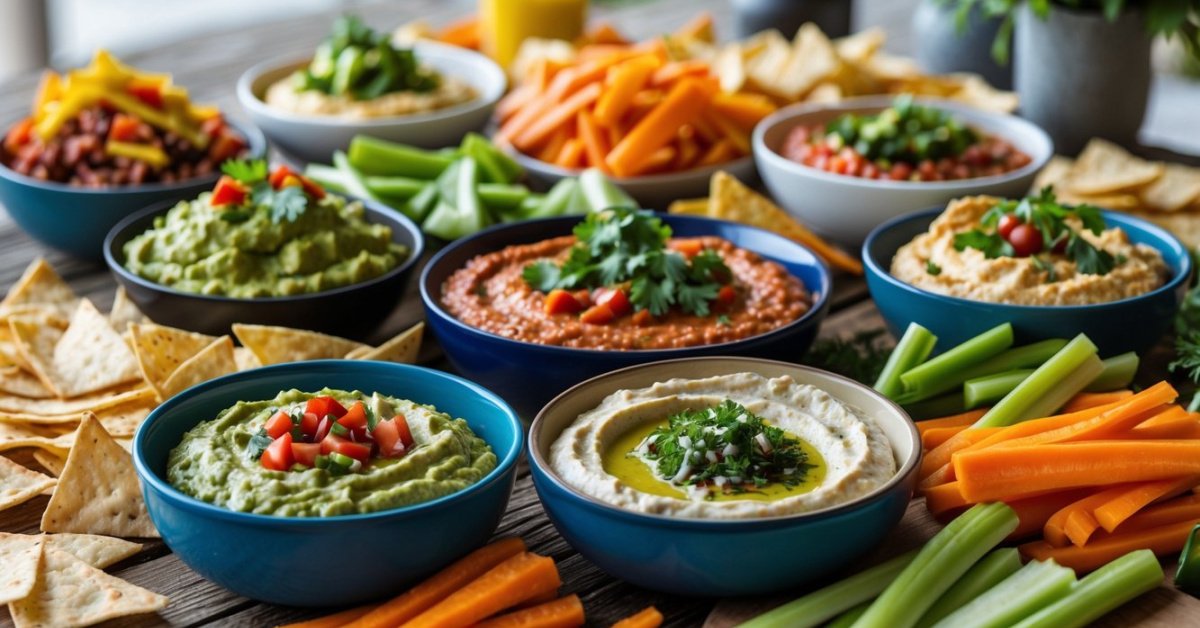
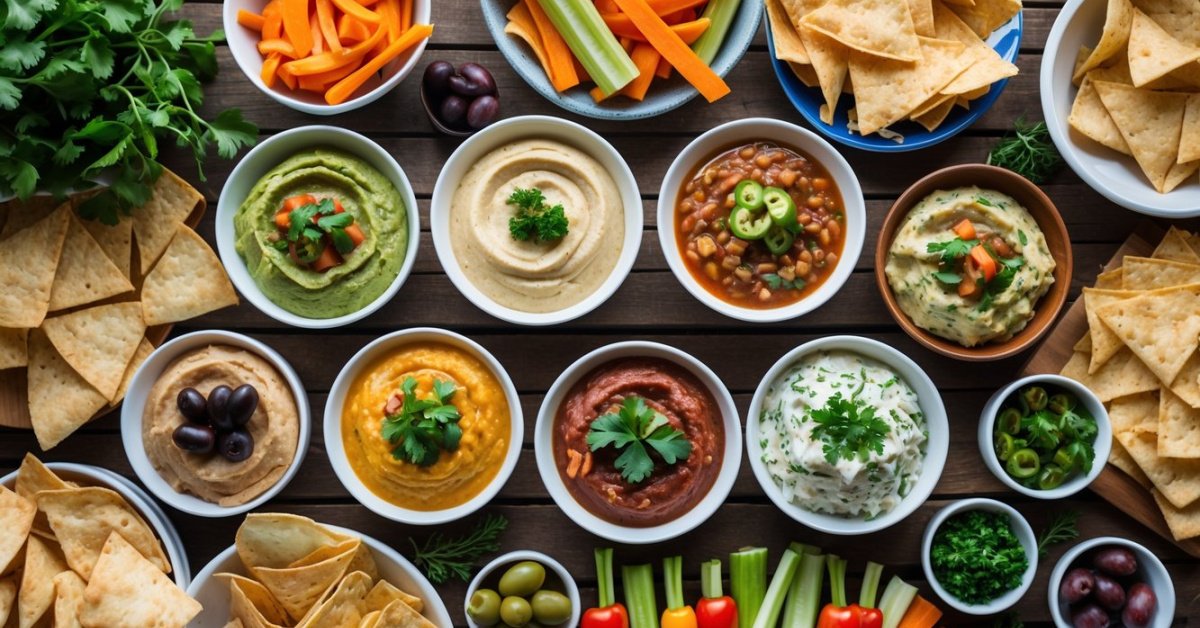
Harissa dip’s texture lands smooth and spreadable, closer to a thick salsa or a hearty hummus than a runny sauce. You’ll spot North African families scooping it up with bread, stirring it in stews, or serving it alongside grilled chicken or fish. In my own kitchen, I love slathering it over crispy pita chips or folding a spoonful into Greek yogurt for a zesty party dip.
So, when other dips start looking the same, North African harissa dip stands out with its spicy kick, bright color, and world-traveled flavor that always gets folks talking at the table.
Key Ingredients and Flavors
When I make North African harissa dip, I’m thinking bold, smoky, and punchy. Every batch packs layers of flavor you just can’t fake.
Traditional Ingredients
- Roasted Red Peppers: I use red bell peppers for sweetness and depth—that’s what gives harissa that signature red color.
- Dried or Fresh Chilies: Chilies bring the heat. Tunisian harissa leans on sun-dried varieties, while Moroccan versions often use fresh for a brighter kick.
- Fresh Garlic: I never skip fresh garlic cloves. They add bite and a heady aroma.
- Spice Mix: I grind cumin, coriander seeds, and caraway for an earthy backbone. Each keeps things grounded, not flat.
- Olive Oil: I always pour in extra-virgin olive oil. It binds everything together and sets that luscious mouthfeel.
- Lemon Juice or Vinegar: I squeeze in lemon juice or splash vinegar, adding tang to cut the richness.
- Salt: I pinch sea salt right at the end to round it all out.
Variations Across North Africa
- Tunisia: In Tunisian kitchens, I’ve found harissa heavy on fiery chilies, caraway, and garlic. Tomato paste sometimes goes in for extra heft and color.
- Morocco: Moroccan harissa tends to dial down the fire but dials up the smokiness with roasted peppers and smoked paprika.
- Algeria: Algerian harissa combines both dried and fresh chilies and often mixes in plenty of olive oil for a silkier dip.
- Texture Differences: Some recipes make it smooth like a spread, others leave it coarse and chunky, good for spooning over grilled meats or mixing in grains.
With every regional spin, the essentials stay rooted in chilies and spices, just with a local twist that sets each apart.
How to Make North African Harissa Dip at Home
Making North African harissa dip at home brings bold flavors straight to your kitchen. Over the years, I’ve learned a few tricks from running my dip shop and messing around in my Alabama kitchen.
Step-by-Step Preparation
Start harissa dip by gathering these: two roasted red peppers (peeled and seeded), five dried chilies (soaked and stemmed), three cloves fresh garlic, one teaspoon each of ground cumin, coriander, and caraway, two tablespoons fresh lemon juice, a half cup extra-virgin olive oil, plus salt to taste.
- Blend peppers and chilies in a food processor till smooth.
- Drop in garlic, spices, and a pinch of salt, then blend again.
- Pour in lemon juice and olive oil, pulsing ’til you get a creamy but thick dip.
- Taste for seasoning—sometimes I add a touch more lemon if I want extra tang.
After blending, I let it sit in the fridge at least 30 minutes. That wait time helps the flavors mellow and come together.
Tips for Best Results
Get the deepest flavors from harissa dip by using roasted peppers and high-quality olive oil—cheap stuff dulls the taste. Adjust chilies for more or less heat; I go heavier for folks who like spice, lighter for those who don’t. Toast the spices in a dry skillet first, if you want a smokier kick. Store leftovers in a jar covered with a thin layer of olive oil; it’ll keep up to two weeks chilled, and the taste keeps getting deeper every day.
Taste and Texture: A Culinary Experience
Harissa dip’s got a bold kick and a smooth, almost creamy texture that’s a crowd-pleaser every single time I pull it outta my fridge. I get a savory rush first—smoky chilies hit up front, thanks to what I call the “fire-roasted backbone.” The red peppers lay on some sweetness, rounding out those sharper flavors, and garlic brings in a deep, toasty aroma that can fill my kitchen quick.
Spices set harissa apart from any other dip I’ve made. Cumin and coriander show up strong, giving a nutty, earthy depth. If I ever add a bit more caraway, that aniseed note comes alive and gives the dip its signature North African flair. Olive oil smooths it all out, so what you end up with is a spread that glides on pita, veggies, or even a spoon straight to your mouth.
Texture’s big for me—harissa lands right in the sweet spot. I keep it thick enough to scoop, but still silky. I always make sure the chilies are blitzed till there’s just a hint of grain left. You shouldn’t find big lumps, but you’ll know it’s made with real peppers and spices. A good batch coats a chip without sliding off and stirs into yogurt or stew without getting watery.
Even with its heat, harissa’s not one-note spicy. There’s layers in every bite—smoke, tang, a slow burn that builds but never overpowers. Folks in my old dip shop loved pairing harissa with cool, creamy dips or mellow cheeses, since that contrast just brings out its whole range of flavors. That’s the mark of a balanced dip: punchy, but never harsh.
Serving Suggestions and Pairings
I love pulling out North African harissa dip when I want to make snacks feel special or take dinner up a notch. Most folks I know go straight for pita chips or warm flatbread, and I can’t blame ’em. That smoky, spicy kick wakes up any plain cracker or bread—try it with naan, lavash, or a torn-up French baguette for a quick appetizer.
I like to swirl harissa into plain Greek yogurt and let it sit a minute. That combo turns into a creamy dip with just the right bite—makes an easy topper for roasted veggies or a dunk for crudités like carrots, cucumbers, and snap peas. Pair it with cheeses like feta or labneh—you’ll taste why it’s a regular at my family table.
I spoon extra harissa over grilled chicken, steak, or shrimp, especially in summer when I’m out cooking. The dip’s heat and tang cut through fatty meats and bring out a smoky sweetness in ribs, lamb chops, or sausage. Folks up in my dip shop used to ask for it with salmon or cod, and it works great with roasted fish, too. Add a squeeze of lemon juice right before serving to brighten it up.
I use harissa as a sandwich spread in place of mayo—slather it inside a fried chicken sandwich, a beef burger, or a veggie wrap. Add pickles and crisp lettuce, and that sandwich jumps up to a whole new league. Sometimes, I stir a spoonful into pasta salad, couscous, or cooked grains like farro and barley. It brings color and flavor without much fuss.
I grab harissa for breakfast just as often, mixing it into scrambled eggs or topping hard-boiled eggs and avocado toast. For folks who crave morning heat, a harissa drizzle on shakshuka or breakfast burritos gives a real wake-up call.
Here’s a handy table to help you see how I like to serve North African harissa dip:
| Food Type | Examples | Notes |
|---|---|---|
| Breads & Crackers | Pita, flatbread, naan, baguette | Great for dipping or spreading |
| Veggies | Carrots, cukes, snap peas, roasted squash | Raw or roasted, hot or cold |
| Meats & Fish | Chicken, lamb, shrimp, salmon, cod | Grill or roast, finish with harissa |
| Dairy & Cheeses | Feta, labneh, Greek yogurt | Mix or use as a topping for cool creaminess |
| Sandwiches & Wraps | Beef, chicken, veggie, breakfast wrap | Swap for mayo or hot sauce |
| Grains & Salads | Couscous, barley, pasta salad | Adds smoky heat and bright color |
| Eggs & Breakfast | Scrambled, fried, boiled, shakshuka | Mix in or drizzle for a kick |
No matter how you serve it, that North African harissa dip’s always in my fridge, waiting to amp up whatever I’m having next.
Health Benefits and Nutritional Insights
When I’m mixing up North African harissa dip in my Alabama kitchen, I’m thinking about more than flavor—I’m thinking about what’s going in my body. Fresh roasted red peppers, spicy chilies, and garlic bring more than a kick of heat; they pack this dip with nutrients and health perks.
Packed with Antioxidants
Harissa dip gives a punch of antioxidants from red peppers and chilies. Red peppers, for example, load up on vitamin C and beta-carotene. Cholesterol maintenance and immune support link straight back to these nutrients. Garlic and spices like cumin and coriander join in too, offering more antioxidants that play a role in reducing cell damage.
Low in Calories and Full of Flavor
My harissa dip stays low in calories when I use simple, real ingredients. A two-tablespoon serving, for example, usually comes in under 50 calories, depending on how much olive oil I pour. That means I can add big flavor without filling up on fat or sugar. Dips that don’t rely on cream or cheese, like harissa, make smart choices for anyone watching what they eat.
Heart-Healthy Fats
I reach for quality extra-virgin olive oil in my recipe. Olive oil brings in monounsaturated fats—good-for-your-heart fats. These fats help support healthy cholesterol levels if enjoyed as part of a balanced diet. By swapping out dips heavy with mayonnaise or cream, harissa becomes a heart-supporting option.
Source of Dietary Fiber
Roasted peppers, chilies, and garlic add some dietary fiber to my harissa dip. Every scoop with veggies or pita chips brings fiber to the table, and that keeps digestion running smooth.
No Artificial Additives
When I make my own harissa dip, I skip the additives. Store-bought dips sometimes carry preservatives, but my homemade batches offer clean ingredients only. No artificial colors or flavors—just honest, bold North African taste.
Here’s a table breaking down some basic nutritional info for a two-tablespoon serving of classic homemade harissa dip:
| Nutrient | Amount (Approx) | Example Ingredient Source |
|---|---|---|
| Calories | 40-50 kcal | Olive oil, red pepper |
| Fat | 4-5 g | Olive oil |
| Saturated Fat | <1 g | Olive oil |
| Carbohydrates | 1-2 g | Roasted red pepper, garlic |
| Fiber | 0.5-1 g | Peppers, garlic |
| Vitamin C | 10-15% DV | Roasted red pepper |
| Sodium | 120-180 mg | Sea salt |
I find North African harissa dip is more than just a way to jazz up my snacks—it’s a bold, health-supporting, and simple addition to any dip spread I whip up at home.
Where to Buy Authentic North African Harissa Dip
Finding real North African harissa dip feels like spotting a gem in a bowl full of plain ol’ salsa. If I’m lookin’ local, some international grocery stores carry jars flown straight from Tunisia or Morocco. In my Alabama neck of the woods, I check spots like Sahara Mediterranean Market or even the global aisle at Publix. Some stores mark it as “spicy chili paste” or “Tunisian harissa,” so I always peek at the label for roasted peppers, chili, and those classic North African spices.
Farmers’ markets and specialty food shops sometimes stock fresh or small-batch harissa too—places like the Pepper Place Market in Birmingham or Southern specialty stores in bigger cities. Those local makers might put their spin on it, but if I see cumin, caraway, and a deep red color, I know I’m close to the real thing.
For online shopping, I grab harissa from sites specializing in North African foods or big platforms like Amazon, World Market, and Kalustyan’s. Here’s where I get consistent flavor and read a heap of customer reviews before buying. Brands like Mina, Les Moulins Mahjoub, and Casablanca are always solid when I want that deep, smoky heat.
| Source Type | Brands & Shops | Notes |
|---|---|---|
| International Grocers | Mina, Les Moulins Mahjoub, Casablanca, local importers | Check international or Mediterranean aisles |
| Farmers’ Markets | Local Alabama brands, specialty small-batch makers | Ask about ingredients, look for that vibrant red color |
| Online Retailers | Amazon, World Market, Kalustyan’s | Look for imported jars and read customer reviews |
If I’m craving the boldest, brightest flavor, I whip up a batch myself with my recipe—nothing beats fresh. But if time’s tight or I want to try new twists, these sources keep a jar of real-deal harissa dip on my table, ready for dippin’ and spreadin’.
Conclusion
Harissa dip has truly earned its place as one of my kitchen staples. Its bold flavors and versatility keep me coming back for more whether I’m hosting friends or just spicing up a quick snack.
If you haven’t tried harissa yet I hope you’ll give it a shot. It’s one of those dips that always surprises me with how much it can transform a simple meal into something memorable. I can’t imagine my fridge without a jar of it ready to go.