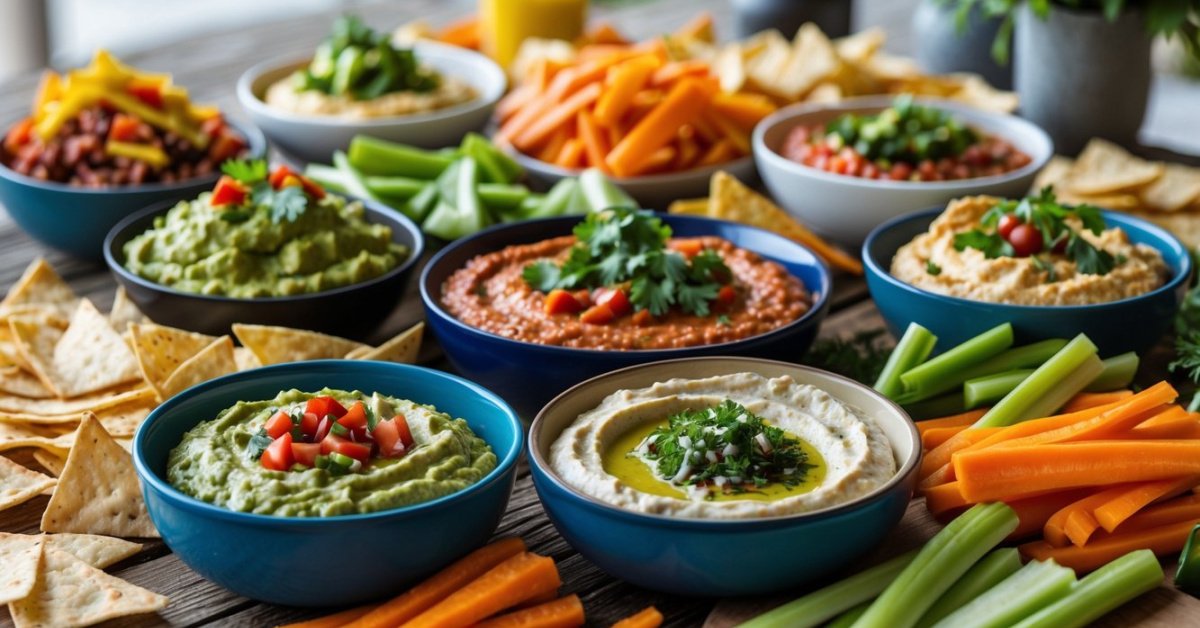
Whenever I’m craving something bold and flavorful, I find myself reaching for Muhammara. This vibrant Middle Eastern dip always surprises me with its perfect balance of smoky roasted red peppers, crunchy walnuts, and a hint of spice. It’s one of those dishes that instantly transforms a simple snack into something special.
I love how Muhammara brings people together around the table. Whether I’m serving it with warm pita or fresh veggies, everyone dives in for a taste. There’s just something about its rich color and irresistible aroma that makes it impossible to resist. If you haven’t tried Muhammara yet, you’re in for a treat.
What Is Middle Eastern Muhammara?
Muhammara is a smoky, spicy dip I make with roasted red peppers, toasted walnuts, and a handful of other bold ingredients you probably already got in your kitchen. Folks in the Middle East whip up Muhammara for gatherings, everyday meals, or topping grilled meats. Origins point to Aleppo, Syria, where peppers and nuts stay close by in most every kitchen.
Red peppers give that sweet, deep flavor, while walnuts bring earthiness and crunch. Bold flavors get bumped up with pomegranate molasses, olive oil, garlic, cumin, and sometimes Aleppo pepper flakes. My recipe always delivers that bright red color and a punch of taste folks remember at my table.
Hand-mashing gives Muhammara that perfect chunky look, though I sometimes use a blender when I’m pressed for time. Whether I’m serving it with pita, spreading it on sandwiches, or scooping it with veggies, this dip stands out with every batch. For a Southern kitchen like mine, Muhammara mixes classic Middle Eastern flavor with my own family’s bold approach to dips.
Key Ingredients in Muhammara
When I make Muhammara, I always start with a few star ingredients that bring out its Southern-meets-Middle Eastern magic. Each one plays its own role in what makes this dip unforgettable.
The Role of Red Peppers
Roasted red peppers give Muhammara its deep color and sweet, smoky base. I use fresh red bell peppers when I can, roasting ’em until the skins are charred and the insides are nice and soft. Sometimes I grab good jarred roasted peppers if time’s short—just drain ’em well. The sweetness from the peppers balances out the tang and spice in the final dip.
Importance of Walnuts and Olive Oil
Walnuts add a hearty, almost buttery crunch. I toast ’em in a dry pan till they smell nutty, then chop or crush to keep that rustic texture. Extra-virgin olive oil brings everything together, making the dip smooth and rich. Good oil also carries all the spices and flavors through each bite.
Unique Flavors: Pomegranate Molasses and Spices
Pomegranate molasses takes Muhammara to another level. I drizzle in a spoonful for its sweet and tart punch. Ground cumin, Aleppo pepper, and a pinch of smoked paprika build real depth and warmth. Garlic rounds things out with a little bite. These bold flavors make Muhammara stand out at any table, whether I’m dipping veggies or spreading it on sandwiches.
Traditional Preparation Methods
I make Muhammara with the same care I use in my dip shop and southern kitchen. This classic Middle Eastern dip needs just a few honest steps and a handful of bold flavor combinations.
Steps to Make Authentic Muhammara
I always start with roasted red peppers, charred either on a grill or straight in the oven till the skins blacken and slip off. I then chop the peppers real small. Walnuts come next—always toasted in a skillet to bring out their nutty bite. I crush ’em by hand for that hearty texture, then mix with breadcrumbs for thickness. Garlic, a little fine grated, goes right in with pomegranate molasses for that tangy-sweet wink. I drizzle extra-virgin olive oil slow while stirring in cumin, smoked paprika, salt, and a generous dash of Aleppo pepper. I mash everything together in a wide bowl—never blend too long or it gets too smooth. Scooping and folding with a spoon gets the texture chunky, just how I like it. For best results, I let the dip sit an hour so all the Middle Eastern flavors soak in deep.
Regional Variations in Recipes
I run into lots of Muhammara versions from cooks across the Middle East. Folks in Syria, where it started, stick close to the basics—peppers, walnuts, Aleppo pepper, and pomegranate molasses, sometimes skipping bread. In Turkey, cooks swap the walnuts for hazelnuts or add lemon juice and tomato paste to punch up the tang. My Lebanese friends toss in fresh herbs and sometimes a little onion. I even saw recipes adding sumac or different chili types for extra heat and color. Each place puts its twist on the base, but every bowl I’ve tried keeps that smoky pepper and nut backbone that makes Muhammara special.
Taste and Texture Profile
Muhammara hits you first with a sweet, smoky taste from those fire-roasted red peppers. I always notice a little tang from the pomegranate molasses, but it doesn’t overpower anything. Ground cumin and Aleppo pepper add heat and earthiness, never sharp, just smooth and balanced. My version keeps a gentle background warmth, not a fiery burn.
Texture keeps me coming back for more. I’m big on mixing by hand, so you get chunks of walnut clinging to creamy pepper. Olive oil smooths everything out and pulls those flavors together. Each bite gives a little crunch from the nuts and breadcrumbs—I don’t like dips that just slide off a chip.
Spreadability matters for a true dip fan. Muhammara glides onto bread or pita but holds its shape so you get that thick, satisfying bite. If you blend it too long, it’ll turn soupy and lose that rustic feel I love.
Color stands out on any snack board. Bright red, flecks of golden walnut, dark edges from the roasted peppers—people always reach for it first because it pops next to hummus or baba ganoush.
Flavor sticks around. Muhammara leaves a slight sweetness and a soft heat on your tongue, with nutty richness following up each scoop. That’s the moment I always look for—when folks pause after their first try, then dive back in.
Health Benefits of Muhammara
Eating Muhammara brings a big dose of good-for-you nutrition, even when you just scoop it up with pita. I pack roasted red peppers in every batch, since these beauties hold loads of vitamin C and beta carotene. That means you’re getting antioxidants with a punch—think eye support and a boost for your immune system.
Adding walnuts does more than help the dip’s chunky bite. Walnuts bring healthy omega-3 fatty acids, especially alpha-linolenic acid, which supports heart health (Harvard T.H. Chan, 2021). I always toss them fresh in the pan because roasted walnuts keep the good fats locked in.
Pomegranate molasses gives Muhammara its tang, but it also sneaks in polyphenols. These plant compounds help fight oxidative stress—a fancy way of saying they help settle down inflammation. Olive oil in the mix keeps things smooth and delivers monounsaturated fat. That’s good for cholesterol levels and helps your body take in all that vitamin A from the peppers.
I use garlic and cumin not just for flavor, but because both bring their own wellness perks. Garlic may help lower blood pressure, and cumin is rich in iron. I like to keep the salt low, letting the spices do their job.
Here’s how a standard homemade batch lines up for nutrition, based on about two tablespoons:
| Ingredient | Key Nutrients | Benefit Example |
|---|---|---|
| Roasted red peppers | Vitamin C, Vitamin A, beta carotene | Immunity, eye support |
| Walnuts | Omega-3s (ALA), protein, fiber | Heart health, satiety |
| Olive oil | Monounsaturated fat, vitamin E | Healthy cholesterol |
| Pomegranate molasses | Polyphenols, potassium | Antioxidant, anti-inflammatory |
| Garlic, cumin | Allicin (garlic), iron (cumin) | Circulation, energy support |
Making Muhammara from scratch means you get all the natural benefits, without any funny business or preservatives. I always keep a bowl handy for a snack that’s as nourishing as it is tasty.
Serving Suggestions and Pairings
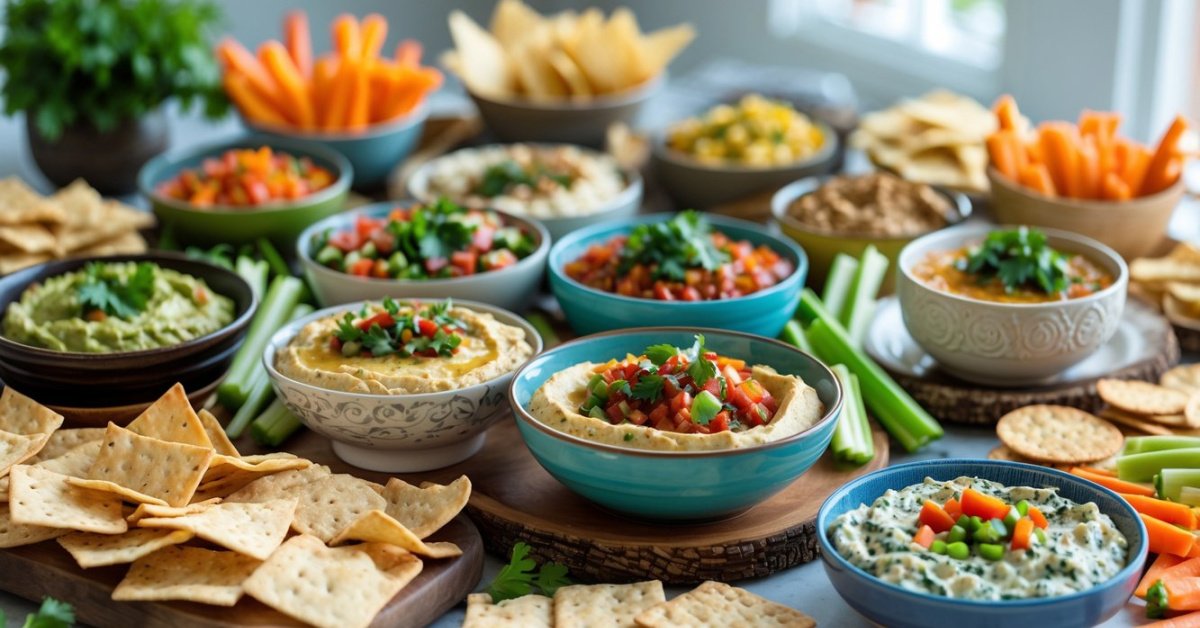
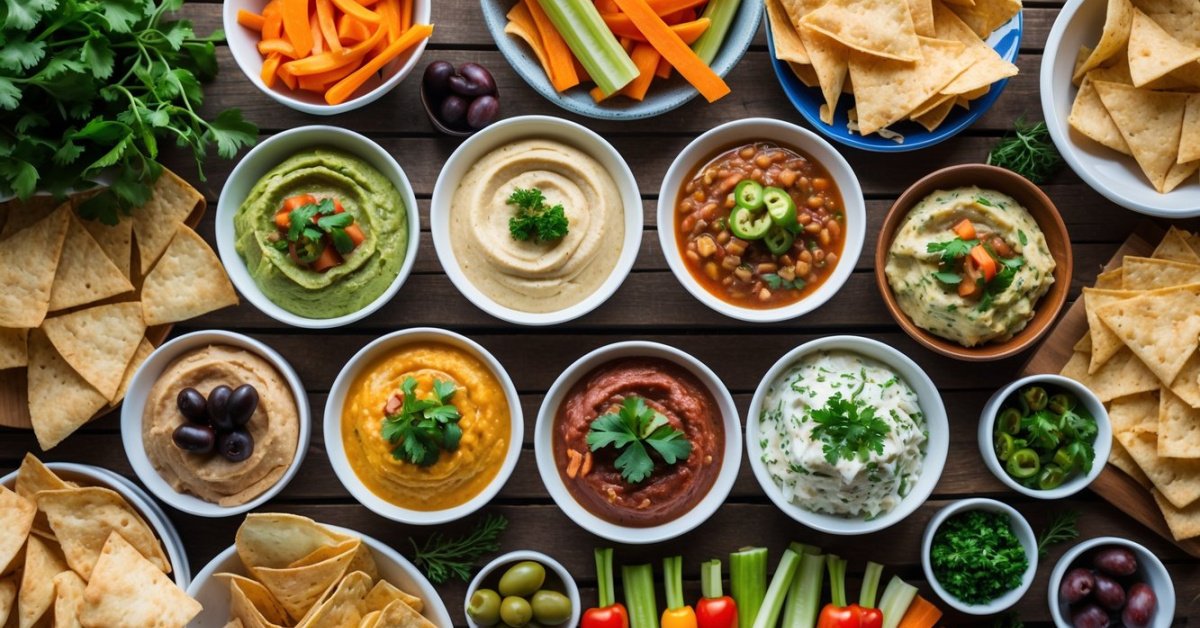
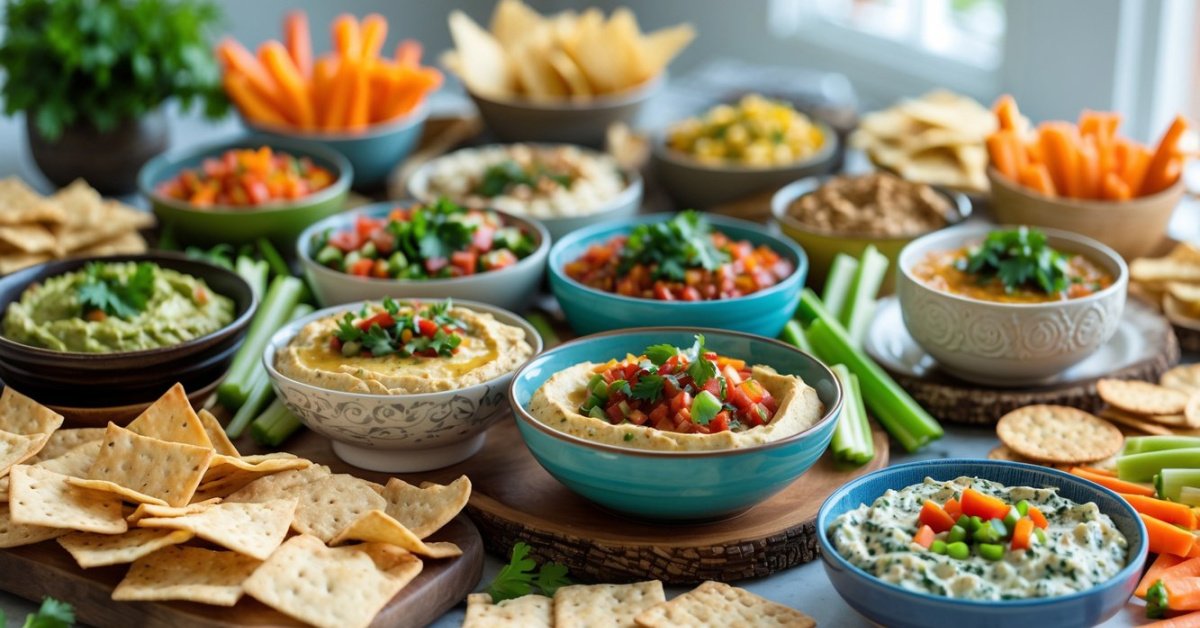
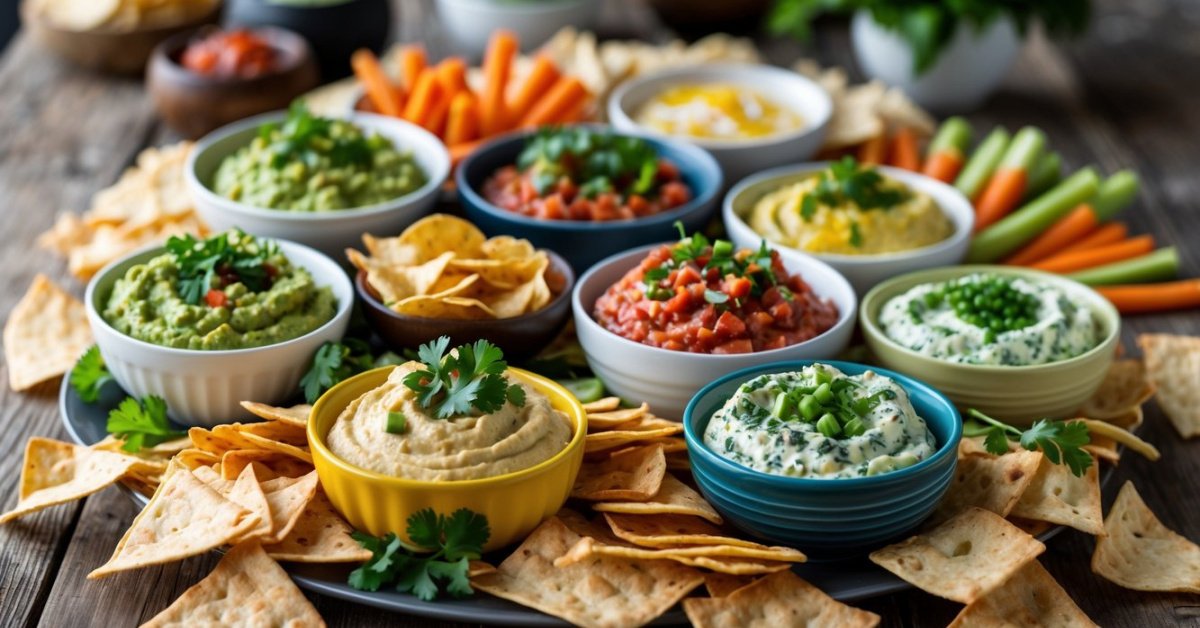
Nothing puts a smile on my face faster than setting out a bowl of Muhammara with the right fixings. I usually start folks off with warm pita bread triangles—best way to show off that thick, chunky texture. Fresh veggies like cucumber sticks, carrot coins, and bell pepper strips always get cleaned off the platter first. Crisp seed crackers offer a nutty crunch that matches the walnuts in the muhammara for folks who like extra bite.
Savory breads such as crusty baguette slices and Middle Eastern manakish round out my boards for dipping. For a Southern twist, I’ve even seen folks try it with buttery biscuits—more popular than you’d think at my cookouts.
My favorite main dish pairings include grilled chicken skewers, kebabs, or juicy lamb chops, since that smoky-sweet flavor from the red peppers works wonders as a sauce or spread. Roasted eggplant, zucchini, and cauliflower also soak up every bit of flavor, so I always pile those high on my party trays.
If there’s some muhammara left after a gathering—rare, but it happens—I spread it on turkey sandwiches or toss it with hot pasta for an easy, bold lunch. Spreading a layer on a burger bun turns a regular burger into something folks never forget. For a breakfast twist, I’ll swipe it across toast, then top with a fried egg.
When guests want a real showstopper, I set out a Middle Eastern mezze platter: muhammara, hummus, baba ganoush, olives, pickled turnips, and dolmas. It turns snack time into a full meal, and with a glass of mint tea or a cold beer, nobody’s in a hurry to leave.
Where to Find or Buy Muhammara
Folks run into Muhammara at specialty food stores in bigger cities, but it pops up now and then at local farmers’ markets too if you keep an eye out. Middle Eastern groceries or Mediterranean markets usually keep tubs of Muhammara, right next to the hummus and baba ganoush—places in Atlanta, Birmingham, or Nashville stock it steady. Some well-stocked grocery chains like Whole Foods or Sprouts might carry a premade version in their international or deli section, though it’s not always a guarantee.
Online shops deliver Muhammara straight to your door. Stores like Amazon, Etsy, and Sahadi’s out of New York pack it up real fresh and ship—just search “Muhammara dip.” Some regional dip makers, like Zaatar & Co. in Georgia or Sitti in North Carolina, offer small-batch jars with bold flavor. They usually list Muhammara in their product lineup.
Restaurants featuring Levantine fare serve Muhammara as a starter—places like Shaya in New Orleans, Aladdin’s Eatery chains, or local Middle Eastern cafes—ask for house dips or mezze plates and Muhammara shows up often.
If you want the freshest flavor, nothing tops making it yourself. I’ve crafted batches in my old dip company kitchen and right at home—it’s just roasted red peppers, walnuts, olive oil, and spices. Everything’s easy to find at regular grocery stores, so you can whip up a real-deal Muhammara anytime.
Conclusion
Every time I make Muhammara I’m reminded of how something so simple can feel so special. There’s something about sharing this vibrant dip with friends and family that always brings a little extra warmth to the table.
If you haven’t tried Muhammara yet I hope you’ll give it a go and let it surprise you. Whether you scoop it up with pita or use it to jazz up your favorite dishes it’s sure to become a staple in your kitchen just like it has in mine.