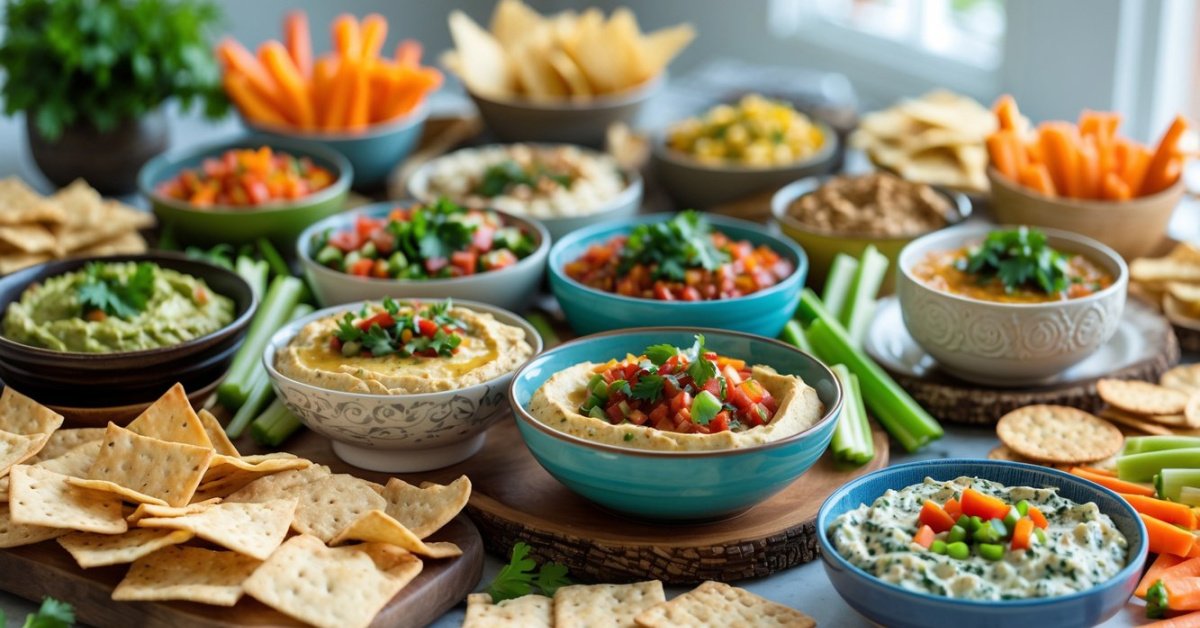
I love adding a fresh kick to my meals and nothing does it quite like salsa verde. Its zesty flavor instantly brightens up tacos grilled chicken or even a simple bowl of rice. But most store-bought versions pack in more salt than I’d like.
That’s why I started making my own low-sodium salsa verde at home. It’s not just healthier—it’s also bursting with vibrant flavors from tomatillos and fresh herbs. I get to control the ingredients and still enjoy that bold tangy taste without worrying about the extra sodium.
What Is Low-Sodium Salsa Verde?
Low-sodium salsa verde skips all that extra salt and brings out the real tang of tomatillos and the zip of fresh herbs. I make mine with tomatillos, fresh cilantro, jalapeños, onions, and a splash of lime juice—no big shakes of salt like in the jars you’ll find at the store. Folks looking for great dips can spread this stuff thick on tortilla chips, spoon it over grilled chicken, or swirl it in their favorite tacos. Anyone wanting something tasty without a sodium overload gets all the punchy green flavor in every scoop.
Most store brands stick in 200 mg to 350 mg of sodium per 2-tablespoon serving—that’s a load of salt for folks watching their intake. In my kitchen, low-sodium salsa verde means less than 35 mg per serving, sometimes even less when I blend fresh with no salt at all. My homemade salsa verde lets you control the salt shake and still brings the flavor that gets a dipper’s attention at any party or family supper.
Low-sodium salsa verde stands out from classic red salsa because it’s bright, fresh, and herb-heavy, not just spicy and salty. The tomatillos give it that signature tang, and with the right touch of jalapeño and lime, you get a bold dip without relying on sodium to prop it up.
Key Ingredients and Flavor Profile
I keep my low-sodium salsa verde simple, leaning on the basics for that fresh punch. Tomatillos always come first. They add the tart backbone that separates salsa verde from the red stuff. I throw in fresh cilantro in big handfuls, because you can’t beat that garden-bright flavor. Jalapeños land next for heat; I use two or three, with seeds if I want more kick. Sweet white onions mellow things out a bit, and I’ll squeeze in a couple limes for big citrus pop.
I don’t bother with salt—those tomatillos and lime do all the work. The final blend is tangy, vibrant, and hits with grassy jalapeño heat and sharp herb. You won’t miss the sodium with flavors this bold—on a tortilla chip, fish taco, or grilled chicken, it always wakes up a dish.
Here’s what I throw in every batch:
- Tomatillos — peeled, rinsed, and tossed in whole
- Fresh cilantro — chopped leaves and tender stems
- Jalapeños — seeded or not, depending on your heat tolerance
- White onion — diced for a clean, sweet bite
- Lime juice — squeezed fresh for extra tang
This recipe leans to the green side and lets those real, bright flavors shine without heavy salt. Each ingredient keeps the salsa verde crisp and lively—exactly what you want when you’re chasing down a great dip.
Health Benefits of Low-Sodium Salsa Verde
Eating low-sodium salsa verde keeps my dips healthy and full of flavor. Lower sodium counts mean my blood pressure stays in check, since extra salt can push those numbers up—American Heart Association pegs 2,300 mg as the daily max for most folks, but a single cup of regular store salsa verde might use up half of that. My homemade dip packs less than 35 mg per serving, so I can dig in without worry.
Keeping it low on salt cuts down the water retention and bloating that sometimes comes with heavy sodium dips. Folks watching their heart health or managing hypertension appreciate this. Plus, tomatillos and jalapeños bring antioxidants and vitamin C, which bolster immunity while giving my salsa that zip. Fresh cilantro always deserves a shout-out for its vitamin K and refreshing taste.
Fiber in my salsa comes from real vegetables—tomatillos, onions, and peppers all help digestion and keep my belly happier after a big snack session. I use lime juice for an extra vitamin C shot, and that citrusy edge brightens up the whole bowl. This keeps my dips flavorful and nutritious, and I don’t ever feel like I’m missing out.
How to Use Low-Sodium Salsa Verde
Low-sodium salsa verde keeps its bold, garden-fresh taste, so I turn to it whenever I want that tangy kick without piling on the salt. I’ve spent years making and selling dips here in Alabama, and this one always finds a place on my table—or right on the grill.
As a Dip or Topping
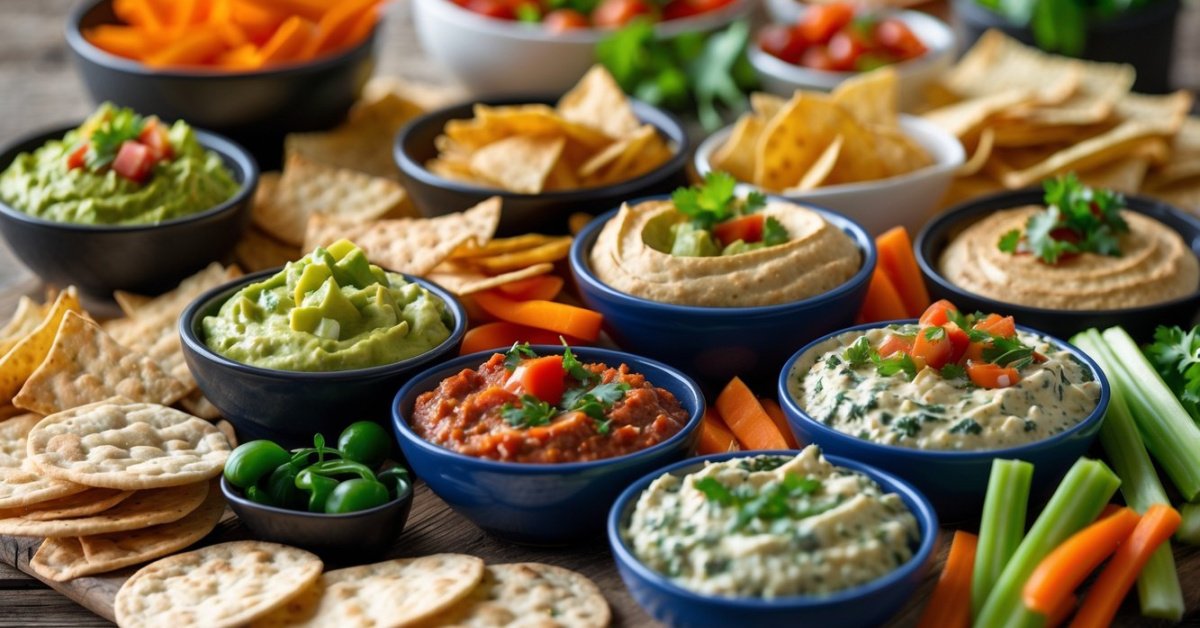
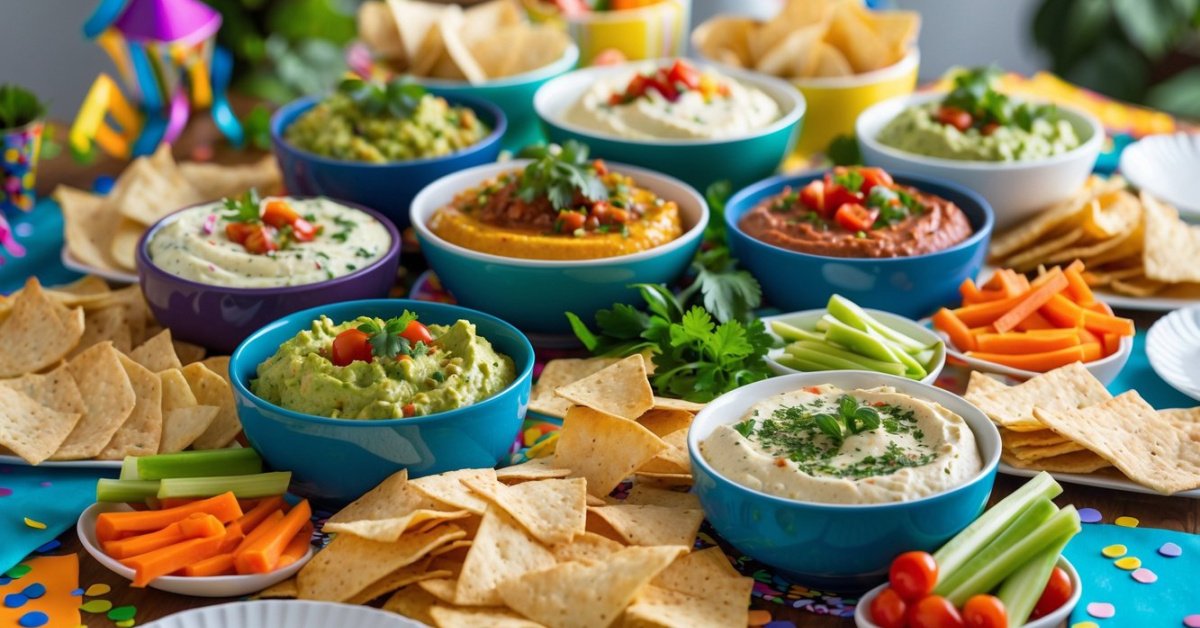
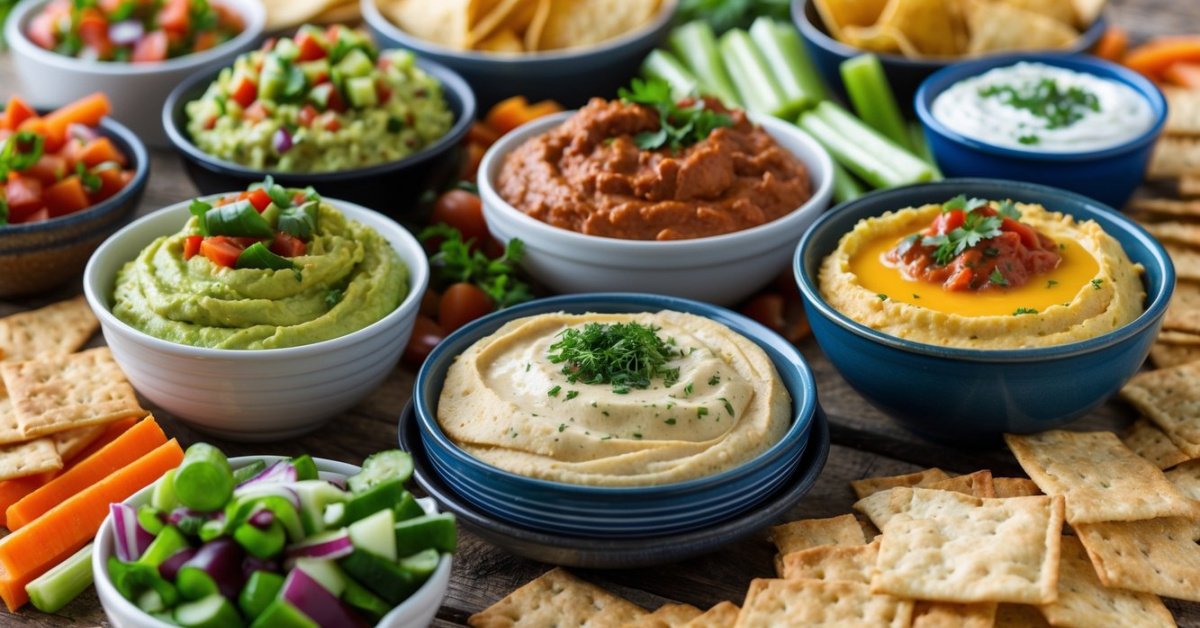
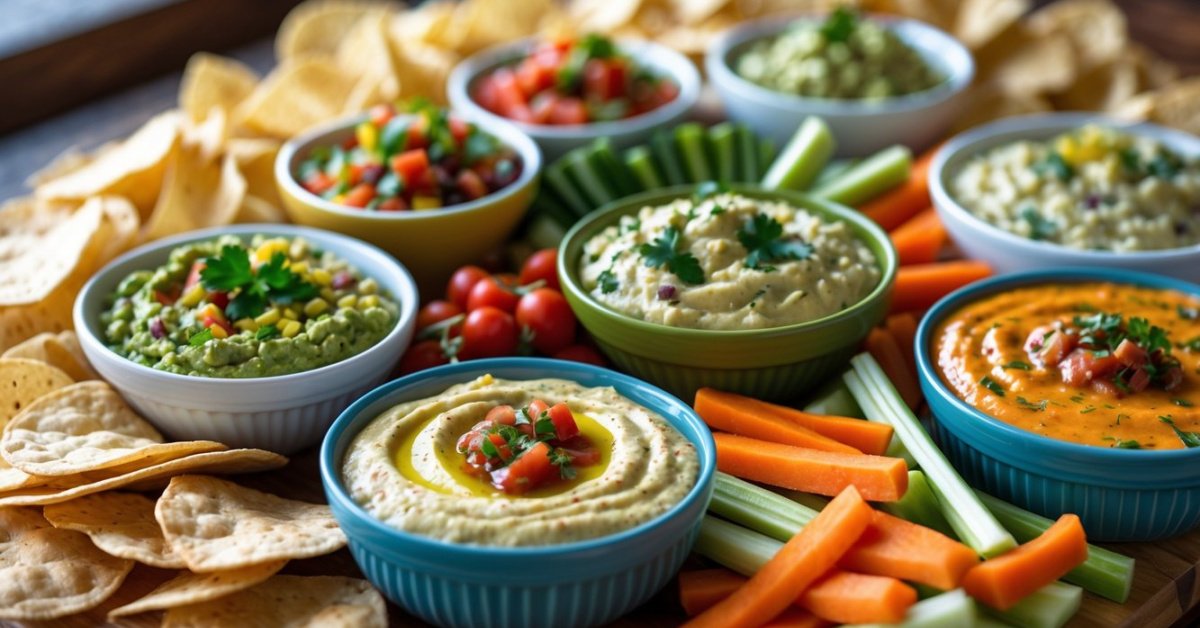
I use low-sodium salsa verde as a dip with crispy tortilla chips, but it’ll liven up veggie sticks like cucumber spears or sweet peppers, too. Folks add spoonfuls on top of grilled chicken, smoky pork tacos, or even scrambled eggs for breakfast. You’ll get a bright, tangy layer that lets all those natural tomatillo and jalapeño flavors shine right through. Sometimes, I scoop it over nachos with a little bit of cheese, and the salsa helps every bite stay crisp and lively instead of weighed down. For taco night spreads or at family barbecues, I set out a bowl—guaranteed, it goes fast.
In Cooking and Meal Prep
I mix low-sodium salsa verde right into slow cooker pulled chicken or shredded pork for instant flavor, skipping the canned stuff loaded with salt. When prepping for the week, I toss a couple of spoonfuls in brown rice or quinoa bowls, or use it as a marinade for shrimp and white fish before grilling. Roasted veggies—think zucchini, cauliflower, or sweet potatoes—soak up the salsa and take on a bright, zesty edge. Even in salad dressings, a spoonful brings freshness without extra sodium. Every batch makes meal prep easier, keeps dishes light, and brings plenty of pop to whatever’s cookin’ in my Alabama kitchen.
Taste Test: Comparing Low-Sodium vs. Traditional Salsa Verde
I sat down with my trusty tortilla chips and put my low-sodium salsa verde head-to-head with a classic store-bought jar. My first bite always tells the story. My version popped with fresh tomatillo tang right off the bat, and I caught those bright garden flavors from the cilantro—no salt cloudin’ things up. Store-bought salsa verde? That saltiness kinda covered the veggies, takin’ over the sip of jalapeño and muting the lime’s bite.
Texture came next. My low-sodium dip brings a chunkier, just-blended feel—like how we’d serve it at my company back in Alabama. Traditional salsa verde from the store usually feels smoother, and a little watery, kinda like they cut it to stretch the batch. That chunkiness in mine means every bite hits with tomatillo, crisp onion, and a quick dart of heat from those jalapeños.
Flavor had to be the main event, though. With less sodium, my salsa verde let the herbs and citrus pull their weight. Each spoonful rolls through tart, sharp, and green. When I compared it to the regular version—those tend to hit hard with salt first, then sorta level out bland as you go. Most store jars use 200 to 350 mg sodium per serving, but mine keeps it under 35 mg. Here’s how they stack up:
| Salsa Verde Type | Sodium per Serving | Flavor Highlights | Texture |
|---|---|---|---|
| Low-Sodium (Homemade) | Under 35 mg | Tangy, herbal, citrus | Chunky, crisp |
| Traditional (Store-Bought) | 200-350 mg | Salty, muted veggie | Smooth, thin |
When folks taste my low-sodium salsa verde, they usually pick up on the tomatillo’s brightness, not just a salty aftertaste. It shines as a dip and as a recipe ingredient, makin’ every bite of tacos, chips, or grilled meats just a bit bolder, without the sodium hangover. I’ve tested batches at tailgates, family cookouts, and even in my old dip shop—same results every time. Low-sodium salsa verde always wins for fresh flavor and full dip potential.
Where to Buy or How to Make Your Own
Finding low-sodium salsa verde at the store doesn’t come easy, especially if you’re after that bold, fresh flavor without the heavy salt hit. Specialty grocery shops like Whole Foods or Sprouts sometimes carry low-sodium options, but label reading’s a must—I’ve seen some brands with “low sodium” right on the front, but they’re still packing over 100 mg a serving. Most big-name supermarket salsas fall in the 200-350 mg sodium range, which crowds out all that tomatillo tang with salt. Online shops such as Amazon or natural foods sites might offer specialty jars, though shipping fresh salsa verde can cost a bit extra.
Making your own low-sodium salsa verde at home brings out every layer of flavor I’ve talked about. Fresh tomatillos, cilantro, jalapeños, sweet onion, and real lime juice—those build the taste without hiding behind excess salt. Chop your tomatillos and onions, blend ’em all up with cilantro, lime, and peppers, then taste the mix. I’ve found a food processor gets the best chunky texture, but a blender makes it smoother if that’s your style. Skip the salt shaker altogether or toss in a pinch if you’re not cutting sodium for health reasons.
Here’s what I use in a single batch:
- 1 pound tomatillos, husked and rinsed
- 1 cup fresh cilantro leaves
- 2 medium jalapeños, seeded for less heat
- 1/2 cup white onion, chopped
- Juice of 1 large lime
Blend, taste, adjust the lime or jalapeño for bite, and there it is—less than 35 mg sodium a serving, all punch, no sodium slog. You can batch up a couple jars in under 15 minutes. Fresh salsa verde’s not just healthier; it always beats out any jar I’ve ever poured, and that’s coming from a fellow who built a business on dip.
If folks want it ready-made, stick with fresh dips from a local farmer’s market or health food store that’ll let you check ingredients. But my pick’s always going to be homemade—once you make it, you’ll see why.
Conclusion
Making my own low-sodium salsa verde has completely changed the way I enjoy my favorite dishes. I love knowing exactly what goes into each batch and being able to adjust the flavors to match my mood or meal.
There’s something satisfying about scooping up a fresh, tangy salsa that’s as good for my health as it is for my taste buds. If you’re looking for a simple way to add flavor without the extra salt I definitely recommend giving homemade salsa verde a try. It’s a small kitchen upgrade that makes a big difference.