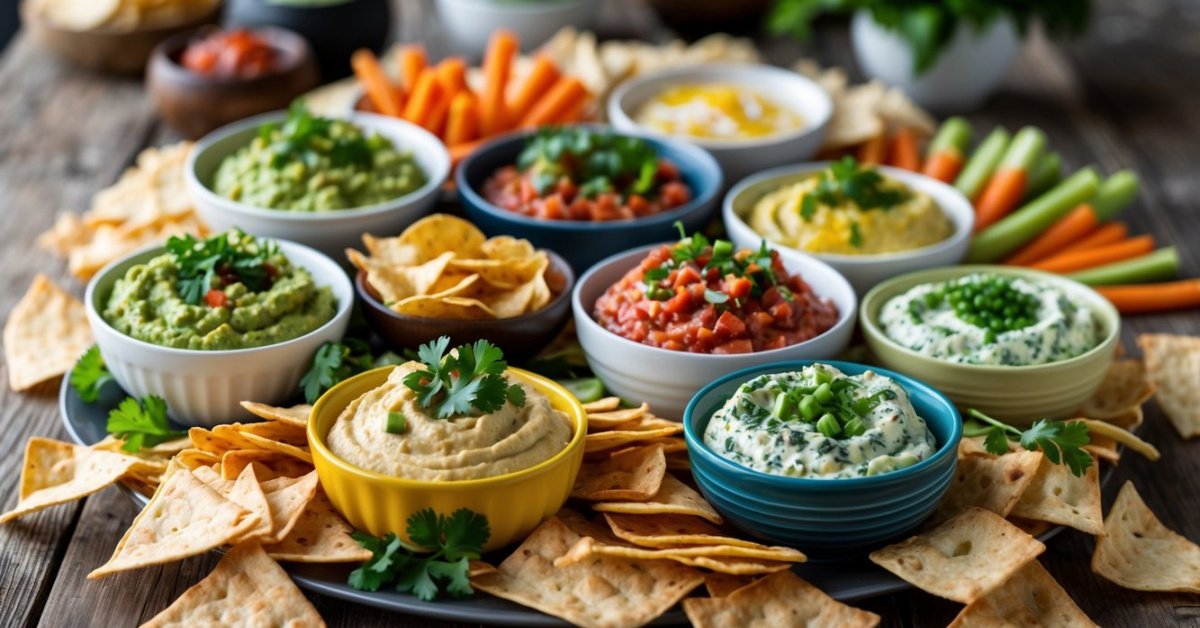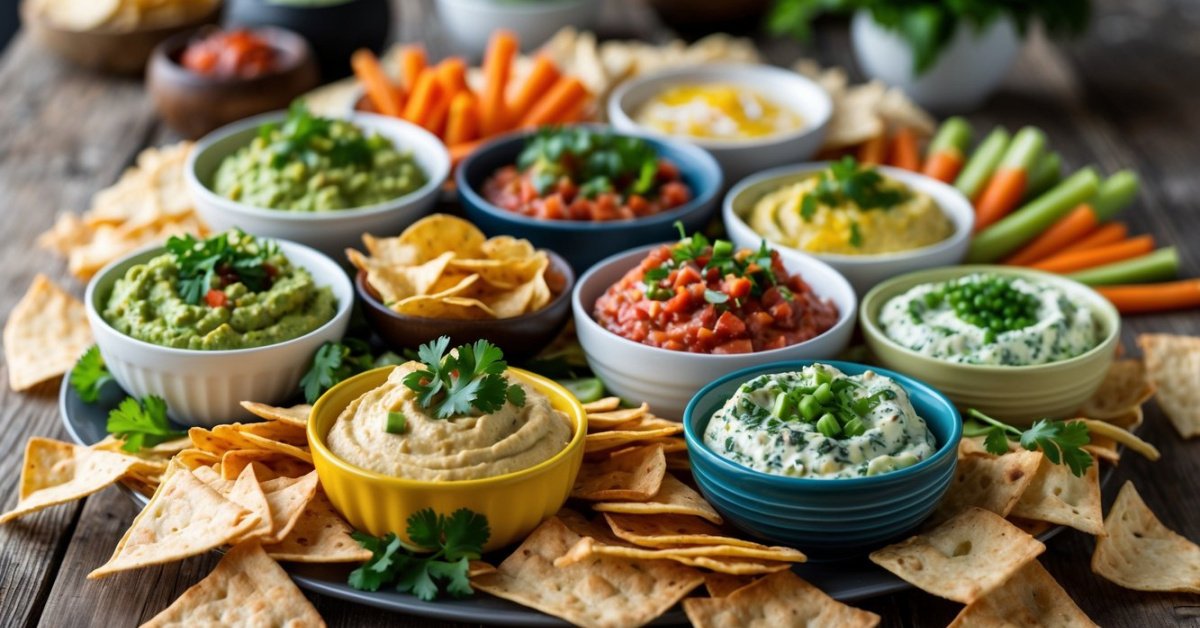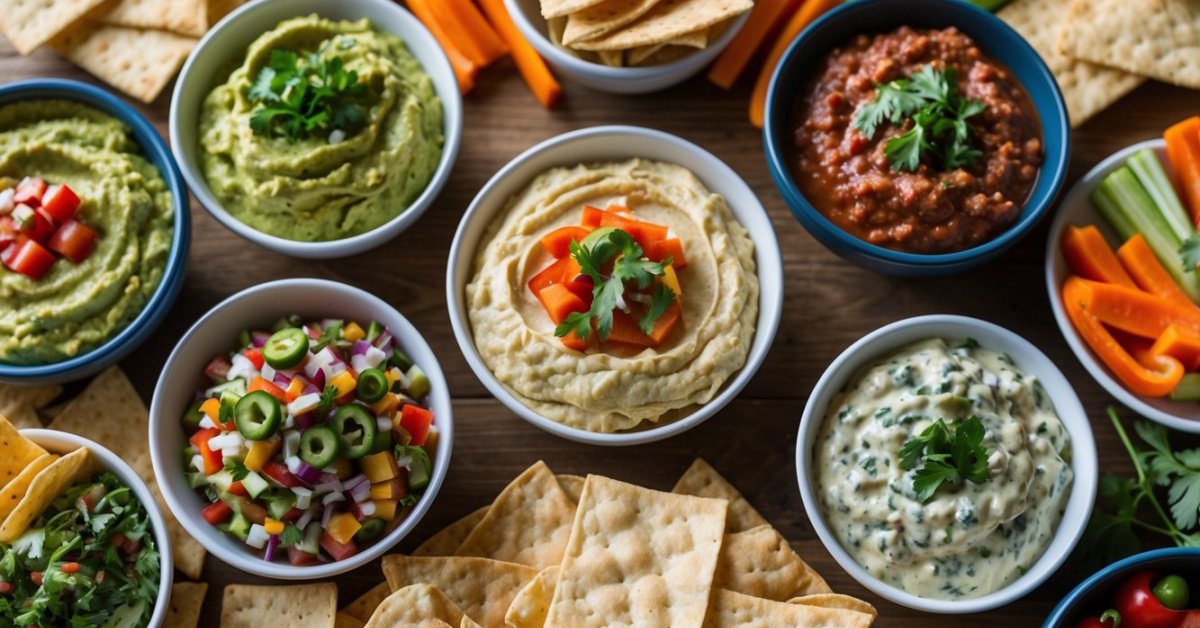
Whenever I’m craving a quick burst of flavor, I reach for Japanese miso dip. This simple yet rich condiment brings a savory twist to everything from crisp veggies to grilled meats. Its unique umami taste always surprises guests and makes snacking feel a little more special.
I love how easy it is to whip up at home with just a handful of ingredients. Whether I’m hosting friends or just treating myself, miso dip never disappoints. It’s the kind of recipe that turns an ordinary snack into something memorable.
What Is Japanese Miso Dip?
Japanese miso dip combines savory miso paste with a few simple pantry staples for a one-of-a-kind, umami-packed spread. I take white or red miso—that’s fermented soybean paste folks use everywhere in Japanese kitchens—and blend it with a splash of mirin, rice vinegar, and just enough sweetness for balance. This dip’s thicker than most American sauces, so it sticks real well to crunchy cucumber slices, carrots, or grilled chicken skewers.
Traditional Japanese tables feature this dip for raw veggie platters—think daikon, celery sticks, or even shiso leaves. Folks call it “miso dengaku” or “sumiso” when they tweak the base with mustard or citrus. At my old shop, I served mine with fresh spring radishes and broccoli stems, and folks came back asking for quarts.
Most miso dips keep that deep, salty note and a mellow richness that sets them apart from sour cream or ranch. I swap in maple syrup or Alabama honey sometimes for locals who want a Southern twist. This dip’s speedy—mix, taste, and scoop in under five minutes. If you’ve never tried miso before, that first bite lets you know why chefs and home cooks keep it close.
Key Ingredients In Japanese Miso Dip
Every good Japanese miso dip starts with just a few core ingredients, but the magic happens when you use the right ones. I’ve spent years working up the best combos for flavor and texture, and I’ll break down what gives this dip its kicked-up taste.
Types Of Miso Used
Picking the right miso matters most for a true Japanese miso dip. White miso (shiro miso), yellow miso (shinshu miso), and red miso (aka miso) each bring something different. I use white miso for a slightly sweet, mellow base—that’s what you find in most restaurant dips. Some folks add a spoonful of red miso when they’re after extra richness. Every batch I whip up starts with a good scoop of quality miso, and if you want a saltier, deeper taste, you’ll want a mix of red and white. Miso brands from Japan like Hikari and Marukome are the ones I always keep in my fridge.
Additional Flavors And Add-Ins
Japanese miso dip’s flavor comes alive with a few simple extras. Mirin gives it a touch of sweetness, and rice vinegar cuts through the salt, both acting like flavor boosters. I splash in toasted sesame oil for nuttiness and sometimes a bit of sugar for balance. To shake things up at my shop, I’d fold in yuzu juice, wasabi, or dry mustard for a sharp finish. Chopped scallions, grated ginger, and even a sprinkle of sesame seeds give the dip some bite and crunch. The add-in lineup depends on what you’ve got handy—Japanese pantry staples work best, but I don’t mind adding Southern twists once in a while, like a drop of hot sauce.
How Japanese Miso Dip Is Made
Japanese miso dip comes together quick as a whip, using just a handful of choice ingredients. I make it at home and at my old shop, and every time, that creamy, savory kick brings folks back for seconds.
Traditional Preparation Method
Traditional miso dip starts with honest-to-goodness miso paste, like the white or yellow types you find in Japanese kitchens. I spoon about three tablespoons of miso into a mixing bowl. For authentic flavor, I blend in one tablespoon mirin, which adds a sweet note, and a teaspoon rice vinegar for punch. Next, I whisk in a teaspoon of toasted sesame oil for that nutty aroma. Mixing goes by hand with a fork or small whisk, just until silky and smooth. This classic dip gets served with fresh veggies—think carrot sticks, cucumber rounds, or blanched green beans. For miso dengaku, folks stir in a bit of sugar and brush it right onto grilled eggplant or tofu, then broil till bubbling. Variations in Japan swap in mustard for a little heat or citrus juice for a fresh bite.
Modern Variations
Modern takes on Japanese miso dip stretch out and get creative. I’ve seen folks add a splash of yuzu juice instead of rice vinegar for a citrus zing. Some add finely sliced scallions, cracked black pepper, or even wasabi for a hot kick. At my place, customers loved it when I mixed in Greek yogurt or silken tofu, bringing a fluffy, mild twist that mellowed the salt. Home cooks now blend everything in a food processor for extra fluffiness—no need for elbow grease. These new-style dips pair well with not just veggies, but grilled meats, shrimp, or spread onto a sandwich for a new kind of flavor.
Taste And Texture Profile
When I whip up my Japanese miso dip, I get a big umami punch right off the bat. That’s the miso talkin’. I usually go heavy on white miso, so mine turns out mellow and slightly sweet, with a round, savory backbone that just kinda hugs your tongue. If I sneak in a little red miso for folks who crave robust flavor, it lands deeper and saltier, about as complex as a dip gets.
Texture-wise, this dip’s thick and creamy, almost spreadable like a ranch but with more cling. I mix it till smooth with a spoon or sometimes a food processor for an extra fluffy finish—either way, you end up with a rich, velvety dip that coats every veggie stick and cracker.
You’ll taste hints of toasted sesame and a faint tang from rice vinegar, depending on how I season it. Some batches get a citrus pop from yuzu, or a sharp kick from wasabi or mustard—gives you that little nose-tingle you don’t expect in most American dips. Every bite comes packed with flavor and a kinda slow-building savoriness that makes your mouth water for the next one.
If you dip carrots, radish, or grilled chicken into my miso dip, you’ll notice the contrast: crisp and fresh meets creamy and bold. That’s my favorite part. More so than most dips, Japanese miso dip hangs on to whatever you dunk in it, so you get a solid hit of flavor with every bite.
Best Ways To Enjoy Japanese Miso Dip
I find Japanese miso dip works magic in a whole mess of ways, whether I’m setting out a big veggie platter for a crowd or tossing it on meats before they hit the grill. Plenty of dip fans ask me how I use it in my kitchen, so here’s what’s worked best from my years behind the tasting table.
Pairing With Vegetables
I always serve miso dip with crisp, fresh vegetables—think carrots, cucumber spears, bell pepper strips, snap peas, or radish rounds. Crunchy broccoli florets and sweet cherry tomatoes go fast at parties, too. Folks dip right in and the thick, velvety miso coats each piece, packing plenty of savory flavor into every bite. When I run my dip tasting boards, I see guests go back for seconds of the veggies before they even touch the chips. That’s the magic of this dip—it really makes simple produce pop.
Using As A Marinade Or Spread
I use miso dip as a quick marinade for chicken thighs, salmon fillets, and pork chops. Slathered on thirty minutes before cooking, the miso caramelizes and builds a sweet-savory crust that locks in juices. My grilled skewers draw crowds at tailgates with this secret weapon. For sandwiches, I swap out mayo for a layer of miso dip—especially when I’ve got roast turkey or grilled eggplant. If I’m rolling sushi at home, I’ll even brush a thin swipe inside the roll for a savory boost. Dip makers and home cooks alike can find more than a dozen ways this dip works itself right into everyday meals.
Health Benefits Of Japanese Miso Dip
Eating Japanese miso dip brings a bunch of health perks to the table.
- Gut Health From Fermentation
Fermentation in miso paste boosts gut health thanks to live probiotics. White, yellow, or red miso all get their tang from good bacteria, like Lactobacillus, that grow during the long aging process. Eating these dips helps keep digestion regular and can support your immune system, according to Cleveland Clinic and Harvard Health.
- Rich Source Of Plant Protein
Miso dip adds complete plant protein from soybeans. Just 1 tablespoon of miso paste packs about 2 grams of protein, making snack time a bit more filling. Anyone going heavy on veggies or lighter proteins gets an easy protein upgrade with every dip.
- Minerals And Antioxidants
You get minerals in Japanese miso dip, for instance, manganese, zinc, and copper. These keep your nerves, bones, and energy levels steady. Miso’s natural antioxidants, like isoflavones, help lower cell stress and might protect against some chronic issues, as shown in Nutrients journal reports.
- Lower Cholesterol Possibilities
Soy foods, including miso dips, may help lower LDL cholesterol over time. Eating soy regularly gives this advantage, the American Heart Association says, especially if you’re swapping out high-saturated fat dips.
- Less Added Fat Than Creamy Dips
Instead of sour cream or mayonnaise found in a lot of American dips, Japanese miso dip skips the heavy fats. My go-to recipes use sesame oil and vinegar, which means fewer calories from fat without losing tasty, creamy texture.
Here’s a quick look at key health points comparing average miso dip nutrition with classic creamy dips:
| Dip Type | Calories (per 2 tbsp) | Protein (g) | Fat (g) | Probiotics | Notable Minerals |
|---|---|---|---|---|---|
| Japanese Miso Dip | 50-60 | 2-3 | 2-3 | Yes | Manganese, Copper, Zinc |
| Ranch/Sour Cream | 110-140 | 1-2 | 10-14 | No | Low |
If you stick with a traditional miso recipe, folks with soy allergies or sodium concerns may want to try lighter miso brands or mix in Greek yogurt for less salt. Most people who taste my miso dip say it makes healthy snacking just as crave-worthy as any greasy chip dip.
Where To Buy Or How To Make At Home
Folks find Japanese miso dip at Asian grocery stores, bigger supermarkets, and online shops like Amazon. Places like H Mart, Mitsuwa, and 99 Ranch Market stock premade tubs of miso dip, along with all kinds of miso paste—white, yellow, and red varieties included. Grocery chains like Whole Foods sometimes carry brands like Marukome or Miko in the refrigerated Asian foods section. For specialty or small-batch miso dips, I’ve seen local producers selling at farmer’s markets and gourmet shops around larger cities.
When I get the itch to whip up miso dip at home, I grab white miso paste, mirin, and rice vinegar, and blend ’em with toasted sesame oil. Mixing together 3 tablespoons of white miso, 1 tablespoon of mirin, and 2 teaspoons of rice vinegar gives a classic base. Stirring in a splash of sesame oil turns it rich and smooth, and, if I’m feeling fancy, a little grated ginger or yuzu juice brightens it right up. For folks watching sodium or aiming for gluten-free, picking low sodium or organic miso works just as well. A food processor or a good whisk finishes the job—this dip smooths up fast.
Below’s a simple breakdown for shopping and prepping:
| Method | Best Places/Items | What to Look For |
|---|---|---|
| Buy | H Mart, 99 Ranch, Amazon, Whole Foods | White, yellow, or red miso, premade dips |
| Make | White miso, mirin, rice vinegar, sesame oil | Organic, low-sodium, or gluten-free options |
My advice for dip lovers—don’t be shy about experimenting. Store-bought Japanese miso dips set you up for convenience, while making your own at home lets you dial in the umami, sweetness, or tang just how you like. Either way, you’ll be dipping, spreading, and double-dipping in no time.
Conclusion
Making Japanese miso dip has become one of my favorite kitchen rituals. There’s something special about blending simple ingredients and tasting the result—each batch feels a little different and always delicious.
Whether I’m sharing it with friends or enjoying a quiet snack, miso dip never fails to brighten up the table. If you haven’t tried making it yet, I hope you’ll give it a go and discover just how much flavor a humble bowl of dip can bring to your day.