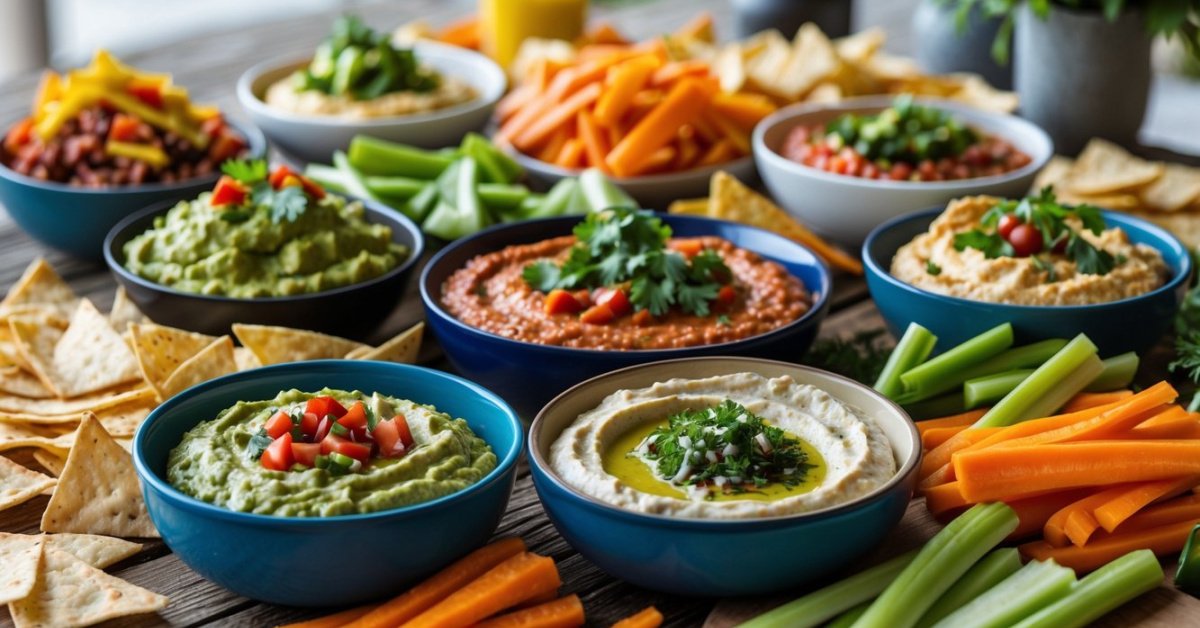
I’ve always loved a good dip at parties or movie nights but I used to stick to the classics. Then I discovered how beans can totally transform any dip into something richer and more satisfying. Beans add a creamy texture and a boost of protein that makes each bite feel a bit more substantial.
Now I find myself reaching for a can of beans whenever I want to whip up something quick and delicious. Whether it’s a casual get-together or just a snack for myself I know beans bring both flavor and nutrition to the table. If you’re curious about taking your dips to the next level you’re in for a treat.
The Benefits Of Incorporating Beans In Dips
Adding beans to dips brings out a creaminess that makes every bite feel richer. I like how navy beans, black beans, or pintos break down smooth and give dips a solid body without drowning the flavor. Folks at my Alabama gatherings always reach for the thickest, heartiest dips at the table.
Using beans in dip recipes boosts protein content. One cup of cooked black beans adds about 15 grams of protein, per USDA, which keeps folks satisfied longer at family get-togethers or tailgates. My favorite bean dips stick with people through the whole ballgame.
Beans also help dips feel more filling, which means folks get more snack for their dollar. I’ve found that adding garbanzos or cannellinis makes dips go a lot further at potlucks.
Whipping beans into dips adds a boost of nutrients, too. Black and kidney beans bring in fiber, iron, and potassium, according to the American Heart Association. That means folks can snack a bit healthier, even with a big bowl of chips on the side.
Swapping some beans into classic dip recipes lets me play with flavors and textures. Blended cannellinis smooth out spicy cheese dips while mashed pintos add depth to salsa. That variety keeps my friends and family coming back for more, bowl after bowl.
Popular Types Of Beans For Dips
Folks keep asking me which beans I turn to most for good dip flavor and a smooth, hearty texture. My years running a dip company taught me these types always get high marks at gatherings and potlucks.
Black Beans
Black beans pack dips with deep flavor and rich creaminess. I blend these into smoky black bean dips or southwestern-style spreads that stay crowd favorites. My favorite salsa-style black bean dip pairs canned black beans with roasted peppers, lime, and a touch of cumin. Per USDA nutrition data, cooked black beans offer about 15g protein and 15g fiber per cup, so they help make dips filling and satisfying while keeping the flavor front and center.
Chickpeas
Chickpeas, or garbanzo beans, sit at the heart of classic hummus and Mediterranean dips. These beans bring a mild taste and smooth, buttery finish when pureed. I whip up roasted garlic hummus or spicy harissa chickpea spreads for parties. Chickpeas also blend well with spinach, sun-dried tomatoes, or olives for added dimension. One cup of cooked chickpeas contains about 12g protein and 11g fiber, making any dip both hearty and healthy according to USDA stats.
White Beans
White beans, like cannellini or navy beans, give dips a light color and silky texture, letting other flavors shine through. I often use white beans for herby dips or as the base for roasted vegetable blends. For example, my lemon-basil white bean dip is a fresh favorite. White beans also blend creamy without overpowering bold ingredients—think artichoke or roasted red pepper. In every cup, white beans provide around 15g protein and over 11g fiber (USDA), so dips with these beans don’t just taste good, they last through a whole party spread.
Creative Ways To Incorporate Beans In Dips
I like finding fresh ways to get beans into my dips. The right approach turns everyday snacks into something folks remember. Here’s how I work beans into dip recipes that keep folks coming back for seconds.
Blending Beans For Creamy Textures
I blend cooked beans straight into my dips to get a thick and velvety base. Black beans, pinto beans, or cannellini beans all work—each one brings a different flavor and color. When I’m after a smooth dip for parties, I use a food processor. I combine one can of drained beans with about two tablespoons of olive oil and a splash of lemon juice. This simple method gives you a creamy texture fast and keeps the dip sturdy enough for chips or veggies—no watery mess. Sometimes I add a spoonful of Greek yogurt for extra silkiness.
Pairing Beans With Herbs And Spices
I pick out fresh or dried herbs and bold spices when pairing beans for the most flavor. Cilantro and jalapeño liven up black bean dips with a Tex-Mex kick. I use parsley, rosemary, or thyme when I want a lighter flavor with white beans or navy beans. Garlic and smoked paprika transform plain pinto beans and set off a smoky aroma folks notice at any gathering. When I’m feeling adventurous, I stir in cumin, coriander, or even curry powder—these spices lift up chickpeas and give classic dips like hummus a deeper taste. Anchoring the dip with a pinch of salt draws it all together, letting the beans and seasonings shine without getting muddled.
Flavor Combinations And Serving Ideas
Mixing up beans in dips gives me endless flavor combos. Growing up in Alabama and running my dip company, I’ve tried just about every mix you can think of. Here’s what I keep coming back to:
- Bold Southwest Pairings
I toss black beans and pinto beans with smoked paprika, cumin, jalapeños, lime juice, and cilantro. This brings out a smoky citrus kick that reminds me of Tex-Mex cookouts.
- Mediterranean Classics
For creamy hummus, I blend chickpeas with tahini, garlic, lemon, and extra-virgin olive oil. I like to stir in roasted red peppers or sun-dried tomatoes for extra depth.
- Southern Comfort Spins
Butter beans or white beans mashed up with roasted garlic, fresh rosemary, and a splash of apple cider vinegar make a dip that tastes perfect with BBQ or fried catfish. I sometimes fold in sharp cheddar or smoked sausage for home-style gatherings.
- Herb-Fresh Mixes
Cannellini beans go well with basil, parsley, and a squeeze of lemon. I serve this one chilled so it stays bright and fresh for summer potlucks.
Plenty of ways to serve these dips keep things interesting too.
- Tailgate-Ready Scoops
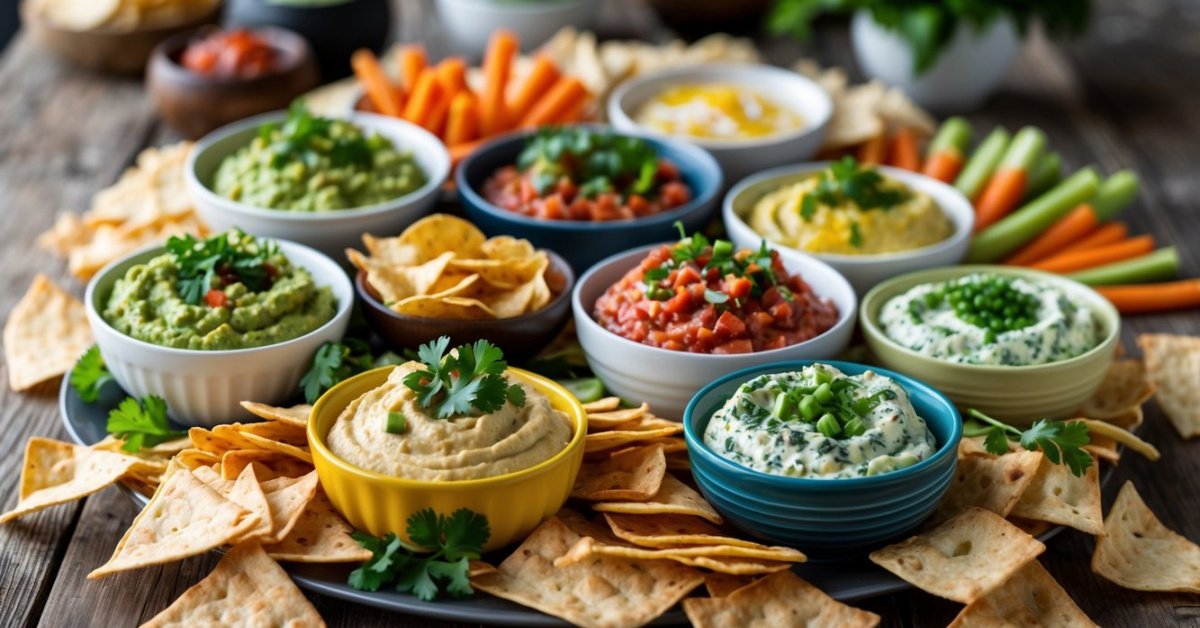
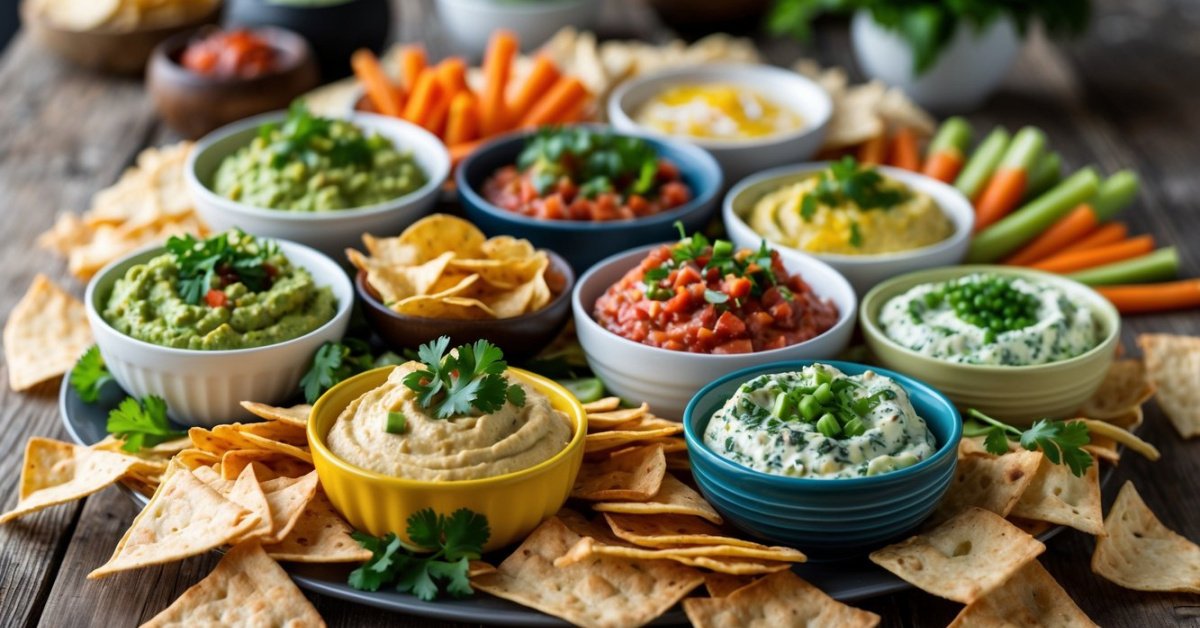
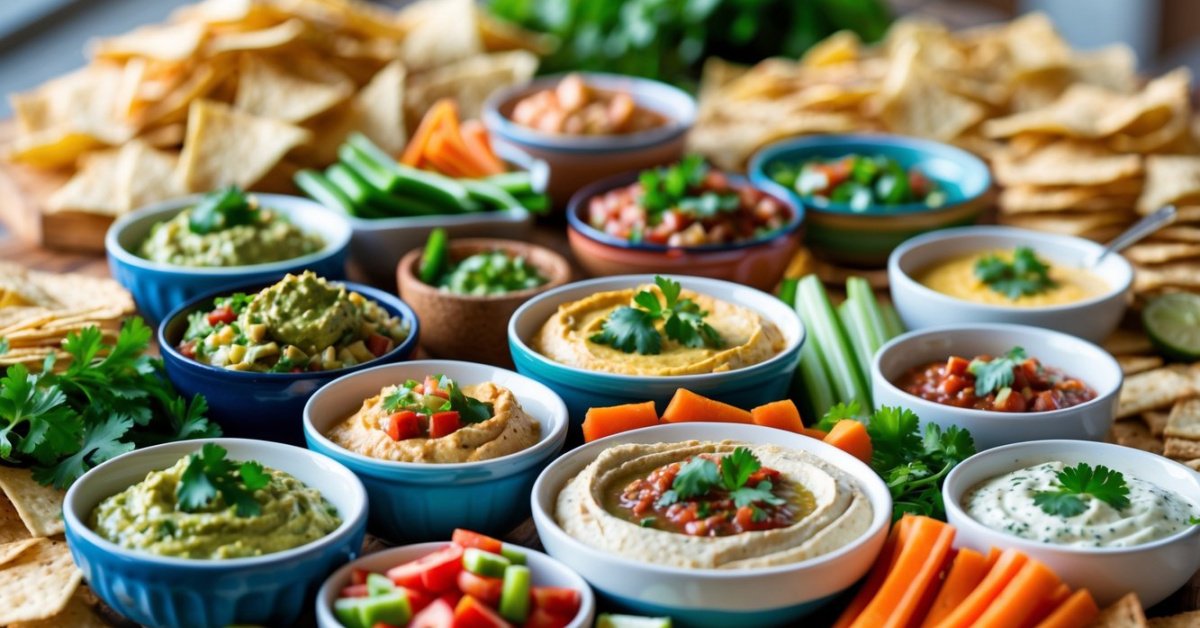
Thick bean dips hold up great with corn chips, pita wedges, or crispy tortillas. I pile them high for tailgates or backyard cookouts—no soggy chips in sight.
- Veggie Platters
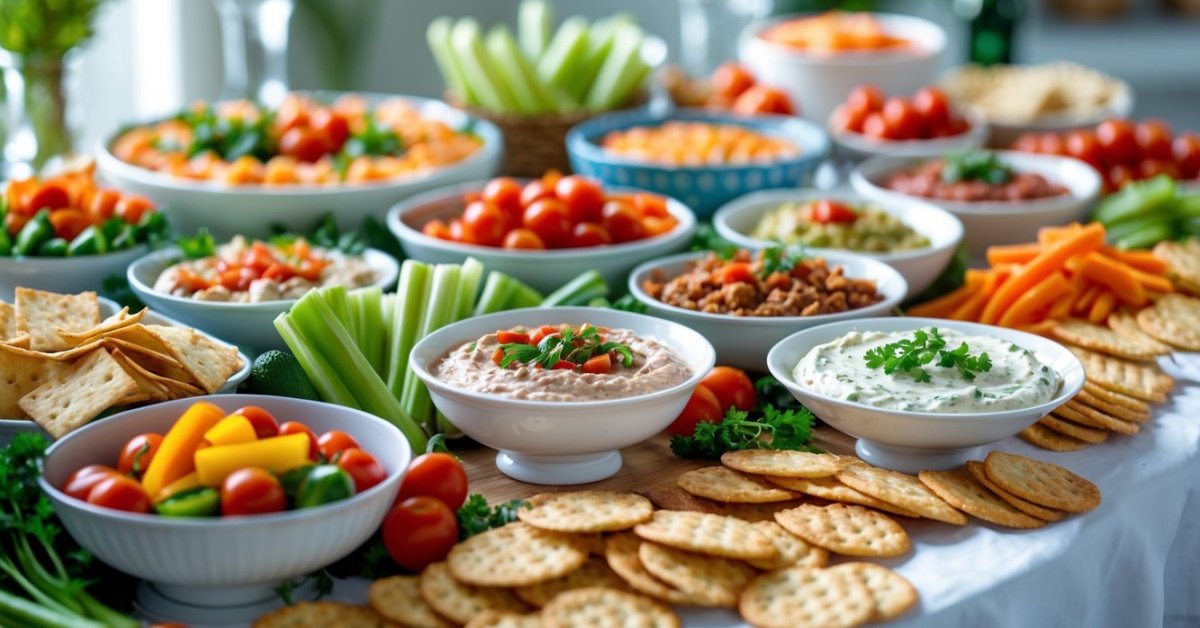
I set out dip bowls with carrots, celery sticks, cucumber slices, and bell pepper strips. Folks eat more veggies when the dip’s hearty and full of flavor.
- Mini Sandwiches
Bean dips spread easy on crostini or inside slider buns with grilled chicken or roasted veggies. I even like a big dollop on burgers.
- Breakfast Boosters
I scoop leftover black bean or white bean dip onto huevos rancheros and avocado toast. It packs protein into mornings for busy days.
My favorite combos come from mixing local Southern staples with bold global flavors. That’s how dips stay the star at my table, every single get-together.
Nutrition And Health Aspects
Beans bring a powerhouse of nutrition to any dip I whip up. They pack protein, with a cup of cooked black beans giving around 15 grams—plenty for keeping folks full through a game day or picnic. All the beans I use—navy, pinto, black, and chickpea—add fiber too. My bean dips usually have at least 6 grams of fiber per serving, which helps slow down snacking and supports digestion.
Iron and potassium come along for the ride when I make my dips bean-heavy. Navy beans and black beans both deliver close to 2–3 mg of iron per cup, helping keep energy up. I use white beans and pintos for a potassium boost—a cup carries over 700 mg—so they’re ideal in heart-healthy recipes.
When I’m cooking for folks with special diets, beans work for ‘em. They’re naturally gluten free, lower in fat than sour cream or cheese-based dips, and bring flavor without extra calories. For example, my chickpea hummus keeps cholesterol low, since there’s not a drop of animal fat in the mix.
Blending beans into a dip means I can cut out some mayo, sour cream, or heavy cheese, which lowers saturated fat but keeps the dip every bit as creamy. Folks looking for plant-based snacks or wanting to up their fiber get what they need from my bean dips. Every time I set out a tray at a party, I know I’m sharing something that doesn’t just taste good—it helps folks feel better too.
| Bean Type | Protein (g) | Fiber (g) | Iron (mg) | Potassium (mg) |
|---|---|---|---|---|
| Black Beans | 15 | 15 | 3 | 600 |
| Navy Beans | 15 | 19 | 2 | 700 |
| Pinto Beans | 15 | 15 | 2 | 700 |
| Chickpeas | 14 | 12 | 4 | 480 |
Conclusion
Experimenting with beans in my dips has opened up a whole new world of flavors and textures that I never expected. I love how versatile beans are—they work beautifully with bold spices and fresh herbs while adding a satisfying creaminess to every bite.
If you’re looking to shake up your snack routine or want a healthier option for your next gathering give beans a try in your dips. You might just find a new favorite that keeps everyone coming back for more.