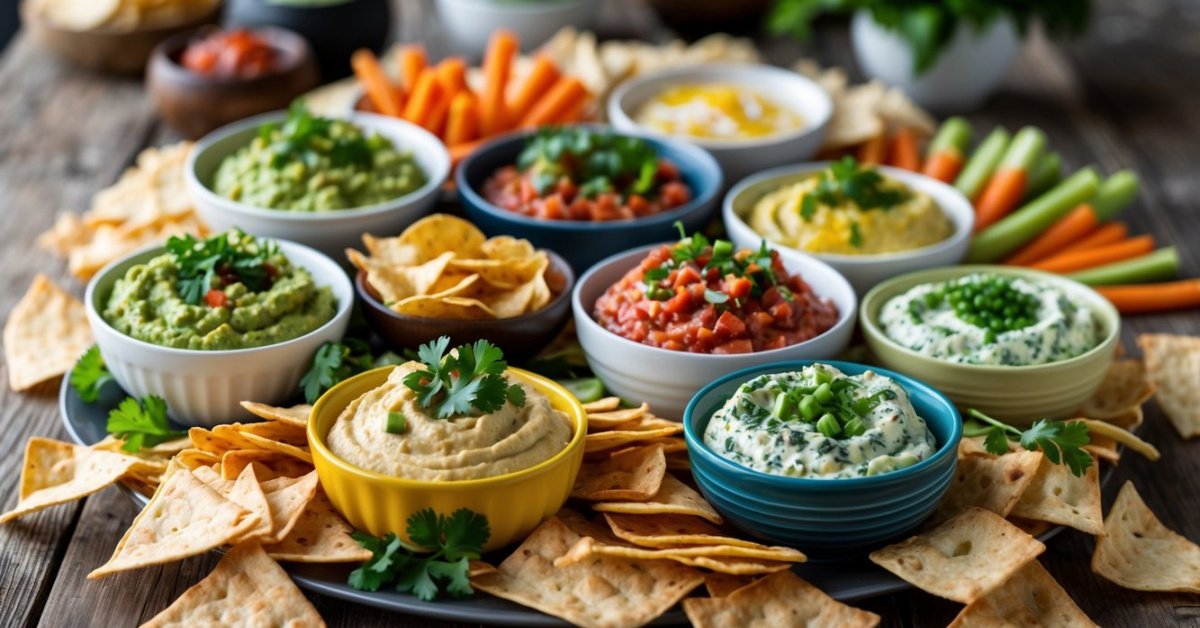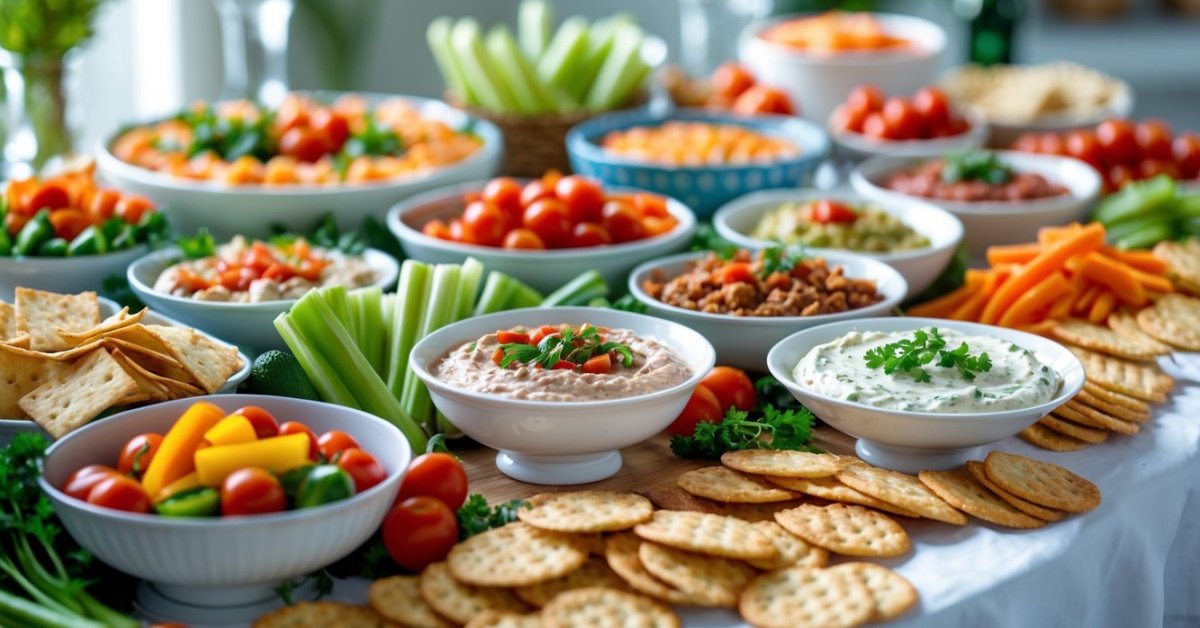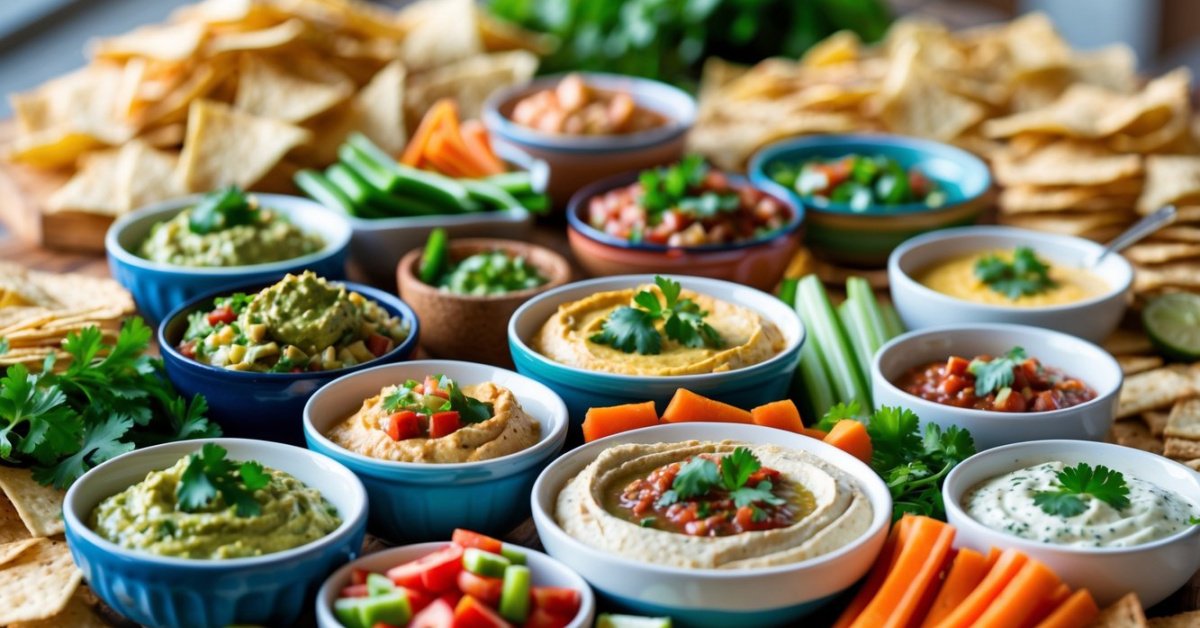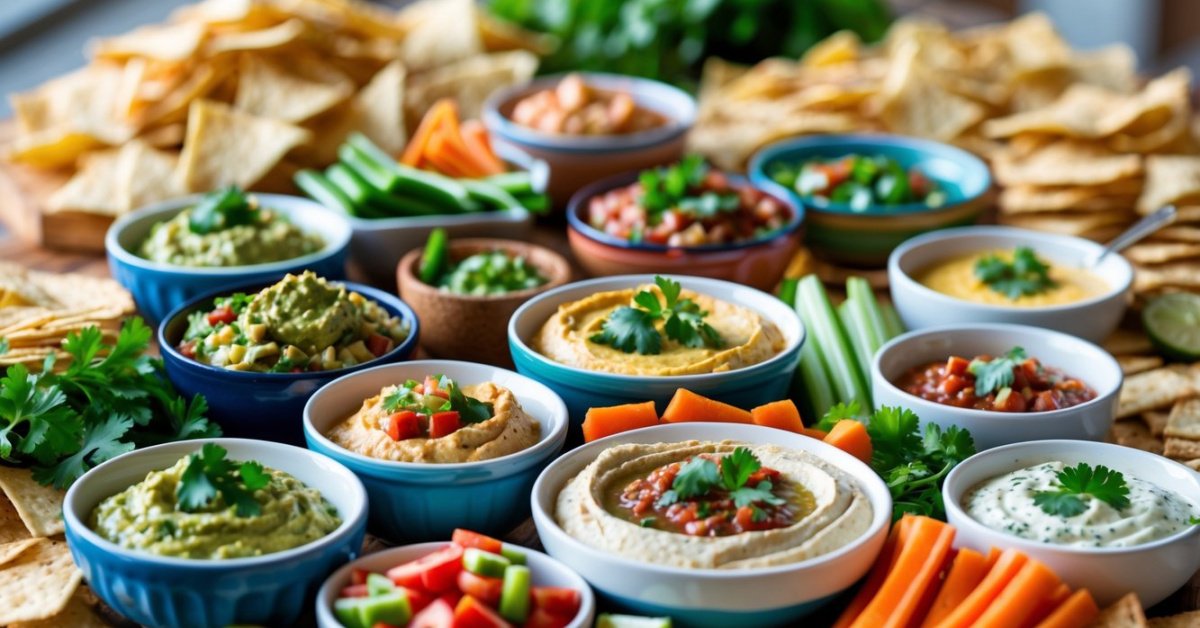
Whenever I whip up a homemade dip, I always face the same question—should I reach for fresh herbs or stick with the dried ones in my pantry? Both options promise a burst of flavor but they each bring something unique to the table. Sometimes I crave the brightness of fresh basil or cilantro. Other times, the earthy depth of dried oregano feels just right.
Choosing between fresh and dried herbs can totally change the taste and vibe of a dip. It’s not just about flavor either—texture, color, and even convenience come into play. I love experimenting to see which works best for my favorite recipes and I’ve discovered some surprising results along the way.
Understanding Fresh and Dried Herbs
Fresh herbs and dried herbs bring different qualities to every dip recipe. I use both types plenty, depending on the flavors I want and what’s right for the dip.
Key Differences Between Fresh and Dried Herbs
Fresh herbs pack more water and offer bright flavor in any creamy or chunky dip. I notice the color stays vibrant and the taste pops, especially with parsley, cilantro, or dill. Dried herbs, once packed and stored, deliver deeper, concentrated flavor because the water’s gone and the oils settle in. When making ranch, French onion, or Greek-style dips, dried herbs save me effort and keep well in my pantry for months.
Here’s a quick table showing some core differences:
| Feature | Fresh Herbs | Dried Herbs |
|---|---|---|
| Water content | High (parsley, basil, mint) | Low/none (thyme, oregano) |
| Flavor strength | Mild, bright (cilantro, chives) | Strong, earthy (sage, rosemary) |
| Shelf life | Short (days to a week, fridge) | Long (months, pantry) |
| Color | Bright green (fresh dips) | Muted green/brown |
| Usage amount | More needed (1:3 dried), larger leaves | Less needed, stronger flavor |
Popular Herbs Used in Dips
Parsley, chives, cilantro, basil, dill, and mint make up the most-used fresh herbs in my dips. Parsley and chives show up in classic ranch and green goddess, while cilantro runs through salsa and Southwest dips.
Oregano, thyme, rosemary, sage, dill weed, and tarragon work well dry. I use dried dill in ranch powder blends. Dried oregano and thyme help in Mediterranean white bean dips or in creamy feta spreads.
Mixing fresh and dried herbs changes any dip’s flavor and look. I pick what’ll fit the recipe, season, and what I’ve got in the kitchen.
Flavor Impact: Fresh Vs. Dried Herbs in Dips
Flavor shifts a dip from average to unforgettable. I’ve made thousands of dips using fresh and dried herbs, so I know how each choice changes the whole eatin’ experience.
Taste Profiles in Cold Dips
Fresh herbs in cold dips bring out crisp, lively flavors—think chopped parsley in ranch dip or bright cilantro in salsa. Dill, chives, and basil give fresh pops and keep the color looking real nice. I reach for fresh herbs when I want cooling, sharp notes, cause the water content in those leaves releases oils that wake things up quick. Cold dips like tzatziki and herby yogurt spreads always stay vibrant and punchy with the right fresh ingredients.
Dried herbs, like oregano or thyme, give cold dips deeper, earthier flavors. Those herbs concentrate as they dry, so just a small pinch carries bold taste. Mixing dried parsley or basil into a cold dip lets flavors mellow and blend slowly, but it doesn’t give the same burst or green tint fresh herbs do. If I need a dip that holds up in the fridge for days, dried herbs keep tasting solid without the herbs turning slimy.
Taste Profiles in Warm Dips
Fresh herbs in warm dips like spinach artichoke or hot crab dip add fragrance and a mild, grassy kick but lose a bit of their punch during heating. I stir fresh basil or chives in at the end, just before serving, so the bright aromas stick around. In cheesy baked dips, topping with fresh parsley or cilantro just before serving makes it look and taste extra inviting.
Dried herbs work great for warm dips that bake or bubble. Rosemary, sage, and oregano handle the heat, infusing each bite with deeper, heartier flavor. Since drying pulls out moisture, these herbs pack more flavor per spoonful. When I make baked onion dip or creamy Tuscan dip, dried Italian blends help the flavor develop slow and steady in the oven.
Flavor stands out more or blends smoother, depending on fresh or dried. I pick based on if I want bright and lively or deep and earthy, always aiming for the best bite in every scoop.
Preparing Dips With Fresh and Dried Herbs
I’ve spent years in the dip business down here in Alabama, and I always say: the right herbs make all the difference in a bowl of dip. Each batch gets its own character, whether I’m grabbing a handful of garden-fresh herbs or reaching for a trusty jar of dried ones. Folks ask me all the time how I get those bold flavors—so here’s how I make both kinds work.
Tips for Using Fresh Herbs in Dips
- Chop fine for even flavor. I always chop my parsley or cilantro real fine so you get a pop of green and bright taste in every bite.
- Add just before serving. Mixing in basil, dill, or chives at the end keeps dips like classic ranch or green goddess extra fresh and lively.
- Use larger amounts. Since fresh herbs like mint or tarragon carry more water and milder flavor, I triple the amount compared to dried.
- Pat dry to avoid watery dips. After rinsing basil or cilantro, I run ’em through a salad spinner or pat with a towel to keep the consistency just right.
Tips for Using Dried Herbs in Dips
- Rehydrate for smoother blends. When I use dried oregano or thyme, I mix ’em with a little warm water, sour cream, or yogurt before stirring into the dip. The flavors wake up fast this way.
- Use smaller amounts. Dried herbs pack a punch, so I stick to about one-third the amount I’d use fresh.
- Blend ahead to bloom flavors. I always let my onion dip or baked artichoke spread sit a bit—ten to fifteen minutes after adding dried herbs like rosemary, so the flavors mellow and meld.
- Store airtight for best taste. I keep my dried basil and chives in airtight jars, out of the light, so they don’t lose power before my next party batch.
Running my dip business taught me that playing around with herbs turns a good dip into a great one. I always reach for what brings the most Southern flavor to the table—whether it’s clipped from my backyard or scooped from the pantry.
Nutritional Value Comparison
Fresh herbs in dips give you more vitamins and minerals than dried ones, since they keep most of their nutrients after picking. Fresh parsley, cilantro, or basil—just to name three—bring solid amounts of vitamin K, vitamin C, and a little iron to your recipes. For example, 1 tablespoon of chopped fresh parsley packs about 62 mcg of vitamin K (USDA FoodData Central), which is over half your daily needs.
Dried herbs lose some nutrition while drying, especially vitamin C and certain B vitamins that break down with heat. Dried oregano, thyme, or sage still bring some calcium, potassium, and small amounts of antioxidants, but not as much vitamin content as fresh. Since dried herbs are more concentrated, they’ve got more fiber per spoonful, but most folks use them in smaller amounts, so their overall nutrition impact shrinks in recipes.
Here’s a quick comparison for folks who like numbers:
| Herb Type | Key Nutrients (per 1 Tbsp) | Notable Benefits | Changes With Processing |
|---|---|---|---|
| Fresh Parsley | 62 mcg Vit K, 5 mg Vit C | High Vit K, mild iron boost | Maximum nutrients when fresh |
| Dried Oregano | 30 mg Calcium, 1 mg Iron | Antioxidants, more fiber | Vitamin C drops with drying |
| Fresh Basil | 10 mcg Vit K, 1 mg Vit C | Bright flavor, some anti-oxidant | Loses C, keeps potassium |
| Dried Thyme | 38 mg Calcium, 1.2 g Fiber | Concentrated, some antioxidants | Potency, less vitamin C |
If you want every last bit of nutrition in your herby dips, I always go fresh when I can get my hands on it. If you’re after bold taste and long storage, dried herbs make sense, just expect less vitamin C and a little more punch per scoop. Every batch I whip up, I weigh taste and nutrition right next to convenience, aiming for southern flavor and a good-for-you kick.
Cost and Convenience Factors
I weigh cost and convenience every time I reach for fresh or dried herbs in my kitchen. Dried herbs almost always cost less ounce for ounce. I can buy a standard jar of dried oregano, basil, or parsley for $3-$5 at the grocery store, and it’ll last me for months of dip-making. Fresh herbs, like a bunch of cilantro or dill, run $2-$4 each, and I’m lucky if they stay crisp in my fridge for more than a week.
Availability plays a big part, too. I keep dried herbs ready in my pantry year-round. It’s handy when I’m prepping a big batch of game day dip and don’t feel like running to the store. Fresh herbs aren’t always easy to find, especially out of season. In Alabama, I’ve had summer basil from my garden—nothing better—but the rest of the year, I count on dried.
Storage makes a difference. Dried herbs need a cool cabinet and keep their flavor for six months or more. Fresh herbs take up more fridge space, wilt fast, and need careful wrapping or storing in a jar of water. If I’m making dips for a party or my old dip company, the dried ones give me less fuss and less waste.
Prep time matters when I’m busy. Dried herbs get measured and tossed in quick. Fresh herbs need rinsing, patting dry, trimming, and chopping. For a quick dip or a big batch, dried herbs cut down on work. But if I want that burst of color and fresh taste, I’m willing to put in the extra effort for fresh.
Here’s a side-by-side view from my experience:
| Herb Type | Average Cost (per oz.) | Shelf Life | Prep Work | Storage Needs | Availability |
|---|---|---|---|---|---|
| Fresh | $3-$5 | 1-2 weeks | High | Refrigeration | Seasonal/local |
| Dried | $1-$3 | 6-12 months | Low | Pantry/cool | Year-round/store |
I always look at the dip I’m making, what I’ve got stocked at home, and the amount of prep time I want to spend before I pick. Every batch and every kitchen is a little different, but balancing cost and convenience always gets me the best dip without breaking the bank or eating up my whole afternoon.
When to Choose Fresh or Dried Herbs for Dips
I pick fresh or dried herbs for dips depending on flavor, texture, and what I’m aiming for with each recipe. Fresh herbs give dips that pop of color and a garden-bright taste folks notice right away—think parsley in tzatziki or cilantro in salsa. Whenever I’m after a dip that looks lively and tastes clean, I reach for fresh herbs, especially if I’m serving it right after making it.
I use dried herbs when I want a deeper, more rounded flavor, or when the dip needs to sit before serving—like a baked spinach-artichoke or classic ranch that gets better after a few hours in the fridge. Dried herbs, like oregano or thyme, release their best flavors over time or with a little heat. If I’m prepping ahead or making big batches for parties, dried herbs save me effort and money.
I lean on fresh herbs if I have easy access, especially come summer when my garden’s full or store shelves are stocked. For those moments when I’m short on time, out of season, or working with a strict budget, dried herbs shine—they’re right there in my pantry, ready to sprinkle.
I always look at the type of dip—creamy, chunky, warm, or cold. Fresh basil or dill brightens up cold yogurt dips, while dried rosemary or marjoram stands up in hot, cheesy bakes. If I want both color and depth, like in my party pimento cheese, I use a mix—chopped fresh parsley for freshness and a pinch of dried thyme for background flavor.
Here’s a quick guide I use when deciding:
- Go fresh
When I want vibrant color and aroma in cold dips, or I’m garnishing just before serving.
When I’ve got plenty of time and access to good produce.
- Go dried
When I need strong, lasting flavor in warm or make-ahead dips.
When I’m keeping things low-cost or the pantry’s all I’ve got to work with.
I base my decision on what I want the dip to taste and look like, what herbs I’ve got on hand, and how much time I can spend putting it together. With the right herb choice, I always get that Alabama flavor folks keep coming back for.
Conclusion
Choosing between fresh and dried herbs for dips always keeps things interesting in my kitchen. I love how each option brings its own charm to the table and lets me play with flavors and colors depending on the season or what’s in my pantry.
No matter which I use I’ve found that taking a little time to think about the dip’s purpose and my own taste preferences always leads to the best results. Whether I’m reaching for a bunch of fresh parsley or a pinch of dried oregano I know I’m adding a personal touch that makes every dip memorable.