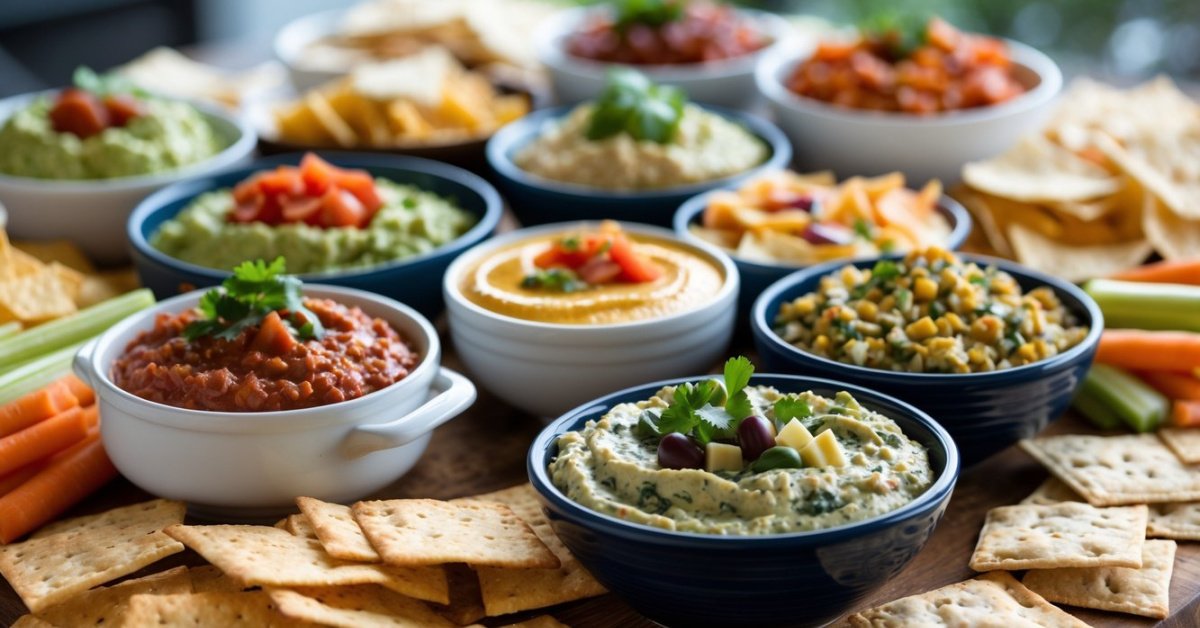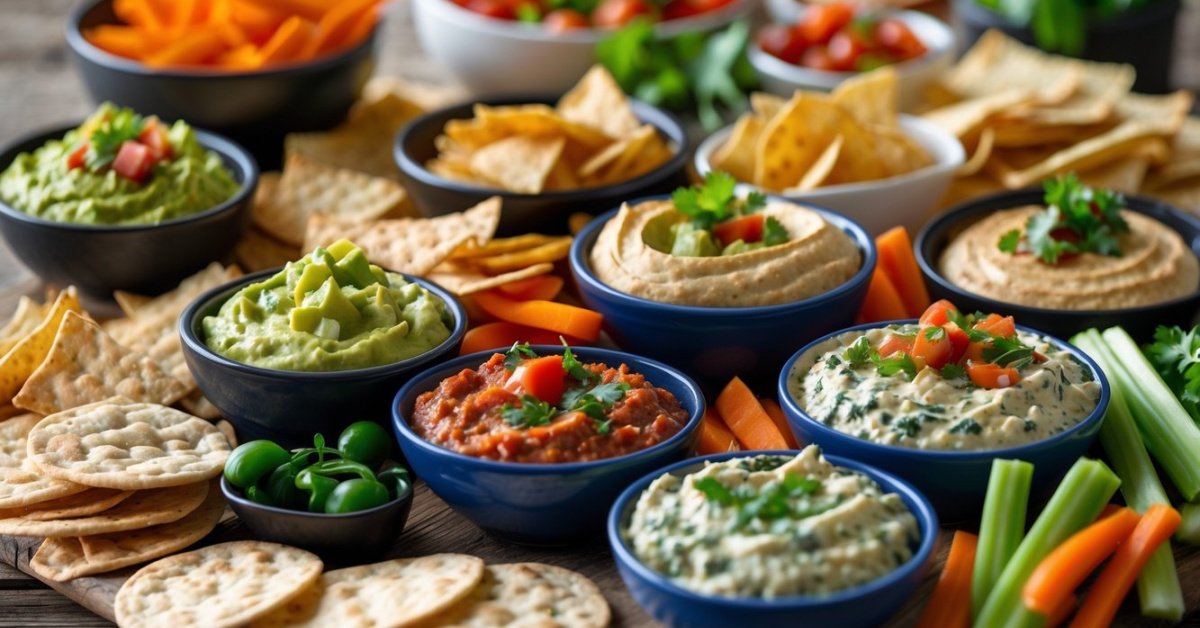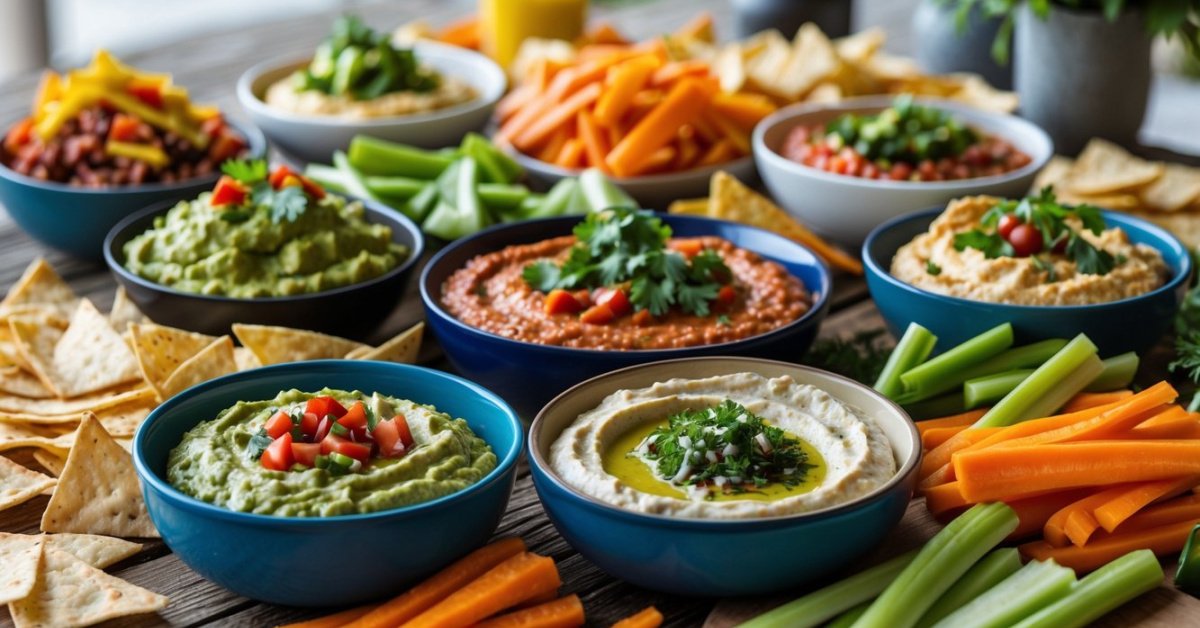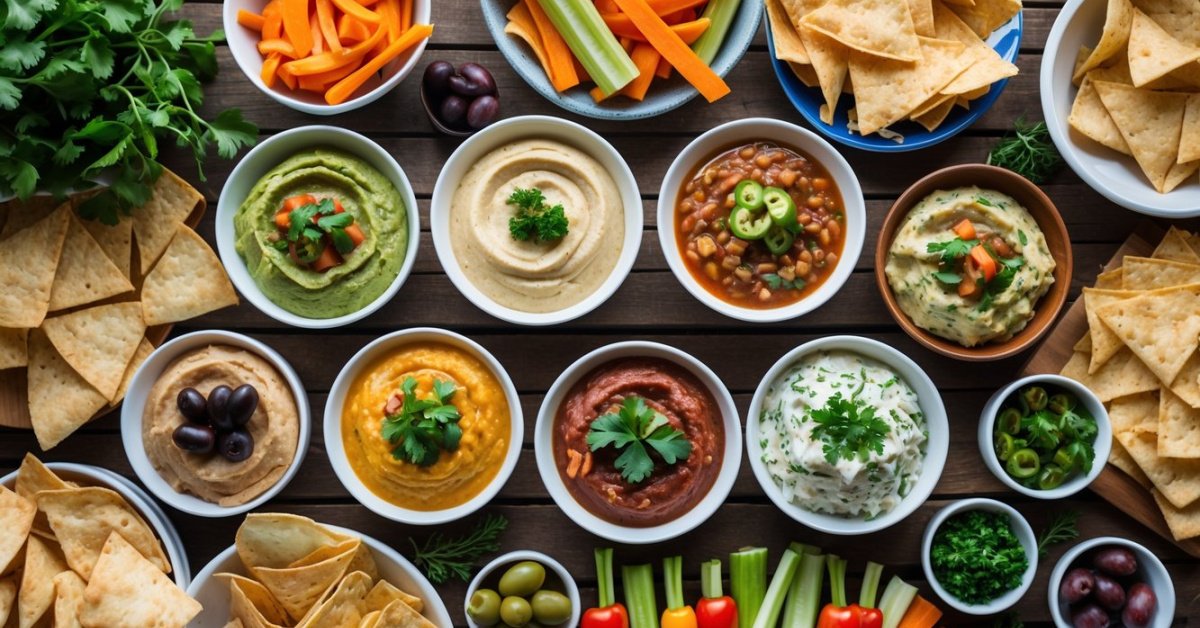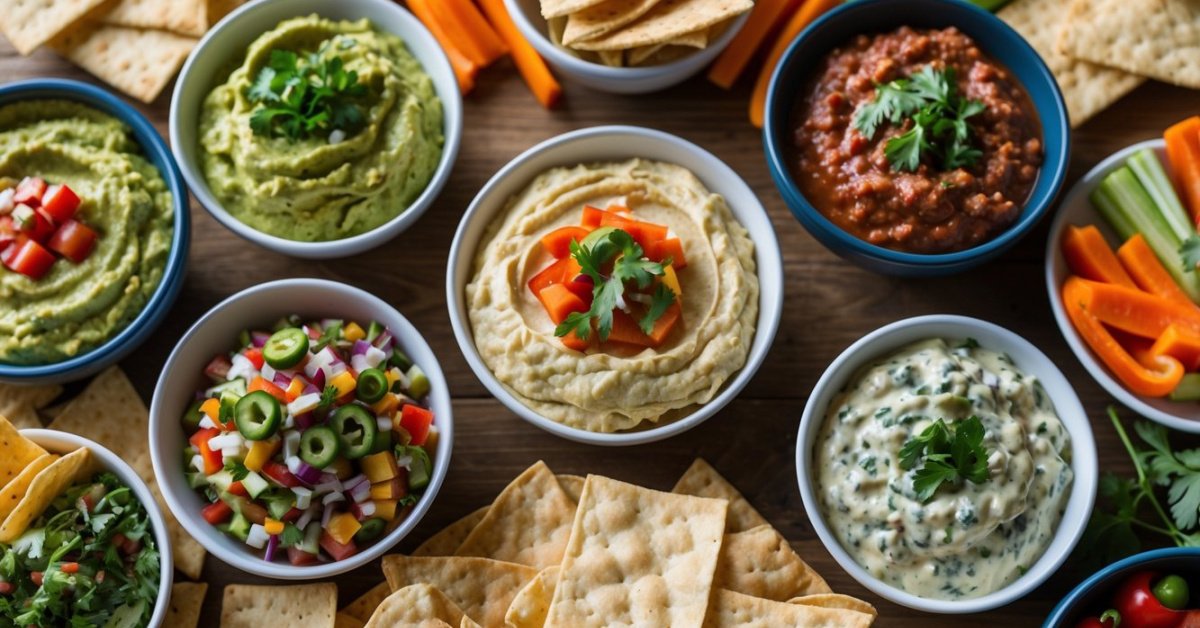
I love discovering new twists on classic recipes and beet hummus with lemon has become one of my favorites. The vibrant color alone makes it a showstopper at any gathering but it’s the bright flavors that really win me over. Beets bring a natural sweetness while fresh lemon adds a zesty kick that wakes up every bite.
Making this hummus is surprisingly simple and it’s a great way to add some extra veggies to my day. Whether I’m scooping it up with crunchy veggies or spreading it on toast I always find myself reaching for more. If you’re looking for a snack that’s as beautiful as it is delicious you’re in the right place.
What Is Beet Hummus with Lemon?
Beet hummus with lemon is a creamy dip that combines cooked beets, chickpeas, tahini, and a good squeeze of fresh lemon juice. This dip sets itself apart with a bright magenta color that always grabs attention at my table. The lemons add a tang that balances out the beets’ earthy sweetness, giving every bite a fresh, clean finish.
Every batch I make turns out smooth, packed with a touch of garlic and just enough salt. Folks after something colorful or a bit different than regular chickpea hummus enjoy this one. It’s at home next to crunchy carrot sticks, pita chips, or spread over sandwiches and wraps—a real multipurpose dip.
When I ran my dip business down in Alabama, folks came in looking for bold flavors. Beet hummus with lemon fit the bill, offering something light but still hearty. Using fresh ingredients gives it a taste you can’t get out of a plastic tub from the grocery store. This dip proves a good dip doesn’t have to be boring or the same old thing.
Key Ingredients and Nutritional Benefits
When I put together a batch of beet hummus with lemon, I go for flavor and boost in nutrition. Every ingredient works together to give this dip its deep color, bright zip, and good-for-you benefits.
The Role of Beets
Beets do the heavy lifting for color and nutrition in beet hummus with lemon. I roast or boil fresh beets till they’re fork-tender—this brings out their natural sweetness and gives the dip that bright magenta. Beets pack in fiber for digestion and folate to support the heart. I get antioxidants from the betalains in beets, which bring anti-inflammatory benefits (source: Cleveland Clinic). Iron, potassium, and a touch of vitamin C show up in each serving.
The Zesty Impact of Lemon
Lemon juice comes in to brighten every bite of beet hummus. I squeeze in fresh lemon to balance the earthiness of the beets and lift the flavors. Vitamin C from lemon helps the body absorb plant-based iron, and the citric acid gives this dip a fresh tang. Lemons keep the color sharp and the taste lively.
Additional Ingredients That Make a Difference
Tahini gives beet hummus with lemon its creamy texture and adds healthy fats plus plant-based protein. I reach for high-quality olive oil for that smooth finish and to round out the flavor. Chickpeas bring fiber, protein, and a mild taste that lets the beets and lemon shine. Fresh garlic adds another layer of flavor and gives some antibacterial power. A pinch of salt ties it all together.
| Ingredient | Key Benefit | Nutrient Standouts |
|---|---|---|
| Beets | Antioxidant and anti-inflammatory | Fiber, folate, betalains |
| Lemon | Boosts vitamin C and acidity | Vitamin C, citric acid |
| Tahini | Creaminess and healthy fats | Healthy fats, protein |
| Olive Oil | Smooth texture, heart-healthy | Monounsaturated fats |
| Chickpeas | Protein and fiber | Protein, fiber, iron |
| Garlic | Bold flavor and immune support | Allicin, vitamins B6, C |
| Salt | Brings flavors together | Sodium |
Taste and Texture Profile
I get a lot of questions about what beet hummus with lemon actually tastes like, especially from folks used to regular hummus. This dip brings a sweet earthiness from roasted beets—think of fresh beets pulled straight from Alabama mud—paired with a punch of bright, tart lemon. Every bite starts with that lemon zip and finishes mellow with the beets’ natural sweetness.
The texture comes out smooth and thick, almost like whipped cream cheese but with a silkier finish. If you’ve ever stirred a batch of classic chickpea hummus, you know that creamy body you get—beet hummus steps that up with just a touch of extra silk from the beets and olive oil. You can easily scoop big dollops onto pita chips or swipe through it with crunchy veggies like carrots and bell peppers.
Salt and tahini round it out so the earthy flavors don’t overpower. Garlic puts in a gentle kick without getting too fiery. I’ve served this dip at markets and watch folks go back for seconds. That’s because the lemon, beets, and chickpeas work together to make something light, fresh, and hearty all at once—that special dip texture that doesn’t fall apart but never feels heavy.
Every batch looks like a party too, with a deep magenta color that stands out on the snack table. I’ve found people get hooked on that first spoonful, surprised by the balance of flavors and the creamy, velvety texture. Nobody ever called it boring.
How to Serve Beet Hummus with Lemon
Beet hummus with lemon always grabs attention at my table, thanks to its color and bold tang. I like working this creamy spread into all sorts of snacks and meals.
Creative Serving Suggestions
- Plating
I spread beet hummus with lemon on a shallow bowl or wide plate, swirl it with the back of a spoon, then drizzle with a little extra olive oil. A sprinkle of sesame seeds or fresh chopped parsley looks sharp over the top.
- Vegetable Boards
I pile sliced cucumber, carrots, bell pepper, snap peas, and radishes next to the beet hummus. Roasted vegetables like cauliflower or beets fit right in. Every time, folks love scooping big dollops onto crisp veggies.
- Toast and Flatbreads
I slather beet hummus on toasted sourdough, rye, or pita, then top with greens, feta, or roasted chickpeas for real flavor. Mini naan or flatbread wedges disappear quick at parties when beet hummus is the dip.
- Appetizer Platters
I tuck beet hummus alongside marinated olives, pickled onions, stuffed grape leaves, and crackers for a mezze-style spread. That mix wins over anyone looking to try something new.
Pairing Ideas
- Cheese
I find creamy goat cheese, feta crumbles, or a mild ricotta works best paired with beet hummus. The saltiness and tang from the cheese brings extra punch to the earthy-sweet spread.
- Breads and Crackers
I go for seedy crackers, pita chips, crisp rye rounds, or warm baguette slices. The crunch gives a nice contrast to the smooth dip.
- Proteins
I serve beet hummus next to grilled chicken skewers, lamb meatballs, or slices of cold roast beef for something heartier. Lighter options like hard-boiled eggs fit right in, especially for a brunch setup.
- Beverages
I like pairing beet hummus appetizers with crisp white wines, dry rosé, or sparkling water with lemon. Iced mint tea or cucumber water keep things refreshing, especially in summer.
My favorite way is still loading beet hummus onto a plate and scooping it up with whatever I’ve got fresh in the kitchen. This dip’s just as happy on a fancy spread as it is next to everyday snacks.
Pros and Cons of Beet Hummus with Lemon
Pros
- Eye-catching color adds flair to any spread
That deep magenta hue from the beets draws folks in every time I set it out at a party or market booth.
- Lemon brings out the natural sweetness of beets
The zesty punch from fresh lemon lifts the earthy beet flavor, making every bite feel clean and lively.
- Nutritious ingredients pack a punch
Beet hummus with lemon uses whole chickpeas, roasted beets, real lemon juice, and tahini, giving you protein, fiber, vitamins, and healthy fats with each scoop.
- Versatility fits any occasion
I’ve served this dip with pita chips, veggie trays, sandwiches, and even as a colorful base for grain bowls—always gets smiles.
- Easy prep for home cooks
Once you’ve roasted or boiled the beets, everything blends together fast. You can make big batches ahead of time, which is handy for gatherings.
Cons
- Strong beet flavor not for everyone
Some folks at my markets would shy away from anything with beets, saying the earthy taste just wasn’t their favorite.
- Stains are common
That beautiful color can turn into purple marks if you don’t watch your counter, hands, or kitchen towels.
- Texture depends on prep
Sometimes home blenders don’t get the hummus as smooth as food processors, so you might notice a chunky batch now and then.
- Freshness fades after a few days
Since beet hummus with lemon uses fresh ingredients, it tastes best eaten within 3–4 days—wait too long and the flavors might dull.
- Unusual for classic hummus fans
People used to plain chickpea hummus sometimes balk at the vibrant color or sweeter profile at first glance or bite.
Conclusion
Whenever I whip up a batch of beet hummus with lemon I’m reminded of how a few fresh ingredients can create something truly special. I love how this dip brightens up my table and sparks curiosity from friends and family.
Whether you’re looking to impress guests or just treat yourself to a colorful snack this hummus always delivers a pop of flavor and a boost of nutrition. If you’re ready to try something new grab some beets and lemons and let your kitchen get a little brighter.