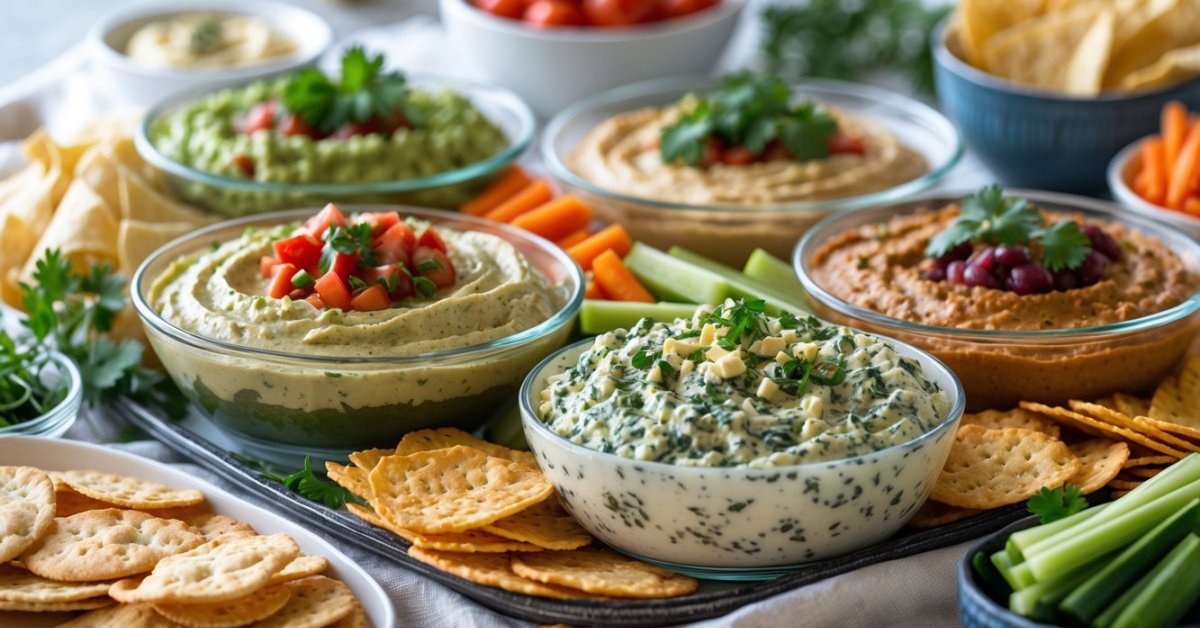
I can’t remember the first time I tasted guacamole but I do know it’s become a staple at nearly every party I attend. There’s just something about that creamy blend of avocados and zesty lime that draws everyone in no matter where they’re from.
It’s wild to think that what started as a humble Mexican dip now pops up on menus and in kitchens all over the world. Guacamole’s journey from local favorite to global sensation is full of flavor and a little bit of magic. I’ve always wondered how this simple dish captured so many hearts and taste buds across the globe.
The Origins of Guacamole
Guacamole started down in Mexico centuries ago, way before anybody ever threw a Super Bowl party. Folks from the Aztec empire mixed avocados with salt, sometimes tomato or lime, and mashed it by hand. Early recipes kept things real simple, just like dips I first learned to make back home in Alabama.
Avocados come native to southern Mexico, so that green fruit’s right at the heart of guacamole. The Aztecs called it “ahuacamolli”—that’s ahuacatl for avocado and molli for sauce. Spanish colonizers wrote about it in the 1500s, saying locals paired it with tortillas or ate it right out the bowl.
Traditional guacamole still sticks to a handful of ingredients—ripe avocado, sea salt, maybe chili, lime, onion, and cilantro. I like how every region in Mexico’s got their version. Some folks add chopped tomato, even pomegranate seeds in parts of central Mexico.
Guacamole didn’t travel much outside Mexico until way later. Once Americans got a taste in the 20th century, recipes started popping up in restaurants from California to Texas. Around the ’80s and ’90s, avocados became easier to find in the US and, before long, I was whipping up big batches for parties and dip shops all over.
If you look back at dip history, guacamole’s combination of fresh texture and bright flavor makes it stand out. Most dips from those days used sour cream, beans, or cheese—avocado brought something new to the table. Every time I mash up a batch, I think about how those old traditions set this dip apart, and why folks everywhere keep coming back for another scoop.
Traditional Roots in Mexican Cuisine
Guacamole’s story starts deep in the heart of Mexican homes and markets, long before folks started putting it on everything from burgers to toast. I’ve seen lots of dips in my time, but none with roots as sturdy as guacamole.
Key Ingredients and Preparation Methods
Avocados, onions, tomatoes, chiles, lime juice, and fresh cilantro make up traditional guacamole in Mexico. I use ripe Hass avocados, crushed with just enough salt to wake up the flavor. Chopped white onions add bite, diced tomatoes bring juiciness, and minced jalapeños or serranos give that signature gentle heat. Lime juice lifts everything, while chopped cilantro gives it a grassy freshness. Folks usually mash it all together with a molcajete, which is a stone mortar and pestle, or sometimes just a fork. In Mexican tradition, the dip’s texture stays chunky, letting the richness of avocado shine through.
Cultural Significance in Mexico
Guacamole holds real meaning in Mexican culture. Families pull it out for birthdays, weddings, and even just Sunday gatherings. Some regions swap in different chiles or herbs, but every celebration uses what’s freshest. The dip gets passed around with totopos (corn chips), spread on tortillas, or paired with grilled meats. It’s more than just a side—it’s a part of family tables and fiestas, showing pride in simple, honest ingredients. Guacamole’s traditional roots still set the stage whenever folks gather over good food and company.
Early International Exposure
Guacamole didn’t stay tucked away in Mexico forever. Folks outside Mexico got a taste, and that kicked off the journey to worldwide fame. My time making dips taught me one thing: word travels fast when something’s this fresh.
Introduction to the United States
Guacamole first picked up attention in the United States, especially around the 1920s. Texas and California restaurants started serving it at Mexican-themed gatherings and hotels, like the Biltmore in Los Angeles. Avocados came right from California groves, which helped local cooks and home dip fans jump on the trend. Cookbooks and food magazines from the 1940s featured guacamole as an “exotic” party dip, using everything from tortilla chips to celery sticks for dipping. I’ve seen vintage recipes call for lettuce or mayo, trying to suit American tastes.
Influence of Mexican Immigration
Mexican immigration played a leading role in bringing guacamole north. Families settling in border states kept recipes alive through neighborhood parties, taco stands, and restaurants. Mexican cooks in Texas, Arizona, and California made sure traditional guacamole reached American palates. By the 1960s, Mexican-owned businesses and food brands sparked wider curiosity and demand, putting fresh guacamole in front of new crowds everywhere from backyard cookouts to football parties. The love for real ingredients—ripe avocados, lime, cilantro—turned newcomers into lifelong fans, and I still base my own recipes on those old favorites.
Rise in Global Popularity
Guacamole started showing up far outside its hometown faster than a bowl empties at a party. Folks everywhere wanted that creamy, fresh taste, and pretty soon you couldn’t go to a potluck or game day spread without seeing it front and center.
Impact of Avocado Marketing Campaigns
Avocado marketing campaigns helped guacamole catch on worldwide. California Avocado Commission folks ran big ads in the 1980s and 1990s, showing avocados as perfect for health and taste. Super Bowl season always brings huge avocado sales, thanks to spots linking guacamole to game day snacks. Import changes in the late 1990s let Hass avocados from Mexico fill US grocery stores, so avocados became cheaper and always in stock. These marketing pushes made avocados—and guacamole—a must-have dip just about everywhere.
Role of Media and Pop Culture
Media and pop culture turned guacamole into a household name. TV shows like “Friends” and movies like “Along Came Polly” featured guacamole scenes at parties, making the dip look cool and fun. Food Network chefs started mixing guacamole on air, tossing in twists or sticking to the classic—either way, viewers remembered. Social media blew the doors open, with folks posting guac pics and even viral videos of avocado hacks. When celebrities like Tom Brady and Chrissy Teigen rave about guacamole, suddenly everyone’s adding it to their game day tables. Every dip roundup article and recipe blog gives it a top spot, and as a dip man myself, it’s easy to see why people the world over crave that green goodness.
Guacamole in the Modern Culinary Scene
Folks all over can spot a bowl of guacamole at a party these days. I’ve seen guacamole become a regular star at tables far from its Mexican roots, thanks to all the new twists and its spot on menus everywhere.
Adaptations and Fusion Recipes
Guacamole’s modern scene shows off more than just mashed avocado, lime, and salt. Home cooks and chefs add extras—think bacon, feta, corn, mango, or sriracha—to match their local flavors or shake up the classic. Popular spins include southwestern guac with roasted corn and black beans, Mediterranean-style guac with olives and fresh herbs, and my own Alabama-style with a spoonful of smoked paprika and pickled okra. Plant-based taco shops roll out guacamole to-go bowls tossed with kale or pomegranate seeds. Sushi bars even blend avocado and wasabi for a fusion dip. Fusion recipes let folks put their own stamp on it, while still leaning into that creamy, bright flavor everyone loves.
Presence in Restaurants and Food Chains Worldwide
Guacamole holds a steady spot in chains and independent joints across the globe. Mexican restaurants, fast-casual spots like Chipotle and Qdoba, and burger shops offer fresh-made guac as a premium side or topping. In 2023, nearly 60% of US fast-casual menus listed guacamole, according to MenuTrends. Internationally, pubs in London, cafes in Sydney, and food halls in Tokyo serve guacamole with local breads or fried snacks. Upscale chefs create small-plate guacamole flights or custom tableside versions mixed to order. I’ve seen guacamole join breakfast menus too, topping toast, eggs, or hash—proof the dip adapts to almost any meal or crowd.
The Economic and Environmental Impact
Every time I mash up a bowl of guacamole, I notice I’m part of something bigger these days. Avocados are everywhere, driving up business and stirring up talk about how folks are growing ’em.
Global Demand for Avocados
Worldwide demand for avocados keeps growing, and guacamole’s a big reason why. In 2023, global avocado exports reached over 2.9 million metric tons, with Mexico providing around 45% of that, according to the USDA. Big game days, parties, and gatherings push stores here in Alabama and all over the States to stock up extra avocados each season. Restaurant chains—examples like Chipotle and Taco Bell—move so much guacamole now, they’ve turned avocados into a year-round best-seller. Prices swing up around Cinco de Mayo and Super Bowl weekend when folks really dig into their homemade dips. My old dip company got most of our avocados from Mexico, especially from Michoacán. I tasted differences across harvests—warmer, sunnier years made creamier fruit.
| Year | Global Avocado Exports (million metric tons) | Mexico’s Share (%) |
|---|---|---|
| 2020 | 2.5 | 40 |
| 2021 | 2.7 | 42 |
| 2023 | 2.9 | 45 |
Sustainability Challenges
Big appetite for guacamole brings big sustainability headaches for avocado farming. Large-scale farming operations—examples in Michoacán, Jalisco, and Peru—clear out forest land to plant new trees. The World Wildlife Fund reports that nearly 20,000 hectares of Mexican forest vanished between 2001 and 2017, mostly from avocado expansion. Avocado trees drink a lot; one tree needs about 70 liters of water a day during peak season. This puts pressure on local water supplies, especially in dry areas or in drought years. Small family farms can get crowded out of the market as new industrial growers move in—not much room for a backyard operation. My business chose local and smaller-farm avocados when we could, keeping an eye on where and how they were grown. More customers ask about organic and fair-trade avocados now, so some growers adopt eco-friendly practices—mulching, shaded planting, and better pest control methods. Folks who love a good homemade dip are starting to ask about where these buttery avocados come from, right along with fiesta favorites like salsa and queso.
Conclusion
Guacamole’s journey from ancient Aztec kitchens to tables around the world still amazes me. There’s something magical about how a handful of fresh ingredients can bring people together no matter where they are.
Every time I scoop up a bite I’m reminded that food has the power to connect cultures and spark joy. Whether you stick to tradition or add your own twist guacamole is proof that simple pleasures can have a truly global reach.