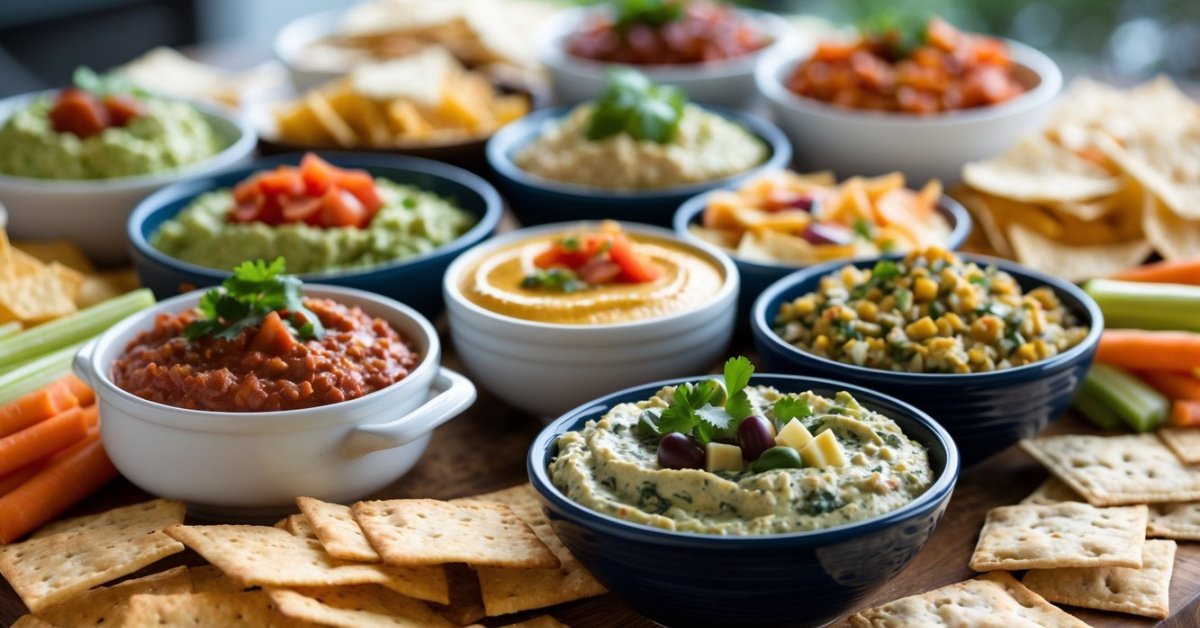
Whenever I think about Mediterranean cuisine one dish always makes my mouth water—taramasalata. This creamy dip brings together simple ingredients in a way that feels both comforting and a little bit fancy. I love how its delicate flavors instantly transport me to a sunny seaside table with good friends and plenty of laughter.
Taramasalata isn’t just another appetizer—it’s a celebration of tradition and taste. With its signature pink hue and silky texture this dip has earned a spot at gatherings big and small. I can’t wait to share what makes taramasalata so special and how you can enjoy it at home.
What Is Mediterranean Taramasalata?
Mediterranean taramasalata is a creamy dip that gets its flavor from cured fish roe like carp or cod. Folks across Greece, Turkey, and Cyprus serve it up as part of their spreads. I always mix in bread or potatoes for that thick, smooth base, then blend in lemon juice, olive oil, and grated onion for extra punch. Everything comes together as a light pink dip that looks just right on a mezze table. At my old dip shop, taramasalata pulled in anyone after the real taste of the Mediterranean—fresh, briny, and rich, all in one bite. This dip shows up at big gatherings and family suppers, always drawing folks back for seconds.
Key Ingredients and Traditional Preparation
When I want a dip that’s got bright, briny goodness, Mediterranean taramasalata always hits the spot. This classic gets its kick from a handful of honest, simple flavors coming together in just the right way. Here’s how I break down what goes in and what makes it authentic.
Types of Roe Used
Fish roe sits at the heart of every good taramasalata recipe. I use salted and cured roe from carp or cod most times. Greeks lean toward white or red tarama, while in Turkey and Cyprus, you’ll see everything from mullet to other local fish. I always check that the roe’s fresh and not overloaded with coloring or fillers—clean, salty roe brings out the dip’s signature flavor and that pale pink pop you see in every bowl.
Accompanying Ingredients and Flavors
Bread or sometimes boiled potatoes help build the base and thicken things up. Old-school recipes use day-old white bread—crusts off, soaked and squeezed dry before mixing. I like throwing in good Greek olive oil, fresh lemon juice for tang, and grated onion for a sweet bite. A sprinkle of black pepper and just a pinch of garlic bring extra kick, but I keep the balance so the roe still shines. Every batch comes together using a food processor or with a big wooden pestle, blending until it gets creamy and smooth. I finish the bowl with an extra swirl of olive oil and a hit of fresh parsley or dill if I feel fancy.
Taste and Texture: A Sensory Experience
A bite of Mediterranean taramasalata pops with layers of flavor that folks don’t forget. Salted fish roe lays the first punch—briny, savory with a touch of the sea, like the best caviar but creamier. Tangy lemon juice cuts through, giving it a fresh snap, then a good olive oil brings out a mellow finish. Subtle sweetness from onions and the soft, soaked bread keep it smooth-talking instead of sharp. Every spoonful hits rich, bold, and bright without being heavy.
Texture’s where taramasalata shows off. A classic batch blends creamy with a little body—you can almost feel the whipped bread or potato smoothing the edges but leaving a spread that still holds shape on pita or veggie sticks. It glides across the tongue, never gluey or gritty. Folks rave about that silky feel with tiny pops of roe if I leave them in. It’s lush, spreadable, and firm enough for any dipper.
Taramasalata stands out at any table because it gives you that balanced, Mediterranean tang and smooth texture all at once. Great dips always do—they speak to the senses, and this one shouts “fresh, sharp, and creamy” in every bite.
How Mediterranean Taramasalata Is Served
When I’m setting out a spread with taramasalata, I treat it like the star it is—creamy with punchy flavor, always drawing a crowd. This classic Mediterranean dip holds up just right with a bunch of simple accompaniments that bring out its best.
Serving Suggestions
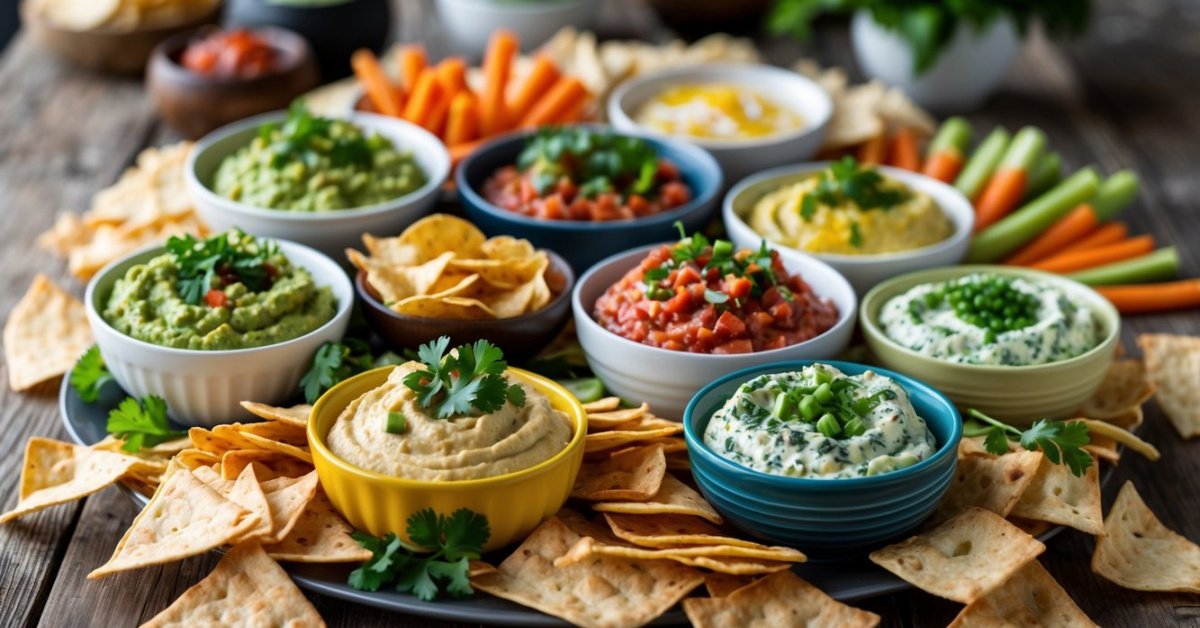
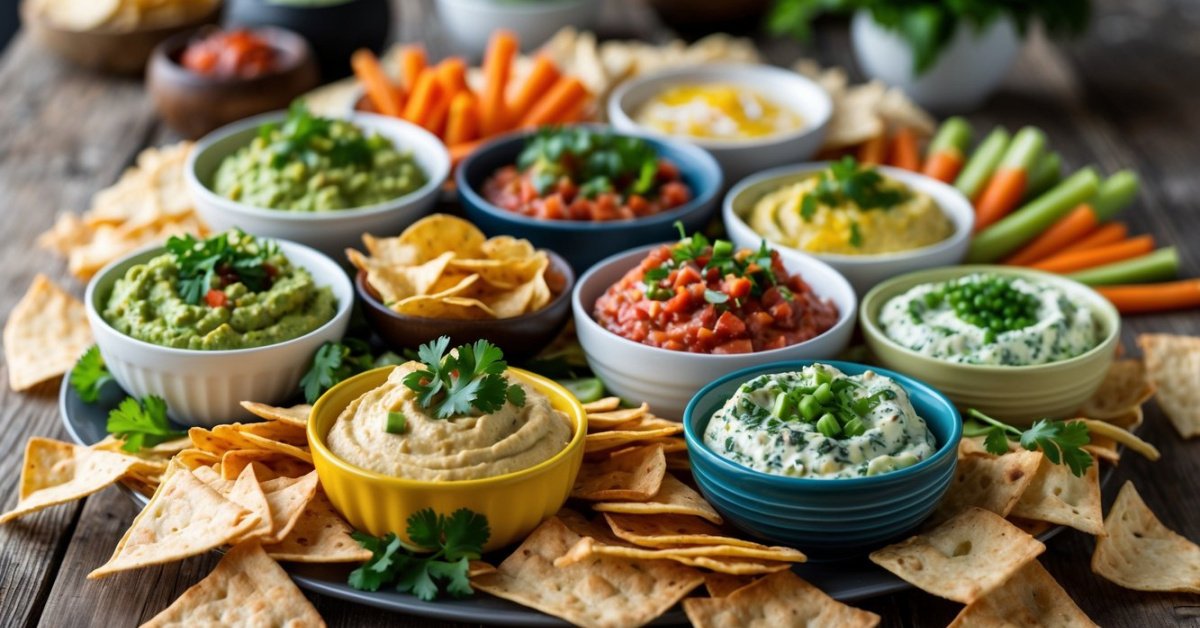
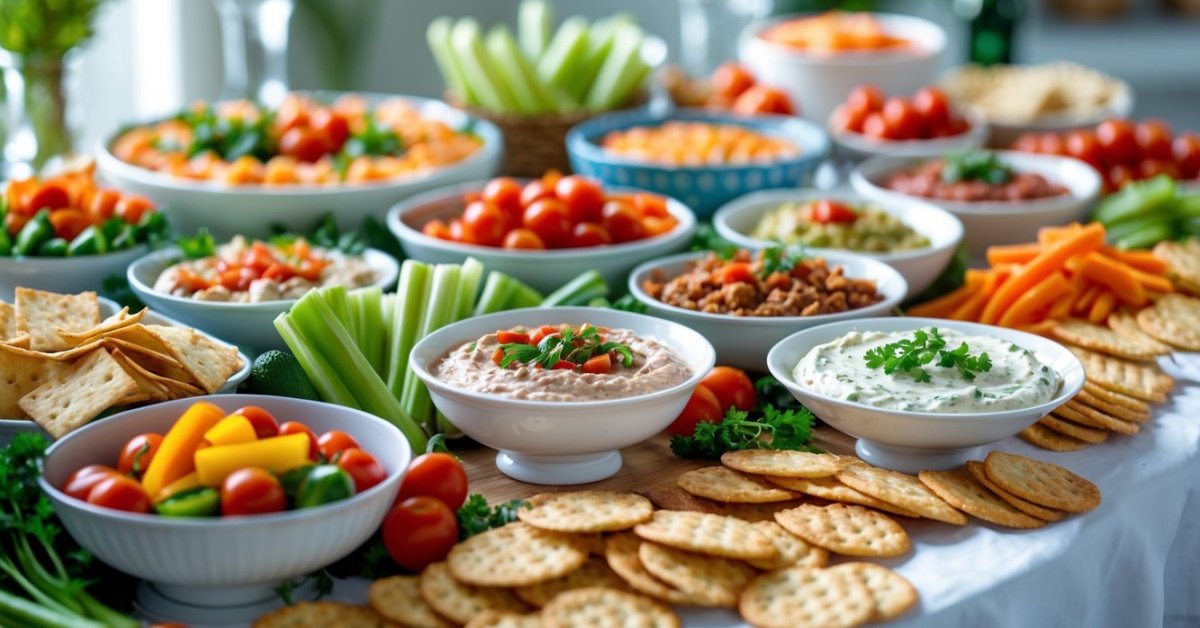
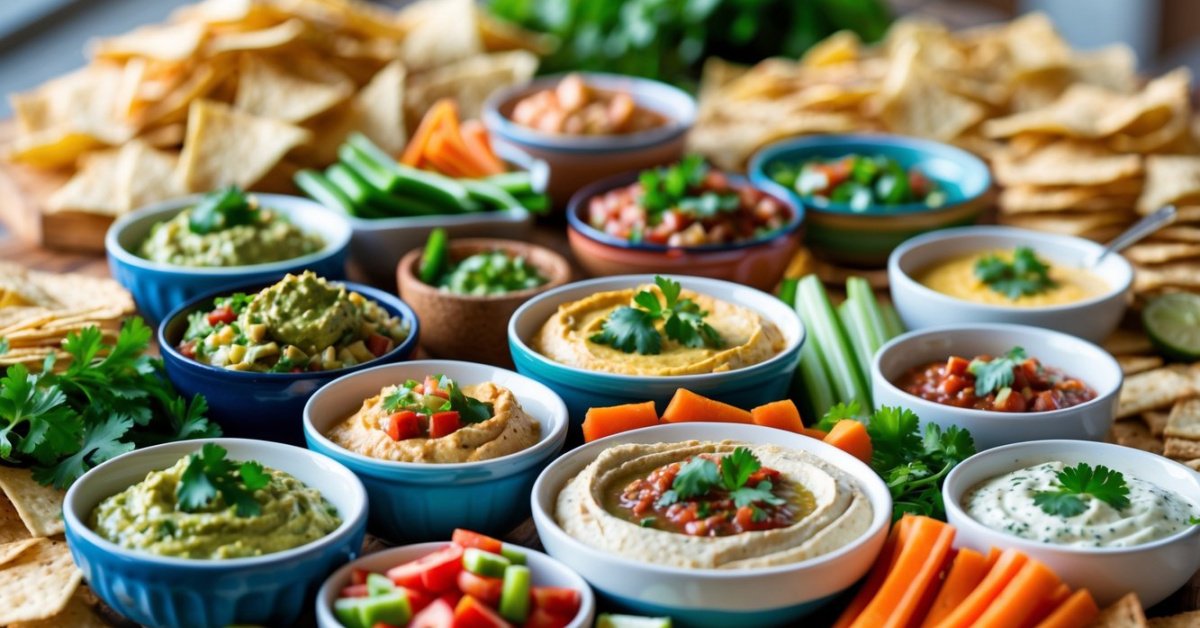
Spreading taramasalata on the table, I go for a big, shallow bowl. It looks good with a swirl on top, then I finish it with a drizzle of olive oil for shine. Chopped fresh herbs—think parsley or dill—give color and a fresh bite. Folks scoop it up with wedges of warm pita bread, crunchy breadsticks, or even thick-cut potato chips. At big gatherings, I like offering sliced cucumbers, sweet bell pepper sticks, or radishes on the side, giving folks plenty of ways to enjoy that creamy dip. It fits right in at a mezze platter or even as a snack while the grill gets hot.
Popular Pairings
Taramasalata, for me, always tastes brighter with the right friends on the platter. Salty Kalamata olives, juicy cherry tomatoes, and roasted peppers go beautifully alongside. Grilled shrimp, grilled octopus pieces, or cold poached shrimp balance out its briny kick, if you’re feeling fancy. Pour a crisp white wine like a Greek Assyrtiko or even an ice-cold beer, and the taramasalata just shines. When the bowl hits the table with these, nobody skips the dip.
Health Benefits and Nutritional Value
I find Mediterranean taramasalata gives you a good bit of nutrition along with its creamy taste. That cured fish roe packs in protein, which helps you feel full and gives you fuel for your day. On top of that, I get healthy omega-3 fatty acids every time I scoop up this dip. That’s the same good fat you find in salmon or sardines, known for keeping my heart ticking and helping with brainpower too (NIH).
I always use Greek extra virgin olive oil, so every bite brings in some heart-healthy monounsaturated fats. That’s the oil folks talk about in the Mediterranean diet, and it’s known for lowering LDL cholesterol. I squeeze in fresh lemon juice for vitamin C, tossing in a little bit of immune support and brightness.
Check out the nutrition in a typical Mediterranean taramasalata (per 2-tablespoon serving):
| Nutrient | Average Amount | Source (example) |
|---|---|---|
| Calories | 90 kcal | Cured fish roe, olive oil, bread |
| Protein | 3 g | Fish roe |
| Fat | 7 g | Olive oil, fish roe |
| Omega-3s | 400 mg | Fish roe |
| Carbs | 5 g | Bread or potato base |
| Sodium | 250 mg | Salt-cured roe |
| Vitamin C | 2 mg | Lemon juice |
I watch the sodium in my taramasalata, since cured roe brings salt to the party. Folks watching salt might eat it in smaller batches or choose lower-sodium bread. Even with that, a couple spoonfuls bring bold flavor, good fats, and solid nutrition.
Taramasalata lets me treat family and guests to a dip that’s both tasty and nourishing, stacking those classic Mediterranean benefits in a creamy, briny bowl.
Where to Find or Make Authentic Mediterranean Taramasalata
Finding good Mediterranean taramasalata takes a little digging, but you’re in for a treat once you know where to look. I’ve tasted versions across the globe, but the heart and soul of this creamy dip still shine brightest in spots that use top-notch roe and time-honored tricks.
Notable Brands and Restaurants
Greek grocery stores carry authentic taramasalata, with Carp Roe Co. and Krinos standing out for creamy jars in US markets. In New York, I head for Astoria’s Titan Foods—folks travel miles for their deli-fresh tarama. On the West Coast, Opa! in San Francisco serves a house-made version loaded with lemon and olive oil. In Chicago, Artopolis highlights pure cod roe and serves it with grilled bread. Dozens of Mediterranean restaurants—like Molyvos in Manhattan, Kokkari in San Francisco, and Estiatorio Milos in Miami—keep taramasalata true with traditional methods and high-quality roe. Top grocery chains sometimes stock it in specialty sections, but nothing beats tasting it straight from a mezze platter at a Mediterranean tavern.
| Location/Brand | City/Market | Style/Notes |
|---|---|---|
| Carp Roe Co. | US, various | Creamy, reliable store jar |
| Krinos | US specialty | Authentic jar, Greek import |
| Titan Foods | New York, NY | Deli-fresh, best in Astoria |
| Opa! | San Francisco | House-made, lemony, olive oil |
| Artopolis | Chicago, IL | Pure cod roe, grilled bread |
| Molyvos | Manhattan, NY | Traditional Greek table service |
| Kokkari | San Francisco | Homemade, robust with olive oil |
| Estiatorio Milos | Miami, FL | Classic Mediterranean presentation |
Homemade Preparation Tips
Making taramasalata at home gets you the freshest flavor, and it’s what I always recommend. I use good quality salted carp or cod roe—import shops and online stores carry the real deal. For the base, day-old white bread works like a charm, though some folks swear by boiled potatoes. I soak the bread in water, squeeze it dry, and blitz it in a blender with roe, fresh lemon juice, a hit of grated onion, and top-grade olive oil. For a smoother dip, drizzle in the oil slow and steady, just like making mayonnaise. Taste as you go—every batch of roe’s a little different, so sometimes I add more lemon, sometimes a pinch of white pepper. Always garnish with fresh dill or flat-leaf parsley for a pop of color. If the dip’s too thick, a splash of water or milk thins it down. It comes together fast, and the flavor’s better than anything off the shelf. Folks new to Mediterranean dips can experiment by adding a clove of garlic or a spoonful of Greek yogurt for a mellow twist.
Finding and making Mediterranean taramasalata isn’t hard once you know these key steps and where to dig in.
Conclusion
Taramasalata always brings a special touch to my table and never fails to impress guests with its vibrant color and rich flavor. I love how just a few simple ingredients can create something so memorable and full of character.
If you haven’t tried making your own yet give it a go and let your creativity guide you. Whether you serve it at a lively party or a quiet dinner at home this Mediterranean classic is sure to become a favorite.