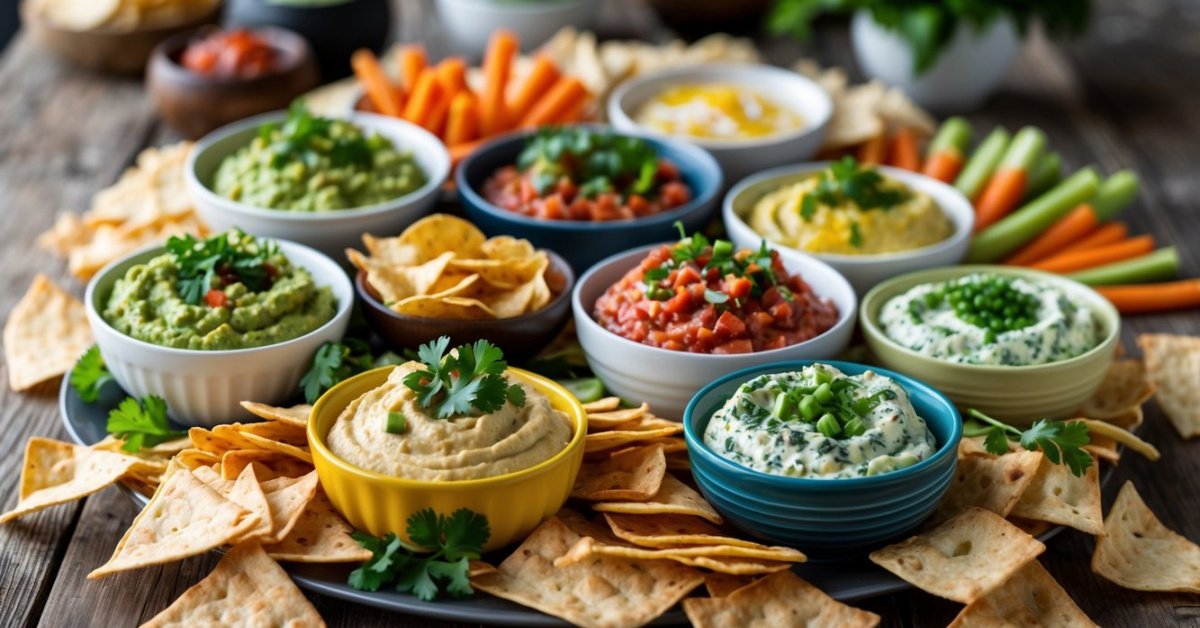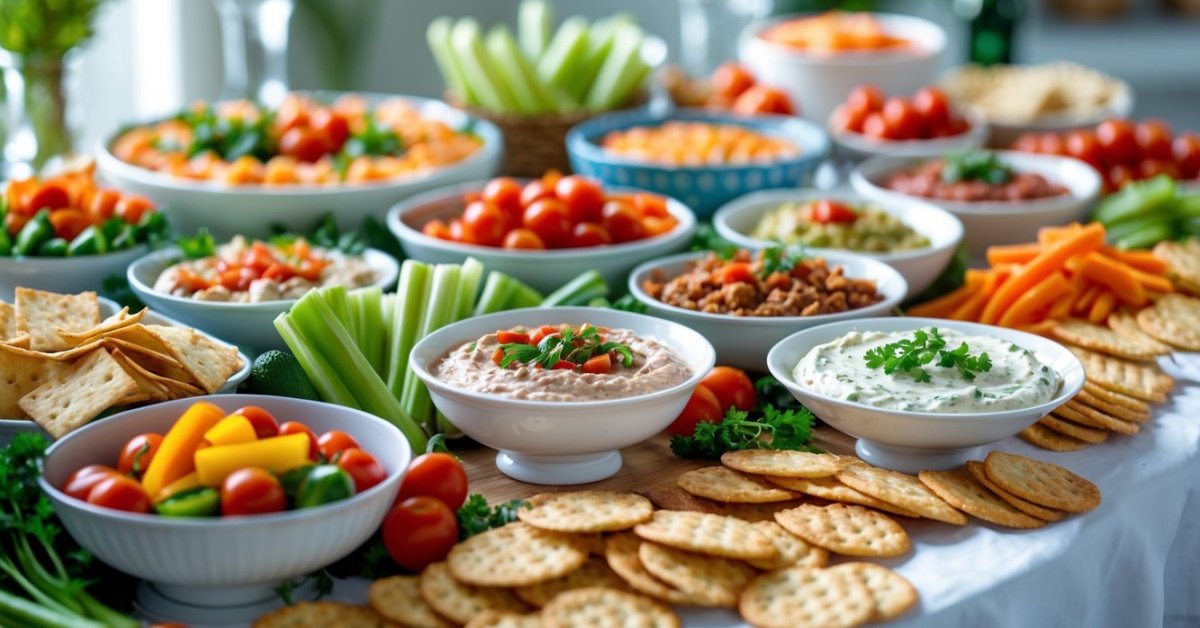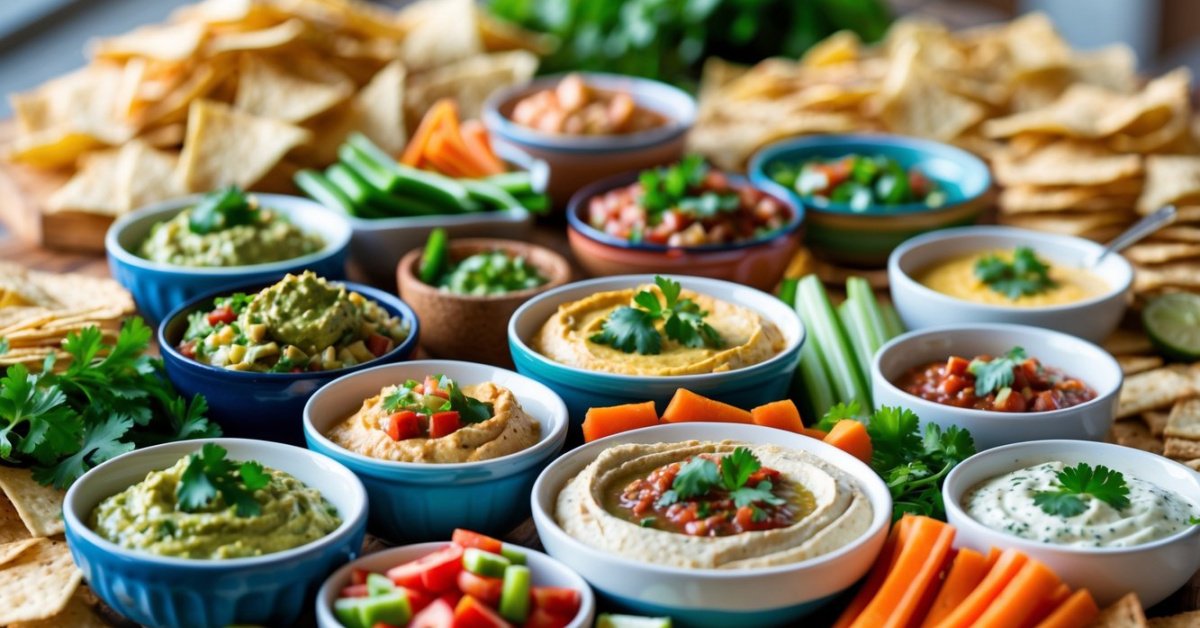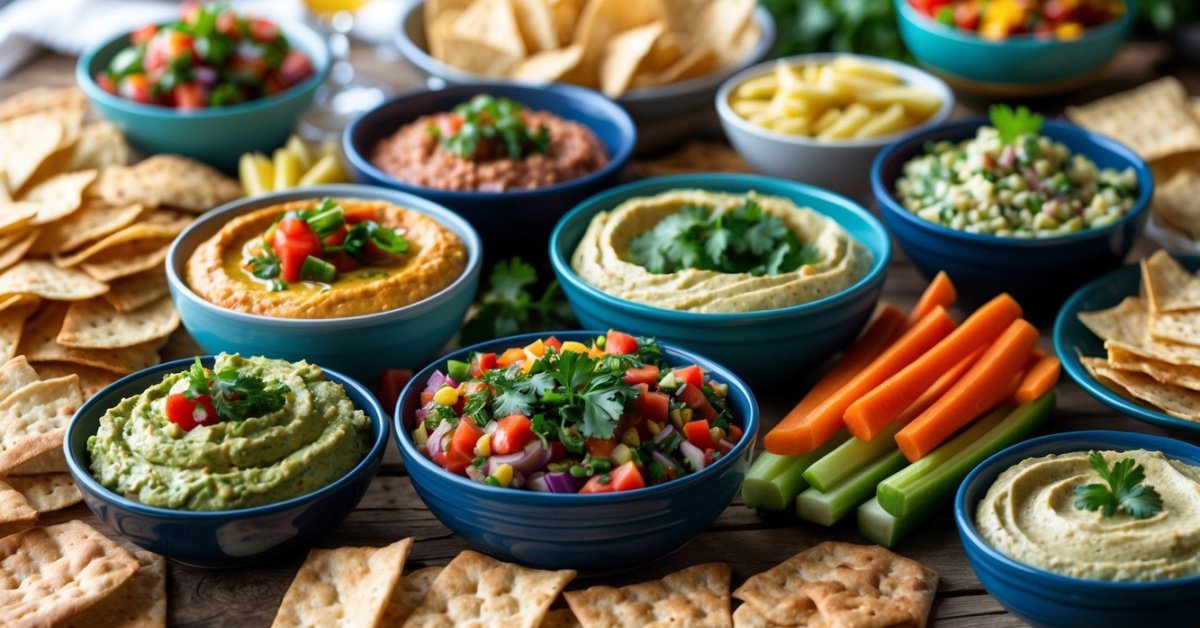
Whenever I dip a chip or veggie into something flavorful I’m instantly transported to another part of the world. There’s just something magical about how the right blend of spices can turn a simple dip into an international adventure. From smoky Middle Eastern blends to zesty Latin American favorites each spice brings its own unique twist.
I love experimenting with different spices because it lets me explore new cultures right from my kitchen. The trick is knowing which spices create those signature flavors and how to balance them so every dip stands out. Whether I’m hosting friends or just craving something bold I know that choosing the right spices is the first step to creating unforgettable dips.
Understanding the Role of Spices in Dips
Spices do the heavy lifting in any dip, no matter how simple the base. I use them to lay down the first taste and set the mood for the whole dish. Smoked paprika adds heat and earthiness, cumin gives a nutty depth, and coriander brightens creamy dips. Each one brings something to the table, letting me remix the basic sour cream, bean, or yogurt with a whole new attitude.
Texture matters too, so I think through spice blends before I mix them in. Small ground powders like garlic salt and black pepper mix in smooth, which fits most ranch or yogurt dips. Bigger bits, like crushed red pepper or toasted seeds, leave little pops of flavor you hit while scooping with a chip or veggie.
I can’t leave salt out—without it, the best spices just fall flat. Salz, sea salt, or specialty salts punch up other flavors and help dips pop. For spiced dips from places like India or Morocco, I often toast whole spices in a dry pan to wake up their flavors before grinding them. That move makes a basic chickpea or lentil dip taste restaurant-ready and deep.
Balance makes or breaks one of my dips. I taste as I build, tossing in small shakes at a time. Powders like cayenne or chili balance out honey or sweet yogurt. Acidic notes—lemon zest, sumac, or vinegar—pull heavy, rich dips into the spotlight and make each bite cleaner.
Every time I open my spice drawer, I think about the story I want the dip to tell. Mexican-inspired dips lean on chili, oregano, and cumin. Mediterranean dips need a touch of za’atar or mint. I pull ideas from travels, cookbooks, and my Southern roots, then layer on those seasonings until the dip hits just right.
Key Principles for Choosing Spices for International Dips
I’ve spent years working up dip recipes and testing spices in my Alabama kitchen and at my dip shop. Picking the right spice mix turns a simple dip into something anyone’ll remember.
Balancing Flavor Profiles
Balancing flavor profiles sets the stage for a standout dip. I start with one star spice, like za’atar for a Middle Eastern hummus, then pick supporting spices so nothing overpowers the rest. I watch for heat, brightness, and depth—cayenne for kick, lemon zest for zing, smoked paprika for a layer of warmth. I taste each round and tweak ‘til I land on something bold but balanced. I go easy with salt early, sprinkle more at the end if the dip needs a lift. One dip’s punchy, one’s mellow—each profile calls for its own balance.
Considering Regional Authenticity
Considering regional authenticity keeps dips honest to their roots. If I’m working up a Mexican bean dip, I’ll grab cumin, ancho chili, and oregano since those belong in classic recipes. When I make Greek tzatziki, I stick to dill, garlic, and sometimes mint. Sourcing the real-deal spices, like Kashmiri chili powder for an Indian-inspired yogurt dip, keeps the flavors true. I dig into how ingredients work in traditional kitchens before putting my spin on a recipe. Friends and customers tell me when it hits right and tastes just like what they ate abroad. Keeping it authentic draws out the real spirit of each dip’s home region.
Popular Spices Used in International Dips
Certain spices stand out in dip making. I reach for them over and over, with each culture favoring its own signature flavors. Here’s how I pick my top blends for crowd-pleasing dips from around the world.
Mediterranean Dips
Oregano, basil, and dill always bring that fresh Mediterranean feeling. Greek tzatziki gets its zing from fresh dill and a bright hit of garlic. I tap smoked paprika for Spanish-inspired dips and rosemary for creamy artichoke blends. Lemon zest punches up hummus and white bean dips in a way nothing else does.
Latin American Dips
Cumin, chili powder, and smoked paprika shape most of my Latin American dips. Guacamole calls for fresh cilantro and lime, while queso benefits from ancho chili powder and a bit of coriander. Chipotle powder turns basic sour cream into a smoky, crowd-favorite dip.
Middle Eastern Dips
Sumac, cumin, and coriander headline the spices I use for Middle Eastern dips. Beet hummus gets a lemony lift from sumac, while baba ganoush relies on roasted cumin and smoked paprika. Za’atar—a blend of thyme, sumac, and sesame—transforms yogurt dips into something special.
Asian-Inspired Dips
Ginger, garlic, and lemongrass power most of my Asian-inspired dips. Soy sauce and sesame oil give depth to peanut dipping sauce. Thai basil and fresh cilantro boost mango salsas and creamy curry dips. Rice vinegar adds brightness, while a pinch of five-spice turns hoisin-based dips into a savory hit.
Tips for Selecting and Combining Spices
Choosing the right spices sets the stage for any memorable dip. Over the years in my Alabama kitchen and at my old dip shop, I’ve learned that matching up flavors and balancing heat takes the guesswork out of mixing up bold, international dips.
Matching Spices to Main Ingredients
Pairing spices with main dip ingredients drives flavor home for me. Creamy bases like Greek yogurt or sour cream highlight fresh herbs—think dill and chives for tzatziki or ranch. Earthy beans and chickpeas need robust spices: cumin and smoked paprika bring body to hummus and black bean dips. Roasted veggies work best with warm, bold notes—coriander and garam masala lift sweet potato and carrot dips. When I’m working with cheese, I reach for dried oregano, chili flakes, or za’atar to cut through the richness. With seafood-based dips, citrus zest and sumac keep things bright and lively.
Adjusting Heat and Aromatics
Dialing in just the right amount of heat and fresh aromatics sets a dip apart. When guests prefer a milder bite, I go easy on cayenne or chipotle—just enough for warmth, not a fire alarm. For bigger flavor, I might layer smoked paprika with chilies for depth, adding a hint of garlic and ginger for aroma. Toasting whole spices in a dry pan helps me coax out oils and ramp up the fragrance—cumin and coriander especially come alive this way. Stirring in chopped fresh herbs like cilantro or mint near the end keeps dips tasting fresh, with the spicy backbone left intact. I sample as I go, because the right harmony between heat and aromatics always makes a difference in a great dip.
Common Mistakes to Avoid When Choosing Spices
Missing balance between spices and base ingredients throws a dip off every time. I’ve mixed up batches with fancy blends, but if my main veggie or dairy base gets buried, folks taste chaos, not character. Taste as I go, if the base fades, tone the spice back.
Grabbing too many bold flavors at once makes a dip muddled and confusing. One star spice like cumin, curry, or garlic leads—let the rest play backup, just like in a good country band. I keep it simple, pick, say, smoked paprika for a Mediterranean dip or maybe coriander for something Middle Eastern, then use a couple of milder flavors to round things out.
Forgetting about salt and acid leaves a dip flat. Salt and a splash of lemon juice or vinegar pop those spices to life. Whenever my first taste feels dull, I add a pinch of salt or a few drops of lemon until the flavors snap.
Ignoring the origin of a dip weakens the real flavor. If I’m aiming for tzatziki, I grab dill and garlic, not chipotle or curry powder. Dips always hit harder when I lean into the classic spice mix from their homeland.
Using old, stale spices makes dips taste dusty. I check my jars—if I can’t smell the spice, neither can anybody else once it’s in the bowl. Fresh spices always give a dip life and punch.
Skipping the heat test catches some folks off guard. With chili powders, harissa, or anything with punch, I always taste it straight, then add a little at a time, especially if kids or heat-shy friends are coming over.
Overlooking texture tosses off that final feel. I chop, grind, or toast spices on purpose. I use toasted cumin seeds in a creamy bean dip for a pop. Grainy, whole, or finely ground—each texture tells a story in the bowl.
Forgetting to trust my own taste wears out creativity. I sample, adjust, and blend until the dip makes me want to lick the spoon. If I like it, chances are my friends and customers will too.
Conclusion
Exploring the world of spices has opened up endless possibilities for my homemade dips and brought a sense of adventure to my kitchen. With every new blend I try I discover a fresh way to connect with global flavors and traditions.
Choosing the right spices is a creative journey that rewards curiosity and care. Each dip becomes a reflection of the places and people that inspire me and I love sharing these discoveries with friends and family.