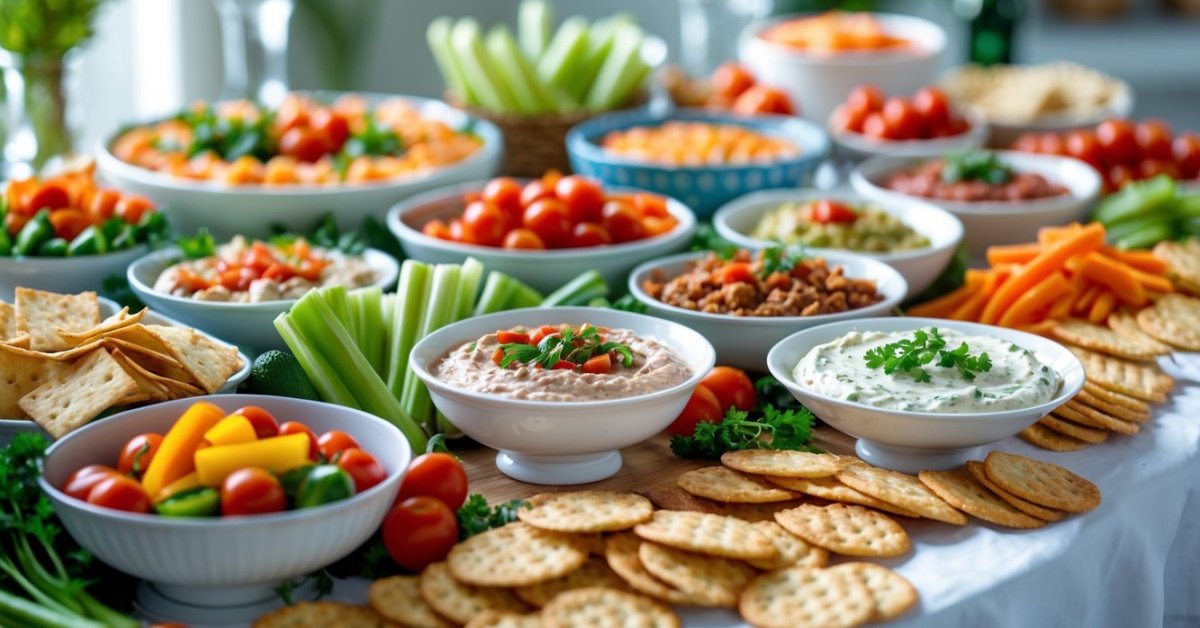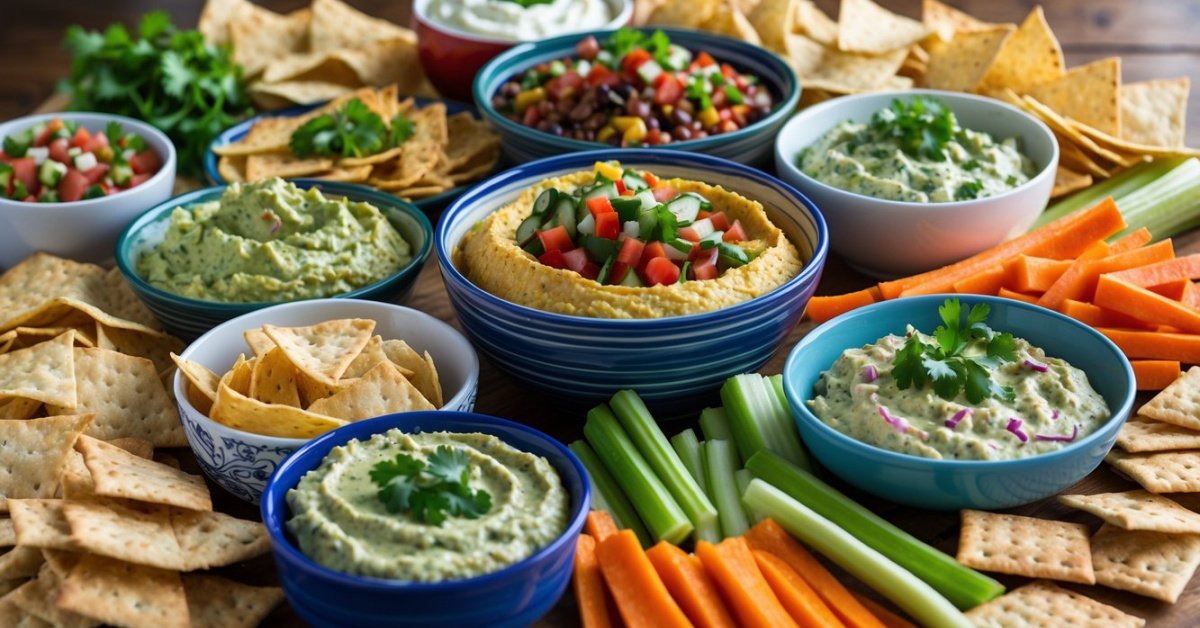
I love whipping up a big batch of dip for parties or movie nights but reheating leftovers can be tricky. There’s nothing worse than seeing your creamy queso or spinach artichoke dip separate into an oily mess. It’s such a letdown when you’re craving that smooth texture all over again.
I’ve learned that reheating dips isn’t just about tossing them in the microwave and hoping for the best. With a few simple tricks I can keep my favorite dips just as luscious and inviting as when I first made them. Let me share how I keep every bite perfectly creamy—no more disappointments or wasted leftovers.
Understanding Why Dips Separate When Reheated
I see a lot of folks wonder why their dips turn greasy or watery after they put ’em back in the microwave or oven. Separation mostly happens because a lot of dips, like queso or spinach artichoke, have fat mixed with water-based ingredients. The heat breaks that bond, which sends fat one way and moisture the other. I’ve seen this with creamy cheese dips, sour cream blends, and mayo-based favorites like my Alabama white sauce dip.
Cheese, sour cream, mayonnaise, and cream cheese each have unique proteins and fats. When those get too hot or get zapped too fast, they let go of the water they’re holding. That’s why you might see a pool of oil on top of hot pimento cheese or a runny layer under buffalo chicken dip. Heavy mixing or sudden temperature changes, like going straight from the fridge to the oven, amps up the problem.
Emulsifiers get lost in translation when you reheat dips too quick. Emulsifiers—like eggs in classic Southern dips or a bit of mustard in ranch-style dips—help keep it all together. Fast or uneven heating makes them quit working, so the textured creaminess vanishes. Every time I see a group at a tailgate dig into a broken dip, I think of how a little patience can save the whole batch.
So, what causes most dips to separate? It’s two things: sharp temperature swings and the natural breakdown of fats and proteins under heat. Once you know what to watch out for, keeping dips smooth and rich gets a whole lot easier.
Factors That Influence Dip Separation
Folks ask me all the time how to keep dips from breaking apart when they’re warmed up. Dip separation happens for a handful of reasons, but a couple of ’em stand out more than others. Knowing these makes it a lot easier to serve up a smooth, creamy dish every time.
Ingredients and Their Properties
Every dip’s success starts with the ingredients. Cream cheeses, mayos, sour cream, and shredded cheese all act different the second heat hits ‘em. Higher-fat stuff like full-fat cream cheese blends better under heat than skim versions, which can split and get watery. Emulsifiers—like egg yolks and mustard—keep fat and water sticking together, so dips with these stay creamy longer. If I use chunky veggies, like jalapeños or artichokes, they’ll sometimes sweat extra water during reheating, making the dip separate faster. Even the brand you buy can make a difference—some store-bought mayos break quicker if they’re packed with more water than oil.
Storage and Reheating Methods
How I stash my dip affects how it’ll reheat later. Dips left uncovered in the fridge develop a skin that won’t blend back in. I always use airtight containers to keep moisture where it belongs. Slow, even reheating is key; a microwave on full blast splits cheese- or cream-based dips, giving you pools of grease and soggy patches. When I warm up leftover spinach artichoke or queso, I use a stovetop on low and stir often. Double boilers help, too, since they give steady heat. Folks sometimes add a splash of milk or cream if the dip thickens too much, and I’ve found a quick whisk brings everything smooth again. Letting a cold dip sit out at room temp for 20 minutes before reheating makes a world of difference, since drastic temp jumps are what make most mixtures split.
Best Techniques for Reheating Dips Without Separating
I keep leftover dip tasting fresh by sticking to tried-and-true reheating methods. Folks ask me all the time how to keep queso, spinach artichoke, or pimento cheese smooth after a night in the fridge.
Using the Stovetop
I always grab a heavy-bottomed saucepan for the stovetop. I start with the heat on low and stir the dip steady every 30 seconds. If it seems too thick, I splash in 1–2 tablespoons of whole milk or heavy cream, then keep mixing till I see that creamy texture again. Thicker dips, like my smoked gouda and bacon, benefit from steady movement and a silicone spatula. This keeps those fats from breaking loose.
Microwave Tips for Even Heating
I use the microwave with patience. I cover my dip with a damp paper towel, set the power to 50% or less, then nuke it in short, 30-second bursts. After each burst, I pull out the dip, give it a good stir, and check the texture. I repeat this process till it’s gooey and hot from edge to center. Dips with cheese or creamy mayo, like Alabama-style white BBQ dip, stay together best using this method.
Oven and Slow Cooker Approaches
I spread cold dip in a shallow baking dish for even oven heat. I preheat to 300°F, cover with foil, and bake it slow, checking and stirring after 10–15 minutes. This keeps the dip from forming a crust or separating. For crowd-sized dips, I use a slow cooker on the warm or low setting and stir every 15 minutes. This lets me serve my famous sausage rotel dip from kickoff to postgame without losing that silky texture.
Tips for Different Types of Dips
I’ve spent years tinkering with dips from every corner of the South, so I’ve picked up a few tricks on how to keep ‘em smooth when you’re bringing leftovers back to life. Different types need a little different handling, but it’s easy once you know what works.
Cheese-Based Dips
I always heat cheese dips—like queso, spicy pimento, or cheddar-jalapeño—real slow and low. A heavy pot on low heat keeps the fat from running out and turning greasy. I stir every half minute, so the cheese and creamy bits stay tight together. If the dip starts thickening too much, I’ll add a splash of milk or half-and-half. I skip overheating in the microwave since cheese splits at high temp. If I do use the microwave, I set it to 50% power and zap the dip for 20-30 seconds at a time, stirring each round.
Sour Cream or Yogurt-Based Dips
I never rush reheating sour cream or yogurt dips—like ranch, French onion, or cucumber-dill—since they separate easy. I let the container sit out for 20 minutes before adding gentle heat on the stovetop or in a microwave-safe bowl. I use 30-second bursts at low power and stir every time. I don’t let ‘em boil, so the proteins and liquids don’t split. If any water pools, I just stir it right back in with a spoon.
Bean and Vegetable Dips
I keep bean dips and veggie blends—like black bean, white bean, spinach-artichoke, or roasted corn—moist with low and steady heat. I cover them while warming so the surface doesn’t dry out, stirring every minute or so. If the mix starts looking dry or thick, I add a tablespoon of broth, milk, or even olive oil and stir to bring back that creamy bite. For chunky veggie dips, I spread ‘em out in a shallow dish if I’m using the oven for even heat and better texture.
Here’s how my reheating tips help keep every dip smooth and ready for another crowd.
Common Mistakes to Avoid
Overheating the Dip
Folks ruin good dip fast when they crank up the heat. I keep it low and slow—high heat makes cheese and sour cream separate quicker than a June thunderstorm hits Alabama. If I’m in a hurry, I stir constantly and never let it bubble.
Skipping the Stir
I always stir dips while reheating. When I forget, the fat and liquid start running away from each other, especially with queso or ranch. Stirring every minute or so keeps everything smooth as fresh cream butter.
Microwaving Without Covering
Microwaving uncovered dries out dips and cooks the top faster than the bottom. I cover mine with a damp paper towel. That locks in moisture and I get even, creamy results, whether I’m warming spinach artichoke or homemade French onion.
Ignoring Cold Spots
Dips heat uneven in the microwave—trust me, I’ve learned the hard way. I pause and stir about every 30 seconds, so nothing burns on the edge or stays chilly in the middle.
Not Letting Dip Rest Before Reheating
I let cold dip sit out for 15–20 minutes before reheating if I can. Jumping straight from the fridge shocks the fat and emulsifiers, and that can cause ugly separation in cheese, mayo, or sour cream blends.
Forgetting to Add Liquid
If my dip thickens up or feels tight, I splash in milk, cream, or broth. That little bit of liquid brings back the creaminess—especially important for leftover cheese and veggie dips.
Crowding the Dish
When I cram too much dip in a small bowl or pan, the outside heats up way faster than the inside. I spread it out in a shallow dish instead, whether I’m using an oven or microwave, for heating that’s as even as a Friday night crowd at the cookout.
Storing in Open Containers
I always keep dips sealed tight in the fridge. If air sneaks in, a skin forms or the dip dries out, and then the texture suffers big time when reheated. Airtight containers keep everything just right until it’s time for round two.
Not Considering the Ingredients
I’ve made every kind of dip under the Alabama sun—cheese, bean, yogurt, veggie. Every recipe acts different. Light yogurt splits easier, while a heavy cheese dip needs more stirring and moisture. I always think about what’s in my bowl before firing up the heat.
Conclusion
Keeping leftover dips as delicious as the day I made them is totally possible with a little care and the right techniques. I love knowing I can serve up creamy queso or tangy spinach artichoke dip again without worrying about weird textures or separation.
With a gentle touch and a few simple tweaks, I can enjoy my favorite dips long after the party’s over. It’s all about treating those leftovers right so every bite stays smooth and satisfying.