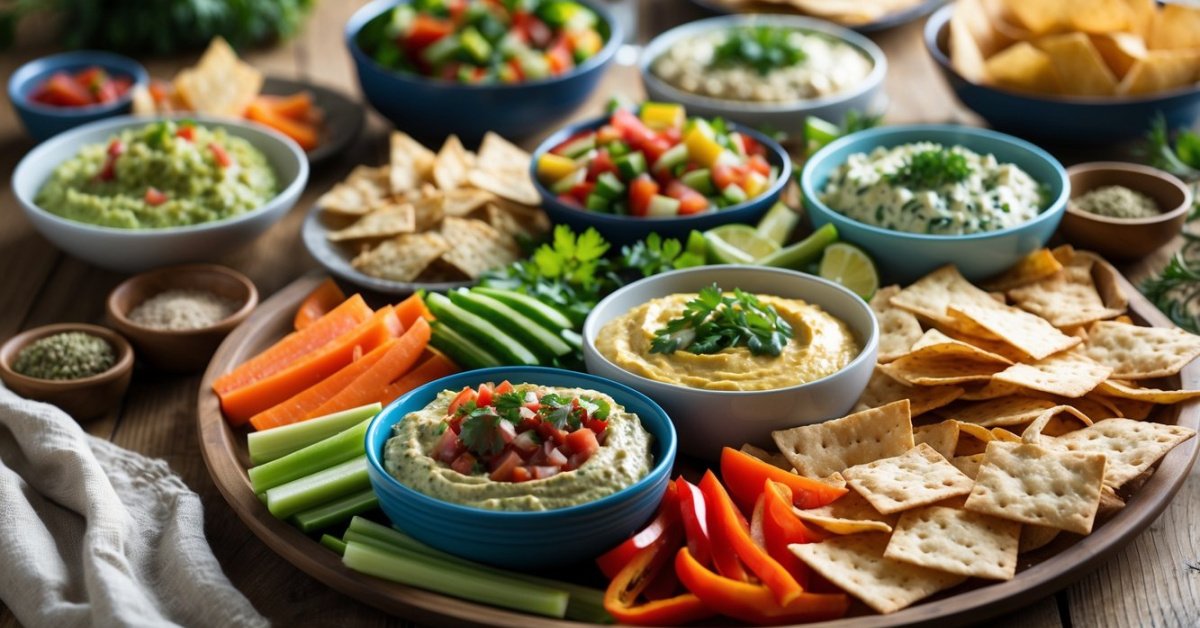
Dips can turn any snack table into a party, but I’ve learned the hard way that even the simplest recipes can go sideways. One wrong move and you’re left with a watery mess or a flavor flop that nobody wants to touch. It’s frustrating when you want to impress your guests and your dip just doesn’t deliver.
I’ve made my fair share of dip disasters, but I’ve also picked up a few tricks along the way. Whether you’re whipping up guac for game day or mixing a classic ranch, knowing what to avoid can make all the difference. Let’s dive into some common dip-making mistakes and how to sidestep them for a crowd-pleasing bowl every time.
Understanding the Basics of Dip-Making
Knowing the fundamentals of dip-making keeps your dips reliable every time. Pick fresh, high-quality ingredients; even one old veggie or limp herb can weaken flavor and texture. Balance creamy bases, like sour cream or Greek yogurt, with something tangy, salty, and sometimes a little sweet—think cream cheese, ranch powder, or honey.
Mixing techniques matter for dips. Stir gently if you’re blending in chunky stuff like chopped onions, peppers, or shredded chicken—you want it even, not mushy. Whip smoothly when you’re dealing with cheese or sour cream bases. If you’re making guacamole or salsa, I always mash and fold to keep chunks and flavor distinct.
Choose the right equipment for dip success. I use sturdy spatulas and mixing bowls for thick dips, hand blenders for creamy or whipped styles, and sharp knives for the freshest chop. Proper chilling and resting give flavors time to meld. I always cover my dip and refrigerate for at least 30 minutes, unless I’m serving a hot dip. Then, I keep it bubbling in a small oven-safe dish or slow cooker.
Control the texture of your dip. Watch your liquids—start with less, add little by little. I stick with thickening agents like cream cheese or mashed avocado for dips that run thin, and I always drain anything canned. Tasting as I go is my best trick for nailing balance, salt, and heat.
With these basics, making crowd-pleasing dips at home becomes second nature, just like it did for me after years of trial, error, and running my own dip shop in Alabama.
Common Dip-Making Mistakes to Avoid
I’ve seen plenty of folks trip up with dips, even when they start out with the best recipes and fresh ideas. Avoiding a few old missteps keeps your dip game strong and your guests coming back for seconds.
Using Low-Quality Ingredients
I never use dull or wilted produce when I’m mixing up a dip. Lettuce, herbs, tomatoes, and peppers taste brighter and get better results when fresh, not sad from sitting too long. Cheese, sour cream, and yogurt work best when I go for brands with good flavor and texture—cheap knockoffs end up making the dip taste flat. When my base tastes right, the rest falls into place.
Incorrect Texture and Consistency
I aim for a texture that matches the dip style. Salsa, guacamole, and bean dips want a chunky finish, so I use a light hand mashing or chopping. Ranch, French onion, or queso come out silky with a sturdy whisk or mixer, not a blender that turns ’em watery. When I’m adjusting thickness, I add liquid or creamy elements a tablespoon at a time to avoid a runny mess. Nobody wants a dip that slides off the chip.
Over- or Under-Seasoning
I always taste as I go. A teaspoon too much salt, garlic, or hot sauce can overpower your base and leave folks reaching for water. Too little, and everything tastes dull. I keep a spoon handy and make tiny adjustments—fresh lemon juice, a pinch of cayenne, or a little more black pepper—so the flavors wake up but never get pushy.
Ignoring Proper Storage Techniques
I never skip chilling my dip if it calls for it. Chilling gives flavors time to blend and makes creamy dips thriftier. Air-tight containers, plastic wrap, or good lids keep freshness in and off-flavors out. Hot dips sit best in a slow cooker or warm dish, not left out for hours. If I’m making ahead, I mark the date and give my crowd dips made in the last 48 hours, because nothing ruins a table like a spoiled spread.
Tips for Perfecting Your Dips
I’ve spent a lifetime making dips for family, friends, and folks across Alabama through my dip company. Getting your dip just right means paying attention to flavor, texture, and how you serve it. Here’s how I make my dips crowd-pleasers every time.
Balancing Flavors Effectively
Balancing flavors takes a little tasting and adjusting, just like I do in my kitchen. Always start with the freshest base you can find, like real sour cream or cream cheese. After that, blend in tangy elements—fresh lemon juice or good vinegar wakes things up. Salt and a pinch of sugar fine-tunes things, especially in onion or roasted pepper dips. If my dip tastes dull, I add minced fresh herbs, a bit of hot sauce, or even a sprinkle of smoked paprika. I always taste at each step, so nothing ends up overpowered or flat.
Achieving the Right Consistency
Getting the right consistency for dips starts with mixing slow and steady. For thick, dippable blends like pimento cheese or spinach dip, I use an electric mixer on low, only long enough to combine. For smoother, runnier dips like ranch, I whisk by hand so I can stop as soon as it comes together. If it comes out too thick, adding a tablespoon or two of milk or brine fixes it. If it’s thin, I stir in extra cheese, beans, or even a spoonful of mashed avocado until it holds a chip well. I always chill my dips for at least one hour because they thicken up and taste better cold.
Storing and Serving Tips
Proper storing and serving keeps dips fresh and safe. I scoop my homemade dips into airtight containers and stash them in the fridge—most stay good for three or four days. If I’m serving at a party, I set my dip bowls on a tray filled with ice so they last longer on the table, especially at Alabama tailgates. I stir dips right before serving in case anything settled. For the best look, I top dips with colorful garnishes, like diced peppers, sliced green onions, or crumbled bacon, right at the end. That makes ‘em look as good as they taste.
Popular Dip Recipes with Troubleshooting Advice
Folks ask me all the time about which dips really work and how to fix ’em if something goes sideways. I’ve slung my fair share of dip in Alabama kitchens—so I’ve seen just about every mix-up you can imagine. Here’s some crowd-pleasers, plus my quick-fix advice when you hit a snag.
Classic Ranch Dip
- Common Issues: Watery texture, bland flavor
- Troubleshooting: If ranch dip turns out too thin, I always stir in a little extra sour cream or mayo, one spoonful at a time. For blandness, I bump up the fresh herbs (like chives and dill) or add another pinch of garlic powder and a squeeze of lemon. Always taste after mixing—store-bought seasoning doesn’t always hit right, so don’t be shy with salt or acid.
Creamy Spinach Artichoke Dip
- Common Issues: Stringy texture, oily separation
- Troubleshooting: For stringy, clumpy dip, I mix cream cheese and Greek yogurt until smooth before adding veggies. Use room temp cheese to keep it creamy. If oil floats on top, I dab it off and stir again to bring everything back together. I never skip draining spinach—excess water ruins the texture every time.
Chunky Guacamole
- Common Issues: Browning, blandness
- Troubleshooting: For guac, I always mash avocados with lime juice right away—citrus slows down that brown color. To jazz up bland batches, I add a pinch more kosher salt and some chopped fresh jalapeño. Never use underripe avocados—they mash up lumpy and taste off.
Classic Queso
- Common Issues: Grainy, thick, or separated cheese
- Troubleshooting: If queso goes grainy, it’s most likely overheated—so I melt cheese slow on low heat. For thick queso, I whisk in warm milk a splash at a time. Separation calls for a quick fix with a whisk—keep stirring and add a bit more liquid gradually.
Salsa Fresca (Pico de Gallo)
- Common Issues: Watery salsa, overpowering onion
- Troubleshooting: For watery salsa, I let diced tomatoes drain for a few minutes before mixing. I chop onions fine and rinse under cold water—takes away that sharp bite. If it’s still too watery, I use a slotted spoon for serving, leaving excess juice behind.
Quick Reference Table
| Dip Name | Common Problem | My Solution |
|---|---|---|
| Ranch Dip | Watery or Bland | Stir in more sour cream, adjust herbs |
| Spinach Artichoke Dip | Stringy or Oily | Use room temp cheese, drain spinach |
| Guacamole | Brown or Bland | Add lime, use ripe avocados, adjust salt |
| Queso | Grainy or Thick | Melt cheese slow, add warm milk |
| Salsa Fresca | Watery, Oniony | Drain tomatoes, rinse onions |
Every recipe has its quirks, but I work small fixes as I go. That way, nobody ever leaves my table complaining about soggy, bland, or split dip.
Conclusion
Making great dips isn’t just about following a recipe—it’s about being creative and paying attention to the little details. I’ve learned that even small tweaks can make a huge difference in flavor and texture.
With a bit of patience and a willingness to experiment you’ll find your signature dip in no time. Don’t let a few bumps in the road keep you from enjoying the process or sharing your creations with friends and family.
So grab your favorite ingredients and let your next dip be the highlight of the table!