When I bake, I’m always chasing that perfect texture—crispy on the outside, soft and gooey inside, or maybe a little chewy if that’s what the recipe calls for. It’s amazing how just a small dip in the center of a cake or a batch of cookies can make all the difference. Those little valleys aren’t mistakes—they’re often the secret to a treat that feels just right in every bite.
I’ve learned that understanding why these dips happen and how to use them to my advantage can turn an average bake into something unforgettable. Whether you’re aiming for fudgy brownies or airy cupcakes, getting comfortable with baking dips opens up a whole new world of delicious possibilities.
Understanding Baking Dips for Perfect Texture
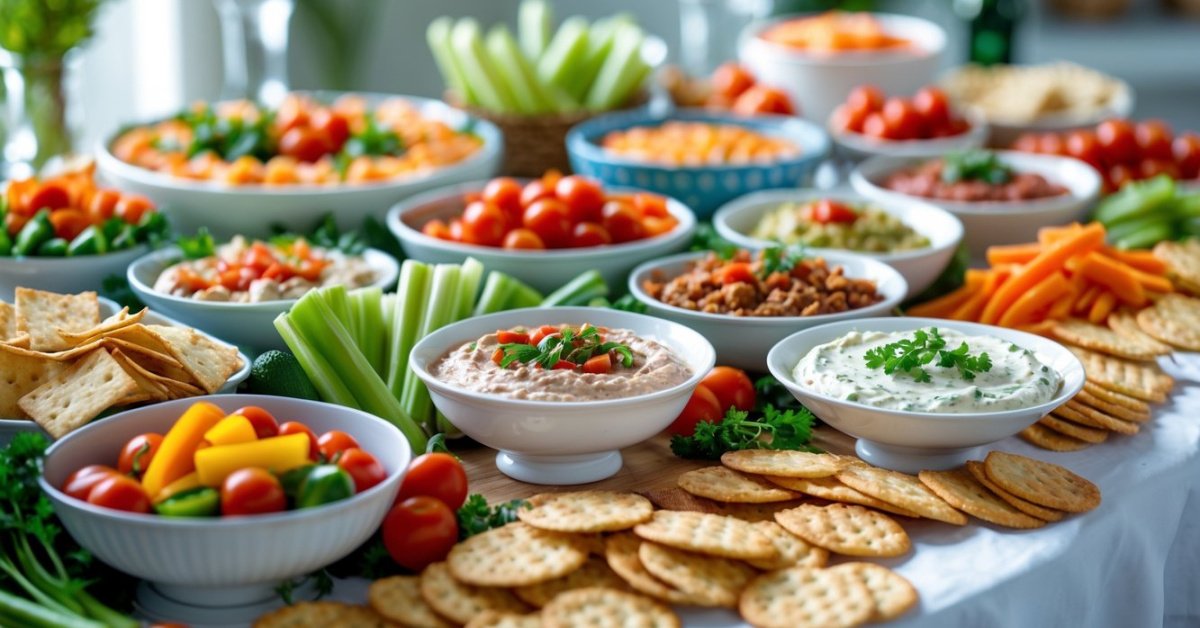
Running a dip company down in Alabama, I learned just how much texture makes folks come back for seconds. Dips in baking don’t just mean a bowl of creamy ranch on the table. When I talk about baking dips for perfect texture, I mean the way dips and scoops shape what’s in your mouth when you take a bite. Every good dip, whether it’s baked or chilled, holds its own balance between smooth, chunky, and creamy.
Plenty of classic southern dips—like pimento cheese, baked spinach artichoke, or hot crab—rely on the right texture to make folks smile. When I bake a Tex-Mex queso dip or a sausage cream cheese dip, I aim for top-shelf scoop-ability and just the right gooey stretch. Those slight pools in your baking dish, that lovely thick layer up top, and the way chips get a good hold, all come down to understanding baking dips for perfect texture.
Out in my Alabama kitchen, perfecting baking dips means knowing what goes in and when. I combine cream cheese, sour cream, and shredded cheese to build a sturdy but silky base. Stronger cheeses like sharp cheddar or Monterey Jack make that golden cap everybody loves once baked, while extra cream or mayo keeps it from getting dry. Adding in chopped jalapeños, crumbled bacon, or roasted veggies gives the dip a hearty, crave-worthy finish.
If you’re ever dipping a chip and get just enough resistance but not a mess on your shirt, you’re enjoying a dip with perfect structure. That’s what I aim for every time. Balancing moisture and thickness lets the flavors shine through and keeps folks digging in at every get-together.
Key Ingredients That Influence Texture
Texture shapes how folks enjoy any baked dip. I always lean on certain ingredients, ’cause they change a dip from good to unforgettable.
Cream Cheese and Dairy-Based Dips
Cream cheese makes baked dips rich and smooth, and I always start with it when I want that creamy pull. I use full-fat for thicker, more luscious results. Sour cream softens the mix and gives it just a touch of tang, while heavy cream adds silkiness and helps keep things from drying out in the oven. Shredded cheeses—like sharp cheddar or Monterey jack—melt right in, thickening the dip as it bakes but still giving those gooey strings folks love. Even a spoonful of mayonnaise brings a softer set and a boost of flavor, especially if I’m throwing in chopped jalapeños or crisp bacon. Getting that balance right with these dairy stars means the dip scoops smooth but stays thick enough to hold on a chip.
Vegetable and Bean-Based Dips
Vegetable and bean-based dips need the right texture or they end up watery or too firm. I mash pinto beans or black beans till they’re not quite smooth—leaving just enough chunks for structure. When I bake a spinach-artichoke dip, I always squeeze as much liquid as I can from the veggies so things set up creamy not runny. Roasted or sautéed onions and peppers bring natural sweetness and a soft bite, making every scoop more interesting. For baked hummus or white bean spreads, a swirl of olive oil on top keeps the crust tender, and a handful of toasted nuts adds just enough crunch. Using the right balance of veggies and beans gives every spoonful a hearty, scoopable texture that doesn’t fall apart.
Here’s how a few key ingredients show up across different dip types:
| Dip Base | Texture Role | Example Ingredients |
|---|---|---|
| Dairy (cream cheese, sour cream) | Creamy, spreadable | Full-fat cream cheese, cheddar, mayo |
| Beans (black, white, pinto) | Thick, hearty, chunky | Canned black beans, white beans, olive oil |
| Veggies (spinach, artichoke, peppers) | Chunky, moist, balanced | Fresh spinach, roasted peppers, artichoke |
Each of these ingredient sets makes baked dips with standout texture, from smooth and creamy to chunky and rich.
Techniques for Achieving the Ideal Texture
Getting my dips just right comes down to how I mix, blend, and bake each batch. For me, picking the right method and paying attention to the oven gives every dip that perfect scoopable texture.
Mixing and Blending Methods
I always mix my base—cream cheese, sour cream, or mayo—on low speed till it’s smooth, using a paddle on a stand mixer or a sturdy spatula. Lumps in the base mean a chunky dip, not my style unless I’m working with chunky ingredients like jalapeños or bacon bits. I fold those in by hand so they keep their bite. For bean dips, I blend the main beans (like black beans or pintos) till creamy, then stir in anything crunchy at the end. My rule: blend wet things smooth, mix chunky things gently.
Baking Times and Temperatures
I bake most cheese-based dips at 350°F, usually for 20 to 30 minutes, just till the edges bubble and the center sets. Running my dip company taught me that overbaking makes things dry and hard to scoop—nobody wants that. When I’m baking veggie dips or anything with meat, I keep the temperature steady and check at the 20-minute mark. A toothpick in the center should come out a bit creamy, not wet, or the dip’ll firm up too much as it cools. These careful checks keep every dip rich, creamy, and easy to scoop at game day or a potluck.
Top Baking Dips for Perfect Texture to Try
I find nothing beats a bubbling, golden-baked dip when folks want both comfort and a crowd-pleaser. These tried-and-true favorites always get the texture right: creamy, dip-able, and downright satisfying.
Classic Spinach Artichoke Dip
I always go for a classic spinach artichoke dip when I want a velvety texture with just the right balance of hearty and smooth. I mix chopped artichoke hearts, thawed spinach, and plenty of cream cheese with a scoop of sour cream for richness. Parmesan and mozzarella melt into the base, pulling everything together without a greasy finish. I bake this at 350°F for about 25 minutes—long enough for the cheese to bubble and the dip to settle into a creamy spread. Using evenly drained veggies and folding them in gently, I keep the dip thick but scoopable without getting watery. Folks go for every bite, from the browned top to the lush center.
Cheesy Bacon Jalapeño Dip
I make my cheesy bacon jalapeño dip for a bolder, richer crowd favorite. Cream cheese and shredded cheddar anchor the mixture, and I whisk in a splash of heavy cream for that extra silkiness. I fold in crispy bacon crumbles and diced jalapeños, making sure each scoop gets both heat and crunch. Baking at 350°F for 20–25 minutes, the top turns golden and the sides bubble without breaking the creamy structure. If I want more kick, I add a handful of pepper jack cheese or double up the jalapeños. The result’s never greasy and always easy to scoop, whether with tortilla chips or veggies. My Southern roots love pairing this piping-hot dip with a cool drink at any get-together.
Tips for Serving and Storing Baked Dips
Serving baked dips right out of the oven gets the texture perfect. I always use a ceramic or cast-iron baking dish for even heat, keeps the edges crispy and the middle creamy. For chunkier dips like my bacon jalapeño, I let ’em rest 5 minutes after baking so nobody burns their tongue and you still get easy scooping. Pair with sturdy dippers—think toasted baguette, pretzel chips, or thick-cut veggies—so folks can dig in without breaking their chips.
Storing baked dips the right way keeps ’em fresh and scoopable. I let leftovers cool, then spoon ’em into airtight containers. In my old dip shop, I found that cream cheese-based dips keep best for up to 3 days in the fridge, flavors like spinach artichoke or pimento cheese. For reheating, short bursts in the microwave on 50% power works, or pop ’em back in the oven at 300°F for 10–15 minutes—just cover with foil so the top don’t get chewy.
If I’m freezing a batch, I stick to dips with less fresh veggies—cream cheese, cheddar, and bacon freeze solid and reheat creamy. I always thaw dips overnight in the fridge, then stir and bake till hot for that just-made taste. Never freeze anything mayo-heavy or with lots of watery veggies—tried that before, always got soupy.
I keep extra toppings on hand—finely shredded cheese, crispy bacon, sliced jalapeños—so I can give leftover dips a fresh finish after reheating. That way, every scoop tastes like a new batch, whether it’s game day or just a Wednesday night at home.
Conclusion
Baking dips for the perfect texture is a journey I truly enjoy. Every batch teaches me something new about balancing flavors and creating that irresistible scoopability.
Whether I’m mixing up a classic favorite or experimenting with bold new combos I love how the right texture brings people together around the table. With a few simple techniques and a little patience anyone can create dips that are both delicious and memorable.