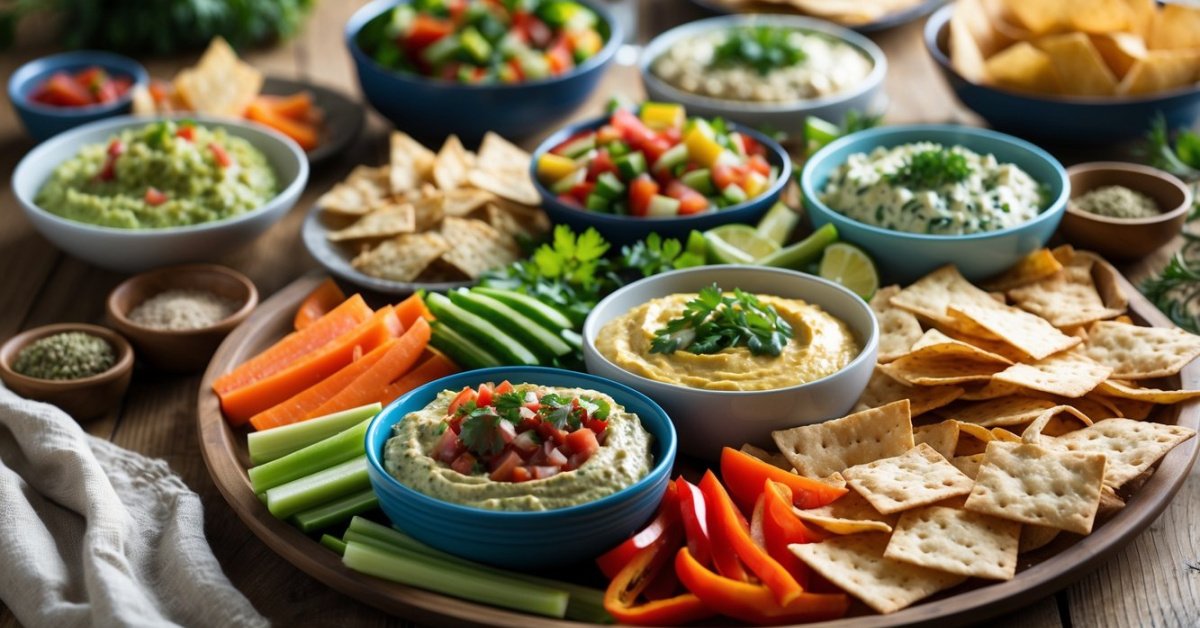
I can’t get enough of roasted garlic hummus. That creamy texture and rich flavor always hit the spot whether I’m dipping veggies or spreading it on warm pita. There’s just something about the way roasted garlic transforms simple chickpeas into a crave-worthy snack.
Making hummus at home lets me control the flavors and ingredients. I love how easy it is to whip up a batch with just a handful of pantry staples. Once you try homemade roasted garlic hummus you’ll never want to go back to store-bought.
What Is Roasted Garlic Hummus?
Roasted garlic hummus blends chickpeas, tahini, lemon juice, olive oil, and roasted garlic into a creamy spread or dip. I use smooth chickpeas, rich sesame tahini, and fresh lemon for extra brightness in every batch. Roasting the garlic first mellows it out and brings a sweet, nutty flavor—different from raw garlic, which tends to bite a little sharper.
Most folks use roasted garlic hummus as a dip for chips, veggies like carrots, or warm pita wedges. I’ve seen folks spread it on sandwiches, spoon it over salads, or use it as a base for Mediterranean bowls. At my old dip company, regulars asked for extra roasted garlic because it just tastes more full-bodied than traditional hummus.
Authentic roasted garlic hummus skips dairy and gluten, so you get a creamy texture without any cream or flour. I always slow-roast my garlic until it turns golden and soft, then mash it right into the chickpea mixture for a bigger punch of flavor. When people want a dip that’s bold but still natural, roasted garlic hummus hits every mark.
Flavor Profile and Texture
Roasted garlic hummus brings a deep, mellowed garlic taste with just a hint of sweetness. Roasted garlic gives the spread a subtle pop, way different from sharp raw garlic. Chickpeas and tahini build a nutty background while lemon juice brightens everything up. Olive oil layers on a buttery finish.
Creamy texture sets this hummus apart—smooth and thick enough to cling to pita chips, carrots, or celery sticks. Roasting garlic softens the whole dip, so it blends up nice and even. Every scoop feels rich, not gritty or pasty. At my old dip shop, customers always asked how I got it so silky, and the secret was plenty of high-quality olive oil and a long blend in the processor.
Rich flavor, silky texture, and a perfect balance between savory and tangy make roasted garlic hummus stand out alongside other dips like ranch, tzatziki, or pimento cheese.
Ingredients and Nutrition
Roasted garlic hummus comes together with a handful of pantry staples, giving you bold flavor and a creamy finish every time. I always keep these ingredients close so I’m ready to whip up a batch whenever company stops by or a snack craving hits.
Key Ingredients
- Chickpeas: I use canned or cooked-from-dry chickpeas. They give the hummus that classic, nutty base and keep it smooth and thick.
- Tahini: This sesame paste brings a toasty, earthy flavor and helps with the creamy texture.
- Roasted Garlic: Roasting garlic pulls out its sweetness and tames the sharpness. I use a whole head for lots of flavor without the harsh bite.
- Olive Oil: Good quality olive oil makes each batch taste richer and helps everything blend up nice and silky.
- Lemon Juice: Fresh-squeezed lemon adds brightness and keeps the flavor from getting too heavy.
- Kosher Salt: I use fine kosher salt since it dissolves fast and seasons the batch evenly.
- Optional Spices: Cumin, smoked paprika, or cracked black pepper can round things out or add a little twist depending on your mood.
Health Benefits
Roasted garlic hummus packs nutrition without dairy or gluten. Each batch is fiber-rich thanks to chickpeas, which help with digestion and keep you feeling full longer. Tahini gives you healthy fats and protein, balancing out carbs for steady energy. Olive oil brings in heart-healthy monounsaturated fats and a rich dose of antioxidants. Roasted garlic adds a kick of flavor with fewer sulfur compounds, offering antibacterial properties while going easy on your breath. Every bite gives you vitamins, minerals, and plant-based protein—making it a smart pick for parties, meal prep, or everyday snacking.
| Ingredient | Key Nutrients | Example Benefit |
|---|---|---|
| Chickpeas | Fiber, Protein, Folate | Supports digestion |
| Tahini | Healthy Fat, Protein, Calcium | Boosts bone health |
| Olive Oil | Monounsaturated Fat, Antioxidants | Supports heart health |
| Roasted Garlic | Vitamin C, Allicin | Offers immune support |
| Lemon Juice | Vitamin C | Brings freshness, antioxidants |
Taste Test and Overall Experience
Roasted garlic hummus brings a crowd-pleasin’ richness to the table that always gets folks talkin’. Every batch I make in my Alabama kitchen has family and friends dipping ‘til the bowl runs dry.
Aroma and Flavor
Roasted garlic hummus fills the room with a warm, nutty aroma as soon as I pop the lid. The roasted garlic comes through with a sweet undertone, never harsh, mixed with that deep earthiness from tahini and chickpeas. Every bite gives a mellow roasted warmth, then a pop of tang from lemon juice, and the smoothness of good olive oil. Folks who try it at my house usually catch that balance—savory and sweet working together instead of fighting for attention.
Texture and Consistency
Roasted garlic hummus has a creamy texture that’s always my goal—smooth enough to coat a chip or carrot without sliding off, but not so thin it runs all over the plate. Every spoonful’s silky, not gritty, because I spend time blending, using my old dip company tricks. That whipped consistency lets the hummus cling to pita, cucumbers, or even a sandwich, making it easy to use for dipping or spreading. When folks ask me why it’s so smooth, I tell ’em: high-quality olive oil plus a bit of patience with the food processor.
Serving Suggestions
Roasted garlic hummus shines on just about any snack table. I like scooping it up with pita chips, celery sticks, carrot coins, or bell pepper strips—those crunchy veggies bring out the creamy, savory texture. I also use it as a sandwich spread, taking the place of mayo on turkey or veggie wraps. That extra layer of roasted garlic changes the whole bite.
I spoon it over grain bowls and salads too. Quinoa, farro, or mixed greens get richer fast with a dollop on top. For a breakfast twist, I spread a thick layer on whole-wheat toast, then top it with sliced avocado and a pinch of smoked paprika.
I serve it alongside grilled chicken skewers, lamb meatballs, or roasted shrimp. Hummus doesn’t just work with Mediterranean foods either—it fits right in on a Southern-style snack board next to deviled eggs or cheese straws.
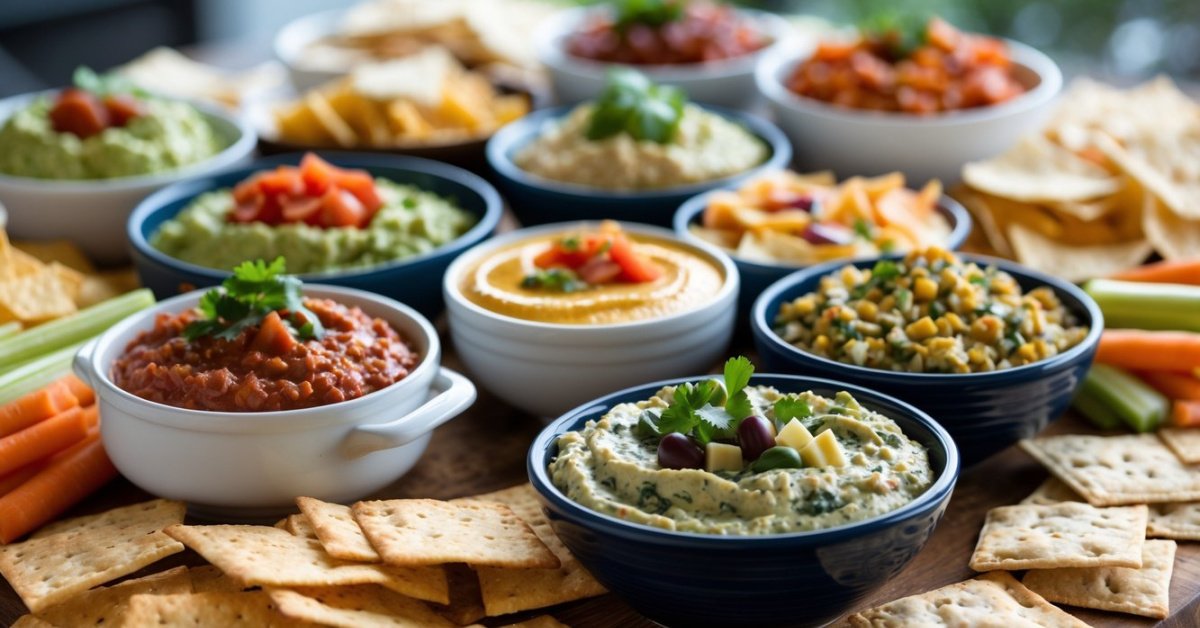
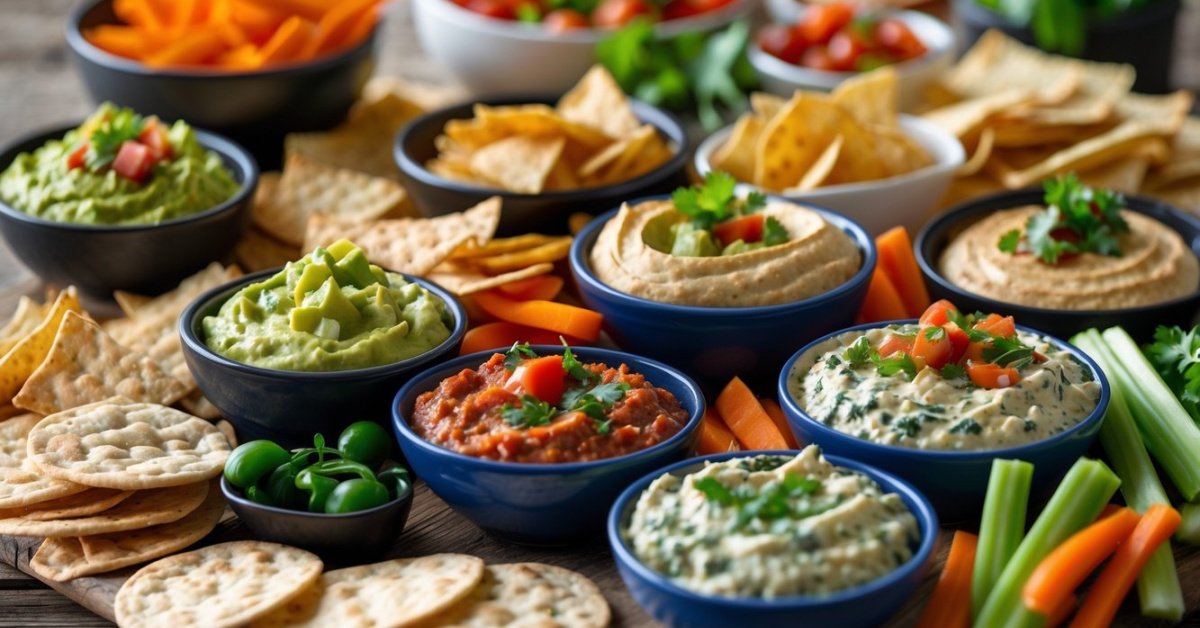
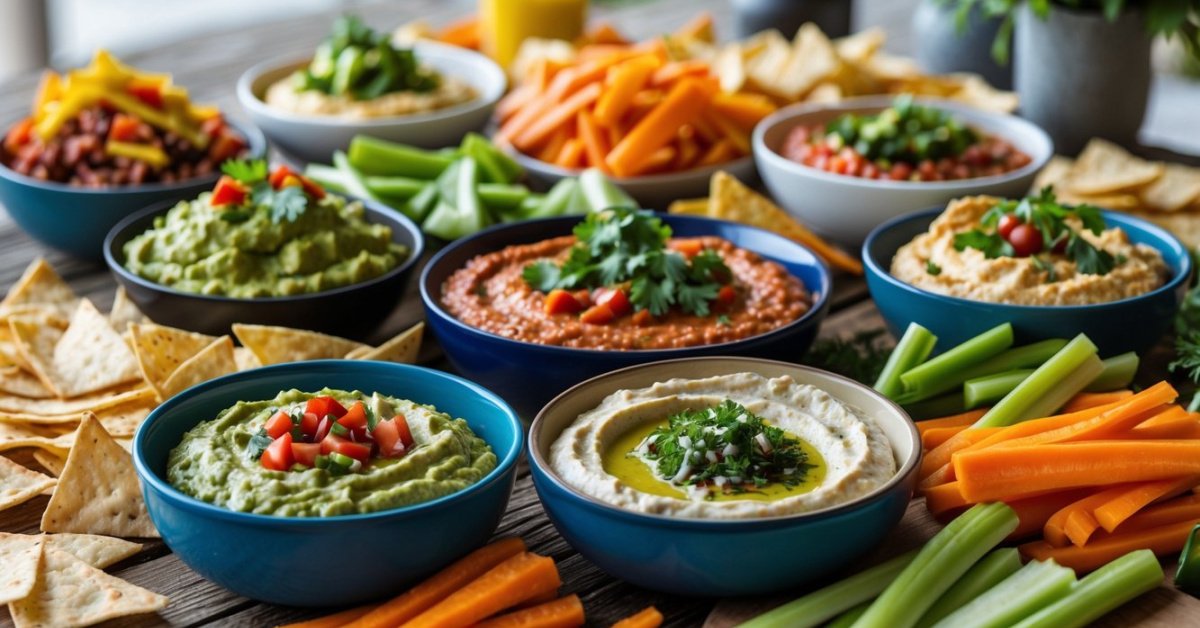
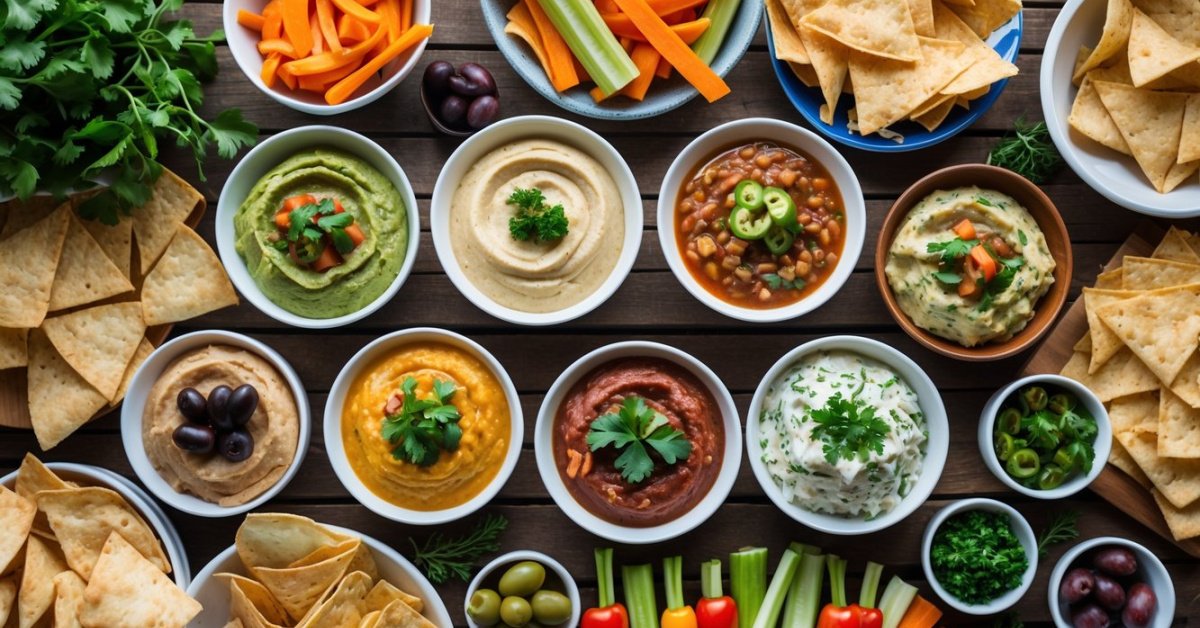
If you like entertaining, I put out roasted garlic hummus in the middle of a dip platter along with tzatziki, spicy feta dip, and a handful of marinated olives. Guests dip everything from crackers to pretzels and even hush puppies if I’m feeling homesick.
For parties, I swirl hummus in a shallow bowl, drizzle with good olive oil, and sprinkle roasted pine nuts or fresh parsley on top. The look and flavor knock folks off their feet every time.
Pros and Cons
Pros
- Rich flavor with roasted garlic: Roasted garlic gives hummus a deep, mellow taste that hits home, especially for folks used to regular dips like ranch. My roasted garlic hummus goes over real big at tailgates and potlucks in Alabama, where folks know flavor.
- Nutritious, filling snack: Chickpeas, tahini, and olive oil pack in protein, fiber, and healthy fats. When I put this out at parties, I see folks fill up on something that ain’t just empty calories.
- Versatile as dip or spread: I use this hummus as a spread for sandwiches, dollop on salads, or scoop with veggies. My customers loved how one batch of homemade hummus could cover a whole meal’s worth of needs.
- Easy to make at home: Ingredients like canned chickpeas, garlic, and tahini stay handy in my pantry. Roasting garlic takes a little time, but it’s worth it when I see the bowls scraped clean.
- Allergen-friendly: This hummus is dairy-free and gluten-free. That means folks with dietary limits—like my cousin’s kid with celiac—can dig right in.
- Garlic-forward flavor can overwhelm: Roasted garlic makes the flavor bold, so folks not partial to garlic might step back for milder dips. I’ve found that people at family gatherings sometimes ask for “plain” hummus after a big bite.
- Prep needs a bit more time: Roasting garlic takes 30-40 minutes, so it ain’t as quick as stirring together a seasoning packet and sour cream. I keep a batch of roasted garlic in my fridge for when the urge hits.
- Texture depends on technique: Getting that creamy, restaurant-style hummus takes a good blender or food processor. Sometimes folks end up with a gritty batch if they don’t blend long enough, which doesn’t impress picky snackers.
- Short fridge life compared to store-bought: Homemade roasted garlic hummus stays fresh for about 5 days in my experience, less than some store dips full of preservatives.
- Tahini price and availability: Good tahini runs up the cost a bit, and in small-town Alabama stores, sometimes I gotta order ahead to keep my pantry stocked.
Conclusion
Roasted garlic hummus has become one of my favorite ways to add a little something special to everyday meals and gatherings. I love how just a few simple ingredients can come together to create a dip that’s both comforting and impressive.
If you haven’t tried making it yourself yet I hope you’ll give it a shot. There’s nothing quite like the aroma of roasted garlic filling the kitchen or the satisfaction of dipping into a homemade batch. Once you do your snack game will never be the same.