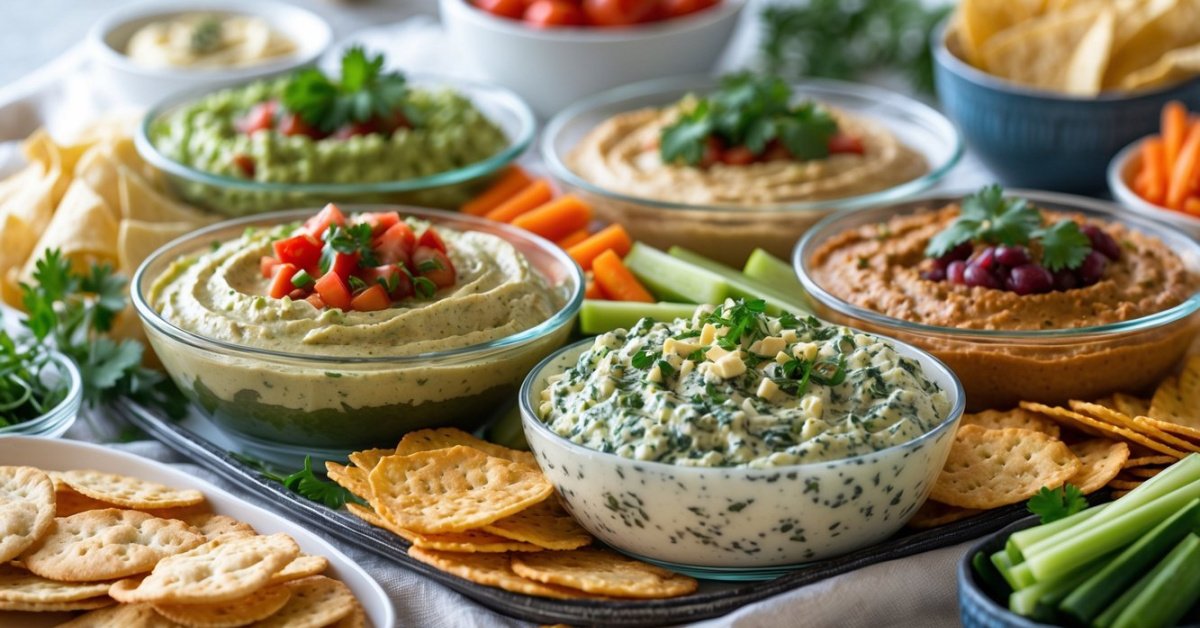
Whenever I think about the heart of Mexican cuisine, salsa roja instantly comes to mind. It’s that vibrant red sauce you’ll find on nearly every table in Mexico, bringing a burst of flavor to tacos, eggs, grilled meats, and so much more. Just a spoonful can transform a simple meal into something unforgettable.
I love how salsa roja captures the essence of fresh ingredients and bold spices. It’s not just a condiment—it’s a celebration of tradition and creativity. Whether you like it mild or crave a fiery kick, there’s a version of salsa roja for everyone.
What Is Mexican Salsa Roja?
Mexican salsa roja is a classic red sauce that shows up at just about every table south of the border. I call salsa roja the backbone of Mexican dips. Folks make it mainly with ripe tomatoes, fresh chili peppers, onion, garlic, and a little bit of cilantro. Sometimes, they’ll swap in tomatillos or use a mix of dried and fresh peppers for different kinds of heat—think jalapeños for milder salsa and chile de árbol for a big spicy kick.
I always reach for salsa roja when I want a dip that’s both bold and balanced. It’s blended smooth or left chunky, cooked on a skillet or just raw, depending on what kind of flavor you’re after. Some versions taste smoky because they char the veggies right over open flame. Others come out bright and fresh since everything goes in raw.
The thing about salsa roja: it shines as a dip for tortilla chips, but it’s just as good ladled onto tacos, spooned over grilled chicken, or stirred into scrambled eggs. At my old dip company, every batch had its own personality thanks to the mix of peppers and how long I roasted the vegetables. No matter the recipe, salsa roja always brings some homemade heat and garden flavor to the party.
Key Ingredients And Flavor Profile
Every time I make Mexican salsa roja for folks, they ask about the fresh kick and bold flavor. The real secret’s in the mix of simple, honest ingredients that blend just right.
Essential Ingredients
- Ripe tomatoes: I grab plum or Roma tomatoes since they hold up and give a sweet, full flavor. Freshness matters most here.
- Chili peppers: I like to toss in jalapeños or serranos. Sometimes, I’ll add a dried chili—like guajillo—for a smoky pop. Swap peppers for more or less heat.
- White onion: This slices through the sweetness and brings sharpness. Yellow onions work if that’s what I’ve got.
- Fresh garlic: Garlic closes the gap between bright and savory. One or two cloves do the trick.
- Cilantro: I always mix in a handful of chopped cilantro at the end for an herbal finish.
- Salt: Always add salt. It ties everything together.
- Optional extras: Sometimes, I like to add a splash of lime juice, tomatillos, or even a pinch of black pepper for an extra layer.
Typical Flavor Characteristics
Mexican salsa roja comes out bold, tangy, and just a bit smoky if I roast the veggies first. The tomatoes bring sweetness while the chili peppers offer heat, which I can crank up or tone down. That cilantro shines through with a fresh, green note. Sometimes I blend it till smooth for a silky dip, other times I leave it chunky for garden-style texture. My favorite batches balance tomato sweetness, chili spice, garlic punch, and that herby cilantro zip. It’s clean, fresh, and always gets folks scooping for more.
Traditional Preparation Methods
I work with fresh tomatoes, chiles, and spices every time I make salsa roja at home. Folks around my table always notice how the little details in prep shape the flavor, texture, and kick.
Classic Blending Techniques
I use two main ways when I’m making salsa roja: grinding by hand or going modern with a blender. Hand-grinding calls for a molcajete, that big old Mexican stone mortar and pestle. This method makes a thick, rustic dip with bursts of flavor from chiles and garlic. Using a blender, I get a smooth, pourable sauce that’s just right for ladling over grilled meats or dipping warm chips. Each time I pulse, I keep control over texture—smooth for drizzling, chunky for scooping.
Cooking Versus Raw Salsa Roja
I make cooked salsa roja when I’m after rich, deep flavors. I’ll roast my tomatoes, sear the chiles, and toast the garlic in a cast-iron skillet; then I blend everything hot. This technique gives my dip a smoky, slightly sweet finish. When the weather’s warm or the tomatoes are extra sweet, I just blend everything raw. Raw salsa roja always tastes brighter and packs a sharper kick. Both versions go quick around my table, depending on what I’m serving and how bold I want those classic red flavors to be.
Best Uses For Mexican Salsa Roja
Salsa roja lands right at the top of my list for must-have dips. I use this bright red sauce in more ways than folks might guess, at picnics or right on my kitchen table.
Popular Dishes Featuring Salsa Roja
- Tacos and burritos: I spoon salsa roja right over beef tacos, shredded chicken burritos, or barbacoa for a bold, tangy kick. Folks at my old dip shop never left a taco tasting without a bit of it on the plate.
- Enchiladas: I pour a thick layer of this sauce over rolled enchiladas—whether beef, cheese, or bean—then bake until the edges get a little crispy and the flavors mingle.
- Huevos rancheros: I cover fried eggs with salsa roja for a zesty breakfast. It takes simple eggs and tortillas and makes ’em shine.
- Grilled meats: I serve it alongside grilled chicken, skirt steak, or pork, letting the smoky heat of the salsa balance those charred edges.
- Chilaquiles: I toss crisp tortilla chips with warm salsa roja, top with cheese and a little sour cream. It turns day-old chips into a hearty, saucy meal.
Serving And Pairing Suggestions
- Tortilla chips: I fill a big bowl with fresh tortilla chips and set a jar of salsa roja nearby. People dip, chat, and before long, the bowl’s empty.
- Tex-Mex platters: I dollop salsa roja over rice, black beans, and roasted veggies. It makes sides taste like mains.
- Fusion dips: I swirl it into sour cream for a creamy, spicy dip or mix with guacamole for an extra burst of flavor.
- Party platters: I line up salsa roja next to queso, chunky pico, and my Alabama chow-chow for a dip spread that covers everybody’s cravings.
- Egg dishes: I spoon it across scrambled eggs or omelets, turning breakfast into a full-flavored start.
Using salsa roja as a table sauce, marinade, or even stirred into stews lets any home cook catch a little bit of that Mexican kitchen magic right in their own home.
Store-Bought vs. Homemade Salsa Roja
Salsa roja pops up in every big grocery aisle now, but nothing beats the batch you make by hand. Folks ask me about the difference all the time when they’re on the hunt for that perfect dip.
Pros And Cons Of Each Option
Homemade Salsa Roja
- Big flavors: Homemade salsa roja lets fresh tomatoes and peppers shine, like when I toss whole Roma tomatoes and charred jalapeños right on the grill before blending.
- Customizable heat: I pick the spice, from mild to wild, by changing out chilies or adjusting garlic.
- Pure ingredients: Every spoonful is free of preservatives, thickeners, and added sugars, something I always harp on back from my dip company days.
- Short shelf life: Homemade only stays fresh in the fridge 3-5 days, since there’s no commercial pasteurization.
- Time investment: Charring, cooling, and blending takes 15-30 minutes, way more than popping a lid.
Store-Bought Salsa Roja
- Consistent taste: Brands like Herdez or La Costeña nail the same salsa roja taste every time, no matter the batch.
- Extended shelf life: Jars last months sealed and about 1-2 weeks refrigerated once opened, which works for folks who don’t tear through salsa like I do.
- Convenient: Store-bought makes for an easy, quick dip when company shows up unexpected.
- Compromised flavor: Mass production uses tomato paste, citric acid, and stabilizers, so salsa tastes less like fresh garden veggies.
- Limited personalization: Store jars lock you into their level of heat and salt, so no way to tweak flavors on the fly.
Here’s a handy table comparing both:
| Option | Flavor Quality | Customization | Shelf Life | Ingredients | Prep Time |
|---|---|---|---|---|---|
| Homemade | Fresh, vibrant | Total control | 3-5 days (fridge) | Pure, whole veggies | 15-30 mins |
| Store-bought | Consistent, muted | None | Months (sealed) | Preserved, stabilized | 1-2 mins |
I’ve spent years testing salsa roja side-by-side, and every dip recipe fan I’ve met picks fresh flavor over convenience every time there’s a choice. Homemade brings real salsa rojo right to your bowl, and that’s tough to beat for any dip lover craving something special.
Conclusion
Whenever I make salsa roja at home I feel like I’m bringing a little piece of Mexico to my kitchen. There’s something special about watching fresh ingredients come together to create a sauce that’s bursting with color and flavor.
Whether I’m spooning it over tacos or serving it with chips salsa roja always steals the show. I love how each batch can be tweaked to match my mood or the meal I’m making. If you haven’t tried making your own yet I promise it’s a delicious adventure worth taking.