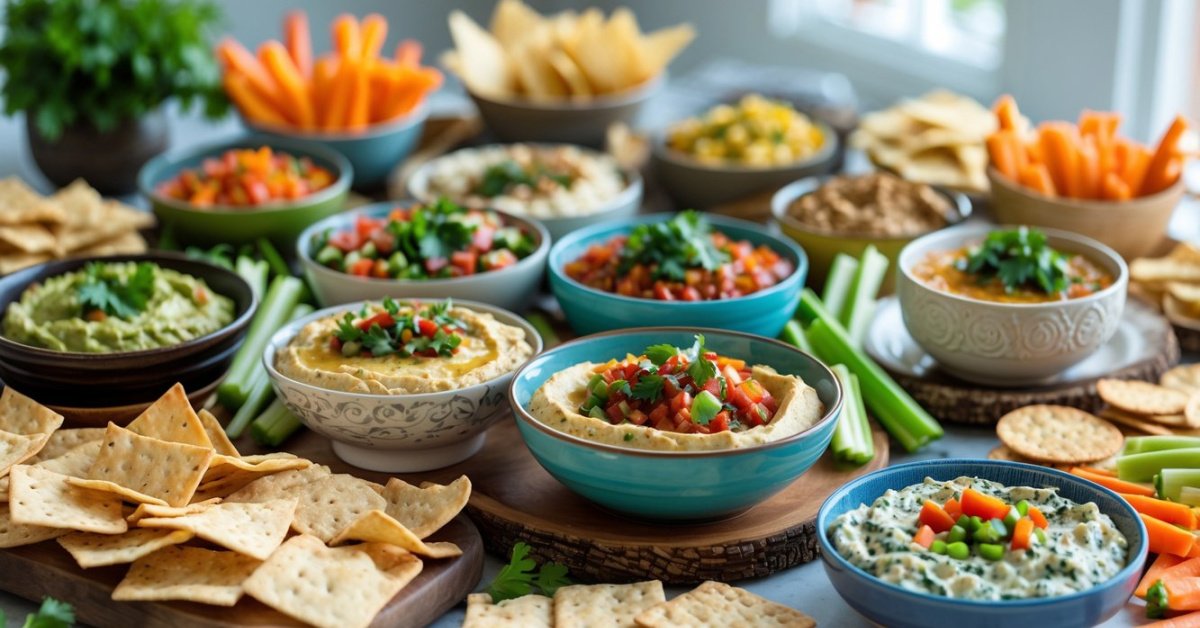
Whenever I think of cozy gatherings and good food, Bagna Cauda instantly comes to mind. This warm Italian dip, hailing from the Piedmont region, brings people together around the table in the most delicious way. With its bold flavors and simple ingredients, it turns any meal into a celebration.
I love how Bagna Cauda isn’t just about the food—it’s about sharing stories and laughter while dipping fresh veggies into a rich, garlicky sauce. It’s the kind of dish that invites everyone to slow down and savor the moment. If you’re looking for a taste of Italy that’s both comforting and unforgettable, Bagna Cauda is the perfect place to start.
What Is Italian Bagna Cauda?
Italian Bagna Cauda’s just about the boldest warm dip I ever met. Originating way up yonder in Italy’s Piedmont region, Bagna Cauda means “hot bath” in their local lingo, and that’s right on the money. I make this dip with a rich mix of garlic, anchovies, and extra-virgin olive oil—sometimes I throw in a splash of butter for extra creaminess.
Folks serve Bagna Cauda piping hot, right from the pot. Everyone gathers ’round, dipping fresh veggies—think carrots, peppers, fennel, or radishes—into this savory mixture. The heat keeps the sauce smooth, the anchovies melt right down, and the garlic gets mellow.
Back when I was running my dip business, I realized Bagna Cauda’s different than most dips you find at the store. Instead of serving cold or with crackers like my Southern cheese dips, this one brings folks together over shared bites of crunchy produce. It’s more communal than fancy, which I appreciate.
I treat Bagna Cauda as a bridge between traditional Italian flavors and my own kitchen experiments. Garlic, anchovies, and oil hit you up front, but the dish always feels homey, rich, and downright satisfying. For anybody looking to try something new and warm for the table, Bagna Cauda’s a classic that still surprises even seasoned dip makers like me.
The History and Origins of Bagna Cauda
Bagna Cauda comes straight outta the Piedmont region in northwest Italy, where folks’ve been gatherin’ round the table with this dip since at least the 16th century. Farmers and vineyard workers cooked it up every fall to celebrate the harvest, and they’d dip whatever fresh veggies they just pulled from the fields—think carrots, celery, and bell peppers. That’s how Bagna Cauda earned its spot as a classic social food.
Anchovies, garlic, and olive oil built the signature flavor of Bagna Cauda, ‘cause those ingredients stayed easy to get for regular country folks in that region. The word “Bagna” means “sauce” or “bath” in that old Piedmontese dialect, and “Cauda” just means “hot.” So it’s a hot bath for your veggies, and everybody dug in together.
Over time, Bagna Cauda moved past farmhouse tables, making its way onto fancier spreads and even restaurant menus across Italy. Chefs might throw in some butter or cream to mellow out the garlic punch, but it always circles back to those roots— rustic, bold, and made for sharing. Because it’s all about the folks round the table, laughin’, dippin’, and eatin’ every last bite. That’s the soul of Bagna Cauda, and it’s why I love tinkerin’ with it in my own Alabama kitchen.
Key Ingredients and Flavor Profile
When I whip up Italian Bagna Cauda, I grab just a handful of basics, but each one’s a powerhouse. Here’s what goes in:
- Anchovies: I use salted anchovy fillets, which bring a deep, ocean-salty flavor. These little fish turn smooth and rich when melted in hot oil.
- Garlic: I slice fresh garlic cloves real thin. Slow-cooked garlic gives the dip its mellow heat and sweetness.
- Extra-Virgin Olive Oil: I always reach for a good, peppery olive oil. It’s the backbone, carrying the flavors and keeping the dip silky.
- Butter (sometimes): Some old-school recipes, and a few new twists I’ve tried, add a bit of butter. This rounds out the garlic and balances the salty anchovies.
Bagna Cauda’s flavor profile is all about bold, savory notes and that warm, comforting punch. Anchovies and garlic lead, but the olive oil smooths everything out. When you dunk veggies like pepper strips, radishes, or fennel in it, you taste rich umami, gentle sweetness, and a savory finish with each bite. Each ingredient works together, creating a dip that’s downright addicting and full of Italian soul.
How Italian Bagna Cauda Is Traditionally Served
Bagna Cauda lands right in the center of the table, warm and ready for sharing. Folks gather around the pot, veggies in hand, dipping and talking the night away.
Common Accompaniments and Dipping Foods
Fresh, crisp vegetables always line up with Italian Bagna Cauda. I lay out carrots, bell peppers, fennel bites, radishes, and celery, just like Piedmont folks do. Crusty Italian bread soaks up every drop, and crunchy cardoon stalks—that’s a classic choice up in Italy, though tricky to find in Alabama. Some folks toss in roasted potatoes or cauliflower florets for something heartier. Every bite soaks up that bold, salty goodness straight from the sauce.
Serving Temperature and Presentation
Italian Bagna Cauda gets served sizzling-hot, never cold. I keep mine bubbling in a ceramic or earthenware pot, usually set over a small flame or on a fondue warmer—anything that keeps it hot and ready. Serving in small bowls or ramekins lets everyone get in there and dip without fighting over the main pot. Presentation stays simple: just a wide tray stacked with vegetables, a couple of warm loaf slices, and that steaming pot of garlic-anchovy sauce sitting right in the middle, making it easy for everyone to dig in.
Making Italian Bagna Cauda at Home
Bagna Cauda makes one heck of a centerpiece for a dip spread at home. I’ve made it hundreds of times in my Alabama kitchen, tinkering with every batch till it comes out bold, smooth, and crowd-pleasing.
Step-by-Step Preparation Guide
- Get Ingredients Together: I always start with 2 heads of fresh garlic, 12 top-quality anchovy fillets packed in oil, 1 cup extra-virgin olive oil, and 3 tablespoons unsalted butter. I keep a basket of cleaned veggies—carrots, celery, sweet peppers, fennel, radishes—and a loaf of crusty bread right on the counter.
- Prep the Garlic: I peel and slice the garlic real thin. That helps it melt right down in the oil without burning or biting.
- Heat the Base: I warm up the olive oil nice and gentle in a heavy-bottomed pan. Garlic goes in first, then I stir till it gets soft and barely golden—about 8 minutes for me.
- Add Anchovies: I tuck the anchovy fillets into the pan and mash ‘em with a wooden spoon till they dissolve. Olive oil and anchovies start smelling like you’re standing in a little kitchen in Piedmont.
- Finish With Butter: I drop in butter to mellow things out, stirring till it all comes together silky and smooth. If I’m feeling fancy, I add a splash of heavy cream for extra richness.
- Serve Piping Hot: I pour the dip into a ceramic bowl or a fondue pot and set it right in the center of the table, keeping it warm if I can. Everyone gets to dive in—veggies, bread, even roasted potatoes.
Tips for the Best Flavor
- Use Top-Tier Anchovies: I pick oil-packed anchovies from Italy or Spain—the flavor’s richer and less fishy.
- Go Slow With the Heat: I keep my flame low the whole time. High heat’ll burn the garlic and turn the oil bitter.
- Mild Butter Softens the Edge: I use unsalted butter so it doesn’t overpower the anchovies, and I go easy on salt.
- Balance the Garlic: If you want gentler flavor, soak garlic slices in milk for 10–15 minutes before simmering.
- Keep It Warm: I use a cast-iron dish or a fondue pot to serve, since Bagna Cauda is all about warmth. If it cools and thickens, just warm it back up real gentle.
- Try Real Local Veggies: Fresh, local produce—like early spring radishes or Alabama sweet peppers—makes the whole thing shine.
Bagna Cauda ain’t just dip—it’s an experience, and when you make it at home, you’re bringing tradition and bold flavor to your table.
Taste Test: Texture and Flavor Experience
Sampling Bagna Cauda brings a rich, silky dip that’s smooth right out of the pot. I get that warm, almost velvety mouthfeel from the olive oil and butter melting together—no grit or grain, just a nice, steady coat on all those crunchy veggies. When I dip carrots, peppers, or even a hunk of good crusty bread, the sauce clings but doesn’t run, wrapping everything in that savory goodness.
Flavor-wise, it hits with punchy, deep garlic and salt-forward anchovy flavor. That anchovy’s not fishy—it’s more like a background note tying the whole thing together, giving a savory kick without overpowering. I always taste layers—first the olive oil’s fruitiness, then garlic, then a slow heat from the anchovies melding in. Each bite pops with that home-cooked depth. Every time I add a different veggie, it soaks up the Bagna Cauda a little different, making each round at the table its own taste adventure.
After running my own dip company, I look for balance; Bagna Cauda brings that every time. It’s bold but stays smooth, never flat or greasy. You get that comforting warmth in every bite, like a hug you can eat. For folks who love a dip with real texture and punchy, full flavor, this Italian classic’s a game-changer at the dinner table.
Pairing Suggestions With Bagna Cauda
First time I tasted Bagna Cauda, I knew this dip needed sides that do it justice. Bagna Cauda shines with crisp veggies, but let me share a few ways I like to round out the table.
- Vegetable Platters:
Fresh, crunchy vegetables, like bell peppers, celery, carrots, fennel, endive, and radishes, balance the bold, garlicky dip. I slice carrots and fennel thin and quarter those radishes so each dip soaks up just enough flavor.
- Roasted and Root Vegetables:
Something about roasted potatoes, cauliflower, or baby carrots makes the warmth of Bagna Cauda pop. I usually roast fingerling potatoes or small cauliflower florets until they get a golden edge then serve ’em hot.
- Crusty Breads:
Hearty Italian bread, like ciabatta or focaccia, works best with Bagna Cauda thanks to its sturdy crumb. I toast thick slices so they hold up to the hot dip without turning soggy.
- Heartier Pairings:
Some folks in my crew dunk cooked shrimp, grilled chicken, or even steak strips into Bagna Cauda. I tried grilled shrimp once, and that briny-sweet taste blended smooth with the dip’s rich flavors.
- Cheeses and Olives:
Sharp cheeses, including aged Parmigiano-Reggiano, and briny green olives give the meal texture and accent the main flavors. I set out small wedges and bowls so everyone gets to taste different combinations.
- Wine Pairings:
Crisp white wines, like Gavi or a dry Pinot Grigio, match the dip’s richness. Sometimes I open a light red, like Dolcetto d’Alba, if I’ve got heartier meats on the spread.
Here’s a quick table that sums up my favorites:
| Side or Pairing | Type | Why It Works |
|---|---|---|
| Bell peppers, radishes | Fresh vegetables | Crunchy contrast, soaks up flavor |
| Roasted potatoes | Roasted vegetables | Heartier, toasty, pairs with warm dip |
| Ciabatta, focaccia | Crusty breads | Sturdy, absorbs sauce without getting mushy |
| Shrimp, chicken, steak | Proteins | Hearty, adds new layers to dip experience |
| Parmigiano, olives | Cheeses and condiments | Bold, funky, and briny flavors balance dip |
| Gavi, Dolcetto | Wines | Cuts richness, refreshes palate |
That’s how I keep folks happy around my Alabama table every time I serve Bagna Cauda.
Conclusion
Bagna Cauda always brings a special kind of warmth to my table. There’s something magical about gathering around a bubbling pot and sharing stories over vibrant veggies and crusty bread.
Every time I make it I’m reminded that the best meals are about more than just food—they’re about the laughter and connection that happen along the way. If you’re looking for a dish that turns any meal into a celebration Bagna Cauda is my favorite way to make it happen.