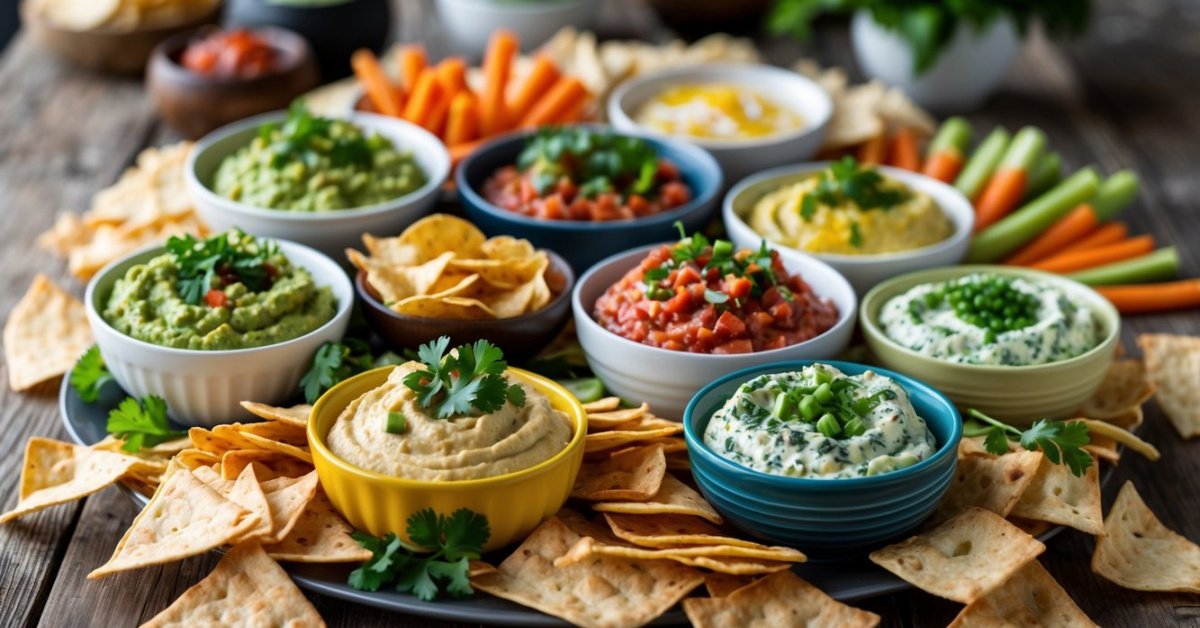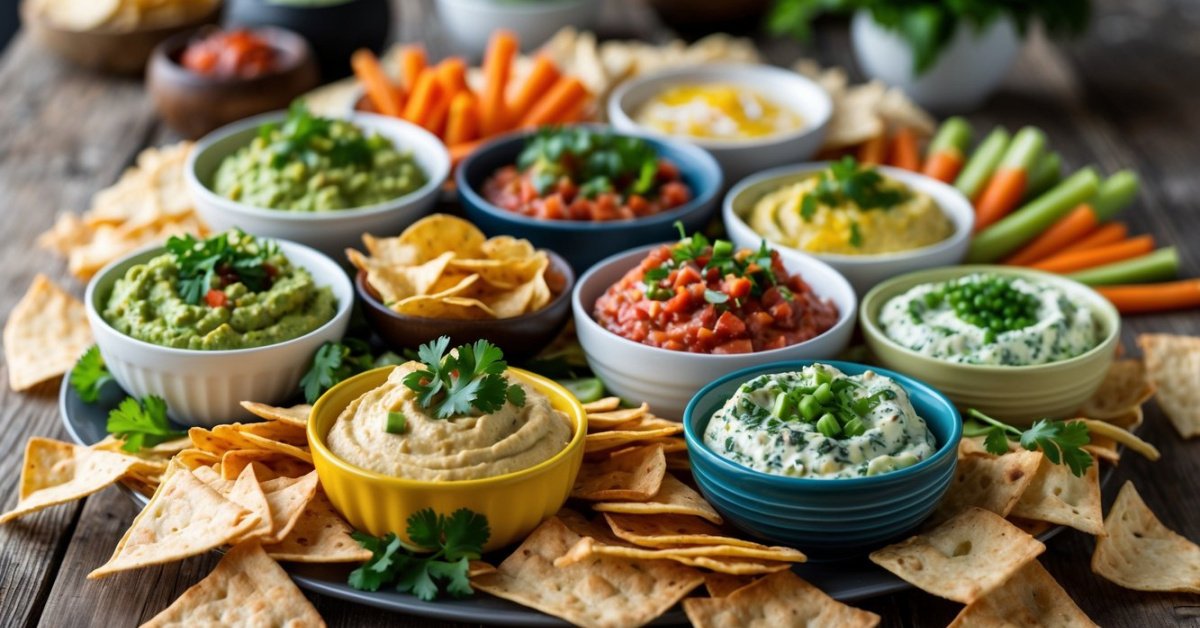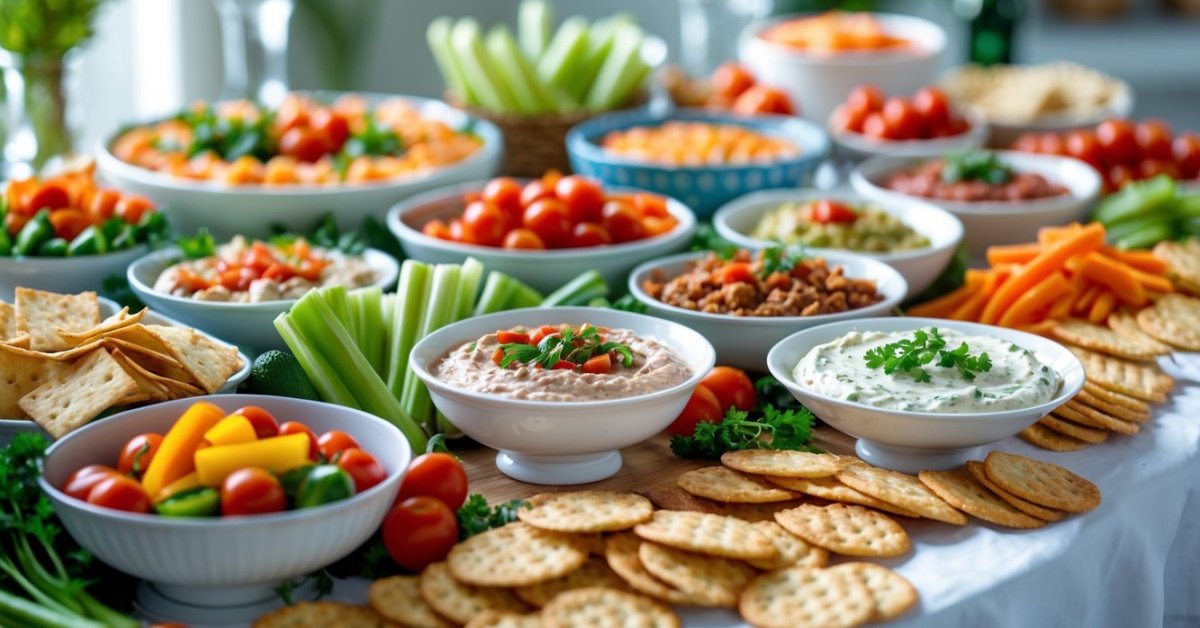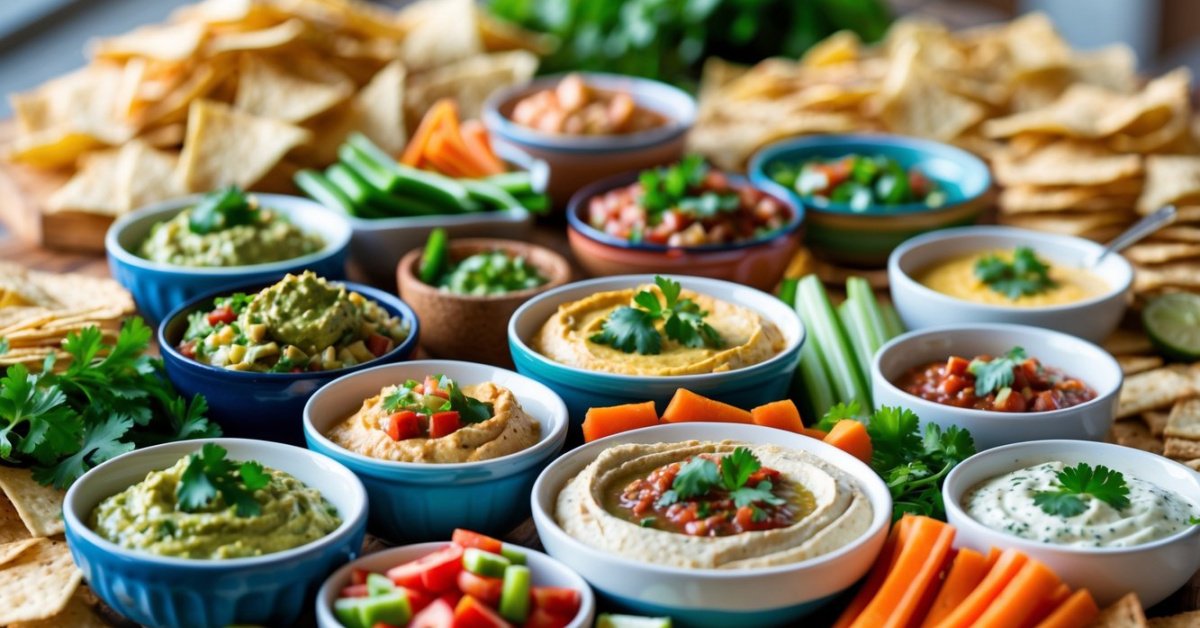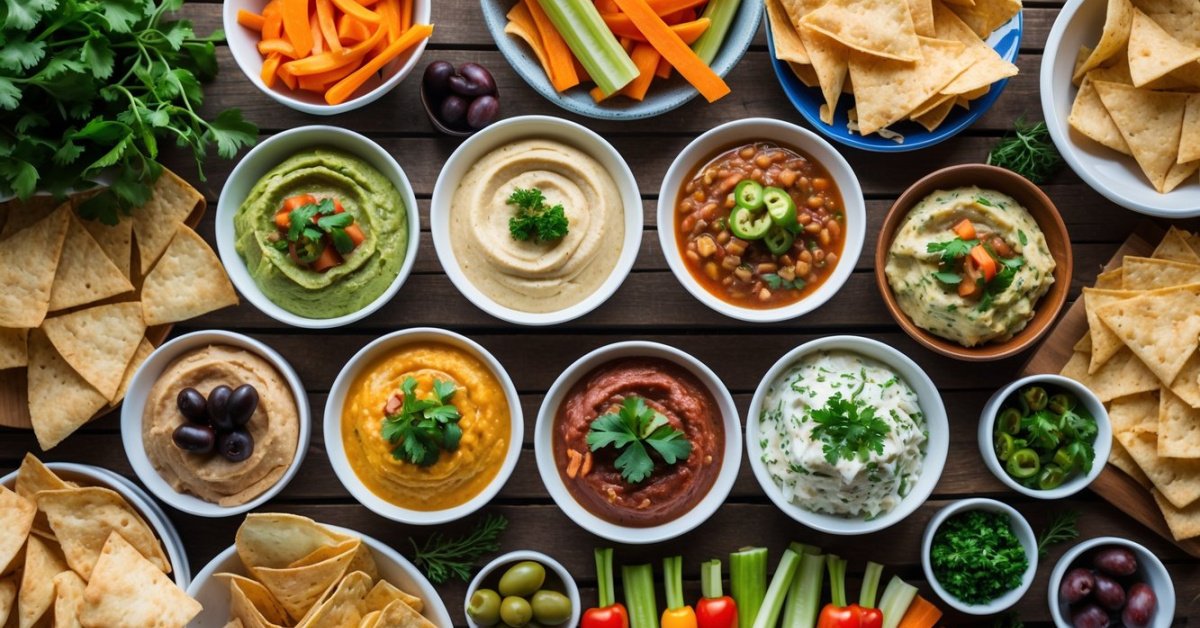
Whenever I walk into a party or family gathering, I can’t help but head straight for the dip table. There’s just something about a bowl of creamy ranch or spicy salsa that brings everyone together. Dips have become a staple at American get-togethers, turning simple snacks into something worth celebrating.
I’ve always been fascinated by how these flavorful creations have changed over time. From classic onion dips to trendy avocado-based spreads, American dips tell a story of creativity and cultural influence. It’s amazing to see how a humble side dish has evolved into a must-have at every occasion.
The Origins of American Dips
Folks started mixing up American dips way back, pulling flavors from potluck tables and family suppers all over the South and beyond. Early dips really got goin’ when folks blended simple things like sour cream, mayonnaise, and soup mix. I’ve seen old church cookbooks packed with recipes for French onion dip that just called for Lipton onion soup mix and a tub of Daisy sour cream.
Native American cooks brought corn, beans, and tomatoes into the game—think of the classic black bean dip or simple tomato salsas you’d taste at home gatherings. Next, immigrants tossed their own spin into the bowl. Mexicans brought guacamole, Italians mixed up roasted pepper spreads, and the Greeks gave us tzatziki, which later turned into cucumber dips at backyard barbecues.
Dip recipes traveled fast in the ’50s, when supermarkets started carrying more dairy, canned goods, and spices. Dips took center stage at football parties, church socials, and holiday spreads. If you peek at an old Good Housekeeping from 1953, you’ll spot ads for clam dip, crab dip, and cheese balls.
Home cooks leaned on whatever was cheap and handy—canned clams for clam dip or dried ranch seasoning packets stirred into whatever dairy product you had on hand. Homemade dips like pimento cheese popped up across the South, while artichoke dips started showing up on coasts.
Every scoop tells a story of home kitchens, hardworking hands, and families looking to feed a crowd using what they got. I’ve watched dips go from a simple bowl at a tailgate in Mobile to a centerpiece at weddings and birthdays across America.
Influence of Regional Cuisines
Every dip’s got roots somewhere, and in America, you can taste the landscape in every spoonful. I’ve seen how folks take what’s local and spin it into crowd-pleasing magic.
Southern Classics and Tex-Mex Inspirations
Southern kitchens built their dips from staples like cream cheese, pimentos, and smoked meats—think pimento cheese or classic sausage dip. Down here in Alabama, I perfected a baked cheese dip at my company using sharp cheddar, spicy jalapenos, and crumbled country sausage. Tex-Mex favorites like queso and guacamole entered the mix thanks to Mexican influence—queso blends melting cheeses and green chilies while guacamole stays true with ripe avocados, lime, and cilantro. Game days in the South serve up crockpots of Ro-Tel dip right alongside bowls of salsa with fresh corn chips.
Northeast and Midwest Favorites
Northeastern gatherings lean on creamy clam dips and smoked fish spreads. Growing up, I traded recipes with guys from New Jersey, learning tricks with horseradish and smoked whitefish. Up in the Midwest, folks love their French onion dip made with sour cream and soup mix—my Alabama take tosses in roasted onions for deeper flavor. Classic beer cheese from Wisconsin melts sharp cheddar and beer into a smooth crowd-pleaser. At my company, I shipped jars of both clam dip and beer cheese to homesick Northerners all over the country.
The Rise of Store-Bought and Processed Dips
Folks who love dips like I do probably noticed store shelves filling with all kinds of ready-made tubs. Store-bought dips changed how folks entertain, making it quick to set out something tasty at a moment’s notice.
The Impact of Convenience Foods
Processed foods kicked off a dip revolution. Factories started pumping out sour cream blends, cheese dips, and salsa jars during the second half of the 1900s. Families tossed tubs of French onion or classic ranch into their shopping buggies—no stirring, chopping, or mixing at home. Neighborhood gatherings and Sunday football got easier, since anyone could grab a dip and go. In the ‘70s and ‘80s, national grocers pushed these dips with big displays, fueling more parties and snack tables.
Popular Brands and Their Innovations
Big brands entered the market with bold flavors and custom packaging. Companies like Frito-Lay, Tostitos, and Heluva Good’ loaded shelves with French onion, zesty bean, and garden vegetable dips. Frito-Lay introduced Fritos bean dip in 1955. Tostitos salsa and queso lines followed in the early ‘80s. Heluva Good’ launched new sour cream-based blends through the ‘90s. Specialty companies—the folks I used to run with—experimented with bacon-forward cheddar, spicy jalapeño cheese, and Greek-inspired tzatziki. Refrigerated hummus hit grocery chains in the ‘00s, with brands like Sabra kicking off national hummus trends. Store-bought dips let busy folks enjoy punchy flavors without spending hours in the kitchen.
Health Trends and Artisanal Approaches
Folks ask me all the time how dips’ve changed. Over the years, I’ve watched health trends and gourmet flavors shake up how I do things in the kitchen.
The Shift Toward Health-Conscious Recipes
Dips started going lighter as folks cared more about ingredients. I swapped full-fat sour cream for Greek yogurt in ranch dip for some folks. I use roasted veggies like carrots or beets in hummus because folks want heart-healthy options. Dairy-free folks ask for cashew queso and white bean spreads. Gluten-free folks get salsas plain as day, and I’ve mixed up tahini or avocado for creaminess instead of mayo. When customers wanted low-sodium or organic, I changed salt, herbs, and olive oils. Now, nearly 40% of my new recipes use plant-based ingredients like black beans and edamame (source: International Food Information Council, 2023).
The Growth of Homemade and Gourmet Dips
Homemade dips took off as folks wanted something special for parties. I started selling small-batch pimento cheese with local cheddar and smoked paprika. Neighbors asked for fire-roasted pepper spread or blue cheese walnut dip, so I put ’em on the menu. I make every small batch by hand and use farmers’ market produce like heirloom tomatoes or microgreens. Folks out West go wild for hatch chile queso I whip up each season. Cooks experiment with roasted garlic, truffle oil, and sun-dried tomatoes for bold homemade dips. Store aisles fill with “artisanal” labels, but my customers know the difference in taste and texture when I grind everything fresh. For the Super Bowl, I try goat cheese and roasted pecan dip in my lineup for guests who want what no supermarket shelf can offer.
Modern-Day American Dip Culture
Folks everywhere talk about dips now more than ever, and I’ll say nothing brings people together like a good bowl of homemade dip. Snacks ain’t just snacks anymore—flavors and recipes keep getting fancier every season.
Social Gatherings and Trending Flavors
Big crowds and ballgames call for crowd-pleasers, and lately, I’ve been seeing folks dig into flavors like buffalo chicken, bacon jam, and roasted corn salsa right alongside classic ranch or seven-layer dip. Tailgates in Birmingham pack tables with smoked brisket queso, while summer cookouts across the country show off spicy mango salsa, everything bagel dip, and loaded street corn dip.
People crave creamy avocado, charred peppers, chopped pickles, and even hot honey on their chips now. At parties I host, guests always want me to set out spin-dip bread bowls or whipped feta with roasted tomatoes. Dips ain’t just about chips, either—pretzels, veggies, and chicken bites all make the rounds.
The Role of Social Media in Shaping Preferences
Every time I scroll through Instagram or TikTok, there’s another trending dip. Short videos, step-by-step reels, and flash recipes inspire people to try new combinations—I see millions jump on feta-pasta or cowboy caviar every summer. Folks tag me in posts, then swap their versions after a party.
Popular accounts spotlight small-batch and local makers, while hashtags push signature looks like gooey cheese pulls or colorful vegan bowls. I’ve watched my own recipes go viral thanks to folks sharing them—one creamy jalapeño dip got thousands of shares after a cookout video last year.
Social media isn’t just showing what’s hot—it’s driving dip trends straight to Sunday potlucks and game day spreads across America.
Conclusion
Dips have become so much more than just snacks on the side—they’re a delicious way to share memories and traditions. Every gathering I host or attend feels richer when there’s a bowl of something homemade or a new flavor to try.
It’s amazing to see how dips keep evolving with each generation and trend. I love discovering new recipes and sharing them with friends, knowing that every bite connects us to a bigger story of creativity and community.