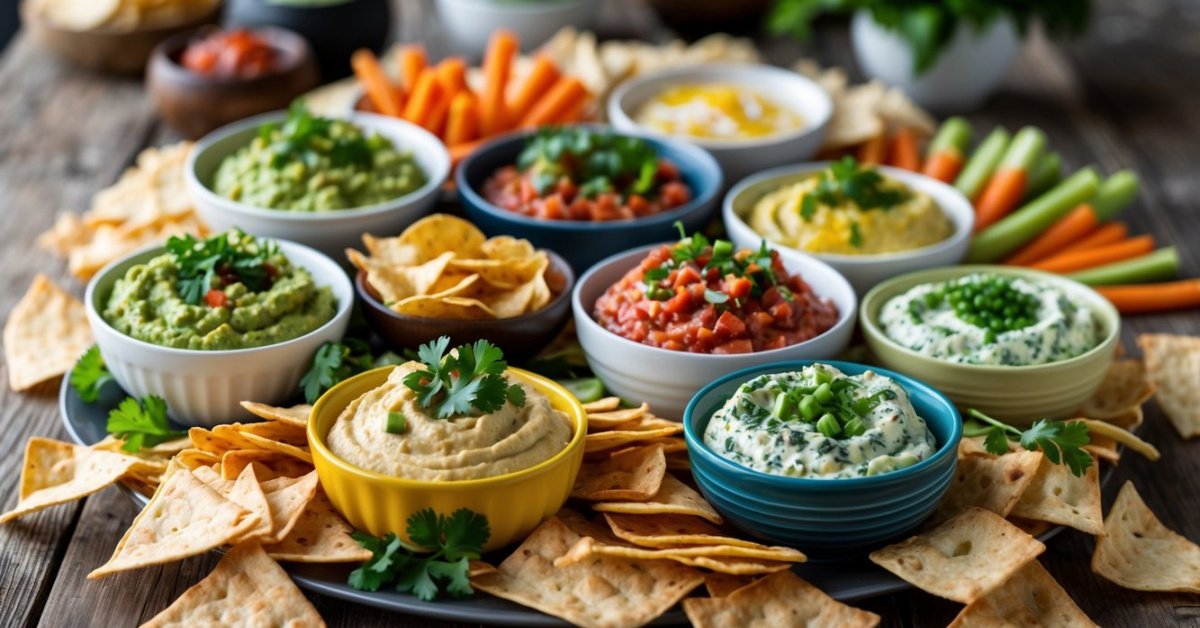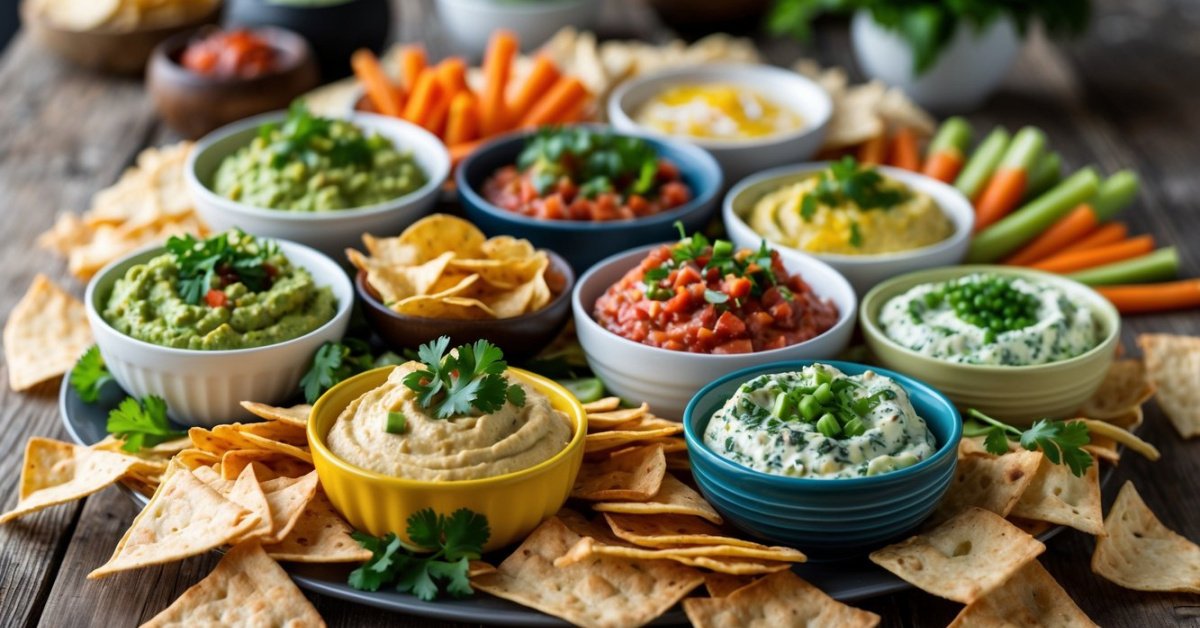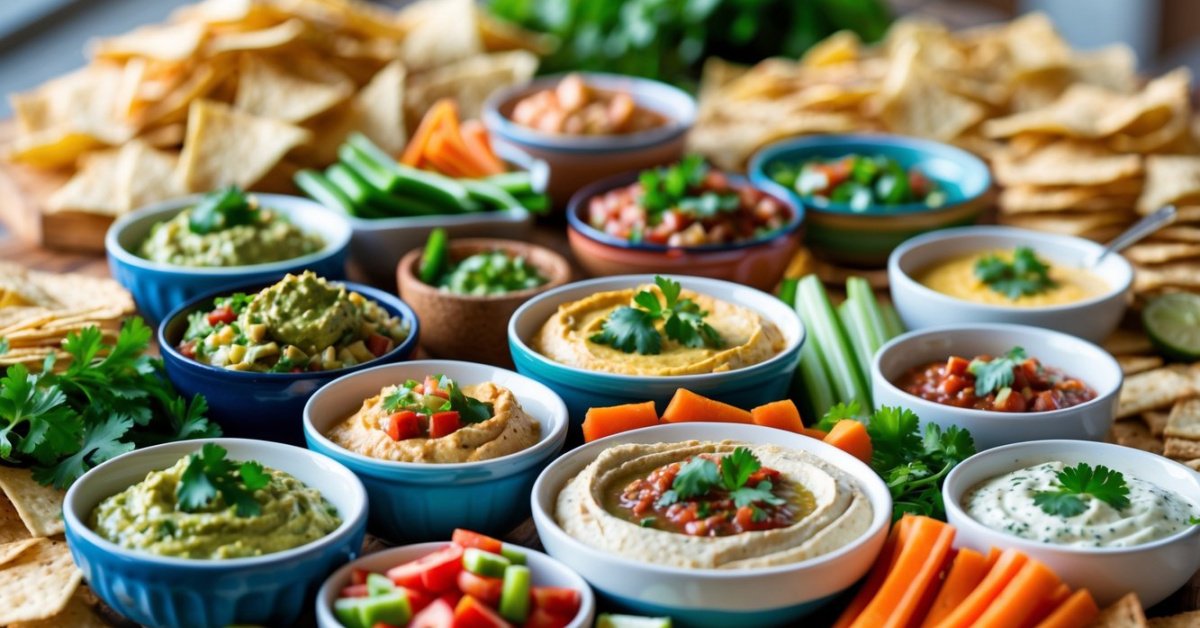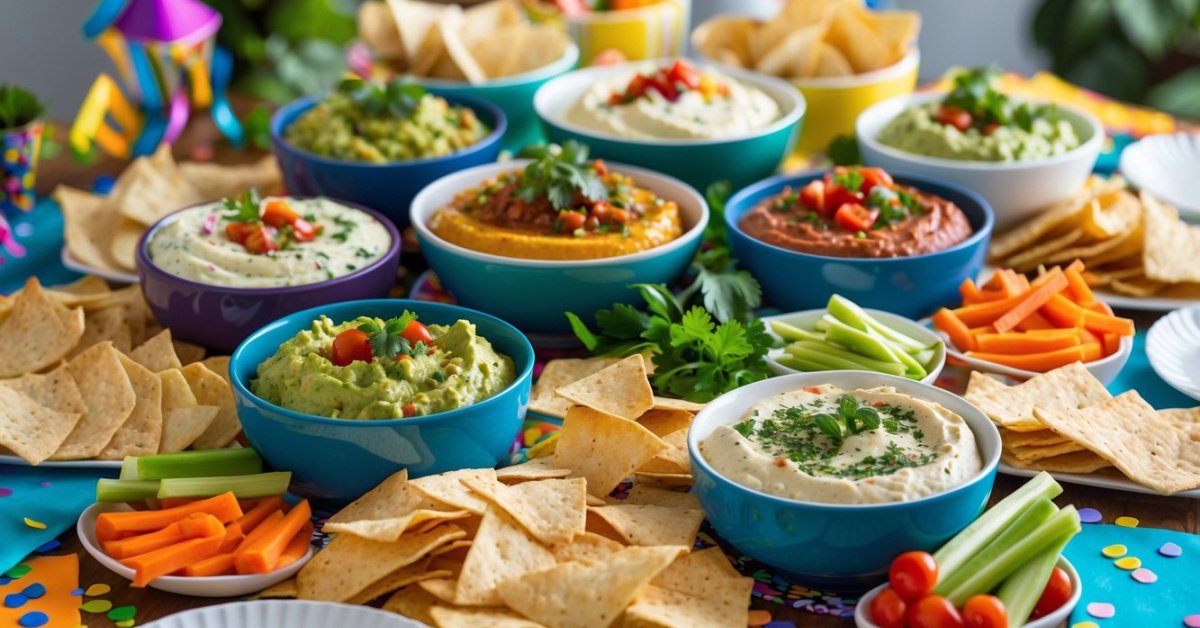
Whenever I think of a party or a casual get-together, guacamole always comes to mind. Its creamy texture and fresh flavors make it a favorite dip for chips, veggies, or just about anything. But there’s more to guacamole than just being a tasty snack—it’s got a story that stretches back centuries.
I’ve always been fascinated by how simple ingredients like avocados, tomatoes, and lime can come together to create something so iconic. Exploring where guacamole really comes from gives me a deeper appreciation every time I scoop up a bite. Let’s take a quick look at the roots of this beloved dish and see how it became the classic we all know and love today.
Ancient Roots of Guacamole
I’ve spent years mixing up dips, but guacamole takes me right back to where food meets history. Folks were cutting into avocados long before we got our hands on tortilla chips.
The Role of Avocados in Ancient Mesoamerica
Avocados grew wild in Mesoamerica, and ancient people like the Aztecs first mashed ‘em up around 500 BC. I know these folks prized avocados for their buttery texture and packed nutrition. Central Mexican cultures traded avocados often, and they showed up on stone carvings as offerings to gods. My own recipes tip the hat to those rich, green fruits from southern Mexico, where the land still gives the best avocados you’ll ever taste.
Early Recipes and Cultural Significance
Aztec cooks first mixed avocados, salt, and maybe a squeeze of lime. Folks called it “ahuacamolli,” which means avocado sauce in Nahuatl. My understanding is that this mixture showed up at big feasts and ceremonies. For those early folks, avocados meant prosperity and good health, so they made sure guacamole had a spot at the table. Even now, I see a heap of guacamole as something that brings people together, just like it did centuries ago.
Guacamole in Aztec Civilization
Guacamole goes way back, y’all. Folks in the Aztec civilization were already whipping up this dip long before it made its way to my Alabama kitchen.
Traditional Ingredients and Preparation Methods
Avocados, salt, and lime made up the core of Aztec guacamole. Aztecs used ripe avocados, mashed ‘em by hand with stone tools, and mixed in pinches of sea salt and drops of local citrus. Peppers and tomatoes went in sometimes, too—always fresh from the region. Every batch sat in a hand-carved bowl, giving it that rustic feel. Aztecs kept it simple, letting the flavors of the mashed avocados shine through—no fancy gadgets or long lists of ingredients, just basic methods that brought out the best of what they had.
Guacamole in Aztec Rituals and Daily Life
Aztecs served guacamole at feasts, marking celebrations and harvests. They believed avocados symbolized prosperity, so guacamole showed up at important gatherings and during offerings to their gods. Folks also enjoyed it as part of everyday meals, spreading it on tortillas or eating it alongside beans and maize. The dip fit right in at both sacred ceremonies and lunch under the Central American sun, linking everyone from priests to farmers in a tradition I’m proud to still stir up today.
The Spanish Encounter and Evolution
Folks from Spain sure changed guacamole when they landed in the Americas. I’ve always found it interesting how a simple dip like guacamole picked up new flavors and ideas along the way.
Introduction of New Ingredients
Guacamole picked up some wild new flavors after the Spanish showed up. Garlic, onions, and cilantro, for example, started to show up around the 16th century after Spanish settlers brought them over from Europe and Asia (Smithsonian Magazine). Spanish trade routes added black pepper and olive oil to kitchens all across Mexico, so folks started testing out those add-ins too. I use garlic and a little onion in mine most days, and that goes back to this exact moment in food history.
Guacamole’s Adaptation During Colonial Times
Colonial cooks changed up guacamole to fit new tastes and what they had on hand. Spanish settlers didn’t just copy ahuacamolli—they started blending in those new ingredients, and sometimes even swapped avocados for local fruits when there weren’t enough to go around. Recipes started showing up in colonial cookbooks as early as the 1670s. Guacamole kept popping up at local fiestas and church gatherings, just with a little European twist. I look at every new version as a nod to how folks kept this dip alive through every twist and turn in history.
Modern Guacamole and Its Global Rise
I’ve watched guacamole step outta the old clay bowls and onto just about every table you can think of, from backyard BBQs to big city cafés. Folks everywhere can’t get enough of a creamy, chunky bowl of it—there’s just nothing else quite like it for dipping and sharing.
Regional Variations in Mexico
Guacamole tastes a bit different no matter where you dip your chip in Mexico. In Jalisco, I find guacamole often gets mixed with pomegranate seeds and chopped mango, so it’s sweet and bright. In Oaxaca, cooks add grasshoppers (chapulines) for a salty crunch right in the green mash. Down in Yucatán, habanero peppers and sour oranges punch up bowls with tang and heat. Up north near Sonora, you’ll likely see just avocado, lime, and a dash of salt—no onions or tomatoes. Folks stick close to what’s fresh and love a good balance of flavor. Every family seems to add their own twist, whether it’s fresh cheese crumbles, roasted garlic, or even pickled jalapeños.
Guacamole’s Popularity Worldwide
Guacamole’s made its way far beyond Mexican kitchens. Super Bowl parties alone move over 8 million pounds of guacamole in the US, according to the Hass Avocado Board. In Europe, big-name chefs dropped it on menus in places like London and Paris by the early 2000s, pairing it with everything from chips to crostini. In Japan, sushi bars sometimes tuck avocado and guacamole right into rolls, blending local tastes with Mexican roots. Supermarkets today stock tubs of guacamole in just about every country, and food trends keep folks mixing it into things like toast, salads, and even burgers. What started as a simple blend of avocados and salt now pops up in cookouts, lunchboxes, and high-end restaurants across the globe.
Conclusion
Learning about guacamole’s journey from ancient Aztec feasts to today’s global tables makes me appreciate every bite even more. I love how this humble dish has traveled through time adapting and thriving with each new influence it encountered.
Whenever I scoop up a generous helping of guacamole I feel like I’m sharing in a tradition that’s connected people for centuries. It’s amazing to think that something so simple can carry such a rich story and continue to bring us together.