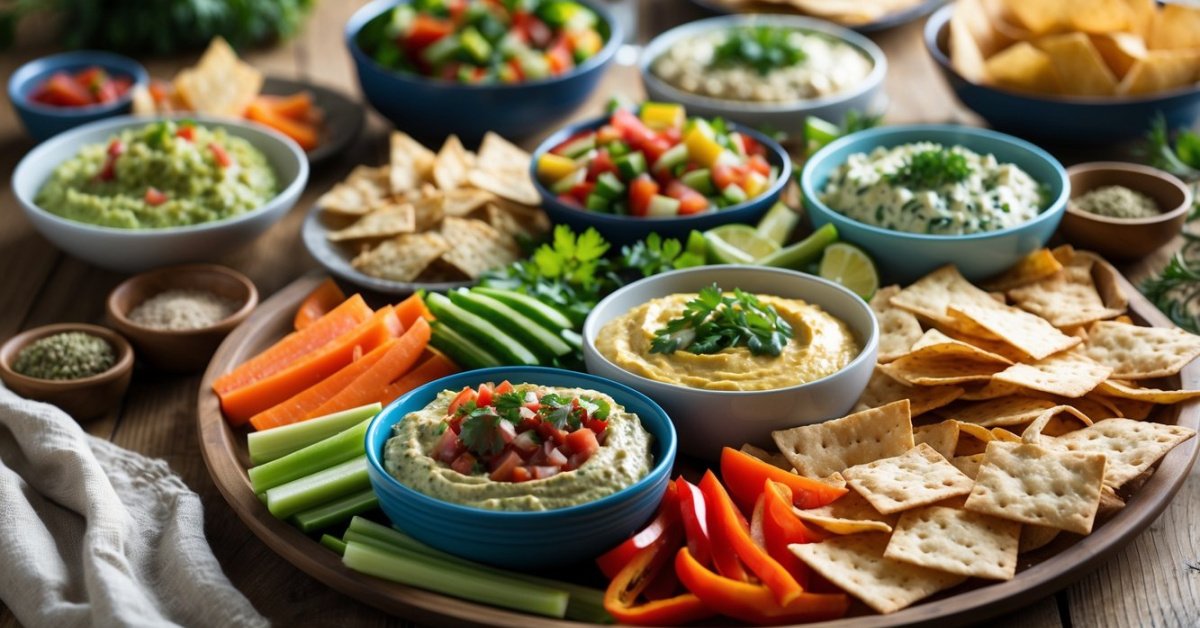
Whenever I think about South Indian food the first thing that comes to mind is the irresistible coconut chutney. It’s creamy fresh and has just the right kick to wake up any meal. Whether I’m dipping crispy dosas or fluffy idlis nothing quite matches the cool comfort of this classic side.
I love how simple ingredients come together to create something so flavorful. Each bite takes me right back to bustling Indian kitchens filled with laughter and the aroma of freshly grated coconut. If you’ve ever wondered what makes coconut chutney so special you’re in for a treat.
What Is Indian Coconut Chutney?
Indian coconut chutney’s a creamy, fresh dip from South India that’s packed with flavor. I make it with grated coconut, roasted chana dal, green chilies, ginger, and salt, then blend everything with a bit of water till it’s smooth. Folks in India pair this dip with dosas, idlis, vadas, and uthappam—think pancakes and fritters.
A quick tempering goes over the top, bringing out deeper flavors. I heat oil with mustard seeds, curry leaves, dried red chilies, and sometimes urad dal, then pour it on the chutney. That sizzle releases a nutty aroma and a peppery bite.
This chutney isn’t just creamy, it’s bright and light—with a pop of subtle heat and just a trace of tang. I serve it chilled or at room temperature. In my home kitchen and back when I ran my dip business, I found folks loved pairing it with veggies, crackers, fried snacks, and even as a spread for sandwiches. It’s a dip with versatility, especially for anyone who’s always looking for something new to scoop or dunk.
Key Ingredients of Indian Coconut Chutney
Every Indian coconut chutney I’ve made starts with a few essential ingredients laid out neat on my kitchen counter. I use these fresh items every time to get that creamy, flavor-packed dip folks love with dosas, idlis, and snacks.
Fresh Coconut
Fresh coconut forms the backbone of a real-deal coconut chutney. I crack open a brown coconut, scoop out about 1 cup of the white flesh, and grate it up fine. That fresh taste sets homemade chutney apart from any store-bought option.
Spices and Seasonings
Spices and seasonings give the dip its punch and depth. I toss in 2 tablespoons roasted chana dal for a nutty body, chop up 1 or 2 green chilies for some heat, and slice a half-inch knob of ginger to brighten things up. I always add salt to balance the flavors, with a squeeze of lemon juice if I want a little extra tang.
Tempering (Tadka) Elements
Tempering, or tadka, takes this South Indian dip to the next level. I heat a bit of oil, then pop 1 teaspoon mustard seeds, add a sprig of curry leaves, and drop in a dried red chili. This hot, sizzling combo goes right over the chutney at the end and brings a warm, nutty aroma to the whole bowl.
Taste and Texture Review
Indian coconut chutney just hits the spot when I want a dip that’s cool and creamy with a punch of fresh flavor. Texture stays smooth with just a bit of grit from that grated coconut—I get a nice crunch without it feeling heavy. I find the chutney real easy to scoop up with anything from crispy dosas to crunchy carrot sticks.
Taste stands out for its balance. The sweetness from the coconut gets lifted by a citrusy snap from fresh ginger and a little heat from green chilies. Roasted chana dal throws in an extra roasty note, while the tadka—those toasty mustard seeds, fried curry leaves, and dried red chilies—adds a kind of smoky-nutty aroma you’ll smell before the bowl even hits the table.
Pairing this chutney with idlis or piping hot vadas brings out its cooling effect. I like to spread it thick on sandwiches or serve it as a topping for spicy fried snacks; that buttery texture keeps each bite interesting. Dip stays light, not cloying, and the subtle salt rounds out all the flavors. If you’re after a versatile, crowd-pleasing dip, this one always delivers on taste and mouthfeel.
Variations of Indian Coconut Chutney
Folks around India mix up coconut chutney in ways that keep things interesting from town to town. I get excited anytime I meet new versions, since every batch brings out a little local magic.
South Indian Versions
South Indian states shape coconut chutney in unique ways. Folks in Tamil Nadu usually add roasted chana dal, fresh green chilies, and a pop of ginger, making it creamy with a bold kick. Folks in Karnataka mix in roasted peanuts or a pinch of sugar, which smooths out the heat and adds just enough richness to dip everything from idli to vada. Folks in Kerala often toss in extra curry leaves and might use coconut oil in the tempering, keeping the flavor bright and the aroma lifted. Folks in Andhra Pradesh lean into spicy, using red chilies for color and heat, which packs a punch for anyone dipping dosa slices.
Regional Twists
Different parts of India bring their own spin to coconut chutney. Folks in coastal Maharashtra sometimes add tamarind pulp, giving the chutney a little tang and making it perfect for fried snacks. Folks in Goa might stir in garlic or even a bit of raw mango when it’s in season, pushing the flavor up another notch for dipping seafood or veggies. Folks up north, when coconut’s harder to come by, sometimes swap in dried coconut or use a thicker yogurt base, giving the chutney a new texture and a little tang. Every region lets the local pantry shine, and I’ve found none taste quite the same, but every bowl works as a fresh, lively dip.
How to Serve Indian Coconut Chutney
Serving up Indian coconut chutney takes any table spread up a notch, whether I’m entertaining friends or just treating myself to good eats at home. I always set out this chutney alongside hot, crispy South Indian snacks—think idlis, dosas, and vadas. Folks go wild for that combo: those fresh, warm bites dunked straight into the cool, creamy chutney.
I like spooning coconut chutney into little side bowls, right up next to the main dish. Plating on a big platter, I’ll line up dosas or uthappam with a scoop of green chutney, tangy tomato chutney, and that beautiful coconut chutney, making a trio that looks sharp and gets people talking.
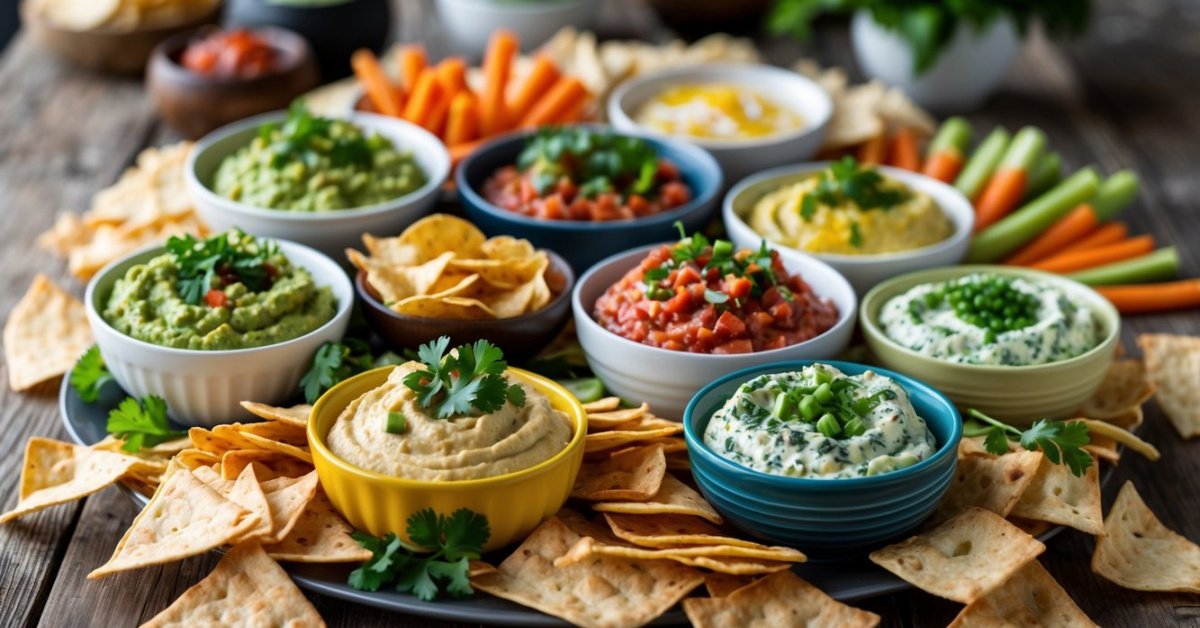
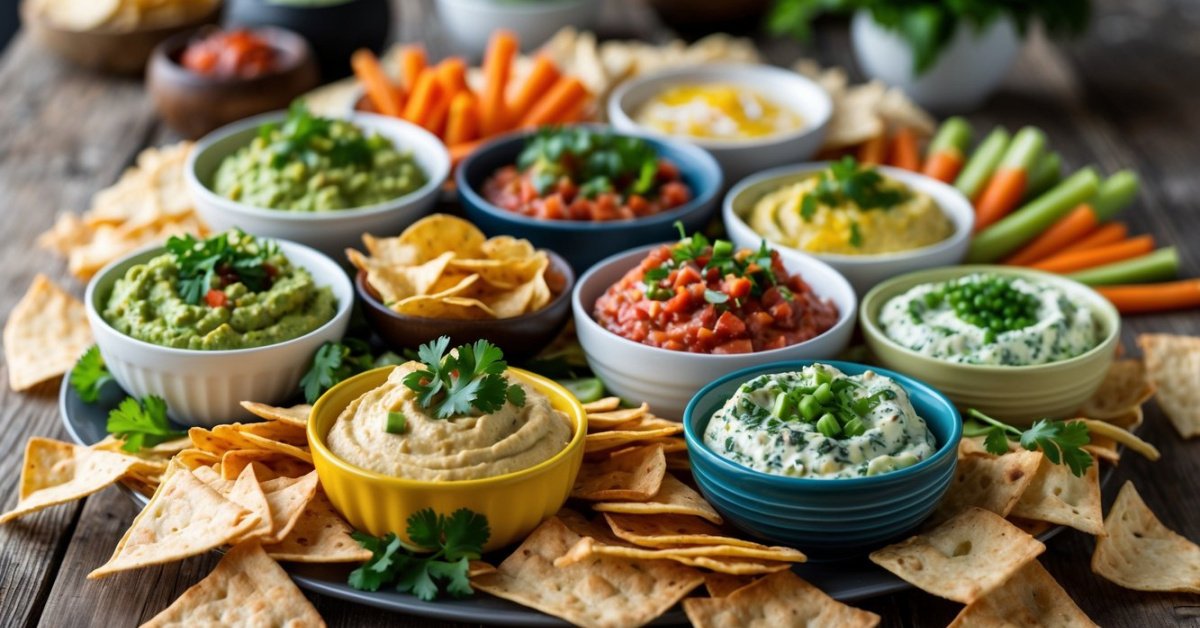
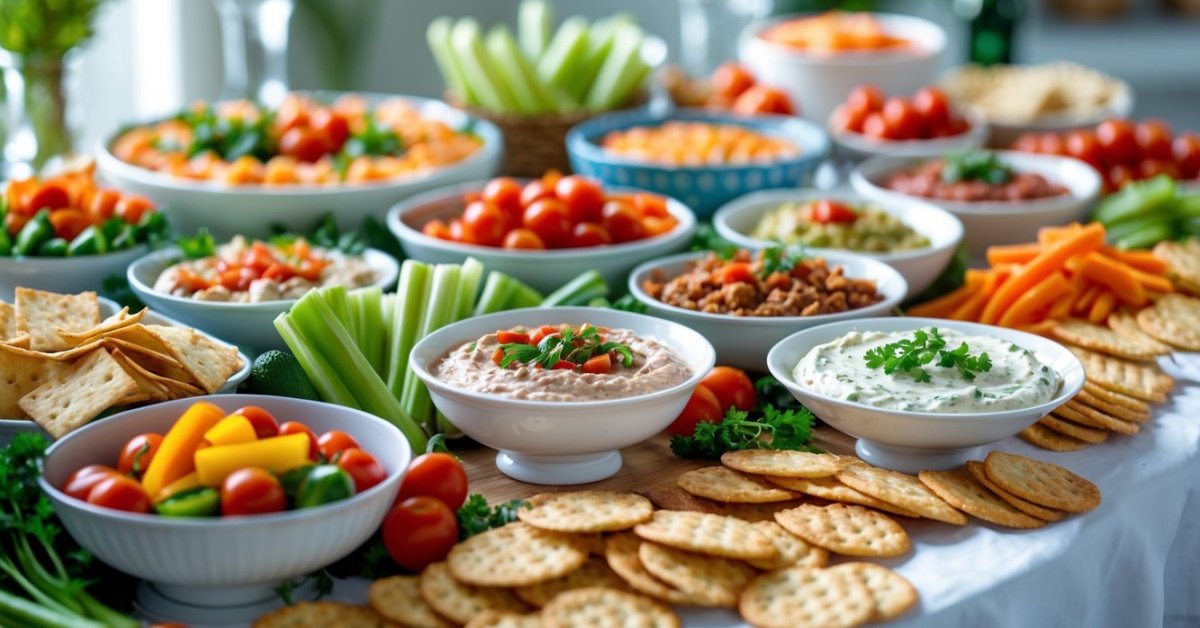
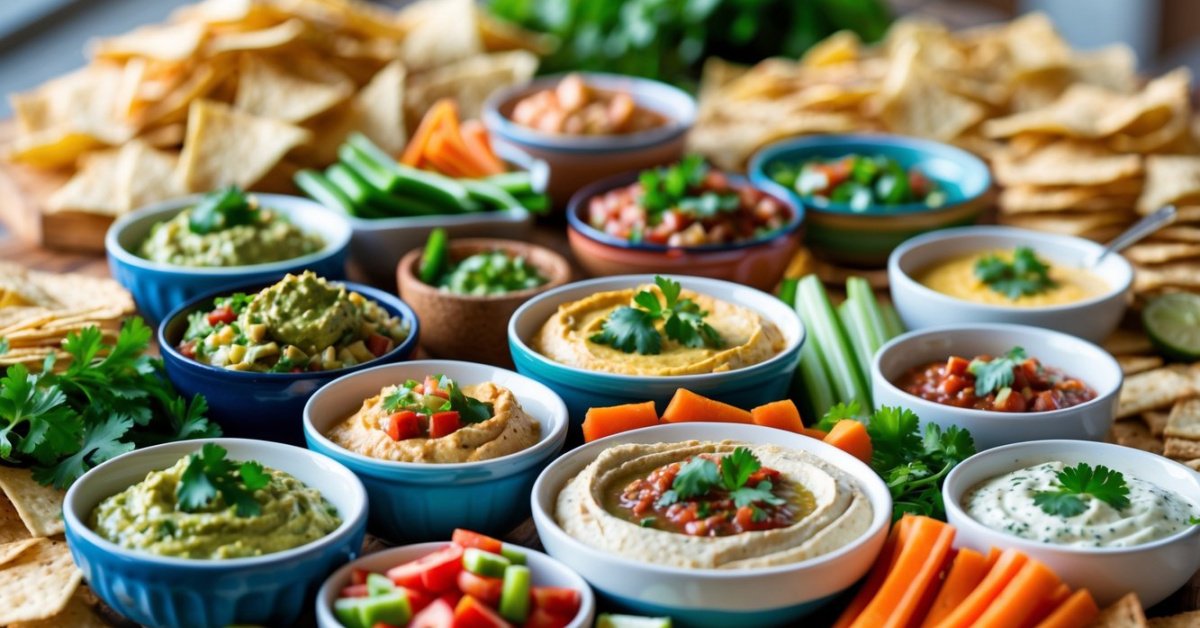
Coconut chutney pulls double duty as a dip for veggies, pakoras, or even pita chips. I’ll spread it onto sandwiches or wraps, swapping it for mayo for something brighter and a little tropical. For parties, I serve it thick so chips and crackers won’t break—never disappoints on a grazing board.
My trick for getting that just-right flavor at serving time: I chill coconut chutney in the fridge, then bring it up to room temperature before setting it out. That way, the flavors open up, and the texture turns silky again, especially if you stir in a splash of water to loosen.
For folks with a sweet tooth or milder palette, I’ll thin the chutney slightly and serve it with sweet potato fries or carrot sticks. When the crowd’s looking for something bold, I use extra green chilies or serve alongside fried chicken for a Southern twist that always gets smiles.
Indian coconut chutney’s versatility makes it just about perfect—whether sitting next to a stack of dosas, starring on a nibble tray, or used as a bold sandwich spread, this dip’s got every table covered.
Pros and Cons of Indian Coconut Chutney
Pros of Indian coconut chutney jump out at me every time I whip up a batch.
- Versatility: I use coconut chutney on dosas, idlis, fried snacks, grilled cheese sandwiches, and veggie platters.
- Freshness: Every spoonful packs the cool snap of fresh coconut, with that just-ground texture you can’t fake.
- Quick Prep: I throw everything in a blender, hit start, and get a classic dip in about 10 minutes.
- Customizability: Folks add roasted peanuts in Karnataka or tamarind in Maharashtra, and at my home I toss in curry leaves or extra chilies when I want zing.
- Dairy-Free, Gluten-Free: Coconut chutney fits right into vegan, dairy-free, and gluten-free menus—handy at dip parties and family tables here in Alabama.
- Layered Flavor: Roasted chana dal, green chilies, and tadka give a nutty-smoky punch you won’t find in most American dips.
Cons crop up if I don’t mind the details or plan ahead.
- Short Shelf Life: Coconut chutney turns fast, so I keep it fresh and only make enough for two days—especially in the Alabama summer heat.
- Ingredient Sourcing: Good coconut is key, and around here I sometimes can’t find fresh coconut at my regular grocery store.
- Texture Sensitivity: Some folks expect dips smooth as ranch, but coconut chutney’s got a bit of grit from the coconut shreds.
- Seasoning Balance: If I go heavy on the chilies or ginger, the chutney turns sharp quick. Nailing the right mix matters every time.
- Allergen Alert: Sometimes I get questions about nuts, since peanuts and chana dal show up in certain regional spins.
No matter the batch size, I weigh these pros and cons, and nine days out of ten, I still reach for that fresh coconut and fire up my blender.
Conclusion
Whenever I whip up a bowl of coconut chutney it feels like I’m bringing a little bit of South India into my kitchen. There’s something so satisfying about that burst of flavor and the way it brightens up every bite.
If you’ve never tried making it at home I hope you’ll give it a go. Whether you stick to tradition or add your own twist coconut chutney always finds a way to steal the show. It’s a small dish with a big personality and I just can’t get enough.