Whenever I think of South Indian breakfasts, coconut chutney instantly comes to mind. Its creamy texture and subtle flavors make every bite of idli or dosa unforgettable. There’s something magical about how this simple side dish transforms an everyday meal into a special treat.
I love how easy it is to whip up a batch of coconut chutney with just a handful of fresh ingredients. The blend of coconut, herbs, and spices creates a taste that’s both comforting and refreshing. If you’ve never tried making it at home, you’re in for a real surprise—this chutney might just become your new favorite kitchen staple.
What Is Indian Coconut Chutney?
Indian coconut chutney’s a creamy, fresh dip packed with coconut, chilies, and roasted gram. Folks in South India pair it with breakfast plates like idli and dosa, but I like dipping just about anything in this stuff—veggies, chips, fritters, or grilled meats. Every batch uses grated coconut—fresh or frozen, whichever’s on hand—plus green chilies for a little fire and a pinch of salt for balance.
This chutney gets its flavor from a tadka, which is a hot oil tempering with mustard seeds, curry leaves, and sometimes split urad dal. Pouring that fragrant oil right on top wakes up the whole bowl. Texture stays silky yet there’s a little crunch in every bite if you leave the tempering bits in.
Color comes out pretty white, sometimes with a hint of green from chilies or cilantro. Some folks add ginger, garlic, or even a squeeze of lime. I stick close to the South Indian roots, letting coconut play lead. Every time I whip up a batch, I keep it simple, just letting the ingredients shine and that creamy texture do the talking.
Key Ingredients in Indian Coconut Chutney
Grated coconut forms the base of every good Indian coconut chutney I whip up. I use fresh coconut when I can find it down here in Alabama, but the frozen kind gets the job done in a pinch. The texture stays creamy and the flavor stays sweet.
Roasted chana dal thickens up the chutney and smooths out the bite. Folks might call this roasted gram or Bengal gram, but it gives a nutty taste you can’t skip. I drop in about two heaping tablespoons for every cup of coconut.
Green chilies pack in the heat. I slice up fresh green chilies—sometimes serrano, sometimes Thai—for that clean, sharp kick. If you’re nervous about spice, just toss in half a chili first and taste as you go.
Ginger brightens the flavor. I shave off a thin piece and drop it right in. It cuts through the richness and adds a nice little zing to each bite.
Salt ties everything together. I scoop in a good pinch and give the mix a taste at the end, after everything else comes together.
Tempering oil—always hot—brings in mustard seeds and curry leaves for a must-have crunch. I heat up a couple tablespoons of neutral oil, toss in mustard seeds till they pop, and follow that with curry leaves and sometimes a dried red chili. Then I pour it all over the top of the chutney.
Key ingredients like these connect every Indian coconut chutney I make, whether it’s meant for dosa, veggies, or grilled chicken straight off my backyard smoker.
How Indian Coconut Chutney Is Made
Making Indian coconut chutney always feels as fresh and simple as opening up a bag of my favorite fixin’s back home. Every step builds a creamy dip that’s light but full of flavor.
Traditional Preparation Methods
Traditionally, I start with fresh grated coconut, though frozen works just as fine if it’s what’s on hand. I blend the coconut with green chilies, roasted chana dal, and a pinch of salt in a stone grinder or regular blender—whatever’s nearby. I get a thick, fine paste with a few pulses. Sometimes I toss in a slice of ginger for brightness, or a bit of water for that just-right consistency.
After that, I heat up oil in a small pan, throw in mustard seeds, let ’em pop, then add curry leaves and a pinch of asafoetida. I pour this sizzling tadka right over the chutney. The aroma reminds me of why I love making dips; a hot tempering brings everything together with a crisp finish.
Modern Variations
Plenty of folks try quick spins on classic coconut chutney. Some swap out roasted chana dal for peanuts or cashews, especially in fusion dips. Others add yogurt or a dash of lime for tang, turning it into a creamy blend more familiar to anyone who loves ranch or tzatziki.
If I’m after a brighter color, I blend in cilantro or mint. For a smoother dip, I strain it, making it better for spreading. My customers back when I ran my dip company always wanted something unique, so I sometimes mixed in garlic, made a spicy version with extra chilies, or kept it mellow for folks who preferred a gentler heat.
Every method keeps coconut up front, letting that nutty, mild flavor shine—no matter if I’m serving it for breakfast or putting a Southern spin on a classic Indian dip.
Taste and Texture: What to Expect
Taste hits first with a cool, mellow coconut creaminess. Chili adds a light heat, just enough to tickle the back of the throat. Roasted chana dal gives a nutty, toasty undertone—think peanuts but softer and more delicate. Mustard seeds and curry leaves in that hot tadka shoot sparks of sharp, savory flavor you catch right up front.
Texture stands out—never runny or gloopy. Chutney sits thick and plush, almost like a smooth cottage cheese if I had to compare. Tiny bits of coconut give every bite a slight chew. That tadka? Pops of crunch spread here and there, making each spoonful a new surprise.
Color shows pure white with little green flecks and jet-black mustard bits on top. Aroma carries cool coconut mixed with the earthy, savory punch from the tadka. Chutney stays cool and fresh, making it perfect for hot mornings or grilled stuff out back.
Best part for me, every batch brings a natural balance—rich but not heavy, spicy but never overpowering, fresh with just a whiff of sweet. It fits with dosas and idlis, but it backs up veggies, chips, or grilled meats just as well.
Serving Suggestions and Pairings
I find Indian coconut chutney shines with classic South Indian breakfast plates like idli, those soft, fluffy rice cakes, and crisp dosa, especially when hot and fresh off the skillet. Folks dunk their idlis and dosas right in, letting that creamy coconut hug every bite. I often scoop it up with warm, buttery uttapam or plate it beside vada, which are those savory fried lentil donuts.
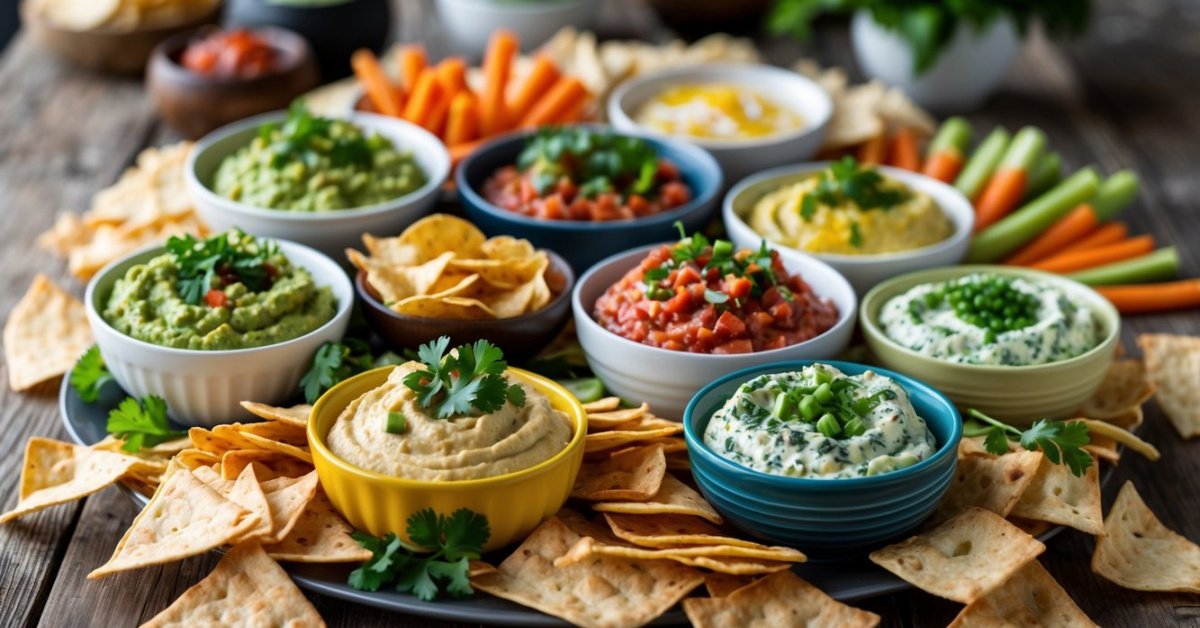
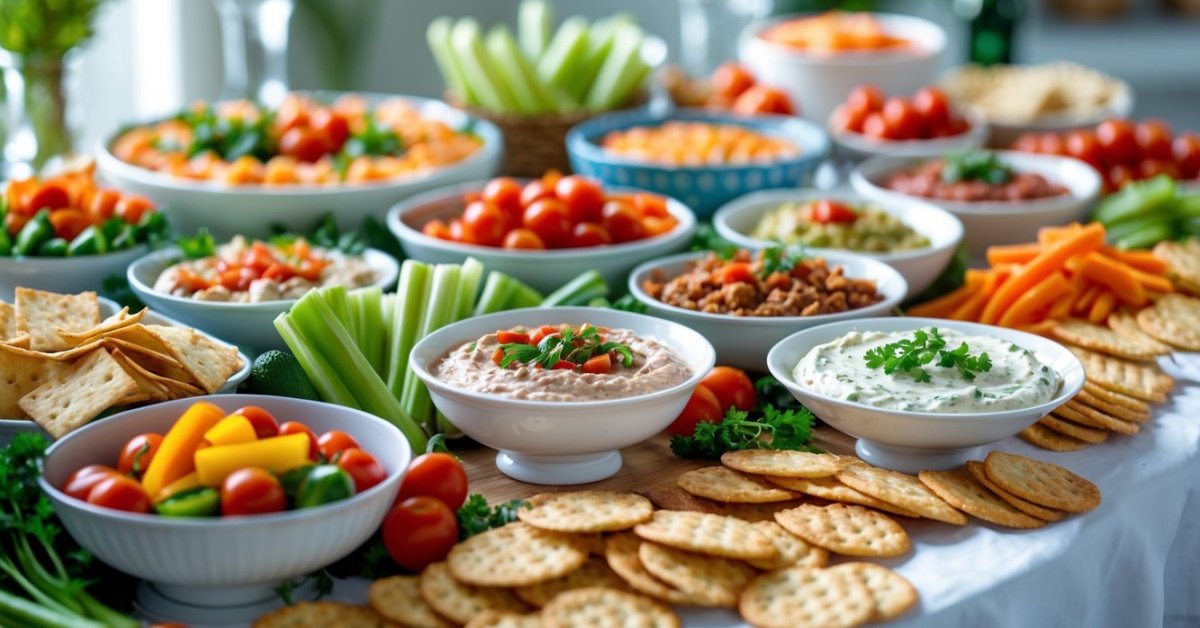
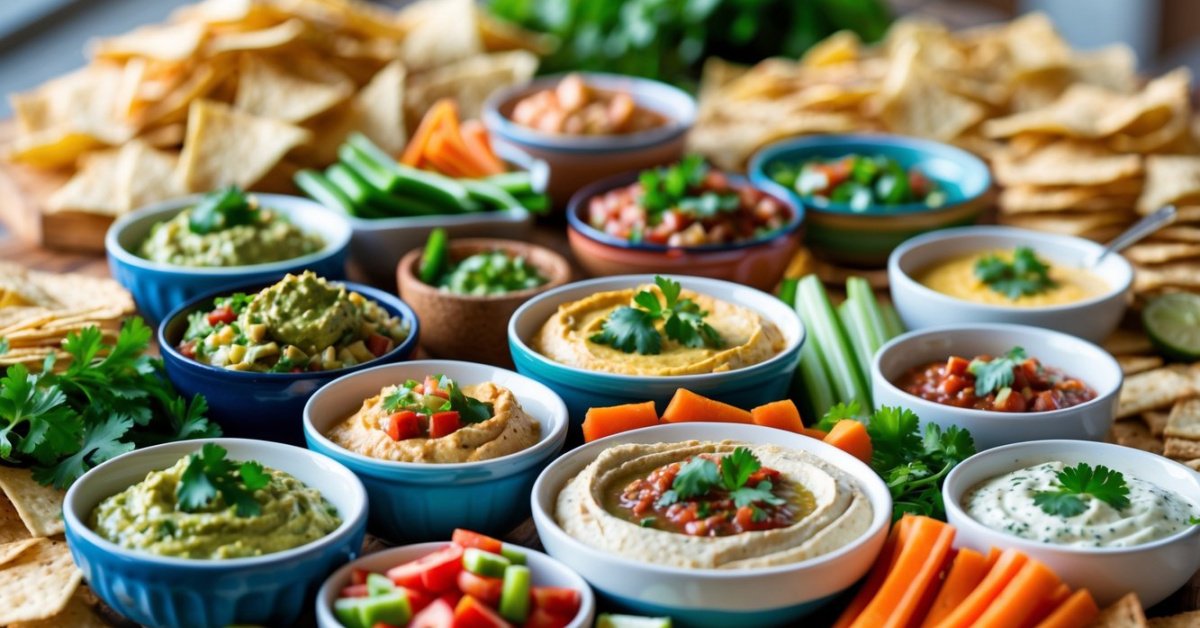
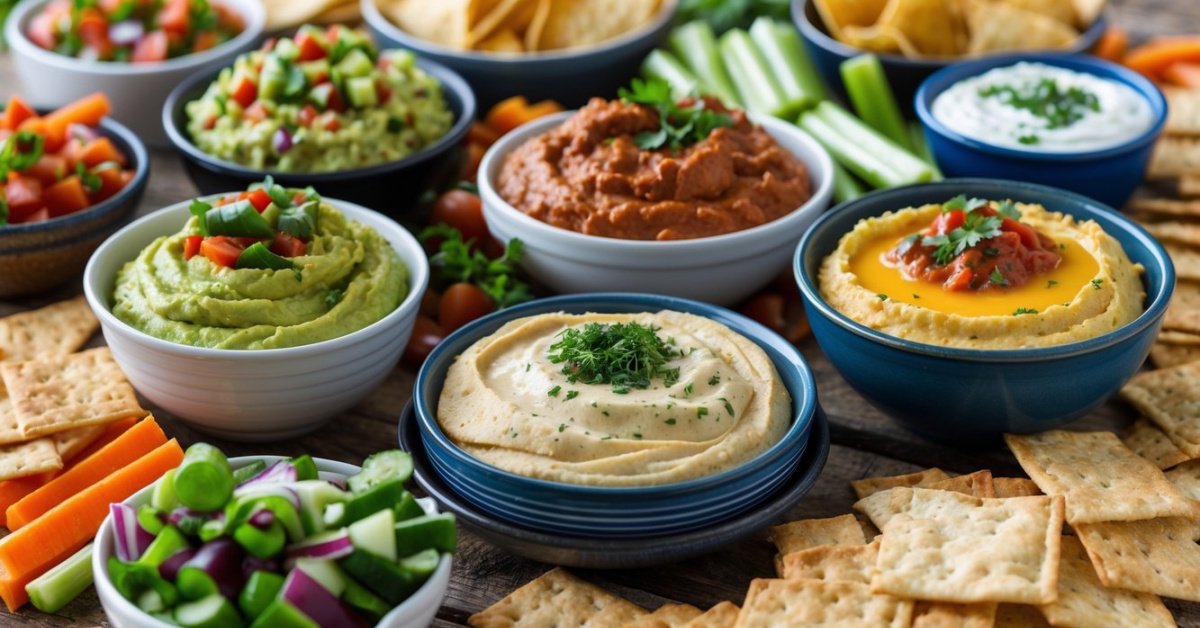
I scoop this chutney on boiled or roasted veggies, green beans or okra, making an easy side for weekday meals. Grilled meats—like chicken skewers or pork kabobs—pick up that coconut flavor real nice. Chips and crackers turn into a proper party snack once you set out a bowl of coconut chutney.
I mix a spoonful into rice bowls for an extra creamy bite, especially with spicy curry or smoky roasted veggies. A spread on sandwiches or wraps lends a fresh kick, balancing out heavier fillings with light coconut and that pop of green chili.
Folks sometimes stir in a little yogurt to thin it out, making it a drizzle for salads or grilled fish. I pair it with fried foods like pakoras or samosas, mellowing out salty or spicy edges with cool coconut cream.
Table: Best Pairings for Indian Coconut Chutney
| Dish/Item | How I Like to Pair It | Context |
|---|---|---|
| Idli | Dipped or topped | Breakfast, snacks |
| Dosa | Spread along the inside | Breakfast, brunch |
| Grilled chicken | Used as a marinade or dip | Main, appetizer |
| Roasted veggies | Dolloped or stirred through | Sides, bowls |
| Chips, crackers | Served as a dip | Party, snack |
| Sandwiches, wraps | Spread inside | Picnic, lunch |
| Fried pakoras | Dipped fresh | Snacks, tea-time |
| Rice bowls | Mixed in for creaminess | Dinner, casual |
| Samosas | Used as a dipping sauce | Snack, party |
I set out coconut chutney anytime folks ask for bold, bright dips that bring something different to the table.
Health Benefits of Indian Coconut Chutney
Indian coconut chutney brings plenty of good-for-you perks to the table. Fresh grated coconut has healthy fats like lauric acid—I’ve read studies from the National Institutes of Health saying lauric acid may help boost HDL cholesterol, the “good” kind, while still being kind to your heart. Those fats give the chutney its rich taste and make it filling, which keeps me from snacking all day.
Roasted chana dal gives you protein and fiber. I like knowing my dips don’t just taste good—they also curb my hunger, and that extra fiber helps keep my stomach happy. Green chilies and ginger do more than just add zing; they deliver vitamin C and have natural anti-inflammatory properties, according to the USDA nutrient database.
Mustard seeds and curry leaves from the tadka pack in antioxidants, which I always say make my dips do more than just dress up a dish—they help fight off cell damage. Indian coconut chutney skips mayonnaise or heavy cream, so it’s a lighter choice if folks are watching calories or avoiding dairy. Here’s how some of those ingredients stack up:
| Ingredient | Benefit | Example Use |
|---|---|---|
| Coconut | Healthy fats, satiety | Dips, spreads, salad bowls |
| Chana Dal | Protein, fiber | Sandwich spreads, snacks |
| Green Chili | Vitamin C, antioxidants | Sauces, marinades, dips |
| Ginger | Anti-inflammatory, digestion | Dressings, relishes |
| Mustard Seeds | Antioxidants, flavor enhancer | Tadka for dips, stir-fries |
| Curry Leaves | Antioxidants, aroma | Tempered oil for dips |
I dip into this chutney knowing it’s simple, tasty, and loaded with the kind of goodness that makes homemade recipes worth sharing.
Conclusion
Coconut chutney always brings a little spark of joy to my table whether I’m serving it with a classic South Indian breakfast or getting creative with snacks and grilled foods. Its cool creamy texture and gentle heat make every bite a bit more special.
I love how easy it is to whip up a fresh batch and how it lets the natural flavor of coconut shine. There’s something comforting about knowing I can enjoy this simple dip in so many ways while also making a lighter healthier choice.
If you haven’t tried making coconut chutney yet give it a go—it might just become your new favorite kitchen staple.