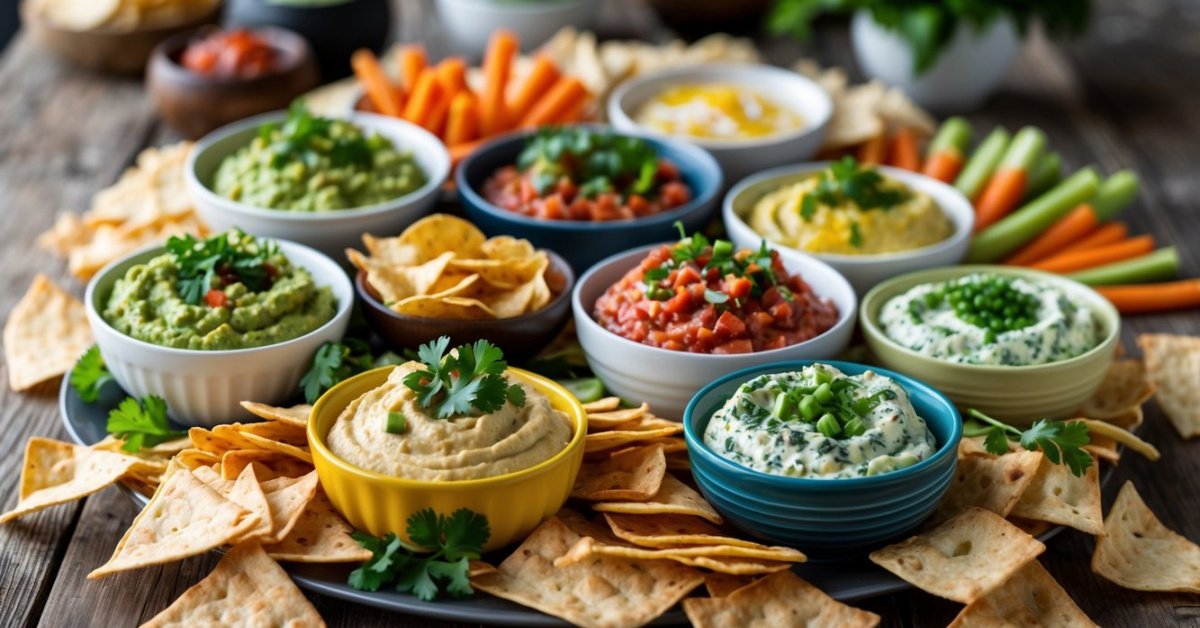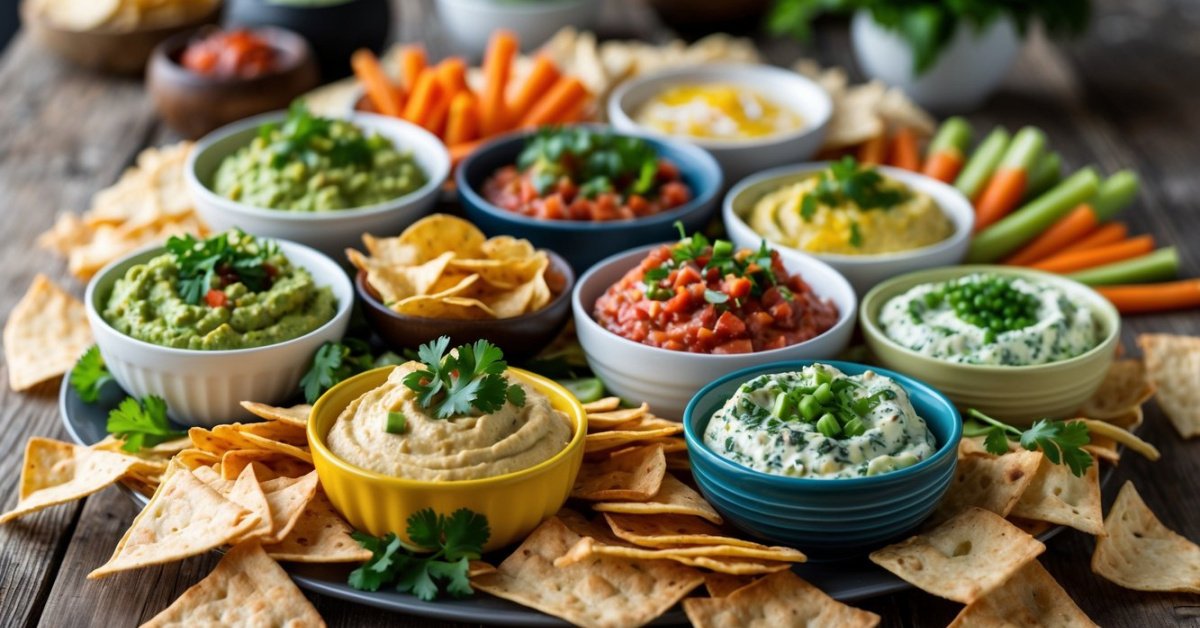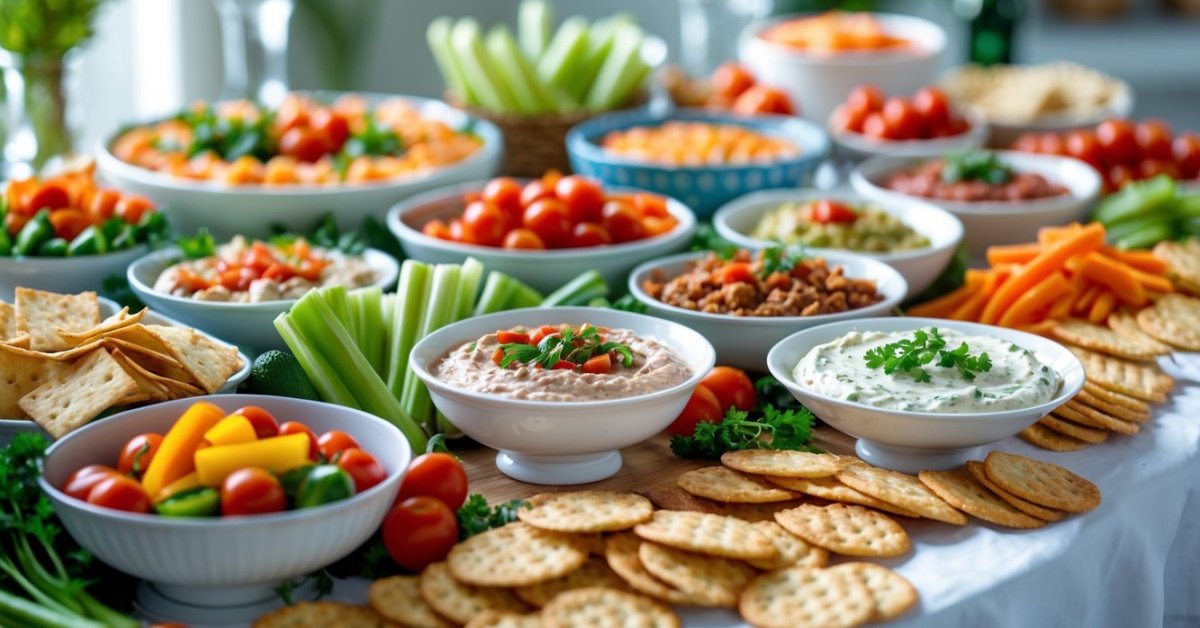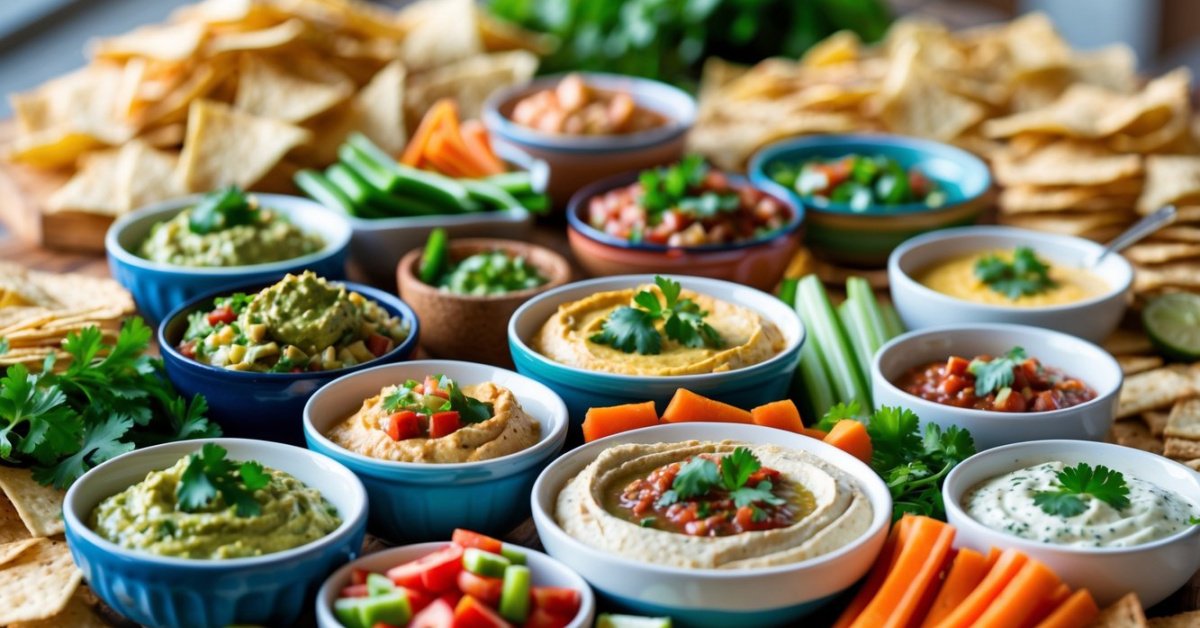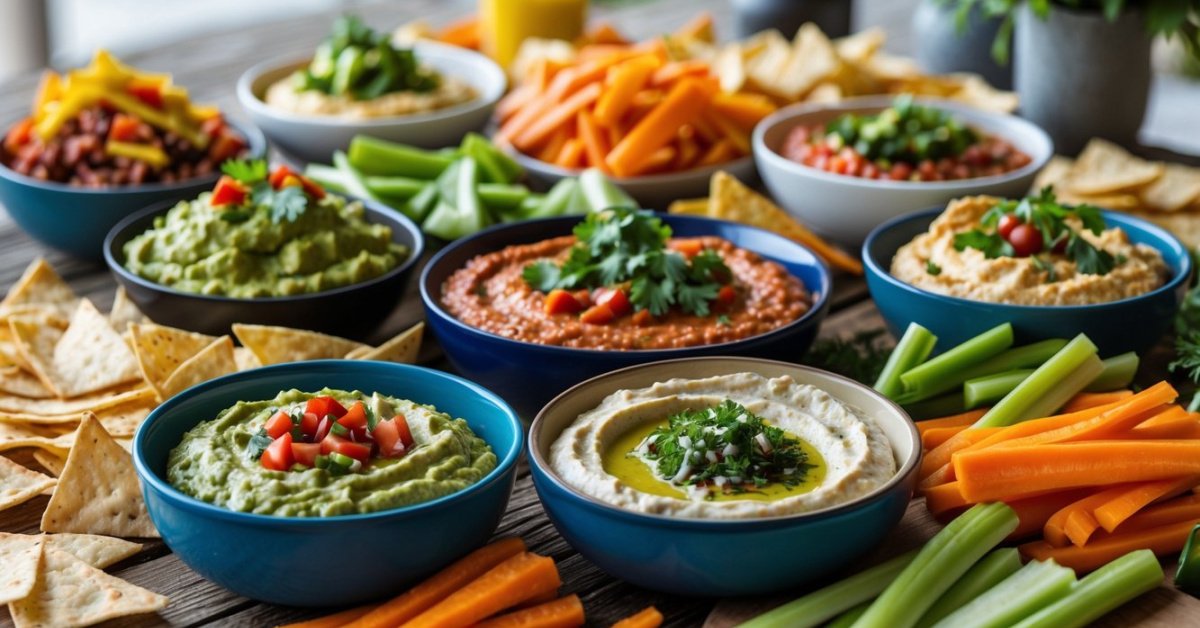
I love whipping up a fresh dip for parties or a quick snack. There’s something so satisfying about dipping a chip into a bowl of creamy hummus or silky guacamole that I made myself. But getting that perfect smooth texture isn’t always as easy as it looks.
I’ve had my fair share of chunky disasters and grainy blends. Through trial and error I’ve learned a few tricks to make sure my dips always turn out velvety and delicious. If you want to impress your friends—or just treat yourself—let’s dive into the simple steps that make all the difference.
Understanding the Basics of Smooth Dips
Getting dip smooth every time starts with picking the right base. Creamy dips usually turn out best when I go with cooked beans for hummus, ripe avocados for guac, or roasted vegetables for spreads. Dry, tough, or undercooked ingredients fight back against your blender or processor, making everything a little more chunky than smooth.
Adding extra liquid fine-tunes texture fast. I splash in olive oil, water, or lemon juice to help the blades glide through the mix. Each dip has its ideal add-ins. For hummus, it’s a steady pour of olive oil or cold water. Guacamole turns silkier with a squirt of lime and a bit of tomato juice.
Using the right equipment matters more than most folks think. I use a food processor for bean dips and a high-powered blender for vegetable dips. Stubborn dips with chunky bits beg for a rubber spatula to scrape down the sides, keeping the blend uniform.
Seasoning brings smooth dips to life. I always blend in spices like garlic powder or smoked paprika early, not at the end, so flavor works through every bite. Over-mixing can break a good dip, so I stop once it’s creamy but still holds its shape on a chip.
Temperature changes texture. Cold veggies and beans can turn dips gritty. I work with room-temperature ingredients unless it’s a yogurt-based dip where chill matters.
Texture and flavor in smooth dips depend on the freshest ingredients, enough liquid, blending tools, and seasoned timing. All these basics came from years of trying, failing, and finally getting silky dips out of every new batch.
Essential Tools and Ingredients for Blending Dips
Let me show you what really makes a smooth dip come together in my Alabama kitchen. Blending dips right calls for solid tools and good ingredients, just like running a dip company taught me.
Choosing the Right Blender or Food Processor
Picking out the best blender or food processor for dips makes all the difference. I swear by a high-powered blender like a Vitamix for silky blends—think roasted red pepper dip or eggplant spread. For chunkier, hearty dips—like black bean or pimento cheese—a food processor handles thick mixtures without overheating or going too fine. I use sharp blades every time, because dull ones leave dips with a grainy texture and uneven bits. Look for a machine with at least a 750-watt motor if you’re working with beans or veggies, because weak motors leave chunks behind and wear out quick.
Key Ingredients for Creamy Consistency
Smooth, creamy dips always start with the right foundation. Cooked chickpeas in hummus, ripe avocados in guacamole, and roasted root veggies for spreads are my top picks. I add liquids like extra virgin olive oil, Greek yogurt, or even warm water when a dip starts feeling thick or sticky. Acidic boosters—fresh lemon juice in hummus or red wine vinegar in white bean dip—make blends pop and lighten heavy flavors. Salt and spices bring out depth; I go with kosher salt, cumin, fresh black pepper, or smoked paprika, depending on the dip’s roots. Room-temperature ingredients blend smoother, so I let beans or veggies sit out before firing up my food processor.
Step-by-Step Guide: How to Blend Smooth Dips
I make smooth dips every week, and I learned the right steps matter just as much as the ingredients. Here’s the way I get every batch creamy, using the same methods I used back at my dip shop in Alabama.
Prepping Ingredients for Best Results
- Cook beans soft: I always cook chickpeas or black beans until they’re super tender. That way, they blend silk-smooth. Store-bought canned beans, if used, get rinsed and sometimes simmered a few more minutes so they’re just right.
- Use ripe produce: I pick only ripe avocados and tomatoes. When I squeeze them, they give a bit but aren’t mushy. This helps dips like guacamole or salsa turn out smoother and brighter.
- Chop or mash before blending: I always chop hard veggies like carrots or sweet potatoes into small pieces. Sometimes I mash beans with a fork before throwing them in the processor. Smaller bits keep the blender from bogging down and give me a more even texture.
- Add liquids early: I pour in a splash of olive oil, lemon juice, or water before I blend. This keeps the blades moving easy and starts the emulsion for creamy dips.
Blending Techniques for Ultimate Smoothness
- Pulse, then blend: First, I pulse the ingredients just to break ’em down. After that, I blend steady for 1 to 2 minutes, scraping down the sides with a spatula once halfway through. This way, nothing gets stuck and every bite is the same texture.
- Start low, increase power: I begin on low speed, then ramp up slowly. Going straight to high speed can fling ingredients up the sides and miss chunks on the bottom. A slow build mixes everything evenly.
- Monitor consistency: I stop and check the dip every 30 seconds. If I want it thinner, I add a small splash of liquid, just a tablespoon at a time, then keep blending.
- Taste and season near the end: I wait until my dip’s smooth before adding final pinches of salt, spices, or acid. That way, I hit the seasoning right after blending, not before.
Every step–from prep to the last blend–makes a real difference for flavor and consistency. When I follow this process, my dips pour out of the blender smooth as silk, exactly the way I like ’em at home or when serving a crowd.
Common Mistakes to Avoid
Skipping Ingredient Prep
Folks often throw big chunks of onions, garlic, or peppers straight in the blender. I always chop or mash every ingredient first so nothing gets left behind as a big bite in the final dip.
Adding Liquids Too Late
Some home cooks wait till the end to splash in oil, lemon juice, or water. I pour in a bit right at the start. That way, everything blends up smooth from the get-go.
Blending Everything All at Once
I’ve seen folks dump in everything and crank the machine on high. I start with the base—beans, veggies, or avocados—then add extras and liquids as needed. This stepwise blending keeps things creamy, not lumpy.
Using Dull Blades or Wrong Gear
Old blades or using a basic blender leaves dips with gritty bits. I stick with sharp blades and grab my food processor for beans or a high-speed blender for veggies.
Overmixing the Dip
Running the blender too long makes dips sticky or gluey, especially with beans or peas. I keep an eye on the texture and stop as soon as it’s silky.
Neglecting to Scrape Down the Sides
If you never stop to scrape the bowl, you’ll get pockets of unblended chunks. I pause and use a spatula a few times, making sure the whole dip’s blended even.
Forgetting to Taste and Adjust
Folks who skip tasting end up with bland dips. I taste at the end and tweak the salt, acid, or seasoning so every bite pops.
Missing the Right Temperature
Blending dips when ingredients are too hot or too cold messes with texture. I let cooked items cool to warm or room temp before firing up the machine.
Tips for Flavorful and Silky Dips
Getting dips both flavorful and silky’s all about the small steps I take every time I fire up my blender. I’ve spent years mixing, tasting, and tweaking batches in my Alabama kitchen and at my old dip company’s test table. Here’s what lifts every scoop, whether you’re after hummus, guacamole, or something wild like smoky eggplant.
- Start with peak-fresh ingredients
Freshness in dips means better taste and texture. I use just-cooked beans for hummus, just-cut onions for salsa, and avocados that give slightly when I squeeze ‘em for guac.
- Roast or char for depth
Smoky flavors build richness in dips. I’ll roast red peppers till the skin blisters for muhammara or toss garlic cloves—peel and all—into a hot pan before blending.
- Splash in acid and fat
Brightness and creaminess come easy with lemon juice, vinegar, or a spoon of Greek yogurt. I swirl in olive oil while blending. Tang cuts through any heaviness.
- Always salt in stages
Seasoning’s not a one-and-done job for dips. I add a pinch to beans or roasted veg before blending, then taste and sprinkle more at the end.
- Let it blend longer
Creaminess needs patience. I scrape the bowl and pulse a bit extra. For silky dips, stopping early means missing that velvet finish folks crave.
- Adjust consistency on the fly
Blending gets easier with liquid. Sometimes I use bean water, sometimes warm water or citrus juice, a tablespoon at a time. With guac, I skip extra liquid and stick to lime and tomato juice only.
- Add toppings or mix-ins for flavor and looks
After blending smooth, I spoon over fresh herbs, toasted seeds, or a drizzle of chili oil. Top-notch dips taste great and steal the snack table spotlight.
When you nail each move, every dip’s smoother, bolder, and fit for any Sunday spread or quiet night at home.
Conclusion
Making silky smooth dips has become one of my favorite kitchen rituals. There’s something so satisfying about seeing a bowl of perfectly blended hummus or guacamole ready to share with friends or to enjoy on my own.
With a little patience and the right approach blending dips turns from a challenge into a fun creative process. I love experimenting with new ingredients and flavors and every batch feels like a fresh opportunity to impress myself and my guests.
If you haven’t tried making your own smooth dips yet give it a shot—you might be surprised by how easy and rewarding it can be.