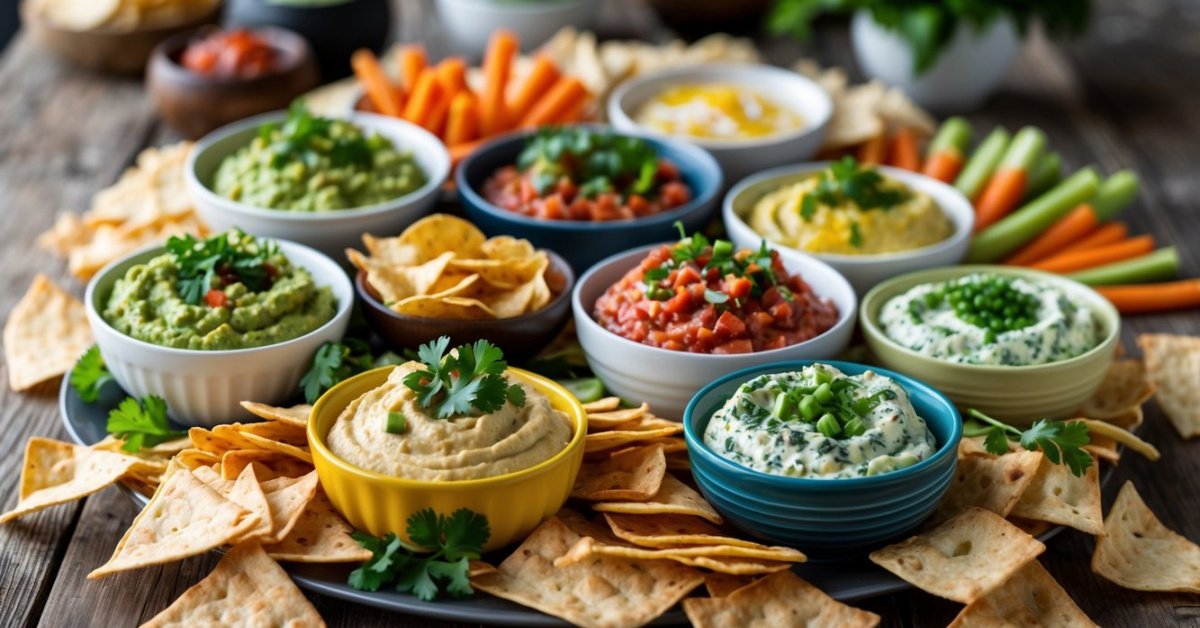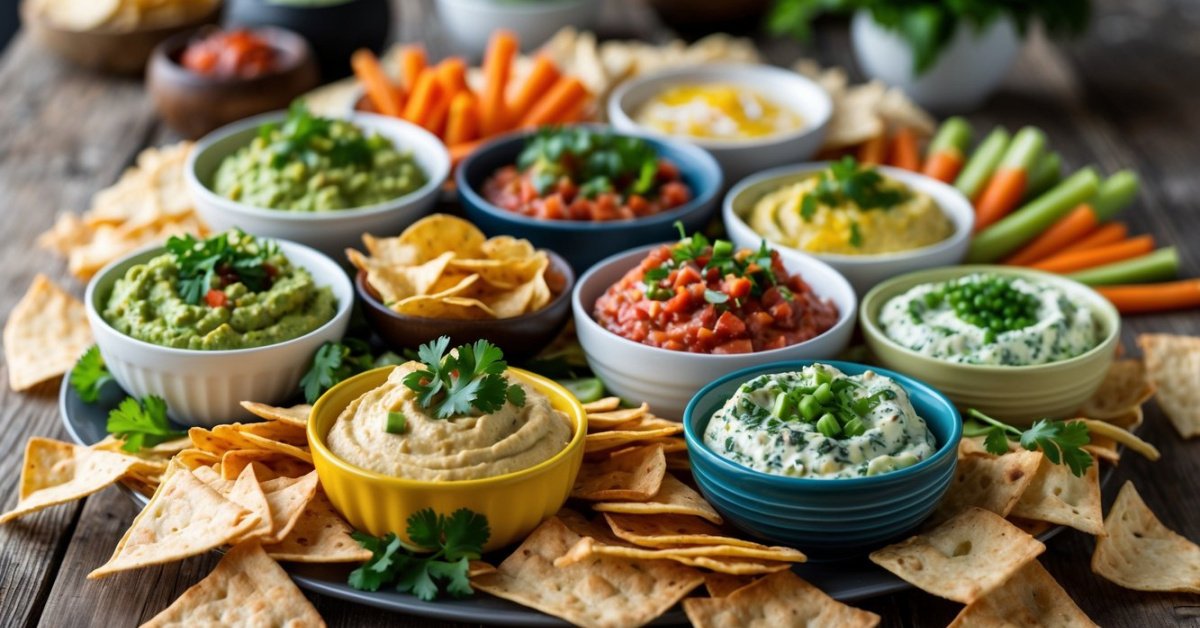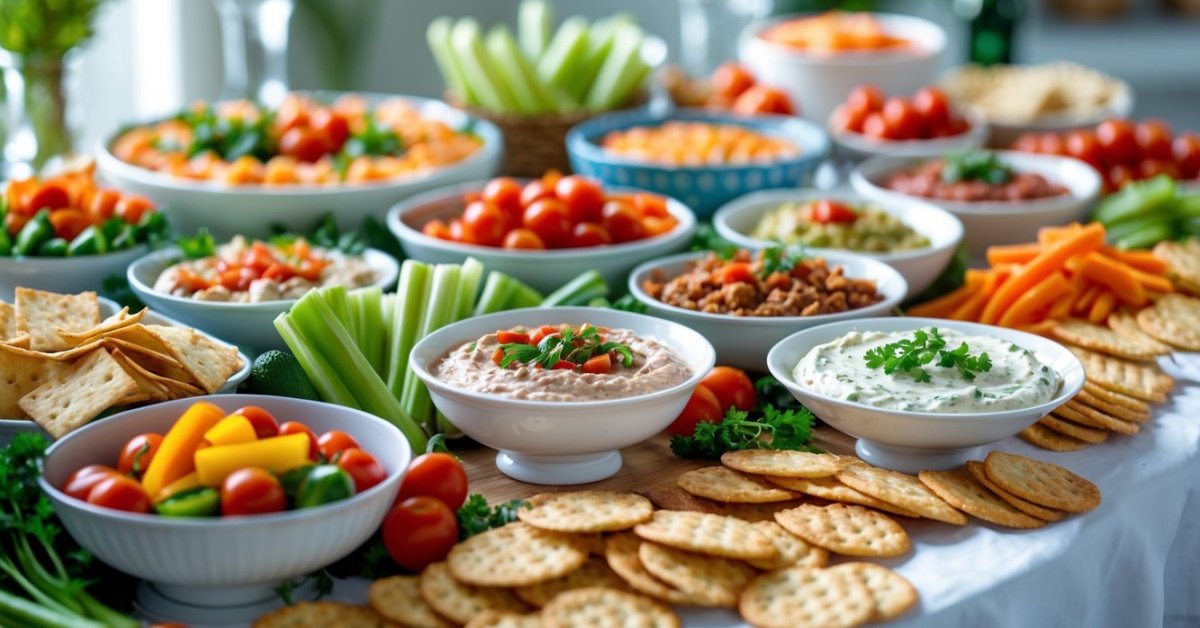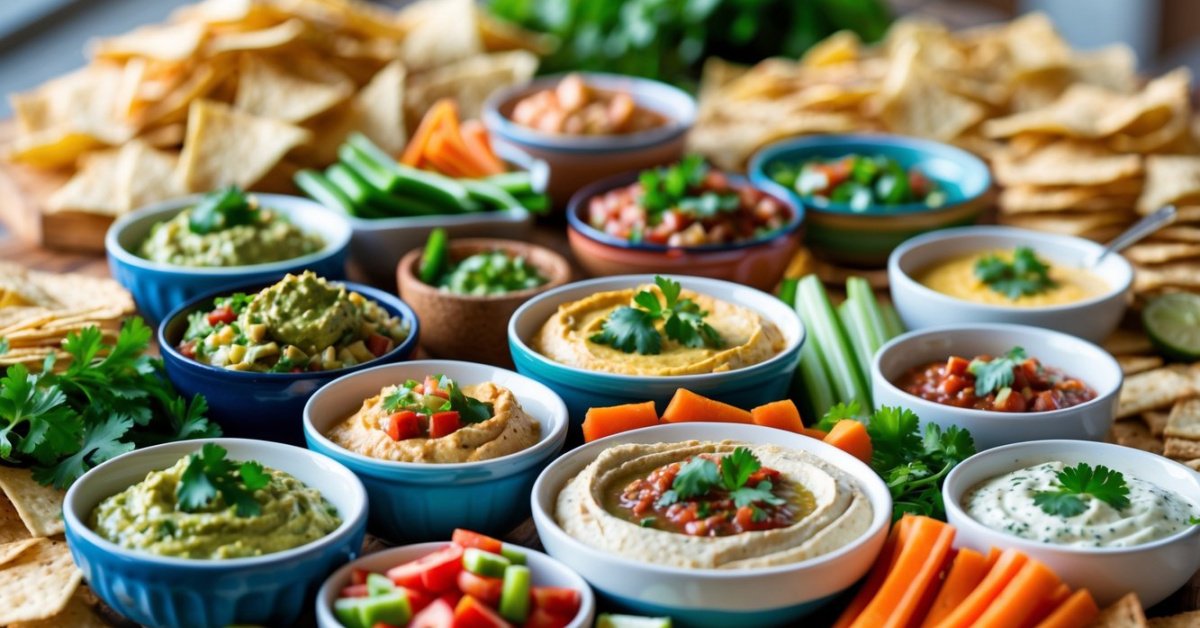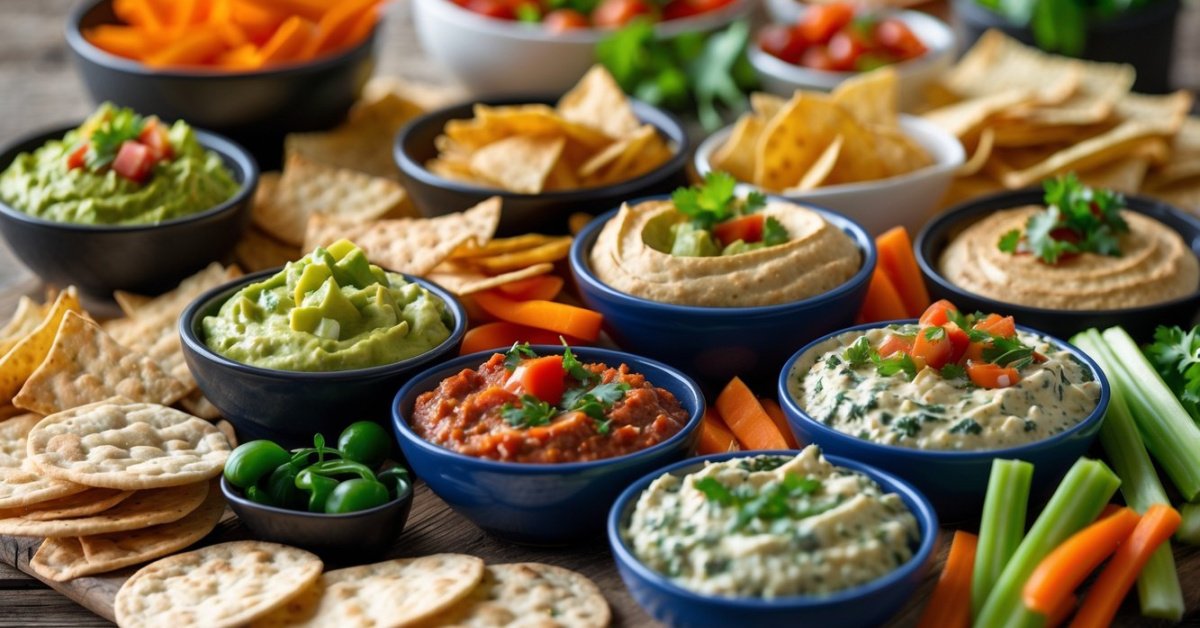
I love making homemade dips for parties or quick snacks but sometimes I end up with way more than I can eat. Instead of letting those tasty creations go to waste I started freezing them and it’s been a total game changer. Now I always have a stash of my favorites ready whenever friends drop by or cravings hit.
Freezing dips seems simple but not all dips handle the freezer the same way. I’ve learned a few tricks to keep flavors fresh and textures just right so I never have to toss leftovers again. If you’re curious about saving your own homemade dips for later you’re in the right place.
Understanding Freezing Homemade Dips
Freezing homemade dips lets me save batches of everything from spicy cheese spreads to smoky black bean dips for days when I don’t have time to start fresh. I know that not every dip takes kindly to the freezer—creamy or dairy-based dips, like my famous Alabama pimento cheese or ranch, hold up better when I use full-fat ingredients and mix ’em real smooth. Dips with lots of fresh veggies, like salsa or pico de gallo, sometimes lose their crunch after thawing, so I keep those for short-term chilling instead.
Texture really matters when you freeze dips. I stick with thicker recipes, like spinach artichoke or roasted red pepper hummus, since they keep their bite and creamy mouthfeel after freezing. Thinner, mayonnaise-heavy dips can split and look a little rough if you freeze ’em, unless you reblend ’em after thawing.
When I ran my dip company, I always cooled the dips down fast and packed ’em in airtight containers. Diving into a cold, fresh snack a couple weeks later showed me that dips taste truest when you squeeze out extra air before freezing and keep portions small so they thaw quick and even. The key is using ingredients and containers made for the cold, so the flavor stays just like you remember—big, bold, and ready for any game day or family get-together.
Best Dips for Freezing
Folks ask me all the time which dips hold up best in the freezer. Over the years, I’ve found some homemade favorites store like a charm and pull out fresh as any game day.
Creamy Dips
Creamy dips freeze up nice if you use the right ingredients. I always go with full-fat cream cheese or sour cream—think classic ranch, jalapeño popper, or my three-cheese pimento. Low-fat or light versions separate and turn gritty after thawing, but full-fat stays smooth. Mix-ins like shredded cheddar, green onions, or bacon bits keep their flavor if you combine them evenly before freezing. Don’t freeze dips with chunky fresh veggies—those get soggy and limp.
Vegetable-Based Dips
Roasted vegetable dips make great freezer candidates. Spinach artichoke with cream cheese and roasted red pepper hummus don’t lose quality. Blended, roasted veggies like eggplant in baba ghanoush or bell peppers in muhammara keep texture too. Fresh salsa or pico de gallo don’t freeze well since raw tomato and onion get watery, but cooked corn and black bean salsa keep best.
Bean and Legume Dips
Any bean dip with a thick base freezes solid and thaws out creamy. I always pack up batches of black bean dip, classic hummus, or white bean and rosemary spread. If you make refried bean dips or Southwest-layered dips, these freeze tight as long as you skip the fresh lettuce or tomato toppings. Stir dips well before freezing and again when thawed so everything stays blended and flavorful.
How to Freeze Homemade Dips Properly
Freezing homemade dips keeps snacks just an arm’s reach away and saves leftovers from going to waste. I’ve picked up some tried-and-true ways to get that fresh-made taste back out of the freezer every time.
Storage Containers and Methods
Getting dip into the right container makes a world of difference. I reach for thick, airtight plastic containers, like deli-style quart tubs, or heavy-duty freezer bags for smoother dips—think roasted garlic hummus or spicy bean dip. Wide-mouth glass jars with straight sides also work if I’m freezing something thick like pimento cheese or jalapeño popper dip. Space-saving’s key, so I flatten bags before sealing. A tight seal keeps air out and ice crystals from messing up texture.
Before packing, I let those dips cool off to room temp—hot dips in the freezer can cause condensation and ruin flavor. If a dip’s oilier, like roasted red pepper spread, I’ll give it a gentle stir so everything freezes soft and even. For stinky or garlicky dips, I like to use separate containers so those big flavors don’t sneak out and mix. After sealing, I double-bag soft dips if I plan to keep ’em for more than two months.
Portioning and Labeling Tips
Portion size matters when I’m thinking about future cravings. I freeze my dips in batches I’ll use in one sitting—think half-cup snack packs or big party-size tubs for weekends with the family. Smaller amounts thaw quicker, and there’s no fighting freezer burn from opening the same big container again and again.
Each container gets a label: dip name, date, and heat level if some have a kick. A piece of masking tape and a sharpie works great, or I use freezer labels for bigger batches. If I’ve used anything unusual or made a dairy-free dip for somebody, I jot a quick note. There’s nothing worse than thawing a mystery tub and not knowing what’s inside.
Here’s a quick table of my most-used freezing supplies:
| Container Type | Best For | Max Freezer Time (months) |
|---|---|---|
| Plastic containers | Cheese dips, bean dips | 3 |
| Glass jars | Thick veggie dips, pimiento | 2-3 |
| Freezer bags | Hummus, smooth spreads | 2 |
Prepping with care means my homemade dips taste almost as good as the day I made them, straight from the Alabama kitchen to your table.
Thawing and Serving Frozen Dips
Getting a frozen homemade dip ready for any spread takes a bit of know-how, and I’ve defrosted enough batches over the years to have a system. Doing these steps right brings out the flavor just like the first time.
Safe Thawing Techniques
Safe thawing matters for every frozen dip batch. I always put the sealed container straight in the fridge, letting it defrost slow, overnight if I can—this keeps dairy or beans from turning sour. For quick fixes, I’ll set the unopened container in a bowl of cold water for about an hour, changing the water every 20-30 minutes. I steer clear of microwaves since they turn spinach artichoke or ranch dip into an uneven mess.
Restoring Texture and Flavor
Restoring texture and flavor after thawing makes the dip taste freshly mixed. Once soft, I stir dips like jalapeño popper, roasted red pepper hummus, or black bean until smooth again. If a dip looks separated, I’ll whisk in 1-2 tablespoons of full-fat sour cream, mayo, or olive oil, depending on the recipe. For chunky dips, I fold in fresh herbs or a pinch of salt to brighten the taste. When dips seem too thick, a trickle of milk or a squeeze of lemon can set it right. I always let the thawed dip sit at room temp for 30 minutes before serving so flavors wake back up.
Common Mistakes to Avoid
Missing the Cool-Down
Letting dips go straight into the freezer while they’re still hot messes up the texture every time. I always cool my dips down to room temp before freezing, otherwise, condensation forms and ice crystals show up fast. That wateriness won’t make any dip taste right, not even a classic Alabama cheese dip.
Wrong Container Choices
Picking thin sacks or old sour cream tubs leads to freezer burn and breakage. I always pick thick, airtight plastic or sturdy wide-mouth glass jars. These keep out air and make sure my dips, like smoky black bean or roasted red pepper hummus, don’t dry out or get freezer funk.
Skipping the Label
Forgetting to write the dip’s name and date on the container usually means mystery dips and wasted food down the line. I grab a permanent marker, slap on a label with the date, the dip name, and any note (like if it’s extra spicy). That way, when I’m ready for game day—or just a midnight snack—I know exactly what’s inside.
Using Low-Fat Ingredients
Going with low-fat or fat-free dairy in the dip makes for gritty, separated texture after thawing. I stick with full-fat cream cheese or sour cream in recipes like jalapeño popper dip because they stand up better to the cold. Lower fat just doesn’t hold up in the freezer, from my years of freezing and testing them all.
Not Stirring Before and After Freezing
Forgetting to give that dip a good stir before freezing, then again after thawing, means some bites’ll be bland and others too salty or sharp. Mixing it up keeps every scoop balanced and easy to enjoy, whether it’s a batch of my old-school ranch or a chunky veggie-packed dip.
Freezing the Wrong Dips
Trying to freeze watery or fresh veggie dips, like salsa or pico de gallo, is a quick way to get soggy, separated messes. Bean dips, full-fat creamy dips, and anything with roasted veg—like spinach artichoke or black bean—always hold up the best. If there’s a lot of water or crisp veggies, I keep that dip for fresh eating.
Overfilling the Containers
Packing dip containers to the very top leaves no room for the dip to expand when it freezes. I always leave a half-inch of headspace at the top, especially with creamy or chunky dips. Less mess, no burst lids, and my freezer stays clean for the next batch.
Conclusion
Freezing homemade dips has made my snack game stronger and helped me cut down on food waste. With just a few extra steps and the right containers I can enjoy my favorite flavors anytime the craving hits. There’s something so satisfying about pulling out a perfectly preserved dip and knowing it’s ready to serve or share.
If you haven’t tried freezing your dips yet give it a shot. It’s an easy way to make life a little tastier and a lot more convenient.