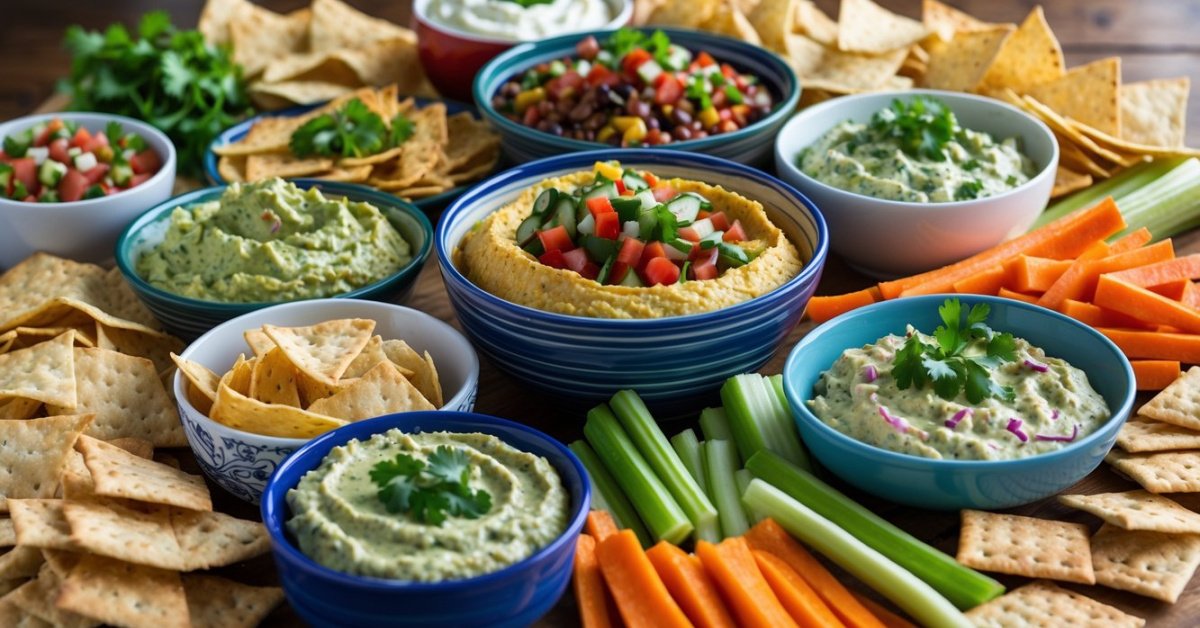
Whenever I crave something creamy, flavorful, and healthy, I find myself reaching for a bowl of classic hummus. There’s just something about its smooth texture and zesty kick that makes it perfect for dipping veggies, spreading on sandwiches, or simply enjoying by the spoonful.
I love how easy it is to whip up a batch at home with just a handful of simple ingredients. Plus, making hummus from scratch means I get to control the flavors and freshness every time. If you’ve ever wondered how to get that authentic taste and velvety smoothness, you’re in the right place.
What Makes a Classic Hummus Recipe
A classic hummus recipe, to me, always starts with real simple ingredients. Chickpeas, tahini, lemon juice, fresh garlic, salt, and good olive oil set the base every time I whip up a batch. Each one brings its own in the dip world. Chickpeas add that creamy heft, tahini brings nuttiness, lemon cuts through with brightness, and garlic hits with a little bite, which I can’t get enough of. Salt pulls it all together, and olive oil smooths it out.
Balance in flavor really sets apart a classic hummus recipe. I measure lemon juice and tahini carefully so one never overshadows the other. When the lemon pops too bright or the tahini tastes too heavy, the hummus just doesn’t feel right on a carrot stick or pita wedge.
Texture might be my favorite thing about a solid hummus, and folks can tell when there’s grit or lumps. I blend those chickpeas till they’re silky and soft, almost like a dip you’d want to eat by the spoonful. Sometimes, I even peel the chickpeas for that extra-smooth finish I used to sell with my company. If you’re after that creaminess, just spend an extra minute or two with the blender.
Authenticity tops it for hummus lovers searching for that real-deal taste. Classic hummus keeps it basic with seasonings—just a dash of cumin or paprika, but never too much. I skip the fancy add-ins and let the simple, earthy flavors shine.
Serving makes a difference, too. Classic hummus gets a good swirl with olive oil and maybe a sprinkle of paprika or a few parsley leaves. In my Alabama kitchen, that final touch always draws folks in.
Key Ingredients for Authentic Hummus
Folks ask me all the time about what really sets a classic hummus apart. For that signature creamy dip, I always start with a handful of essential ingredients, each one pulling its own weight in the flavor department.
Chickpeas
Chickpeas build the foundation for every hummus I make. I get the best texture from cooked, cooled chickpeas—about 15 ounces from a can or 1.5 cups if I’m cooking dried beans myself. For extra smooth hummus, I peel the skins off the chickpeas before blending ’em. Each chickpea brings just enough earthiness and body you need for a true classic dip.
Tahini
Tahini keeps my hummus rich and thick. I use ¼ cup of a good-quality tahini made from 100% sesame seeds—creamy, not bitter. Tahini ties the chickpeas and olive oil together, and it gives every bite that nutty undertone folks expect from Mediterranean dips.
Garlic and Lemon Juice
Garlic and lemon juice always set fresh hummus apart in flavor. I mince one fresh garlic clove for a mild kick, or two if I want a little punch. I squeeze in 2–3 tablespoons of fresh lemon juice; bottled just can’t match the brightness. Lemon juice keeps the flavor lively, and garlic adds a welcome sharpness that brings it all together.
Olive Oil and Seasonings
Olive oil finishes the blend with a smooth mouthfeel and a slick bit of richness. I pour in about 2 tablespoons of a fruity, extra-virgin olive oil, then drizzle some over the top before serving. For seasonings, I stick to kosher salt—usually ½ teaspoon—to bring out the flavors, and I might dust some paprika or cumin for a hint of smokiness if the crowd’s right. This combo keeps the dip classic, tasty, and always ready for dippin’ or spreadin’.
Step-by-Step Preparation Guide
I always say, making classic hummus at home ain’t tricky, but there’s an art to getting it just right. Every step turns a bunch of simple ingredients into a creamy, rich dip folks can’t stop eating.
Soaking and Cooking Chickpeas
I start with dried chickpeas, because nothing beats their flavor or texture. I soak ’em overnight in a big bowl of water, letting those little beans plump right up. In the morning, I drain, rinse, and toss them in a pot with fresh water. I simmer, not boil, for about 60-75 minutes until they’re good and tender. If I want my hummus extra smooth, I pinch off those skins after cooking, and that step makes all the difference in texture.
Blending to Perfection
I add the warm, cooked chickpeas straight to my food processor with tahini, fresh lemon juice, and garlic. I let the machine run for a few minutes, stopping to scrape down the sides two or three times. While it’s spinning, I drizzle in cold water and good olive oil, watching the texture turn silky. Blending long enough gets me that fluffy, creamy finish classic hummus is famous for.
Balancing Flavors
I taste as I go, adding salt little by little. I don’t let anything overpower—lemon juice should brighten, tahini should enrich, and garlic ought to come through but not bite. Sometimes I’ll toss in a pinch of cumin or paprika if I’m feeling rustic, but not more than half a teaspoon. When it’s just right, I spread the hummus into a bowl, swoop it with the back of a spoon, then finish with a glug of olive oil and a scatter of parsley or paprika for that homemade Alabama touch.
Serving Suggestions and Pairings
I always say, once you get classic hummus just right, the next thing is figuring out the best ways to serve it up and what to pair it with at the table. There’s no shortage of options—this dip knows how to pull its own weight at any gathering or meal.
Traditional Garnishes
I stick close to the classics when it comes to topping off a good bowl of hummus:
- Extra-Virgin Olive Oil: I pour a generous swirl right across the top for richness and shine.
- Chopped Fresh Parsley: I sprinkle it for a fresh, herby pop of color.
- Ground Paprika: I dust a little for a smoky-sweet finish—sometimes I swap in sumac for a lemony touch.
- Whole Chickpeas: I drop a spoonful in the center to show off that creamy texture.
Creative Ways to Enjoy Hummus
I find folks eat more hummus when I break out something different:
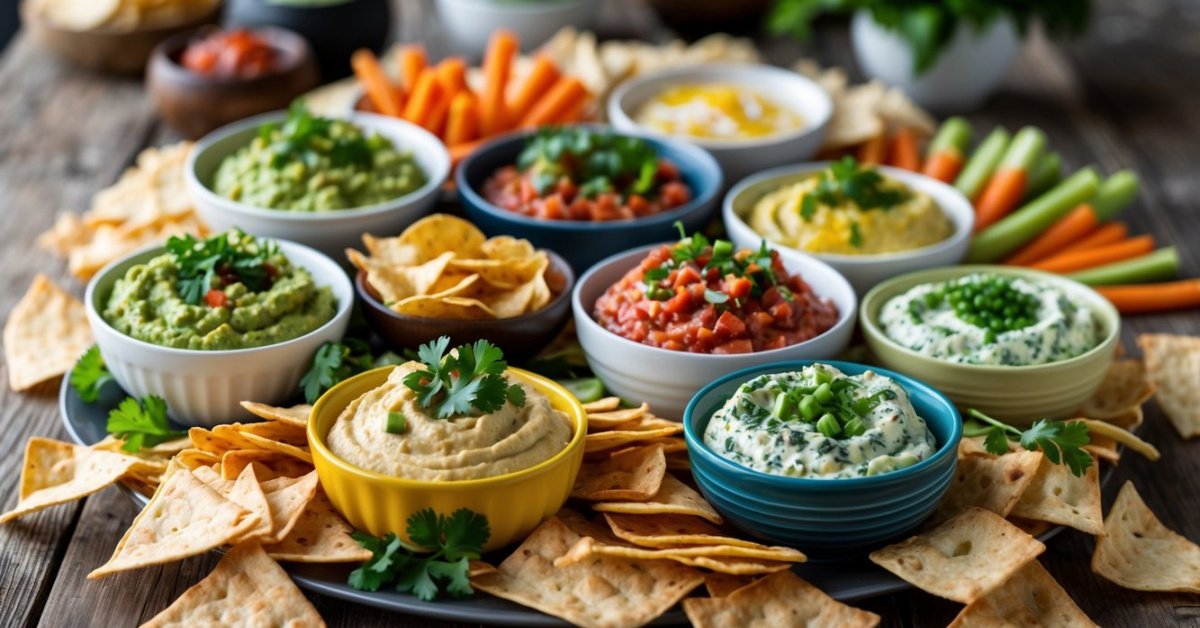
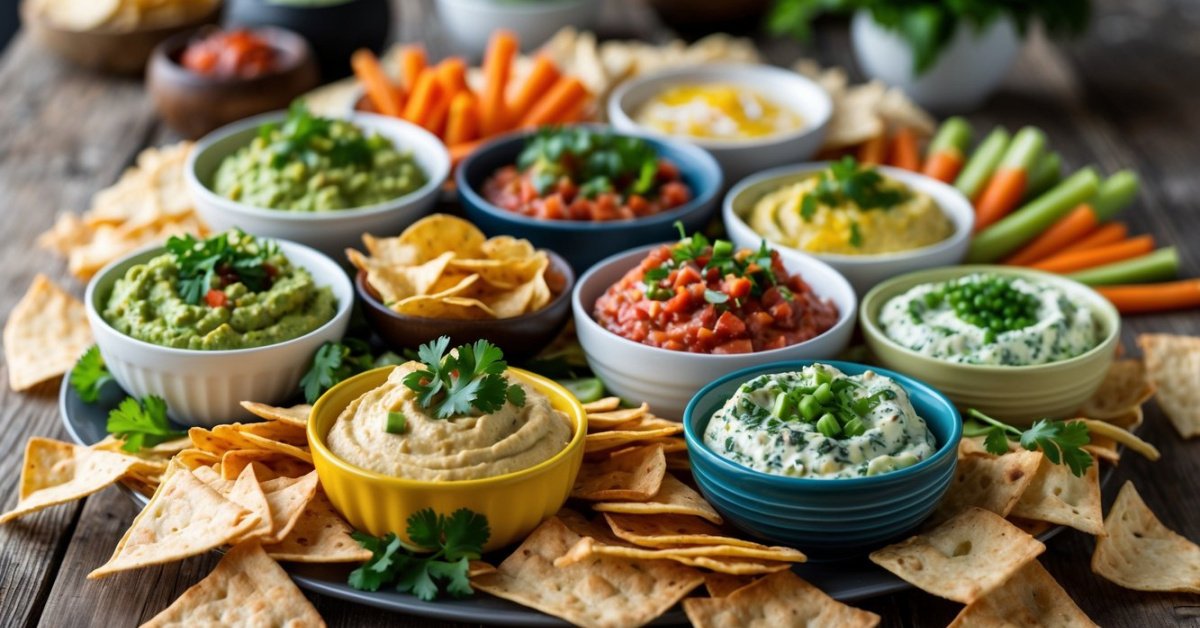
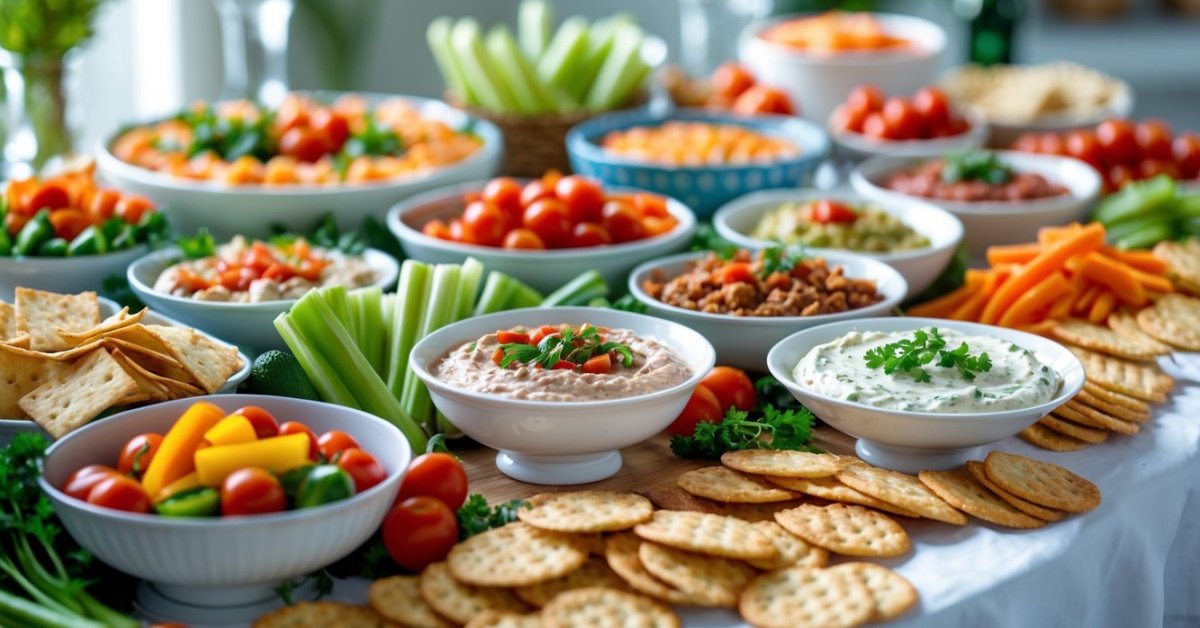
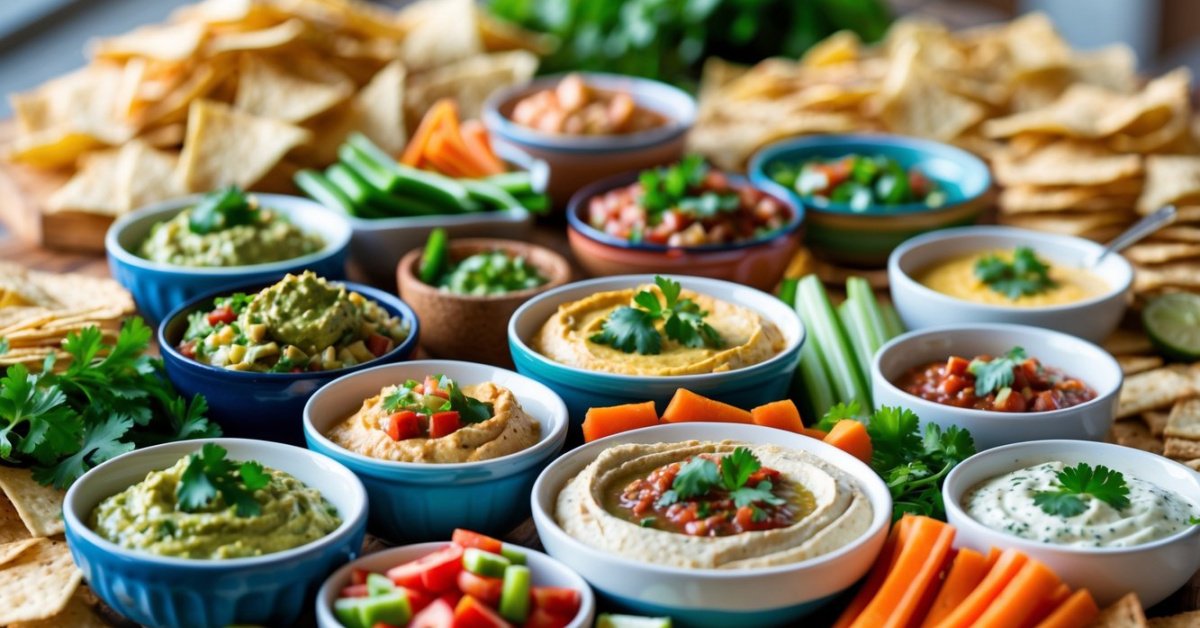
- Fresh-cut Veggies: I make a plate with sliced cucumbers, carrot sticks, and bell pepper strips—which go fast at any party.
- Toasted Pita Chips: I bake up wedges of pita drizzled in olive oil for crunchy dipping.
- Sandwiches & Wraps: I spread hummus on rustic bread or inside pita with grilled chicken, roasted veggies, or even fried green tomatoes for a Southern spin.
- Grain Bowls: I scoop hummus alongside farro, quinoa, or brown rice topped with roasted okra or collards.
- Breakfast Toast: I make toast with hummus, sliced tomato, and a sprinkle of black pepper for a hearty start.
Hummus always finds its place, whether as the headliner on a veggie tray or tucked in as an unexpected flavor boost in an everyday meal.
Tips for the Best Classic Hummus
Gettin’ that hummus just right takes a little know-how, not just good ingredients. Here’s what I always do in my kitchen:
- Cook Chickpeas Right
Cookin’ chickpeas till they’re real tender gives that hummus a creamy base. I boil ’em a bit longer than a recipe says—soft enough to mash between my fingers. If I ever use canned chickpeas, I drain, rinse, then simmer ’em for 20 minutes with a pinch of baking soda.
- Peel for Silkiness
Peelin’ chickpeas ain’t required, but it sure makes the dip smooth as silk. I just pinch the skins after they cool a bit. My old customers in Alabama raved about that super smooth texture.
- Use Cold Water
Blending in a few tablespoons of ice-cold water fluffs up the hummus. This trick keeps the dip from gettin’ pasty and gives it a light finish.
- Start with Good Tahini
I always use a tahini that’s smooth, not too bitter, and pourable. Give it a good stir before you measure it out. Bad tahini ruins the batch, so I stick with fresh and keep it stored in the fridge.
- Balance Flavors as You Go
After blendin’, I taste and add more lemon, olive oil, or salt bit by bit. When the flavors hit just right—that’s when it goes on the table.
- Don’t Overdo Seasonings
I keep my spices simple. Sometimes I’ll dust a little cumin or sweet paprika on top, but the classic hummus I built my company on lets the garlic, tahini, and lemon shine.
- Finish with the Right Toppings
Before servin’, I make a well in the hummus with the back of a spoon. Good olive oil, a sprinkle of chopped parsley, and a shake of paprika give a homemade batch a pro look and flavor.
Each batch of hummus I serve brings a little Southern hospitality and a whole lotta flavor, just the way I like my classic dips.
Conclusion
Making classic hummus at home always feels rewarding to me. There’s something special about blending simple ingredients into a creamy dip that’s both comforting and impressive. I love how a bowl of homemade hummus can bring people together whether it’s at a family dinner or a casual get-together with friends.
If you haven’t tried making your own yet give it a shot. You might be surprised by how easy and delicious it is—plus you get to put your own spin on every batch. Happy blending!