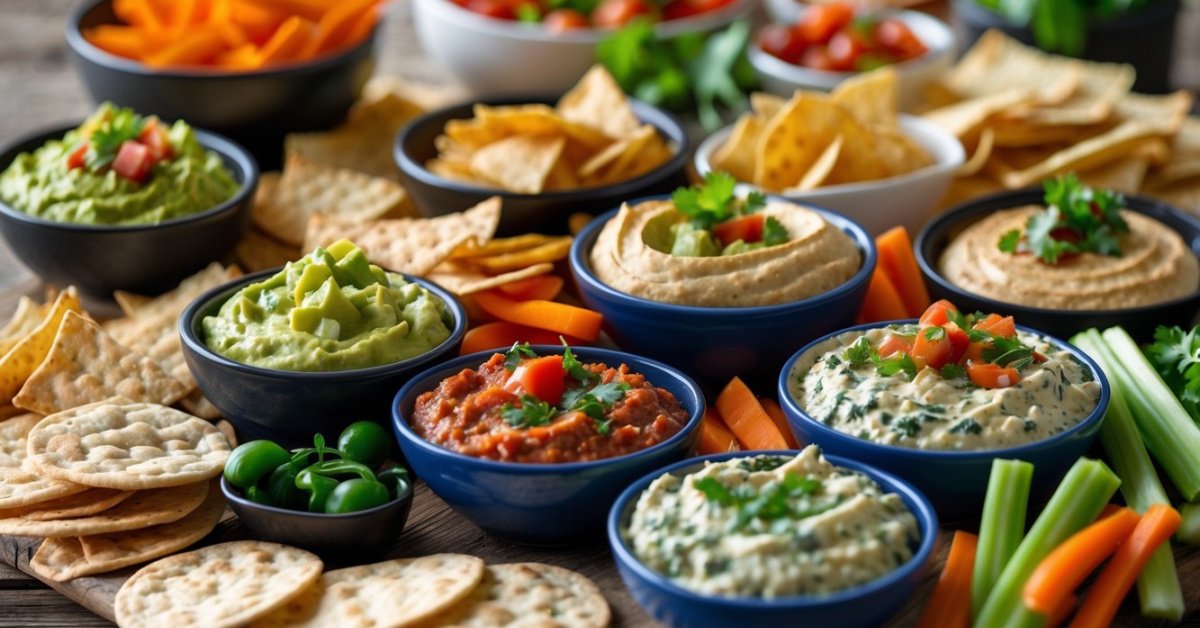
Every time I think about Moroccan cuisine my mind drifts to the rich flavors and vibrant colors that make every dish so inviting. One of my absolute favorites is Zaalouk a smoky eggplant and tomato dip that’s as comforting as it is bold. It’s the kind of dish that turns a simple meal into something special.
I love how Zaalouk brings people together. Whether I’m scooping it up with warm bread or serving it as a side at dinner it never fails to spark conversation. There’s just something magical about its blend of spices and the way it captures the essence of Morocco in every bite.
What Is Moroccan Zaalouk Dip?
I call Moroccan Zaalouk dip a smoky, savory classic made from eggplant, tomatoes, garlic, and good olive oil. Folks in Morocco serve it at room temp, most often as a starter or a side, and sometimes even scoop it up with warm bread. Main flavors come from roasted eggplant, stewed tomatoes, fresh herbs, and spices like cumin, paprika, and a touch of chili—think bold and earthy, nothing shy.
I always say Zaalouk’s got texture—soft but chunky, not at all thin or runny, kinda like a proper Southern chow-chow but way more Mediterranean. Recipes use fresh lemon for a tangy finish and cilantro or parsley for that green pop. Whenever I made it for customers back in my dip shop, I’d set it out next to hummus or baba ganoush, and folks always came back asking for that “smoked tomato magic.”
Every ingredient in Zaalouk carries flavor. Eggplant’s roasted till silky, tomatoes cook down rich, garlic comes in strong, and those spices keep you coming back bite after bite. It’s a dip, a spread, even a side with fish or chicken. Around my table, Zaalouk makes new fans at every party.
Key Ingredients and Flavors
I lean on simple, bold flavors to make Moroccan Zaalouk Dip stand out in any spread. Every scoop packs deep, layered tastes from garden vegetables and classic spices.
Eggplant and Tomatoes
I use roasted eggplant and ripe tomatoes as the backbone for my Zaalouk. Eggplant, when smoked or charred, turns silky and gives a rich depth—like those dips I sold down in Mobile. Tomatoes, I stew until they get sweet and a little tangy. These two together give the dip its body and that soft but chunky bite folks love at the table.
Spices and Herbs
I always reach for freshly ground cumin and paprika to give Zaalouk its signature kick. Cumin adds an earthy flavor you’ll taste up front, and paprika brings a gentle smoke without being hot. For herbs, I mix in handfuls of chopped fresh cilantro and parsley, which brighten up the whole bowl. Garlic and a splash of good olive oil finish things off, delivering bold, honest flavors that set this dip apart from others in my recipe book.
How Moroccan Zaalouk Dip Is Made
I make my Moroccan Zaalouk Dip slow and steady, just like I’ve always handled my best-selling dips back in Alabama. When I start a batch, smoky eggplant and well-stewed tomatoes always set the stage. Folks looking for a dip with bold flavors and honest goodness find Zaalouk hits that mark every time.
Traditional Preparation Method
I roast whole eggplants over an open flame or in a hot oven, getting that soft flesh and smoky flavor just right. After roasting, I scoop out the eggplant, mash it, and toss it in a skillet with diced tomatoes, minced garlic, and a generous pour of olive oil. I sprinkle in ground cumin, smoked paprika, salt, and black pepper. I let all that simmer until it’s thick and spreadable, usually about 25-30 minutes. Right before serving, I stir in chopped cilantro and parsley for a fresh kick. Every batch cools down to room temp so the flavors mellow out, then I scoop it up with warm flatbread or pita.
Modern Variations
I see lots of folks get creative with Zaalouk these days. Some swap in canned tomatoes for fresh ones when time runs short or grill the eggplant for an even smokier taste. Other recipes add bell peppers, chili flakes, or a splash of lemon for brightness. I’ve even made chunky versions with less mashing or added roasted garlic instead of raw. If folks want to keep it vegan or gluten-free, Zaalouk already fits the bill—just serve with vegetable sticks or gluten-free crackers. At my own table, I’ll mix in extra herbs or drizzle a bit more olive oil for dipping, depending on who’s coming over.
Taste and Texture Experience
Tasting Moroccan Zaalouk dip always reminds me why I fell in love with making dips. Every bite’s got a smoky depth straight from the eggplant, and that’s something you just can’t fake. The tomatoes hit with a sweet, tangy punch that balances things out. I taste warm spices like cumin and paprika in every spoonful—just enough to wake up your taste buds, not steal the spotlight. Chopped cilantro and parsley keep things fresh and bright, cutting through the rich flavors.
The texture always stands out when folks try my Zaalouk. It’s soft but chunky, so you get a little bite from the veggies but nothing heavy. The olive oil gives it a silky finish that coats your mouth, which is pretty rare in most veggie dips. Serve it up with warm bread, pita, or crunchy raw veggies—each bite pulls up just enough dip to really get a mouthful of flavor.
When I bring this out at a gathering, the way folks scoop into the bowl and go back for seconds tells me everything. Zaalouk feels comforting but bold—never bland. I’ve served all kinds of dips in my time, but the combination of that rustic, smoky flavor with the chunky yet creamy texture makes this one shine.
Serving Suggestions and Pairings
Serving Zaalouk brings a lotta joy to my table, and I always keep folks guessing with what I set out alongside it. Spreading Zaalouk onto thick slices of crusty bread, like a good rustic baguette or chewy Moroccan khobz, makes for real hearty bites. Scooping it up with warm pita triangles or fresh naan stays popular, especially at my backyard gatherings.
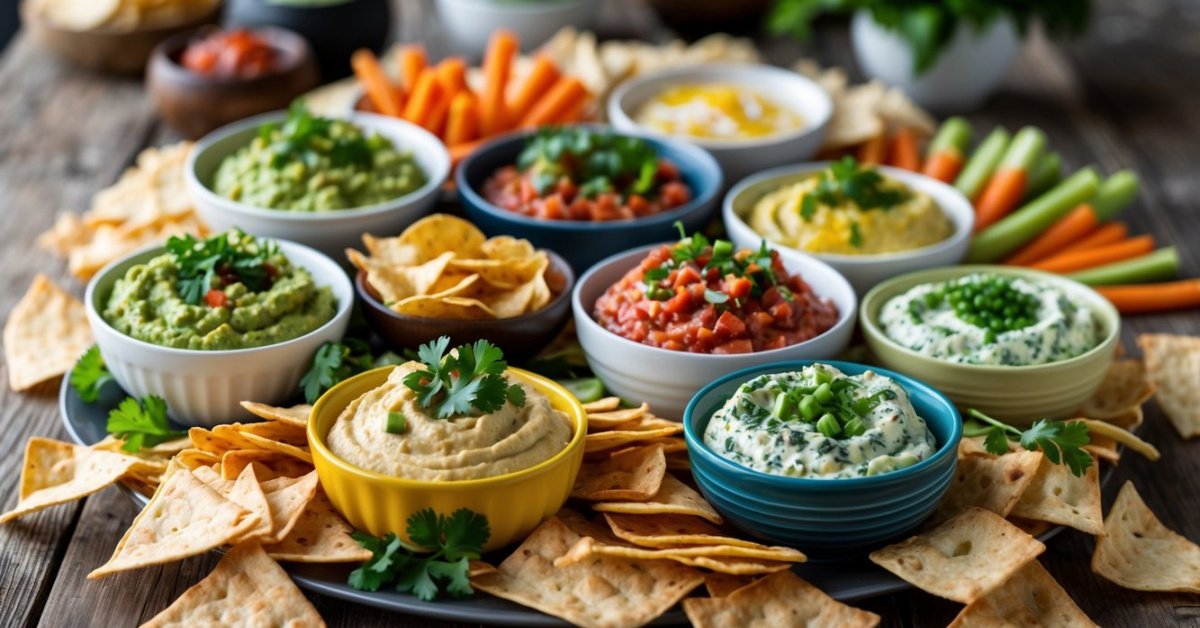
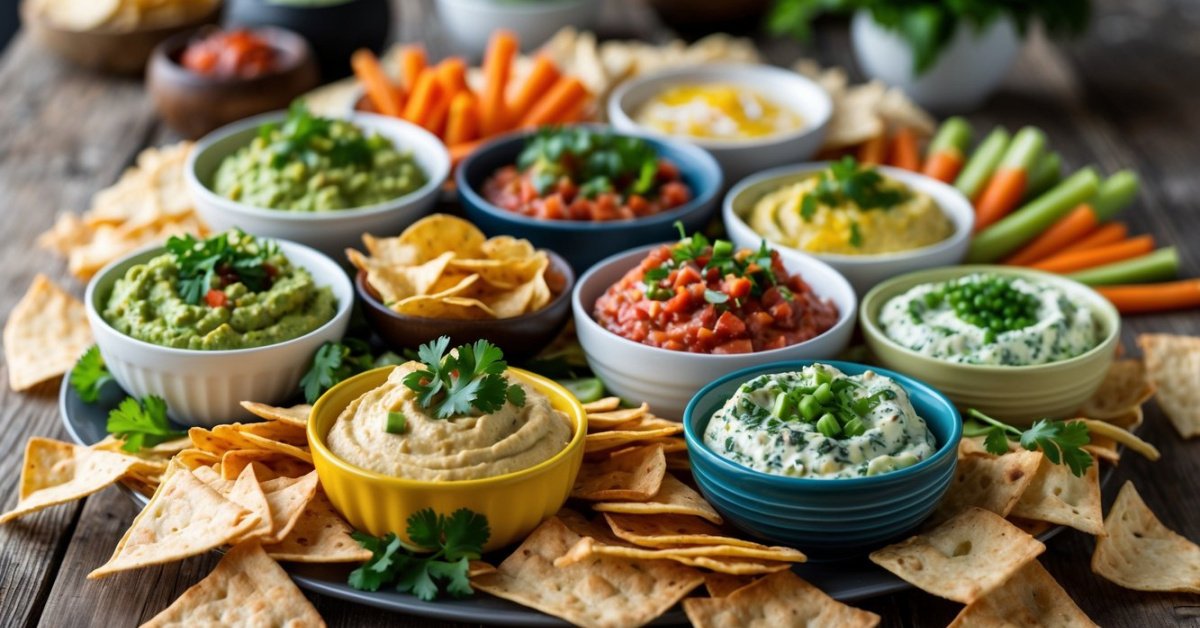
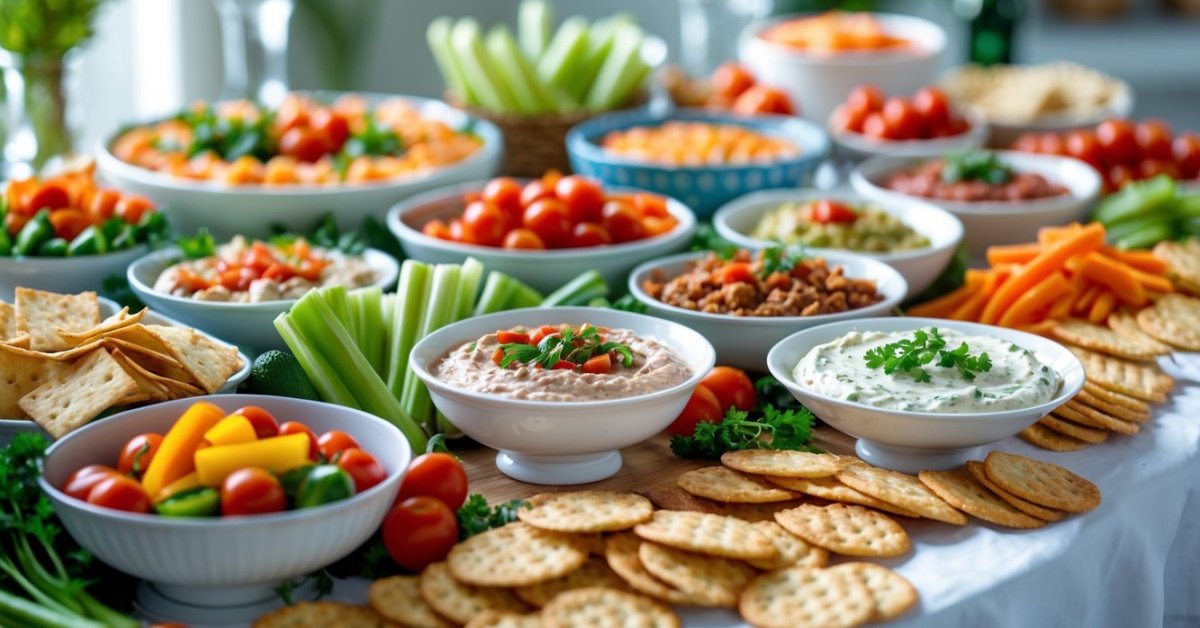
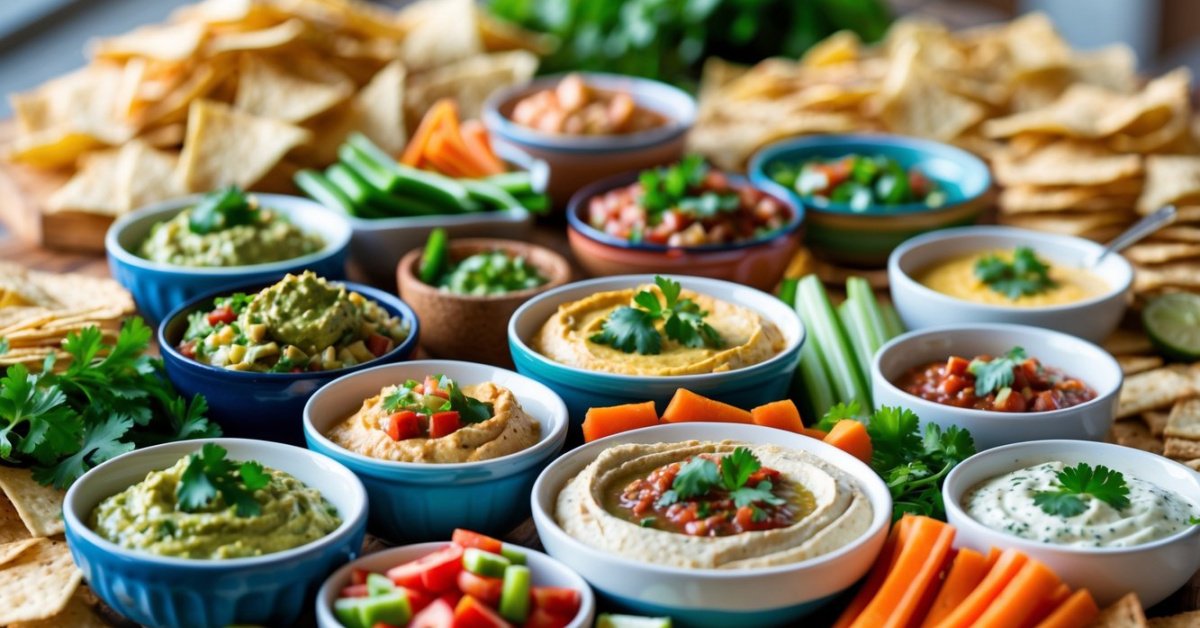
Pairing Zaalouk with other dips keeps the flavors rolling. Mixing it next to silky hummus or smoky baba ganoush on a platter gives everyone somethin’ to talk about and dip into. I pile up some crisp veggies—think cucumber rounds, sweet bell pepper strips, or carrot sticks—for crunch that goes well with the dip’s soft, chunky bite.
Dishing Zaalouk as a side next to grilled meats, like chicken skewers or lamb chops, brings those smoky eggplant and tomato flavors front and center. I’ve served it alongside roasted fish or tossed into a grain bowl with quinoa and chickpeas—folks always ask for more.
For anyone wanting to keep things light, dolloping Zaalouk on simple salads or inside lettuce wraps makes for fresh, easy eating. I sometimes top it off with extra herbs or a drizzle of my best olive oil, depending on what I’m feeling that day.
Here’s a handy table for my go-to serving and pairing choices:
| Serving Base | Example |
|---|---|
| Crusty bread | Rustic baguette, Moroccan khobz |
| Flatbread | Pita, naan |
| Fresh vegetables | Cucumber, bell pepper, carrot |
| Other dips | Hummus, baba ganoush |
| Side for proteins | Grilled chicken, lamb, fish |
| Grain bowls/salads | Quinoa, chickpeas, lettuce wraps |
Mixing and matching keeps Zaalouk fun, and every table I set has folks reaching for seconds, just like back home in Alabama when I ran my dip company.
Where to Find Authentic Moroccan Zaalouk Dip
Restaurants serving Moroccan food often list Zaalouk as a starter or side. I find folks love dipping into Zaalouk at places that highlight North African specialties—think red-tiled spots with tagines bubbling by the window or bakeries making fresh khobz. In cities like New York, LA, and Chicago, Moroccan cafés and Mediterranean eateries serve house-made Zaalouk. In smaller towns, you might spot it at global food markets or pop-up kitchens run by Moroccan families.
Online grocers sometimes stock prepared Zaalouk, jarred or freshly packed. I’ve seen brands import it straight from Casablanca. On Etsy and specialty food shops, home cooks sell small-batch Zaalouk, made by hand and shipped in chilled packs.
Making Zaalouk at home stays my favorite. Every time I’ve cooked up a batch in my Alabama kitchen or for my old dip business, the flavor says “authentic” with everyday ingredients. North African groceries and farmers’ markets carry eggplant, spices, and olive oil straight from Morocco, making it easy to capture those bold, savory notes.
Cooking classes and spice workshops sometimes feature Zaalouk as a way to introduce folks to Moroccan flavors. I’ve led many dip tastings and folks always rally around a bowl of smoky eggplant and tomato. If tasting Zaalouk at a Moroccan friend’s table, you’re likely sampling the real deal—passed down, family-style, just like we do in the South with our favorites.
Conclusion
Zaalouk always brings a sense of warmth and togetherness to my table. I love how its smoky aroma and bold flavors create instant connections between friends and family. Whether I’m serving it as a starter or adding it to a spread of dips and sides there’s something about Zaalouk that sparks conversation and makes every meal special.
If you haven’t tried making Zaalouk yet I hope you’ll give it a go. It’s a simple way to bring a little Moroccan magic into your kitchen and share a dish that never fails to impress.