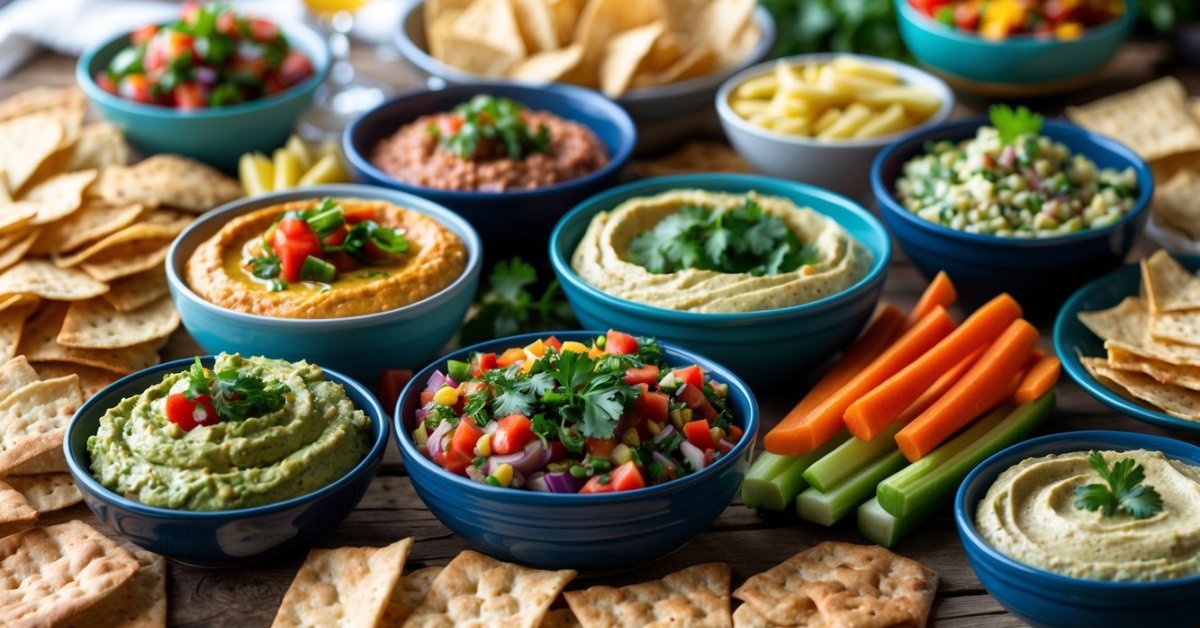
Whenever I think about bold flavors and creamy dips, Thai peanut sauce always comes to mind. There’s something irresistible about that perfect balance of savory peanuts, a hint of sweetness, and just the right kick of spice. It turns the simplest veggies or grilled meats into something special.
I love how easy it is to whip up a batch at home and adjust it just the way I like. Whether I’m hosting friends or just want a quick snack, this dip never disappoints. It’s a little taste of Thailand that I can enjoy anytime, right in my own kitchen.
What Is Thai Peanut Sauce Dip?
Thai peanut sauce dip brings together roasted peanuts, coconut milk, soy sauce, lime juice, and spices into a creamy, smooth dip. My kitchen always smells like rich peanut with a little garlic and ginger when I whip up a batch. Folks usually spot it next to chicken satay, spring rolls, or fresh veggies.
This dip hits just about every flavor: it’s nutty from the peanuts, sweet from brown sugar, savory from soy sauce, tangy from lime, and kicks up some spice from chili flakes. I get a silky texture by blending the sauce until glossy and pourable. Dips like this let every bite grab onto the bold flavors Thai cuisine’s known for.
I love making it fresh, since store-bought never matches homemade taste. You can serve it cold as a veggie platter dip or warm for drizzling over skewered meats. At my old dip company, this recipe topped the charts with customers who craved savory-sweet combinations.
Here’s a breakdown of classic Thai peanut sauce dip components and their taste profile:
| Ingredient | Role in Dip | Example Taste |
|---|---|---|
| Roasted peanuts | Main base, thickness | Nutty, rich |
| Coconut milk | Creaminess, balance | Smooth, sweet |
| Soy sauce | Umami, depth | Salty, savory |
| Lime juice | Acidity, freshness | Tangy, citrus |
| Brown sugar | Sweetness, roundness | Caramel, mild sweet |
| Garlic & ginger | Aroma, kick | Sharp, zesty |
| Chili flakes | Heat, balance | Spicy, warm |
Every dip I make gets a Southern spirit, but Thai peanut sauce dip wins hearts everywhere, from backyard potlucks to weeknight snacks. It’s a classic for anyone looking to master bold, crave-worthy dips right at home.
Key Ingredients And Flavor Profile
Thai peanut sauce dip pulls folks in with its creamy texture and bold flavors, always standing out at my table. I pay close attention to each ingredient, just like I did in my own Alabama dip shop, making sure every jar brings out the best balance of sweet, salty, spicy, and tangy.
Core Ingredients Breakdown
- Roasted Peanuts: I use roasted peanuts for that deep, nutty base—unsweetened, unsalted, just the way I like to grind ’em. Pre-ground peanut butter works in a pinch, but freshly ground sets the dip apart.
- Coconut Milk: Full-fat coconut milk makes the dip silky and smooth, adding a mellow richness you can taste right from the first bite.
- Soy Sauce: I bring in soy sauce for salt and umami. I prefer a good-quality light soy sauce, which blends well without mocking the peanut.
- Lime Juice: I squeeze in fresh lime juice for that clean, tangy pop. Bottled juice just can’t cut it for this dip.
- Brown Sugar: Light brown sugar melts right in, keeping the sweetness subtle. White sugar misses the depth, and honey’s too floral for me here.
- Garlic & Ginger: Minced garlic and fresh ginger crank up the aroma. Both wake up the whole bowl and bring that unmistakable Thai twist.
- Chili Sauce or Crushed Red Pepper: A spoonful of chili-garlic sauce or a few shakes of crushed red pepper gives my batch just enough heat, letting folks know it’s got some spirit.
Unique Flavor Combinations
Thai peanut sauce dip stands out because it layers nutty, sweet, savory, tangy, and spicy notes. The roasted peanuts and coconut milk form a creamy, earthy foundation. Soy sauce brings out the savory middle—think grilled chicken satay or shrimp spring rolls. Lime juice and brown sugar balance each other, drawing out tang and just the right bit of sweetness that keeps you dipping. Garlic and ginger send out that classic Thai aroma when you stir or warm the sauce. A touch of spicy chili sauce rounds everything out, finishing each bite with a gentle kick. Each spoonful feels balanced, with every ingredient earning its keep—no one note ever out-shadows another.
How To Use Thai Peanut Sauce Dip
I’ve worked a lot of peanut sauce magic in my time, and Thai peanut sauce dip’s turned into a favorite for adding a punch of flavor about anywhere. I use it from party trays to the middle of weeknight suppers.
As A Dip Or Appetizer
I like to serve Thai peanut sauce dip front and center on a platter, right next to crisp veggies like carrots, cucumber coins, and bell pepper strips. Folks dig in with grilled chicken skewers—think chicken satay straight from the grill. Spring rolls, fried tofu cubes, and even rice crackers get a big boost when dipped. When I host, I set out a big bowl so the crowd’s got one spot for all kinds of snackables. It’s pretty much the dip that goes first at my place, every single time.
Pairing With Main Dishes
I’ve drizzled Thai peanut sauce dip over grilled pork chops, tossed it with warm rice noodles, and spooned it right onto shrimp tacos. The sauce ties together rice bowls that are packed with roasted veggies or crispy tofu. At barbecue time, I’ll swipe it on burgers or serve it as a dipping sauce for grilled steaks, turning the simple stuff into a bold, downright addicting bite. My peanut sauce even jazzes up leftovers—just spoon some on cold rotisserie chicken or noodles, and lunch looks brand new.
Taste Test And Texture Review
I like a dip that hits the mark on both taste and texture, and this Thai peanut sauce dip sure delivers. Every batch I make gives up that signature silky feel and packs flavor that lingers just right.
Consistency And Creaminess
This Thai peanut sauce dip turns out smooth and creamy every time, thanks to the mix of roasted peanuts and coconut milk. I grind those peanuts fine, then blend ’em with the coconut milk ‘til the mix feels rich, thick, and coat-the-spoon good. The sauce pours steady, clings to crisp veggies or grilled meat, and dips easy—never runny or gloopy. Folks dipping spring rolls or chicken satay always notice how the sauce keeps its body, holding tight to every bite. I’ve tested it after chilling and after warming; it stays creamy, no weird separation.
Sweetness, Spice, And Umami Balance
This dip pulls together sweet, spicy, and savory flavors in every taste. I get a mellow sweetness first, coming from brown sugar and coconut milk. Right after, the spice from chili sauce and red pepper brings a gentle heat—not overwhelming but enough to give it character. The soy sauce takes care of that umami punch, rounding things out with depth you won’t find in basic dips. I taste a fresh citrus tang from lime juice before the savory, roasted peanut flavor settles in. Every bite brings a little zing, a clean finish, and satisfies folks who like complex, but balanced, taste. I’ve tried adjusting the levels over the years, but this balance works for crowds at cookouts and quiet nights alike.
Store-Bought Vs. Homemade Options
Sometimes folks ask me if there’s a real difference between my homemade Thai peanut sauce dip and what you grab off the shelf at the market. I’ve got plenty of hours behind both a home kitchen stove and a dip plant kettle, so let me lay it out clear for anybody wondering where to start.
Popular Store-Bought Brands
When I walk the local grocery store here in Alabama, Thai Kitchen, House of Tsang, and Trader Joe’s pop up most often in the peanut sauce aisle. Supermarkets all over the South carry those jars. Many bottles come labeled as “satay sauce,” with a creamy base and a bit of tang. Target and Walmart usually stock generic options—Great Value and Archer Farms, for example—along with international brands like Maesri or A Taste of Thai. Bottles offer quick convenience, and some use peanuts, while others lean on peanut butter and thickeners for that signature texture.
| Brand | Key Notes | Common Price (USD) |
|---|---|---|
| Thai Kitchen | Creamy, coconut-heavy | 3–4 |
| House of Tsang | Sweet, thick, easy to find | 4–5 |
| Trader Joe’s | Balanced, mild spice | 3–5 |
| Maesri | Authentic, strong umami | 2–4 |
| A Taste of Thai | Tangy, light consistency | 3–5 |
Pros And Cons Of Homemade Recipes
Mixing up Thai peanut sauce dip from scratch gives me full control over flavor and consistency. I pick every single ingredient, adjust the sweetness, heat, and acidity, and skip preservatives. Homemade dips pack a punch thanks to fresh roasted peanuts, lime juice, garlic, and ginger. If you want it extra spicy or extra creamy, all it takes is a quick tweak to the batch.
Homemade sauce comes with its own challenges. It takes about 10 to 15 minutes, maybe more if you’re slow on the peanut grinding. Sourcing fresh ingredients is key, especially if you want that restaurant-style pop, so that means keeping ginger and limes handy. Sometimes folks say the big brands taste more consistent from jar to jar, but to me, nothing matches the boldness or aroma of doing it fresh in my Alabama kitchen. Homemade also lets you avoid added sugar, wheat, or artificial flavors—a big reason I started my dip company in the first place.
Store-bought sauces win for convenience. If your schedule’s tight or you’re looking for a last-minute addition to a party platter, those jars will do the trick just fine. The trade-off comes as you give up some depth of flavor and texture, since mass-produced dips often use stabilizers, oils, and sweeteners to stretch shelf life. That’s why when I make my peanut sauce dip at home, the taste and creaminess just can’t be matched by anything with a barcode.
Conclusion
Whenever I whip up a batch of Thai peanut sauce dip I’m reminded just how rewarding it is to create something so flavorful with my own hands. There’s something special about the aroma that fills my kitchen and the smiles it brings to the table.
Whether I’m sharing it with friends or sneaking a quick snack for myself this dip always delivers. If you haven’t tried making it at home yet give it a shot—your taste buds will thank you.