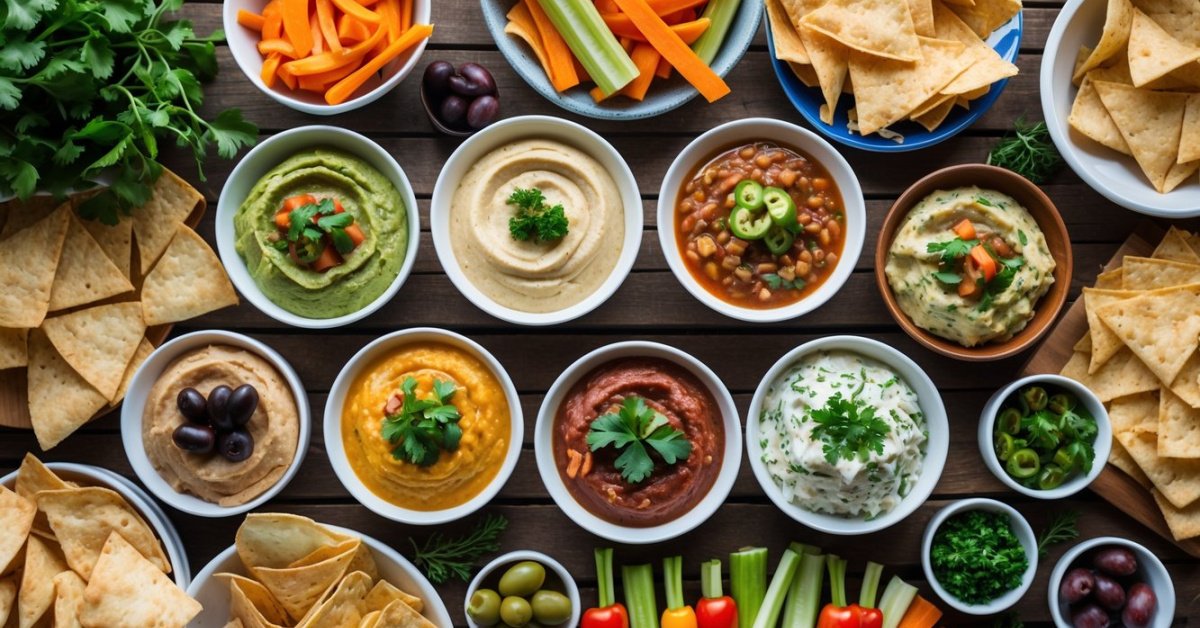
Whenever I’m craving something bold and a little different for my snacks or appetizers, I always reach for Spanish Romesco dip. There’s just something about its smoky flavor and vibrant color that makes any meal feel special. It’s one of those dips that instantly transports me to a lively tapas bar in Spain, even if I’m just at home with a bag of chips.
I love how Romesco brings together roasted peppers, nuts, and a hint of garlic for a taste that’s both rich and refreshing. It’s incredibly versatile too—perfect with veggies, seafood, or even spread on sandwiches. If you’re looking to spice up your next gathering or just want to treat yourself to something new, Romesco dip is a must-try.
What Is Spanish Romesco Dip?
Spanish Romesco dip comes from Catalonia, a region over in northeastern Spain where folks love bold flavors. I make mine with roasted red peppers, tomatoes, toasted almonds, and garlic blended together with smoked paprika and sherry vinegar. That combo gives Romesco its rich, deep flavor and that bright red-orange color you just can’t miss at a party tray.
Romesco’s one of those dips that always stands out because it brings smoky, nutty, slightly tangy notes—think of a blend of nutty crunch and peppery sweetness with just a kick of garlic. Spanish cooks most often serve it with grilled veggies, toasted bread, or even seafood. I reach for it when I want a dip that’s a little bit smoky, a little bit creamy, and something different from the usual ranch and salsa folks serve around here.
You’ll find Romesco in bowls all over Spain, but you don’t need fancy ingredients to make it at home. It’s gluten-free and can even be vegan depending on what you use. Most batches take me just about 10–15 minutes with a blender, and I like to whip one up for game days, cookouts, or when I want something that’s both quick and full of flavor. The history is deep, flavors are layered, and that’s what keeps me coming back to Spanish Romesco dip every time.
Origins and History of Romesco
Romesco dip first showed up in Catalonia, a region up in northeastern Spain. Folks over there started mixing up this bright, punchy sauce way back in the 19th century. Fishermen around the city of Tarragona made Romesco to jazz up the taste of their daily catch—grilled fish and shellfish got doused in it after long days on the water.
Peppers, tomatoes, nuts, garlic, and olive oil make up the backbone of Romesco, and Catalan cooks started using what they had on hand. Red ñora peppers—a dried sweet pepper—brought a deep color and flavor, but when I make it in Alabama, I reach for roasted red bell peppers, since they’re easy to find. Almonds or hazelnuts brought that nuttiness folks love in any good dip.
Over time, Romesco didn’t just stick to fish. Locals poured it on veggies, meats, and rustic country bread. Nowadays, restaurants and home kitchens across Spain put their own spins on the dip, making it chunkier, spicier, or smoother, depending on who’s doing the stirring.
Back when I was running my dip company, I always admired how Romesco brought together the bold, layered flavors of the Spanish coast. It’s a dip with real history—rooted in simple meals and made to pair with whatever was fresh that day. That kind of tradition speaks to anyone who loves mixing up flavors right at home.
Key Ingredients in Spanish Romesco Dip
Romesco’s flavor jumps out because it puts classic Spanish ingredients together in just the right way. Each part brings its own punch, and knowing how each works means you get that real-deal dip taste every time.
Roasted Red Peppers
Roasted red peppers—like the ones I pull from my grill or oven—make up the base in Romesco dip. They give the sauce its deep red color, smoky undertones, and slight sweetness. I use jarred roasted peppers when I’m short on time but love the flavor depth that comes from roasting fresh ones right at home.
Almonds and Hazelnuts
Almonds and hazelnuts bring that signature nuttiness you can’t skip in Romesco. I usually toast Marcona almonds and some shelled hazelnuts for extra flavor. These nuts thicken the dip, making it creamy and giving every bite some real body. Spanish recipes often lean heavy on Marcona almonds, though a handful of toasted regular almonds or hazelnuts works if that’s what you’ve got.
Olive Oil and Vinegar
Good extra-virgin olive oil creates a lush base and helps tie the flavors together. I pour in cold-pressed Spanish olive oil when I want it really silky. Sherry vinegar, with its bright tang, cuts through the richness and brings out all those smoky and sweet notes from the peppers and nuts. I stick with Spanish sherry vinegar, but a mild red wine vinegar works if you keep it smooth.
Garlic and Spices
Fresh garlic cloves—usually two or three—add bold, sharp flavor that lingers in the background. I pile in smoked Spanish paprika (pimentón) to grab that deep, earthy heat, and a pinch of cayenne if I want some kick. Salt and cracked black pepper finish things up, letting every other ingredient shine through.
These ingredients come together fast, each one with its job. That’s how you get the bold, balanced Romesco dip I keep coming back to for parties, family tables, and every snack break in between.
Taste and Texture Profile
Romesco dip always catches folks by surprise with its layers. I get bold smokiness right off the bat, thanks to those roasted red peppers and smoked paprika. Next comes a sweet, tangy kick from sherry vinegar and tomatoes. The nuts—almonds or hazelnuts—give a deep, nutty backbone. Garlic adds sharpness without overpowering, and a splash of quality olive oil pulls everything together for a rich mouthfeel.
I feel a little texture in every bite of Romesco. I blend it just until creamy but leave a touch of crunch from the nuts. That gives a hearty grit—never watery, never paste-like. The dip stays thick enough to stick to grilled veggies or crusty bread, but it’s soft enough to spread right onto sandwiches. When I scoop some up, I see its vibrant red-orange color, and that always gets folks talking at the table.
My style always includes a pinch of smoked paprika—that brings out the earthy, rustic taste. If someone likes a little heat, a dash of cayenne sends it over the top. Romesco isn’t just smooth like ranch or salsa; it’s sturdy and textured, with flavors that linger after every bite.
How to Enjoy Spanish Romesco Dip
Spanish Romesco dip’s got a way of livening up just about anything you put on the table. I’ve served it at backyard get-togethers and seen folks dip into it with just about everything, old and new.
Traditional Pairings
Grilled veggies taste especially bright with a good scoop of Romesco—think asparagus, zucchini, or eggplant fresh off the grill. Crusty bread, like a chunk of sourdough or toasted baguette, sops up every drop of that bold, nutty sauce. Seafood’s another classic; folks in Catalonia spoon Romesco over charred shrimp, grilled fish fillets, or calamari for a real kick of flavor. I’ve even spread it on roasted potatoes right before serving, just like you’d find in a Spanish tapas bar.
Modern Serving Ideas
Chicken skewers, roasted cauliflower steaks, and air-fried chickpeas all get a boost from Spanish Romesco dip when you’re riffing on tradition. Sandwiches—especially turkey, veggie, or roast beef—step up their game when I swap out mayo for a thick slather of Romesco. Charcuterie boards with sliced manchego cheese, olives, and cured meats turn into something memorable when this dip sits alongside. Folks often ask for recipes when I serve sweet potato fries or even simple tortilla chips with Romesco at parties—it’s just that flexible.
Homemade vs. Store-Bought Romesco
Making Romesco at home gives me full control over freshness, flavor, and texture. I pick out each ingredient—roasted red peppers, toasted almonds, sherry vinegar—so everything pops just right. I blend it chunky or smooth, add extra garlic or a pinch more smoked paprika, and adjust the thickness so it fits whatever I’m serving. Home kitchens like mine turn out a richer, bolder Romesco, since the oils and nuts stay fresh and the flavors don’t get dulled like they do on the shelf.
Picking up a store-bought Romesco is quick, but I notice certain trade-offs. Big brands go heavy on preservatives and stabilizers, and they mellow the spices so the dip suits everyone’s taste. Flavor usually runs flat and a little oily, with less tang and nuttiness than the real deal. Store-bought jars sometimes have extra sugar or acid to stretch shelf life, and the color can feel dull. I’ve tried plenty, from gourmet markets to big-box grocers, and most miss the deep, smokey bite that gets me fired up about Romesco in the first place.
Comparing both side by side, homemade Romesco keeps its taste bold and its texture lively, thanks to fresh nuts and bright vinegar. Store-bought versions suit folks short on time, but the flavors don’t hit the same. For gatherings, recipes, or dipping fresh veggies, I reach for my own batch every time. It’s a small effort that turns out big rewards at the table.
Conclusion
Every time I make Romesco dip I’m reminded of how a few simple ingredients can come together to create something truly special. There’s just something about its bold flavors and vibrant color that always draws people in and gets them talking.
If you’re looking for a way to add a spark to your next meal or gathering I can’t recommend Romesco enough. It’s a dip that never fails to impress and it’s always a joy to share.