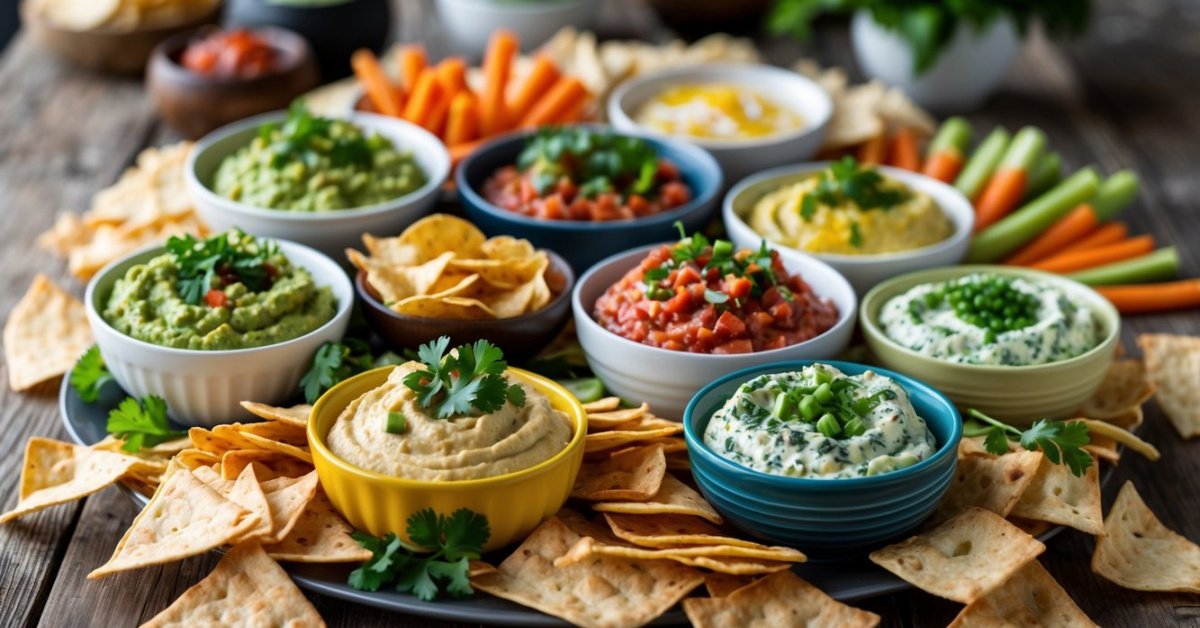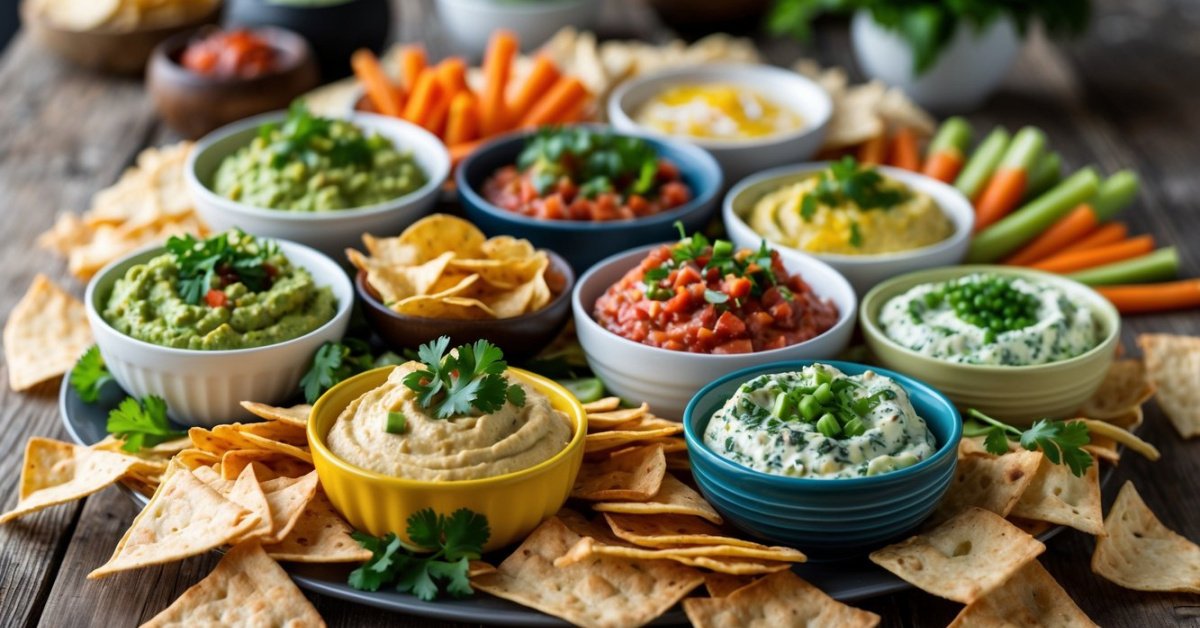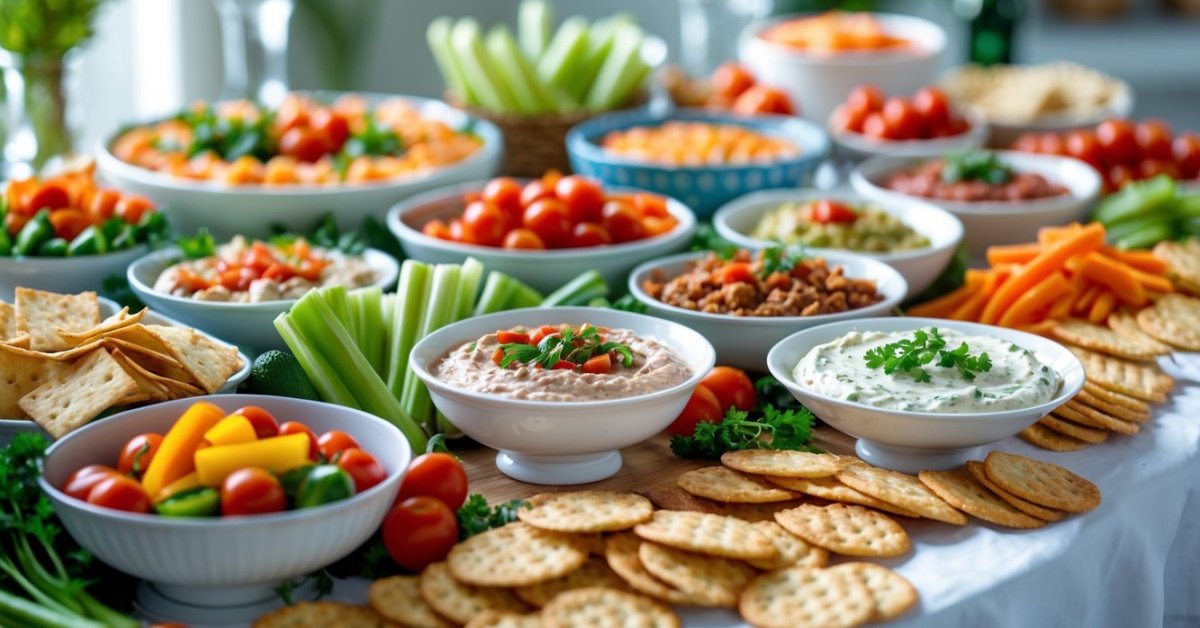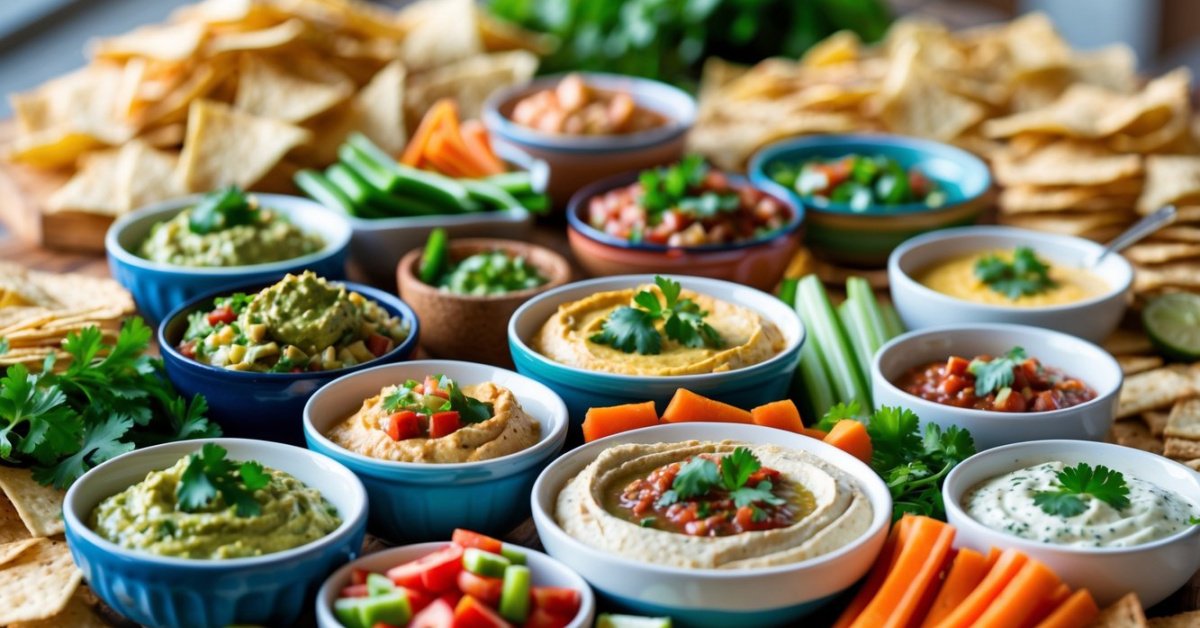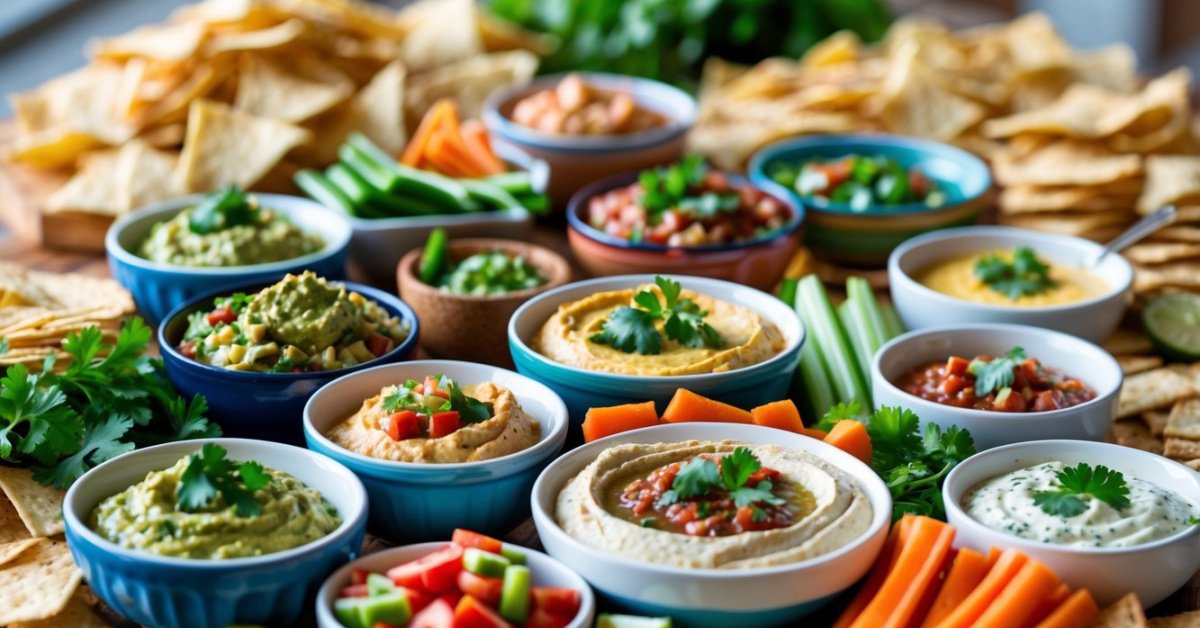
When I think about comfort food that’s both simple and packed with flavor hummus instantly comes to mind. There’s something special about that creamy blend of chickpeas and tahini that makes it a staple in kitchens around the world. Whether I’m scooping it up with warm pita or spreading it on a sandwich hummus always feels like the perfect bite.
Lately I’ve noticed hummus recipes popping up everywhere with all sorts of creative twists. Some stick to the classic ingredients while others add bold flavors like roasted red peppers or even chocolate. It’s made me wonder—what really sets traditional hummus apart from these modern versions? I’m excited to dive into the differences and see how this beloved dip has evolved.
Understanding Hummus: A Culinary Staple
I see hummus every which way at backyard get-togethers around Alabama. Folks call it a dip, a spread, or even a salad base. At its heart, hummus mixes chickpeas, tahini, lemon juice, and garlic for a creamy bite. People in the Middle East have made it for centuries, and it’s gotten a spot on American tables right next to ranch and queso.
Stores up and down the South stock tubs of hummus with labels boasting roasted garlic, red pepper, and black olives. Still, authentic hummus never skips the chickpeas and tahini. I’ve spent years grinding these up for my dip company, and I always keep that classic recipe close.
Home cooks love hummus because it’s easy and takes on just about any flavor thrown at it. You’ll find sweet potato hummus at potlucks, spicy jalapeño batches at football parties, and smoky paprika mixes at tailgates. Each version stays creamy, nutty, and full of comfort—just the way hummus ought to be.
Defining Traditional Hummus Recipes
Traditional hummus recipes stick to a classic approach I’ve loved since I started making dips in Alabama kitchens. Folks see all kinds of flavors these days, but classic hummus never steps too far from its roots.
Key Ingredients and Preparation Methods
Classic hummus uses chickpeas, tahini, lemon juice, garlic, olive oil, and salt. Chickpeas, or garbanzo beans, always make up the base. Tahini, a paste from ground sesame seeds, keeps that nutty depth front and center. I stick with fresh-squeezed lemon juice for tang, plenty of garlic, high-quality olive oil, and kosher salt for balance.
I soak dried chickpeas overnight, then boil ‘em till soft. I blend the chickpeas, tahini, lemon juice, and garlic until smooth, drizzling in olive oil until the hummus turns creamy. No fancy equipment—just a sturdy food processor or mortar and pestle in my hands. I finish with a dusting of sumac or paprika and a swirl of oil right on top.
Cultural and Historical Significance
Hummus comes straight from Middle Eastern tables to our American kitchens. Oldest mentions show up in 13th-century cookbooks from Cairo and Damascus, according to Oxford Companion to Food. It means “chickpeas” in Arabic. Classic hummus shows up in sharing platters across Lebanon, Israel, Palestine, Syria, and Turkey, usually with flatbread or fresh veggies. Folks serve it at feasts, family tables, and community gatherings, making it a must-have for celebrations and daily meals alike. No matter how far its flavors travel, true hummus always brings people together.
Exploring Modern Hummus Variations
I see folks everywhere looking for new spins on classic dips, and hummus fits that bill better than most. Modern hummus variations let me mix up all kinds of flavors while still hanging onto that creamy texture everybody loves.
Innovative Ingredients and Flavors
Chickpeas and tahini anchor every batch I make, but I’ve started tossing in all sorts of extras folks ask for at my table. Roasted red peppers add a deep smokiness you don’t get from plain hummus. Sun-dried tomatoes bring tang and a touch of sweetness people crave down here in Alabama. I’ve even worked up batches with black beans, edamame, or sweet potatoes for a little extra color and flavor. Other crowd-pleasers include sriracha for heat, curry powder for spice, and roasted beets for a bold, earthy taste with a bright pink hue.
Contemporary Preparation Techniques
I lean on my food processor to keep things silky—beats the old mortar and pestle I started with at my dip company. High-speed machines turn even tough chickpea skins into a smooth base. For an ultra-creamy bite, I’ll sometimes peel the chickpeas by hand or blend in ice water for a lighter texture. I also serve hummus chilled or as a warm dip, depending on the crowd. Swapping garnishes like toasted pine nuts, za’atar, or even caramelized onions lets me match the flavor to the occasion. Every batch I put out at parties or potlucks changes just a little, but every bowl gets scraped clean.
Traditional vs. Modern Hummus: Taste and Texture Comparison
Taste sticks out first when I’m sizing up traditional hummus next to those modern spins. Classic hummus brings that earthy, nutty flavor you get from chickpeas and tahini, with a sharp pop of lemon, plus a hint of garlic. Every batch I’ve made from the old recipe gives a balanced, mellow taste—nothing overpowers, and every spread or dip takes on extra richness. If you line up a tray at a potluck in Alabama, most folks can guess a true traditional hummus just by its wholesome, straightforward taste.
Modern hummus, though, lets every ingredient stand out. Bold tastes like roasted red pepper, jalapeño, or avocado come in swinging. Sweet potatoes and black beans change the base so the dip’s sweet or even a touch smoky. Whenever I whip up these new types for customers or friends, people pick up right away on their vibrant, clear flavors. Extra toppings and spices give every bite something fresh—think a swirl of sriracha or a pinch of smoked paprika.
Texture always matters, too. Traditional hummus, when I make it slow using dried chickpeas, is extra creamy—thick, smooth, and a bit hearty. You can scoop it up with pita or fresh veggies and it holds on, no dripping or falling apart. That classic thickness comes from good tahini and the right balance of lemon juice and olive oil.
Modern recipes use food processors for more silkiness—sometimes even lighter or more whipped. Folks using beets or sweet potatoes get a softer, almost airy dip, and adding things like Greek yogurt or extra ice water boosts creaminess. The texture can change batch to batch, which I like for new ideas at holiday parties or home tailgates.
| Type | Taste Profile | Example Add-Ins | Texture Quality |
|---|---|---|---|
| Traditional | Earthy, nutty, balanced chickpea, tahini, lemon, and garlic | Olive oil, pine nuts | Thick, creamy, hearty |
| Modern | Bold, varied—roasted veggies, herbs, spices, sweet or smoky | Roasted peppers, avocado, sun-dried tomato, beets | Silky, sometimes airy or whipped, extra-creamy |
Every traditional and modern hummus batch I make adds a little more to my list of favorite dips, but the real joy comes from the way taste and texture invite folks in for just one more scoop.
Health and Nutrition: Which Is Better?
When I look at the health side of hummus, my first step’s sizing up calories, protein, and fiber in both traditional and modern recipes. Traditional hummus, like the kind I learned to whip up back in Alabama, keeps things real simple—chickpeas, tahini, lemon juice, garlic, olive oil, and a little salt. Those classic ingredients pack each scoop with plant-based protein, healthy fats, and a solid fiber punch. A 1/4-cup serving of my homemade traditional hummus runs about 110–130 calories with 3–4g protein, 2–3g fiber, and heart-healthy monounsaturated fat from the olive oil (USDA FoodData Central).
Modern hummus recipes, though, can swing two ways on the nutrition scale, depending on what’s added. Some store-bought tubs mix in roasted red pepper or beet for extra vitamins and color—those keep the nutrition close to classic. Others drop in cream cheese, lots of oil, or extra sugar, which bumps up calories and adds saturated fat or carbs without much nutritional payback. I’ve seen modern recipes with only 1g fiber per serving when they swap chickpeas for things like edamame or black beans, and some hit 170 calories for the same 1/4-cup scoop.
I set those numbers side by side and see that traditional hummus gives me the most consistent nutrition—high in fiber and protein, lower in saturated fat, and no preservatives or fillers when I make it at home. Modern hummus, if it sticks to veggies and spices, can still offer great nutrients and new flavors, but every label’s worth a look. For folks who want gluten-free, plant-based options, both styles fit the bill as long as chickpeas and tahini stay front and center.
Here’s a quick table I made to show how different hummus styles stack up nutritionally:
| Hummus Type | Calories (per 1/4 cup) | Protein (g) | Fiber (g) | Fat (g) | Notable Additions |
|---|---|---|---|---|---|
| Traditional (classic) | 110–130 | 3–4 | 2–3 | 7–9 | None |
| Modern (veggie) | 120–140 | 2–3 | 1–3 | 6–10 | Roasted peppers |
| Modern (rich) | 150–170 | 2–3 | <2 | 10–13 | Cream cheese, oil |
For me, the healthiest dip stays true to simple, whole ingredients. That keeps the nutrition part easy, but there’s still plenty of room for tasty experiments if I lean on real vegetables and natural flavor boosters. That’s what I look for when I mix up a new batch on my kitchen counter.
Making Your Own Hummus: Tips for Both Styles
Making hummus at home, whether I go classic or get creative, always starts with picking good chickpeas. For traditional hummus, I soak dried chickpeas overnight, then simmer ’em till they’re soft. Canned chickpeas work in a pinch, but cooked-from-scratch gives plenty more flavor—folks notice the difference at tastings and parties around here in Alabama.
Blending smooth hummus takes a heavy-duty food processor. Traditional style comes down to chickpeas, tahini, lemon juice, garlic, and a glug of olive oil. I blend the tahini and lemon juice first—this tricks the texture into something creamy. When I want the real-deal silky texture, I’ll pop the skins off the chickpeas, but I don’t do it every time unless I’m serving company. A splash of ice water after blending keeps it light and fluffy without thinning out the dip flavor.
Trying modern hummus flavors means letting your curiosity and pantry run wild. I like tossing in roasted garlic, smoked paprika, or roasted red peppers right into the mix instead of adding them later—this spreads the flavor from top to bottom. Sweet potato and black beans blend up smooth for a Southern twist folks around here go nuts for. Just watch extra liquid from roasted veggies, or set the hummus in the fridge to let it thicken if it’s too runny.
Toppings set off both styles. For a batch that leans classic, I go heavy on olive oil, sumac, and chopped parsley. When I’m feeling bold, I heap on dukkah, toasted nuts, extra chilies, or sun-dried tomatoes—these get people talking, which is half the fun.
Serving temperature makes a difference too. I serve traditional hummus at room temp, straight out of the bowl with hot pita or crisp veggies. If I make a modern batch with cheese or roasted veg, I chill it for a firmer scoop. Every dipper’s got their favorite—kids around here like crunchy pretzel chips, while I still prefer a warm pita wedge.
Making hummus lets me mix up the old with the new every time. No matter what spin I take, fresh ingredients, a smooth blend, and a good topping turn every scoop into something folks want to come back for.
Conclusion
Whether I’m reaching for the comfort of a classic recipe or playing with new flavors in my kitchen I love how hummus always brings people together. There’s something special about sharing a bowl that’s been made with care and creativity.
I’ve found that both traditional and modern hummus have a place at my table. No matter which style I make I know I’m serving something wholesome and delicious that everyone can enjoy. For me that’s what makes hummus truly timeless.