Whenever I think of bold flavors that wake up my taste buds nothing compares to Lebanese toum. This fluffy garlic sauce is a staple at my table whether I’m grilling meats or just dipping fresh bread. Its sharp garlicky kick and creamy texture make every bite unforgettable.
I love how toum transforms simple dishes into something special. With just a handful of ingredients and a little patience I can whip up a batch that rivals any restaurant version. If you crave that punch of garlic in your meals you’ll want to master this classic Lebanese recipe.
What Is Lebanese Toum?
Lebanese toum is a garlic sauce that packs a punch. Folks use it as a dip, a spread, or a side for grilled chicken, kebabs, and fresh pita. I make toum with raw garlic, neutral oil like canola, lemon juice, and salt. You end up with a creamy, cloud-like sauce folks smear on pretty much anything savory.
Toum stands apart from other dips like aioli or mayo because there’re no eggs or dairy—just garlic and oil. If you love strong flavors, toum’s sharp, bold taste stands out in every bite. In my dip business days, I got all kinds of questions about what makes toum different from garlic butter or ranch. Texture’s lighter than mayo, taste’s bigger than hummus, and it doesn’t hide the garlic—just lets it shine.
If you’re a dip lover, toum works for dipping fries, crispy chicken, or veggies. It stands up to hearty dishes and mellow ones, too. Dip-makers worldwide chase that almost whipped, snow-white look and airy feel that Lebanese toum always brings to the table.
Key Ingredients for Authentic Lebanese Toum
Garlic
I always start my toum by picking fresh garlic bulbs with firm cloves. Only whole, unpeeled garlic heads work—pre-peeled cloves don’t pack enough bold bite for classic Lebanese toum.
Neutral Oil
I use neutral oil like sunflower, canola, or grapeseed because olive oil changes the flavor and texture. These oils give toum its signature fluff and a smooth finish without overpowering the garlic.
Lemon Juice
I squeeze fresh lemons for the best taste. Bottled juice doesn’t cut it. The acid sharpens that garlic zing and balances the oil, making the sauce creamy and bright.
Kosher Salt
I reach for kosher salt instead of table salt. Kosher salt mixes easier with the garlic, drawing out the liquid for a stable, lighter emulsion.
Ice Water
I sometimes add cold water to adjust the sauce if it starts splitting or seems too thick, but only a tablespoon at a time. Cold water helps keep the emulsion from breaking, keeping toum light.
| Ingredient | Function in Toum | Example Brands/Types |
|---|---|---|
| Fresh Garlic | Packs the sauce with sharp flavor | California, Argentinian |
| Neutral Oil | Creates creamy, fluffy texture | Canola, Sunflower |
| Lemon Juice | Adds brightness and acidity | Fresh-squeezed |
| Kosher Salt | Stabilizes and rounds out flavor | Diamond Crystal |
| Ice Water | Prevents breaking, adjusts texture | Filtered |
Every batch I make gets these simple, quality ingredients. No shortcuts, just real flavors that let the garlic take center stage.
Step-By-Step Lebanese Toum Recipe
I keep my Lebanese toum light and fluffy, always sharp on garlic, just the way a good dip’s meant to be. Making it at home takes a little patience, but the results beat any store-bought version by a mile.
Preparing the Garlic
First thing I do, I grab the freshest garlic bulbs I can find. I peel every clove by hand—usually about 1 cup (roughly 30 cloves) for a big batch—then trim off any green parts in the center. That keeps the toum pure white and avoids any bitter undertones. I drop those peeled cloves in a food processor with 1 teaspoon kosher salt, then pulse until they’re minced up fine, almost paste-like.
Blending Techniques for Perfect Consistency
I blend my garlic paste on low, then drizzle in 4 cups of neutral oil real slow—think sunflower or canola—while the blade’s spinning. I pause and scrape down the sides every now and then to make sure it’s all even. After half the oil, I add in the juice from 2-3 lemons, a tablespoon at a time, balancing the acid. I take my time, always pouring the oil and lemon juice in alternating, thin streams. If my toum starts looking thick, I splash in 1-2 tablespoons ice water, one at a time, to smooth it out.
Tips for Balancing Flavors
I always taste as I go, tweaking the lemon or salt if my toum’s too sharp or flat. When lemon’s bright and the sauce is creamy but holds its shape on a spoon, that means it’s ready. Using fresh ingredients and blending it slow gives it that cloud-like fluff every dip fan wants. I use it as a dip for fries, grilled chicken, or spread on pita right out the oven.
Common Mistakes to Avoid
Skipping Fresh Garlic
Using pre-peeled or jarred garlic changes the game—toum won’t get that punchy bite or classic creamy texture. I always pick fresh, firm bulbs and peel ’em myself, every time.
Wrong Oil Choice
Grabbing olive oil or anything with strong flavor throws off the balance. Neutral oils like sunflower and canola keep toum fluffy and mild—just like folks expect at a Lebanese grill joint.
Adding Ingredients Too Fast
Pouring oil or lemon juice too quick breaks the emulsion, leaving a greasy or runny mess. I go real slow, drizzling a little at a time so the toum whips up light and holds together.
Overmixing or Overheating
Running the blender too long heats up the garlic, pulling out bitterness and wrecking the fluffy body. I always blend just enough and never let things get warm.
Ignoring Proportions
Guessing the balance causes garlic overload or bland results. I stick close to the classic ratio: about 1 cup peeled garlic, 4 cups neutral oil, 1/4 cup lemon juice, and 1 to 2 teaspoons salt for every big batch.
Not Removing Green Germs
Leaving the green sprout in garlic cloves adds harsh flavor. I split bigger cloves and pop those little germs out before blending.
Skipping Taste Checks
Waiting till the end to taste can make you miss the mark. I sample as I blend, adding more salt or lemon juice if it needs extra zing.
Bad Storage
Storing toum in a bowl with loose foil lets it dry or pick up fridge flavors. I always scoop mine into a tight jar, seal it, and keep it chilled for the freshest dip.
These tips’ve made my toum taste like it belongs right on the table with the rest of my best-selling dips.
Serving Suggestions and Pairings
Making Lebanese toum opens a world of pairing options, and I’ve tried it just about every way a dip head can.
- Grilled and Roasted Meats: Slathering toum on grilled chicken, beef kebabs, or lamb chops turns standard fare into something bold. Serving a side bowl with rotisserie chicken or steak slices works for folks who like to dip with every bite.
- Fresh Bread and Pita: Scooping fluffy toum with warm pita, baguette pieces, or naan gets folks reaching for seconds. Laying some on flatbreads and topping with roasted veggies gives lunch a punch.
- Seafood: Dolloping toum right onto grilled shrimp, fried catfish, or baked cod keeps things zesty. Mixing some into crab cakes or fish sandwiches takes those up a notch too.
- Potatoes and Fries: Dunking hot fries or crispy potato wedges in toum is a house favorite. Smearing a little on a baked potato with fresh chives brings out something special.
- Veggies: Dipping crunchy carrots, cucumbers, radishes, or bell peppers makes for a quick, bold snack. Roasted cauliflower or brussels sprouts tossed with toum give veggies a party upgrade.
- Sandwiches and Wraps: Spreading toum inside wraps, burgers, or subs replaces mayo or mustard and kicks up the flavor big time.
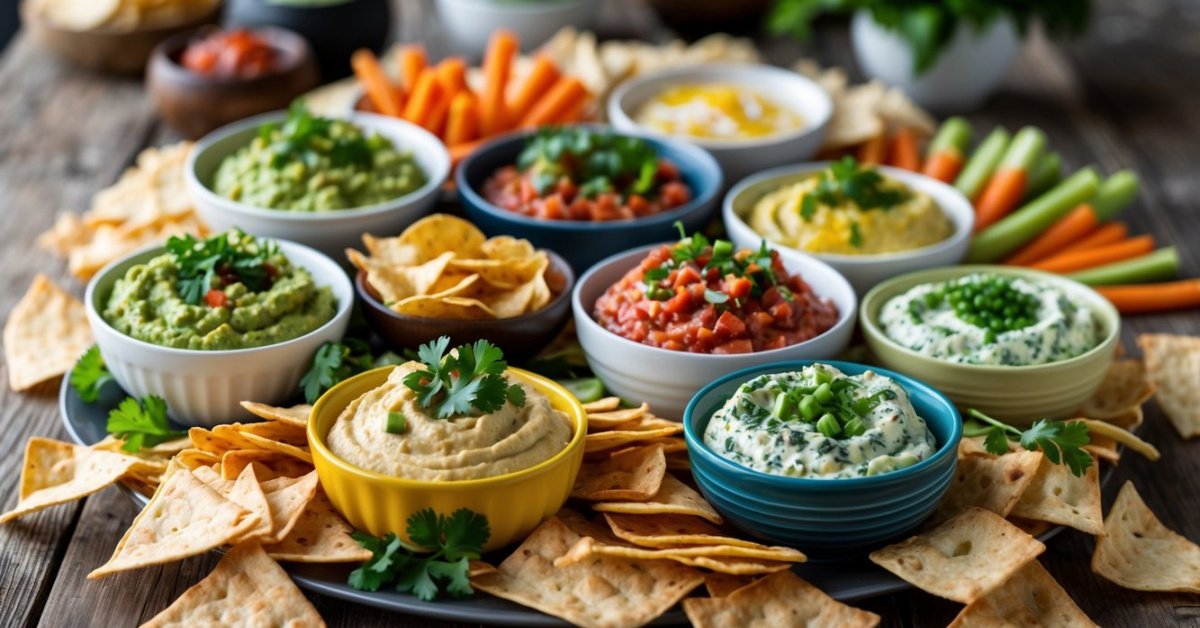
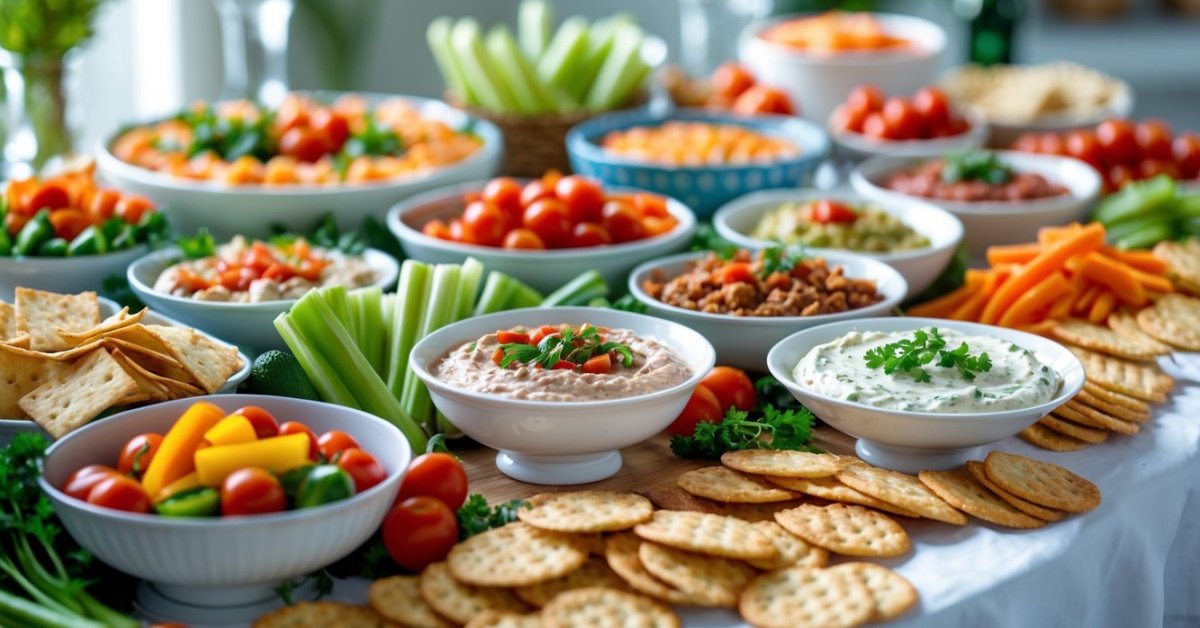
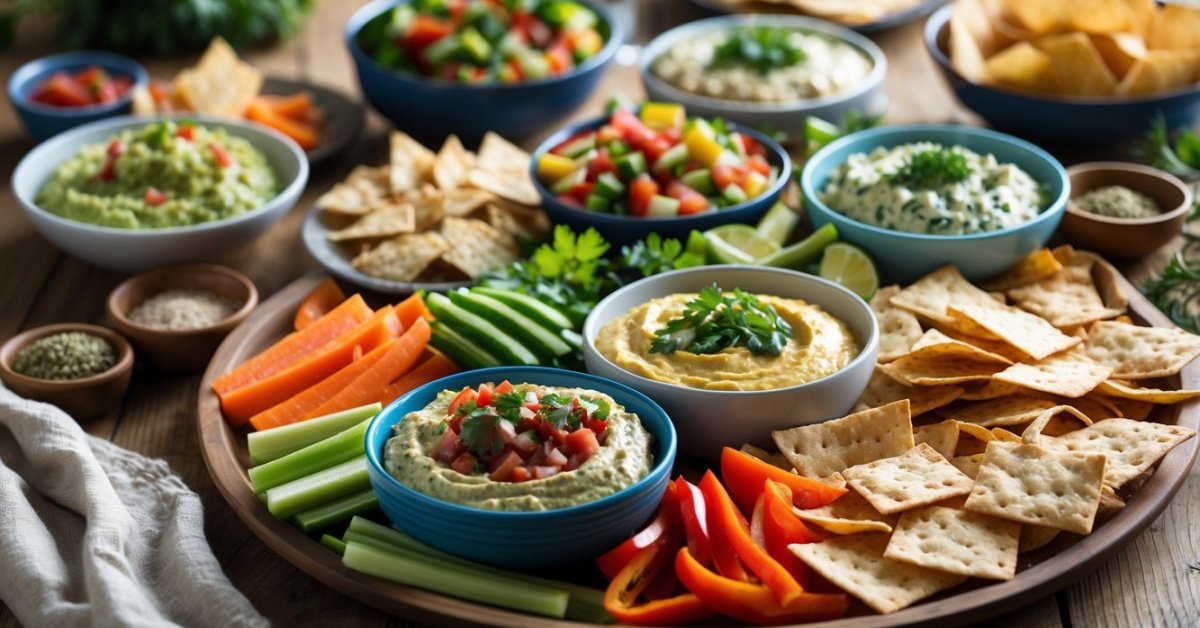
Pairing toum with other dips stacks flavor. I like swirling it next to baba ghanoush, hummus, or labneh for a real-deal Mediterranean spread. Laying it out with fried chicken legs or as a wing dipper gets folks talking.
Here’s a table with some of my go-to pairings:
| Food Item | My Serving Suggestion | Why It Works |
|---|---|---|
| Grilled Chicken | Drizzle over or serve on the side | Brightens smoky meat |
| French Fries | Use as a bold dipping sauce | Garlic pop with crunch |
| Fresh Pita | Scoop in or slather on slices | Soft meets creamy |
| Shrimp | Dollop on or mix into slaw | Cuts through richness |
| Roasted Veggies | Toss or dip for extra punch | Adds creaminess |
| Steak Sandwich | Spread on bread or top with | Replaces heavy spreads |
| Gyro or Shawarma | Smear inside wraps for flavor | Stands up to spice |
| Crudité Platter | Serve in the center for dipping | Lively, crowd-pleasing |
Serving toum at gatherings or just with family supper turns simple sides into something company-worthy. I keep a jar handy every day for any dippin’ idea that hits.
Storage and Shelf Life Tips
A fresh batch of toum, good and garlicky, keeps in the fridge up to 4 weeks if I store it right. I pack mine in a clean glass jar with a good lid, always making sure to leave a little room up top because this dip’s got air whipped in. I never touch it with a dirty utensil; clean spoons or spatulas only, or the toum can spoil real quick.
Temperature stays steady in my fridge, and that’s key—no leaving the jar out during supper or cookouts, not even for a minute. Garlic starts to turn if it gets warm, and the oil might separate. If I see a bit of oil at the top, I just give it a good stir with a clean spoon.
If I ever want to keep some longer, I freeze the toum in small airtight containers, filling each about three-quarters full. I like using 2-ounce portions. Big batches tend to get icy, but smaller ones hold up better. Thawed toum never comes out as fluffy, yet it’s good enough for stirring into salad dressings or tossing with potatoes.
Direct sunlight ruins the flavor, so I always keep my toum away from the fridge door or anywhere the sun hits. I add a label with the date to every jar, just for peace of mind.
Here’s a table with the main storage tips and shelf life:
| Storage Method | Container Type | Max Duration | Key Tip |
|---|---|---|---|
| Refrigerator (Fresh) | Glass jar | 4 weeks | Use clean utensils/avoid warmth |
| Freezer (Portioned) | Airtight container | 3 months | Smaller portions freeze best |
I tell folks: when in doubt, give that toum a sniff—good toum smells fresh and pungent, never sour or off. That’s how I keep folks coming back for more, one dip at a time.
Conclusion
Making toum at home has become one of my favorite kitchen rituals. There’s something satisfying about transforming simple ingredients into a sauce that’s so bold and versatile. I love how a dollop of toum can wake up any meal and bring a bit of Lebanese flair to my table.
If you’ve never tried making it yourself I hope you’ll give it a go. The process is easier than it looks and the reward is a jar of garlicky goodness you’ll reach for again and again.