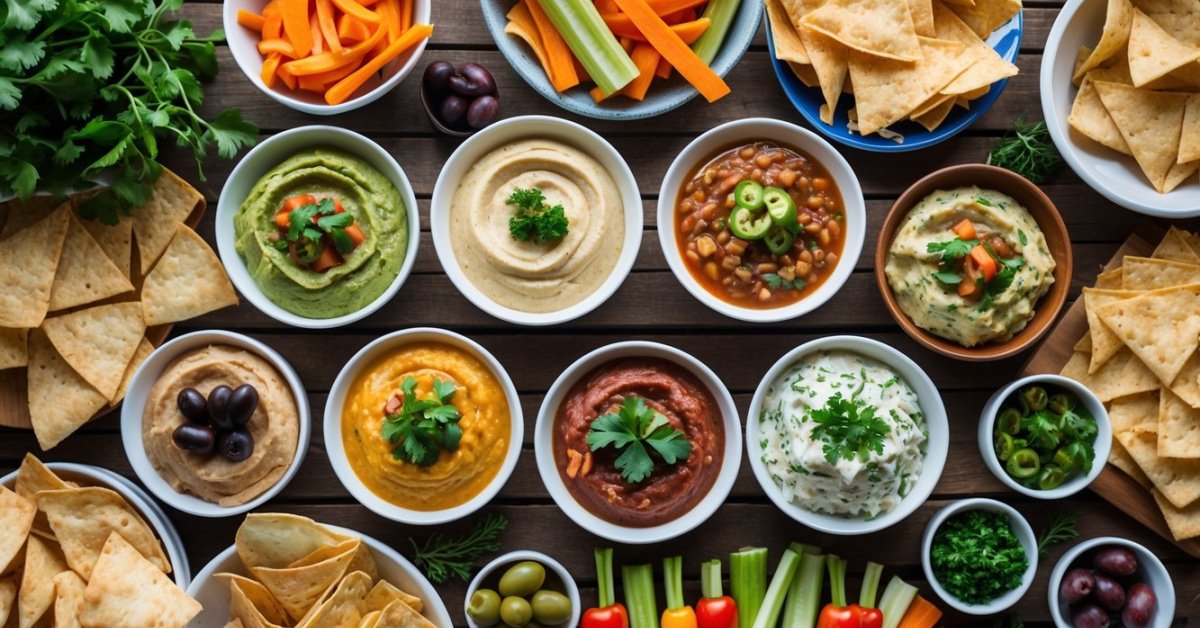
Every time I dip warm pita into a bowl of smoky baba ganoush I’m reminded how food can tell stories that stretch back centuries. This creamy eggplant dip isn’t just a staple on Middle Eastern tables—it’s a dish with roots as rich and layered as its flavor.
I’ve always been curious about where baba ganoush really comes from and how it’s woven into so many cultures. There’s something special about how a few simple ingredients can travel across borders and generations to land on my plate today. Let’s take a closer look at the fascinating beginnings of this beloved dish.
Historical Background of Baba Ganoush
Making dips takes me on a trip through time, and baba ganoush goes back centuries. Folks in the Eastern Mediterranean first whipped up this smoky eggplant dip. Early cooks in places like Lebanon, Syria, and Palestine put roasted eggplant to use long before it landed on my table in Alabama.
Eggplant grew wild in South Asia, and early recipes with mashed vegetables made their way up to the Middle East sometime around the 13th century. Medieval Arab cookbooks, like Kitab al-Tabikh, recorded spreads using roasted eggplant with tahini, olive oil, and seasonings. Those same rich flavors show up in today’s baba ganoush, pulling together history and the simple love of a good dip.
Regional hands gave their own spin to baba ganoush. In Lebanon, cooks stirred in more tahini. Folks in Turkey sometimes used yogurt, and in Egypt, they served it chunky with diced tomato and onion. I admire how each region kept those basic roots—smoky eggplant, a hit of tang, earthy tahini—but made it their own.
For generations, families passed down baba ganoush recipes at wedding feasts, holiday tables, and friendly gatherings. Nowadays, it’s just as likely to show up beside store-bought pita chips at a backyard cookout here in the South. Every spoonful ties folks together, from the old country to my own kitchen.
Geographic Roots and Cultural Significance
Baba ganoush started out way over in the Eastern Mediterranean, but it’s got a story that reaches across all kinds of tables. I’ve made dips most my life and let me tell you, this one brings folks together in its own special way.
Middle Eastern Influence
Every time I scoop into baba ganoush, I taste the Middle Eastern influence loud and clear. This dip goes back centuries in Lebanon, Syria, and Palestine where cooks roasted up eggplants right over the fire. They mixed that smoky flesh with tahini, olive oil, lemon, and fresh garlic—real pantry classics in the region. Families in these countries serve baba ganoush alongside hummus and pita as mezze, which means it sits at the middle of any gathering, from Friday family dinners to big wedding spreads.
Regional Variations
Regional twists make baba ganoush a lot more than just mashed eggplant. In Lebanon, folks go heavy with tahini to get a creamy texture you can just about drink. Travel over to Turkey and you’ll find cooks whisking in a bit of yogurt—gives the dip a velvety, tangy finish. Egypt keeps things chunky with diced tomatoes, onions, and parsley, layering in texture and color. Across Israel and Jordan, you might spot the dip topped with pomegranate seeds or sumac for a pop of flavor. These small changes between regions make each bowl unique, but the base of roasted eggplant always shines through.
Key Ingredients and Traditional Preparation
Roasted eggplant forms the base of baba ganoush. I always pick shiny, firm eggplants—about 1 pound each works best for that classic smoky taste.
Tahini adds that creamy body. I go for stone-ground tahini, usually about 3 tablespoons per batch, to keep it smooth and rich.
Fresh lemon juice brightens the mix. I squeeze 1 lemon right into the bowl.
Garlic gives a nice kick. I mince 2 cloves, then mash ’em to a paste for even flavor.
Olive oil finishes it off. I drizzle in 2 tablespoons, sticking with extra-virgin, for flavor and that silky feel.
Traditional prep calls for fire-roasting those eggplants. I char them over my gas burner or grill till the skins blister and the flesh gets soft. Then I peel off the skins, scrape out the smoky insides, and let them cool.
I mash the eggplant with a fork—never a blender—for a rustic texture. Then I stir in the tahini, lemon juice, salt, mashed garlic, and olive oil. Some folks add a pinch of cumin, smoked paprika, or chopped parsley for extra flavor.
Serving it up, I spread the baba ganoush in a shallow dish, then top it with a swirl of olive oil and a sprinkle of paprika or pomegranate seeds. It pairs mighty fine with warm pita, fresh veggies, or as a hearty side with grilled meats.
Evolution Through Time
I keep seeing the flavors of baba ganoush shift and shine every place it lands. Folks took those roasted eggplants and gave ‘em a twist each time they passed it around the globe.
Spread to Other Regions
Baba ganoush found its way across borders before I ever fired up my first smoker. Cooks in Europe, North Africa, and even way over in India started blending the smoky eggplant with their own pantry staples. In France, they call it caviar d’aubergine, spinning in extra spices and sometimes herbs like thyme. In Greece, you’ll hear folks asking for melitzanosalata, which usually packs tangy vinegar and fresh parsley. Over the years, each region mixed in what they had—yogurt, peppers, or even pomegranate seeds—making every version their own. That domino effect turned one little mezze into a global potluck of dips.
Modern Interpretations
I’ve seen and tasted so many new spins on baba ganoush since I started slinging dips at markets. These days, restaurants and home cooks both play with the classics by folding in roasted red peppers, caramelized onions, or smoked paprika. Vegan friends swap out the usual tahini for sunflower seed butter. Folks watching carbs blend cauliflower right in with the eggplant. Baba ganoush even shows up in sandwiches, burgers, or as a creamy pizza base. Every new batch makes me think this old dip keeps finding fresh ways to get folks talking—and dipping—in kitchens everywhere.
Conclusion
Exploring the story of baba ganoush always reminds me how food can bridge continents and generations. Every time I make or share this smoky eggplant dip I feel connected to the cooks and families who’ve kept its traditions alive for centuries.
It’s amazing to see how a simple dish can inspire so much creativity and bring people together at tables around the world. Baba ganoush isn’t just a recipe—it’s a celebration of heritage and flavor that keeps evolving with every bite.