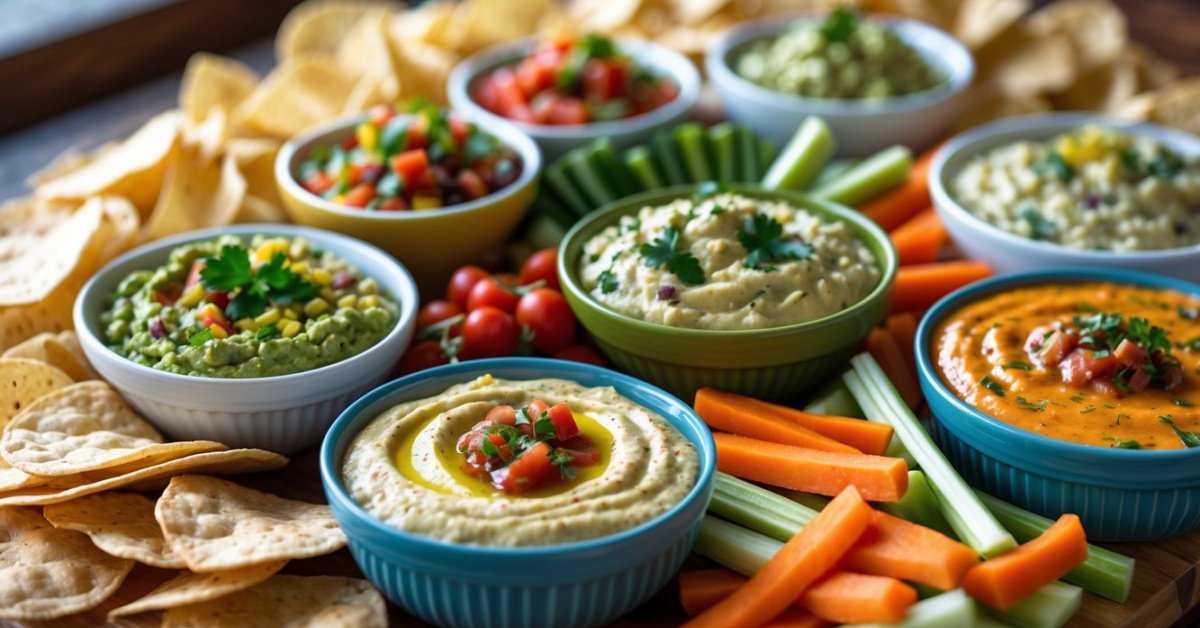
Whenever I think of Mediterranean cuisine, the creamy tang of tzatziki instantly comes to mind. This refreshing yogurt and cucumber dip isn’t just a tasty addition to my favorite dishes—it’s a symbol of hospitality and tradition across Greece and beyond. I love how it brings people together around tables filled with laughter and conversation.
For me, tzatziki is more than just a sauce. It’s a reminder of sun-soaked afternoons, shared meals, and the deep-rooted customs that give life so much flavor. Exploring its cultural significance opens up a world of stories and connections that reach far beyond the kitchen.
Origins of Tzatziki
Folks ask me all the time about where tzatziki got its start. This creamy dip goes way back, popping up in kitchens long before folks in Alabama even thought to put cucumbers in yogurt. I find most folks trace tzatziki’s roots to Greece, where it’s a classic on any dinner spread. Over there, families pair it with souvlaki, spread it on pita, or serve it up with grilled meats, kind of like how we serve ranch with veggies at barbecues.
The word “tzatziki” comes out of Turkish “cacik,” and you can spot garlic-yogurt dips all around the Eastern Mediterranean, for example in Turkey, the Balkans, and parts of the Middle East. Each country puts its own twist on it. In Greece, they use thick, strained sheep or goat yogurt, cucumber, garlic, olive oil, and sometimes dill or mint. Other places, like Turkey, might toss in a bit of vinegar or serve it more like a cold soup.
I see recipes for dips like this dating back centuries—Ottoman cookbooks mentioned garlic-yogurt sauces in the 19th century. People in every region that makes tzatziki use what they’ve got, but the heart stays the same: cool, creamy yogurt mixed with crisp cucumber and a fresh burst of herbs to bring everything together. Whether you grab it in a Greek village or South Alabama, you’re biting into tradition that’s stood the test of time.
Tzatziki in Greek Culture
Folks in Greece treat tzatziki as more than just a dip—it’s part of everyday life and family tables. Every batch brings a taste of tradition you can’t fake, even if you’re just learning about it from your kitchen like I did back in Alabama.
Role in Traditional Cuisine
Tzatziki sits front and center in Greek meals, especially with grilled meats, souvlaki, and gyros. I see it served with warm pita bread at nearly every gathering or taverna, right next to plates of olives or roasted veggies. People use the dip to cool down spiced lamb or add freshness to hearty dishes. Home cooks mix up fresh yogurt, cucumber, garlic, and herbs—no shortcuts, just simple ingredients.
Symbolism and Social Gatherings
Greeks put tzatziki out whenever friends or family drop by, showing hospitality and generosity. Every shared bowl stands for welcome and togetherness, whether it’s a small Sunday lunch or a big wedding feast. Folks pass the dish around the table so everyone gets a taste, and nobody leaves hungry. I’ve seen it at Greek festivals, reminding me of summer cookouts back home—only with that special Mediterranean twist.
Regional Variations Across the Mediterranean
Everywhere I go, folks are always tinkering with tzatziki, and that’s what makes it such a fun dip to talk about. Depending on where you are in the Mediterranean, you’ll find little tweaks in just about every kitchen.
Differences in Ingredients and Preparation
Different kitchens across the Mediterranean mix up tzatziki with their own twists. Greeks stick to thick, strained yogurt, usually from sheep or goats, then toss in grated cucumber, garlic, olive oil, vinegar, fresh dill, and sometimes mint. Over in Turkey, folks call it cacik and use saltier yogurt, water it down a bit, and load it up with chopped cucumbers and dried mint—sometimes even walnuts or sumac show up. Down in the Balkans, places like Bulgaria serve a dip called tarator—it’s almost a cold soup, with yogurt, cucumber, dill, garlic, walnuts, and a splash of sunflower oil. In Cyprus, folks like to add a little lemon juice and plenty of local mint. Each spot brings its own feel to it but always keeps that cool yogurt and cucumber base.
Tzatziki in Modern Fusion Dishes
Nowadays, chefs and home cooks all over the world aren’t shy about getting creative. Folks add avocado or roasted jalapeños for a little Southern kick. Restaurants whip up tzatziki with Greek yogurt and smoked paprika, or swap out cucumbers for zucchini or beets. Out West, I’ve seen folks turning it into a spread for brisket sliders or as a sauce for blackened catfish tacos. At my old company, we even made a batch with pickled okra for a real Alabama twist. These dishes all hold true to that creamy, garlicky foundation but sure do take the dip in new and delicious directions.
Tzatziki’s Influence Beyond Greece
When I first whipped up my own batch of tzatziki back in Alabama, I never figured it’d go so far beyond its Greek roots. Folks everywhere now grab hold of this cool, creamy blend for cookouts, spreads, and party tables like it’s their own.
Adoption by Other Cultures
Tzatziki’s style found its way into kitchens well past Greece. In Turkey, they fix up cacik—close cousin to tzatziki, often thinned out and topped with dill or mint, sometimes walnuts. Over in the Balkans, cooks make tarator, usually a chilled soup with yogurt, cucumber, garlic, and fresh herbs, served cold in the summertime. Across big cities in the United States, Greek restaurants and even diners keep tzatziki on every menu, serving it with everything from lamb sliders to pita chips.
I’ve mixed it myself into Tex-Mex wraps, added chopped jalapeños for a Southern spin, and offered it at football tailgates. My customers once swapped barbecue sauce for tzatziki on grilled chicken—can’t say I blamed ‘em.
Representation in Global Food Trends
Tzatziki’s stood out in global food trends, especially as folks lean toward Mediterranean flavors and lighter, healthy recipes. Modern kitchens use it as a sauce for salads, grain bowls, or even a dip for veggie platters. Food trucks from New York to Austin scoop up tzatziki for their gyros, falafel, and plant-based dishes.
Recipe sites and social feeds spotlight twists like vegan tzatziki made from coconut yogurt, or fusion versions with avocado, cilantro, or spicy Sriracha. Supermarkets in nearly every state stock ready-made tzatziki right beside hummus and salsa. With its fresh taste and creamy snap, tzatziki keeps inspiring new dip fans, home cooks, and pro chefs looking to serve up something both classic and surprising.
Conclusion
Whenever I dip into a bowl of tzatziki I’m reminded of how food can speak to shared experiences and cherished traditions. It’s amazing how a simple blend of yogurt cucumber and herbs can carry so much meaning and spark connections across generations and cultures.
Tzatziki’s journey from humble Greek tables to global kitchens shows just how much we crave flavors that bring people together. Every time I make or enjoy tzatziki I feel like I’m honoring a tradition that’s both timeless and ever-evolving.