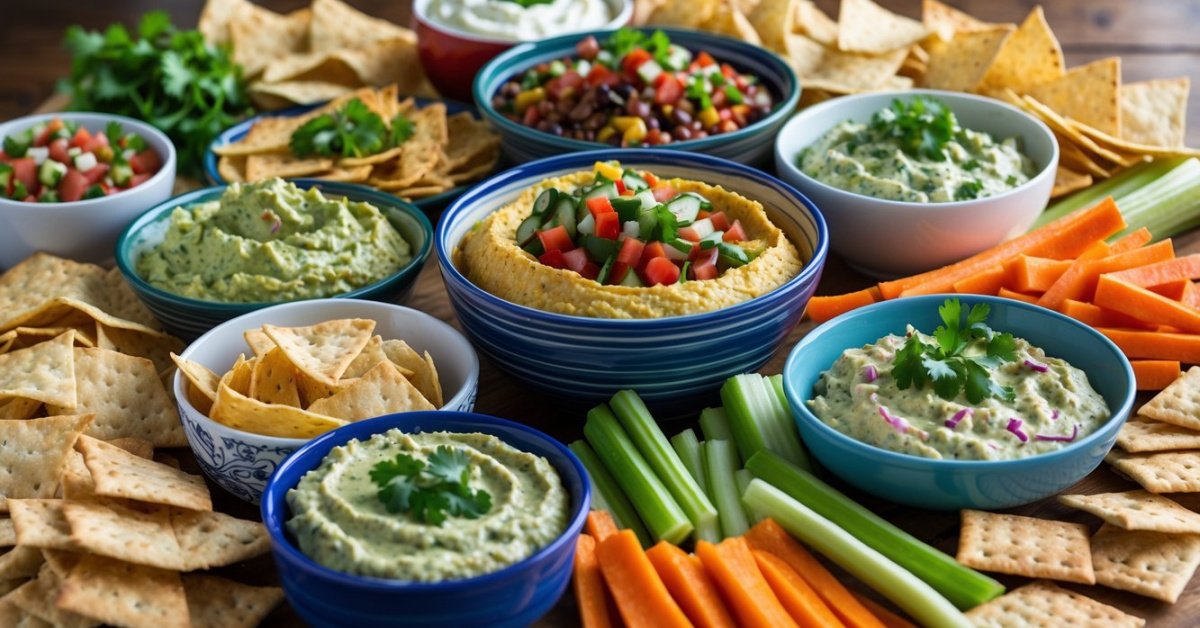
I’ve always believed that the right dip can turn any snack or meal into something special. Thai sweet chili dip does exactly that with its perfect balance of tangy sweetness and a gentle kick of heat. It’s one of those sauces I reach for when I want to add a little excitement to my food without overpowering it.
There’s something irresistible about the way this dip brightens up everything from crispy spring rolls to grilled chicken. Whether I’m hosting friends or just treating myself, Thai sweet chili dip never fails to impress. It’s simple yet packed with flavor and always leaves everyone asking for more.
What Is Thai Sweet Chili Dip?
Thai sweet chili dip packs together sweet, tangy, and just a bit of heat, all in one easy sauce. I make mine using red chili peppers, garlic, rice vinegar, and sugar to get that classic shine and sticky feel. Folks in Thailand serve this dip with crispy spring rolls, grilled meats, and even fried shrimp. Texture lands smooth but lightly syrupy—thicker than a vinaigrette, thinner than honey.
This dip makes snacks and appetizers taste brighter because it balances sweetness, tang, and pepper flavor. If you look for dips that don’t overpower but still wake up every bite, you’ll reach for a jar of Thai sweet chili every time. In my old dip shop, folks grabbed it off the shelf for parties, cookouts, and weekday dinners.
Flavor Profile and Ingredients
I’ve mixed Thai sweet chili dip more times than I’ve counted and folks around here always ask what makes it pop. This dip comes at you with bright, sweet heat and a tang that’ll wake up any plate.
Key Ingredients Explained
- Red chili peppers bring that gentle heat and rich red color. I use fresh if I can get ‘em, but those jarred chopped ones work when the garden’s empty.
- Garlic adds an earthy sharpness. I crush it fine so you get that mellow bite in every spoon.
- Sugar gives the sauce its signature sweetness—usually plain white sugar so it melts smooth.
- Rice vinegar sprinkles in the tang. It cuts the sugar just right without turning the dip sour.
- Salt balances the flavors so nothing’s flat.
- Water helps thin it down to that shiny syrup texture everybody loves.
- Sometimes I’ll toss in a little cornstarch slurry so my dip clings to fried shrimp and chicken wings just like it should.
Taste and Texture
Thai sweet chili dip’s taste balance is the main draw. First thing you notice is that sticky candy sweetness, then the chili spice creeps up. Vinegar lifts every bite, making it fresh instead of heavy like barbecue sauce. Garlic shows up at the end, soft and warm underneath the zing. Texture sits syrupy and smooth—thick enough to stay put on a grilled skewered meat or crispy egg roll, but not so heavy it overpowers your snack. My version pours easy, glossy and clings just right for dipping or drizzling over anything that needs some zing.
How to Use Thai Sweet Chili Dip
Thai sweet chili dip fits anywhere folks reach for good company and great food. I keep this sauce handy in my kitchen since a little splash or spoonful makes a snack pop and a meal memorable.
Popular Pairings
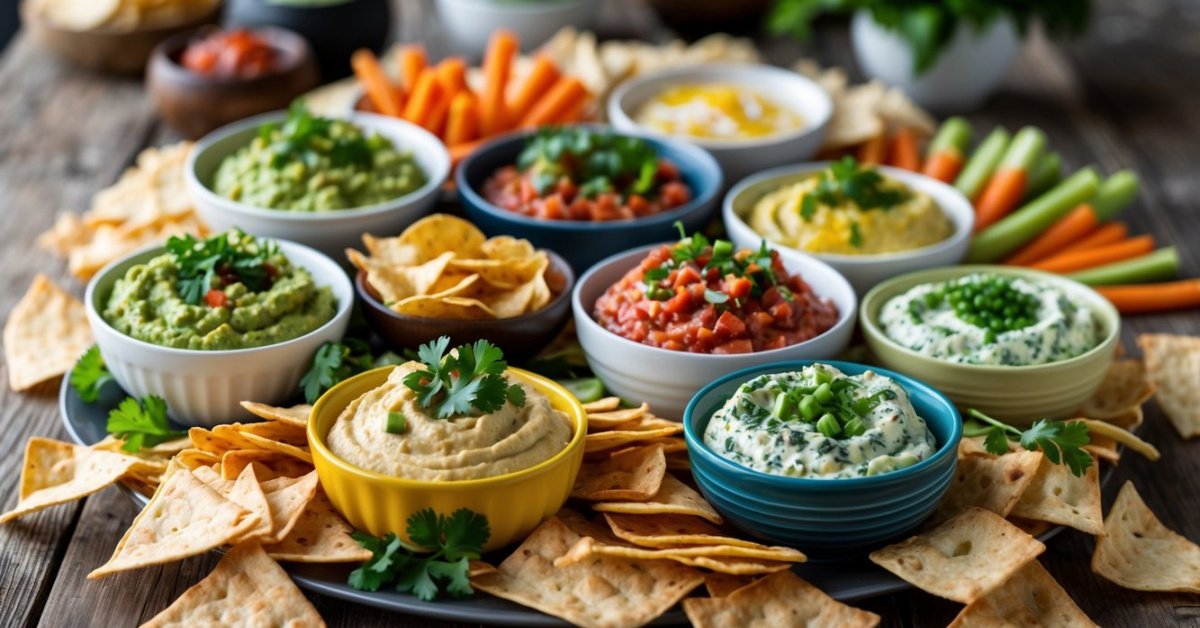
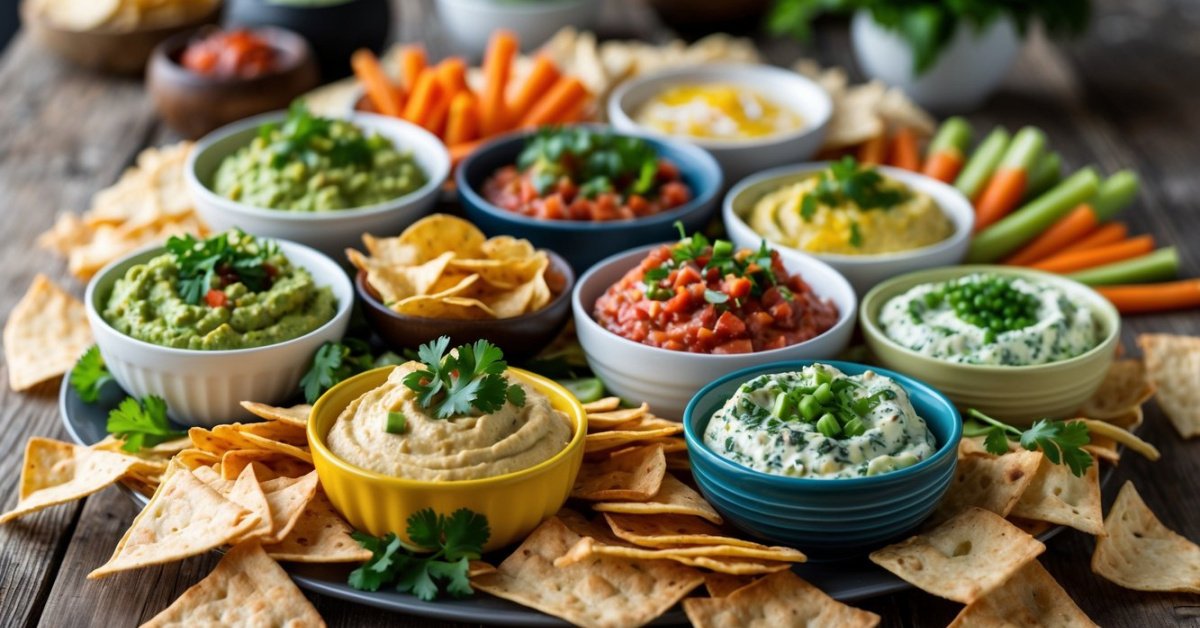
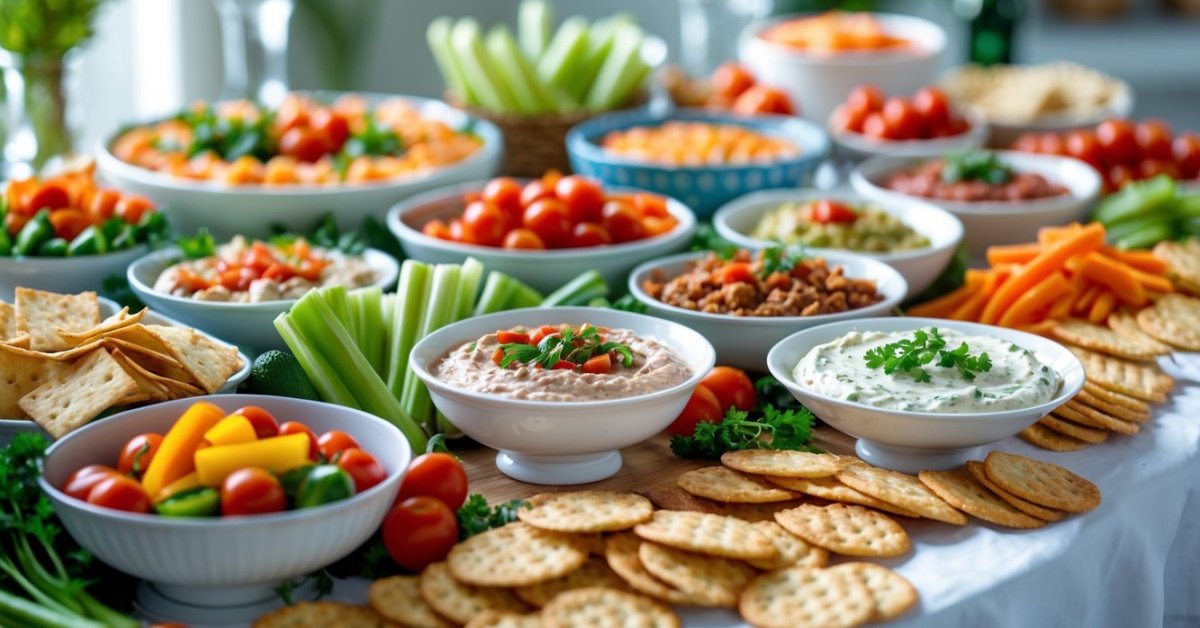
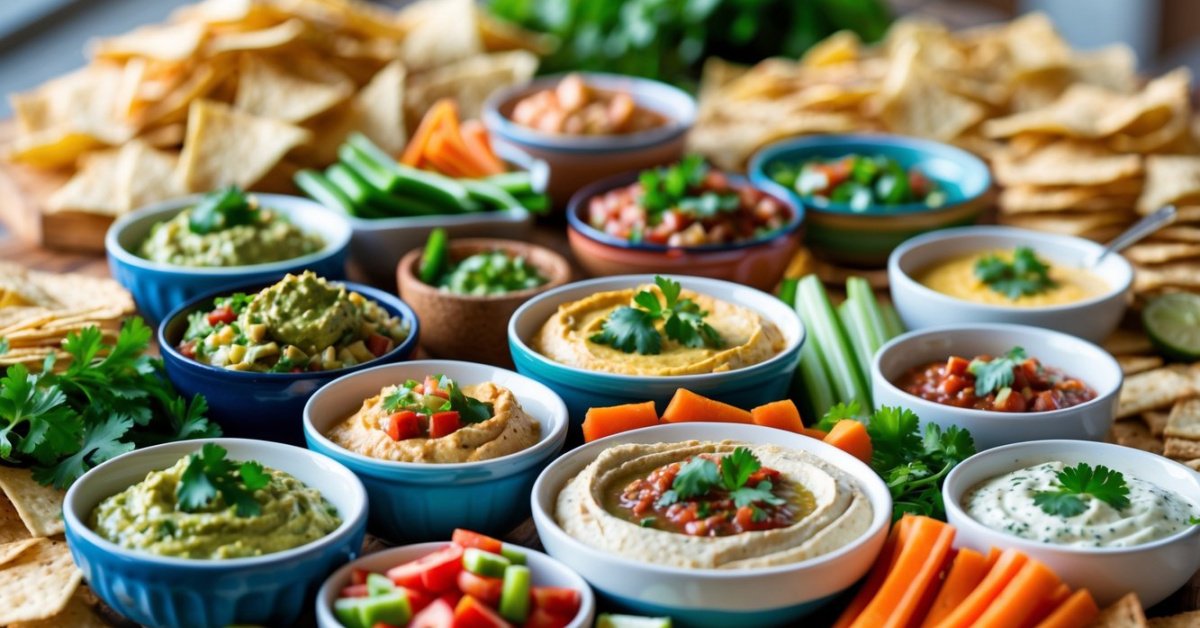
Spring rolls get better when dipped in Thai sweet chili dip, with that sticky-sweet heat hugging every bite. Grilled chicken turns lively when dunked, and fried shrimp wears that glossy red sauce like a badge of flavor. Folks at my gatherings always head for the veggie tray, since cucumber spears and bell pepper strips drink up every drop. Meatballs take on a whole new life—just tumble ‘em in the dip and watch smiles light up.
Creative Serving Ideas
Drizzle Thai sweet chili dip over a crisp Asian slaw for a sweet punch. Brush it onto salmon or pork chops in the last few minutes of cooking and it’ll caramelize into a sticky glaze. Mix a couple spoonfuls into mayo for a fiery sandwich spread, or stir it through rice noodles and peanut-crusted chicken for a quick dinner. I’ll even toss a splash into stir-fries or use it as a light marinade for tofu chunks.
Store-Bought vs. Homemade Thai Sweet Chili Dip
When it comes to Thai sweet chili dip, folks usually size up store-bought bottles and homemade batches. I’ve mixed, tasted, and tested ‘em both back in my Alabama dip shop and right at my own kitchen table.
Pros and Cons of Each Option
- Store-Bought Thai Sweet Chili Dip
Store-bought Thai sweet chili dip means instant convenience. I can grab a bottle, twist the cap, and have sauce ready for spring rolls in less than a minute. Quality brands like Mae Ploy or Taste of Thai keep things consistent—every bottle tastes the same, so folks know what they’re getting. Shelf life runs long; most bottles last 6–12 months unopened, so I always keep one on standby. Downsides pop up with extra preservatives, thickeners, and a steady sweetness that’s sometimes too sugary for my taste. Brands often hold back on chili heat and garlic punch just to suit lots of folks at once.
- Homemade Thai Sweet Chili Dip
Homemade Thai sweet chili dip lets me steer flavor exactly where I want it. I mix fresh chilies, play with garlic, and tweak the sweetness or tang to fit what’s cookin’. Fresh-made batches come through brighter, with a cleaner finish and real depth from raw ingredients. Folks with food allergies or specific diets appreciate homemade options—no artificial ingredients or mystery thickeners. Homemade dip keeps 2–3 weeks in the fridge; it won’t match store-bought’s shelf life, so I make smaller, fresher batches more often. Homemade takes 10–15 minutes and a saucepan, so it needs a little planning when company drops by unannounced.
Health Considerations
Thai sweet chili dip brings big flavor but it’s smart to think about what goes in it. Sugar content runs high in most recipes—some bottles pack up to 10 grams of sugar per tablespoon. When folks watch their sugar or count carbs, this makes a difference.
Sodium levels show up too, sometimes hitting 300 milligrams per serving in popular store brands. People with high blood pressure or heart concerns sometimes skip saltier dips or look for low-sodium versions.
Chili peppers give the dip its kick. Most folks handle the mild heat just fine, but those sensitive to spice, pregnant, or dealing with ulcers or IBS sometimes want less chile. I dial it back when I know someone’s tummy can’t take the burn.
Homemade batches help you control all this. Swapping out some sugar for honey, monk fruit, or stevia gives a lighter version. Low-sodium soy sauce or coconut aminos lower salt. I’ve had good luck adjusting the garlic for folks with allergies, and testing different vinegars for those who can’t do rice vinegar. Add-ins like diced fresh fruit or pureed roasted peppers can thin out the sauce and lower calorie density.
Cross-contamination matters if someone in the house has allergies. Always keep ingredients separate and check store-bought bottles for traces of wheat, soy, or fish—three things I’ve spotted on labels before. Some commercial brands add preservatives, so folks with sensitivities sometimes feel better with homemade.
Table: Nutrition Highlights for Thai Sweet Chili Dip
| Nutrient | Typical Store-Bought (per 1 tbsp) | Typical Homemade (per 1 tbsp) |
|---|---|---|
| Calories | 35–45 | 30–35 |
| Sugar | 7–10g | 5–7g |
| Sodium | 200–300mg | 100–150mg |
| Fat | 0g | 0g |
| Preservatives | Yes (varies) | No |
Kids and diabetic eaters sometimes enjoy the sweetness but might want a smaller amount. I serve Thai sweet chili dip with fresh crunchy veggies to keep it lighter. For anyone new to it, I tell them to try a small spoonful first, then dip in at their own pace.
Conclusion
Thai sweet chili dip always finds a spot at my table whether I’m hosting friends or just craving something special for myself. It’s one of those simple pleasures that never fails to make a meal more exciting.
I love experimenting with new ways to use it and discovering fresh pairings. With just a little creativity this dip can turn any snack or dish into something memorable. It’s a staple I’ll always keep in my kitchen.