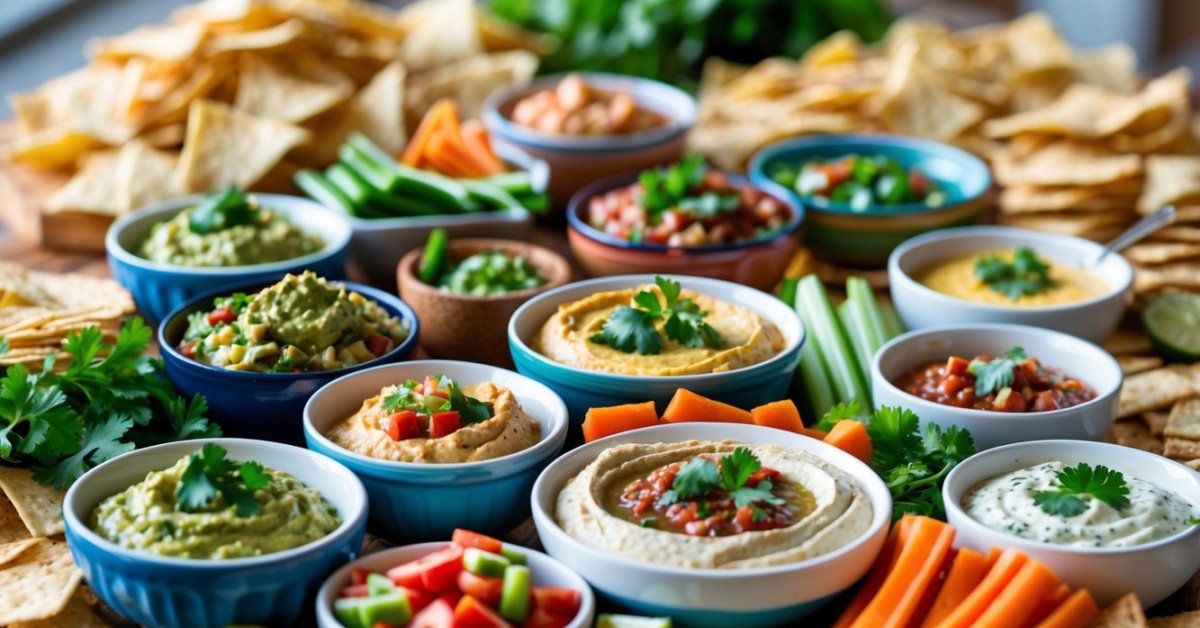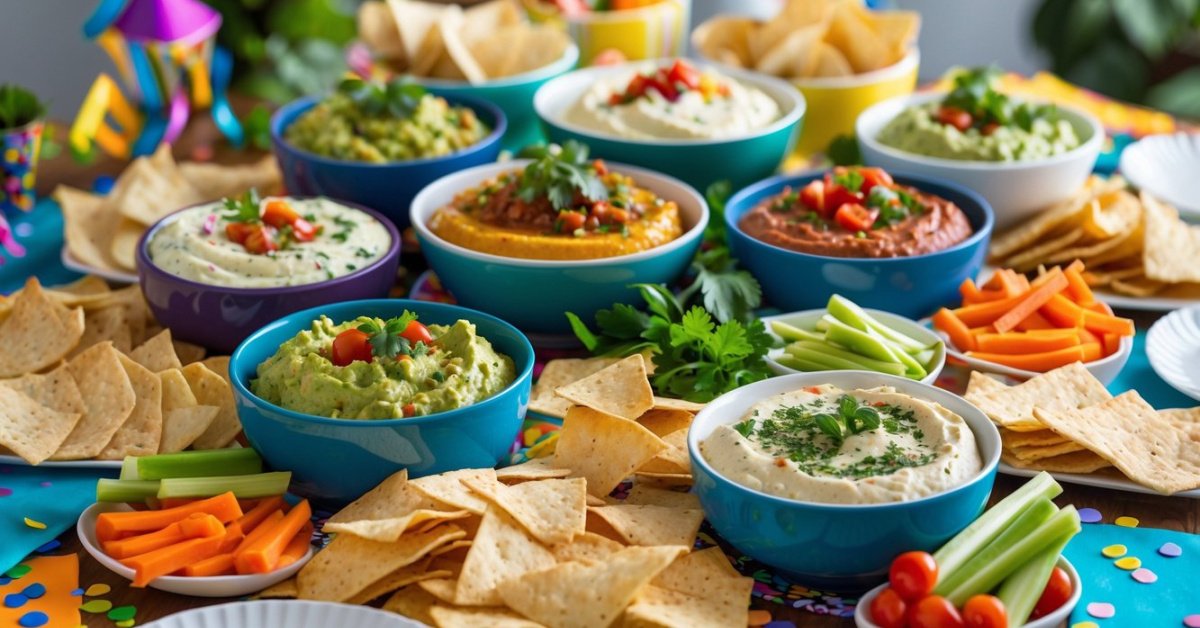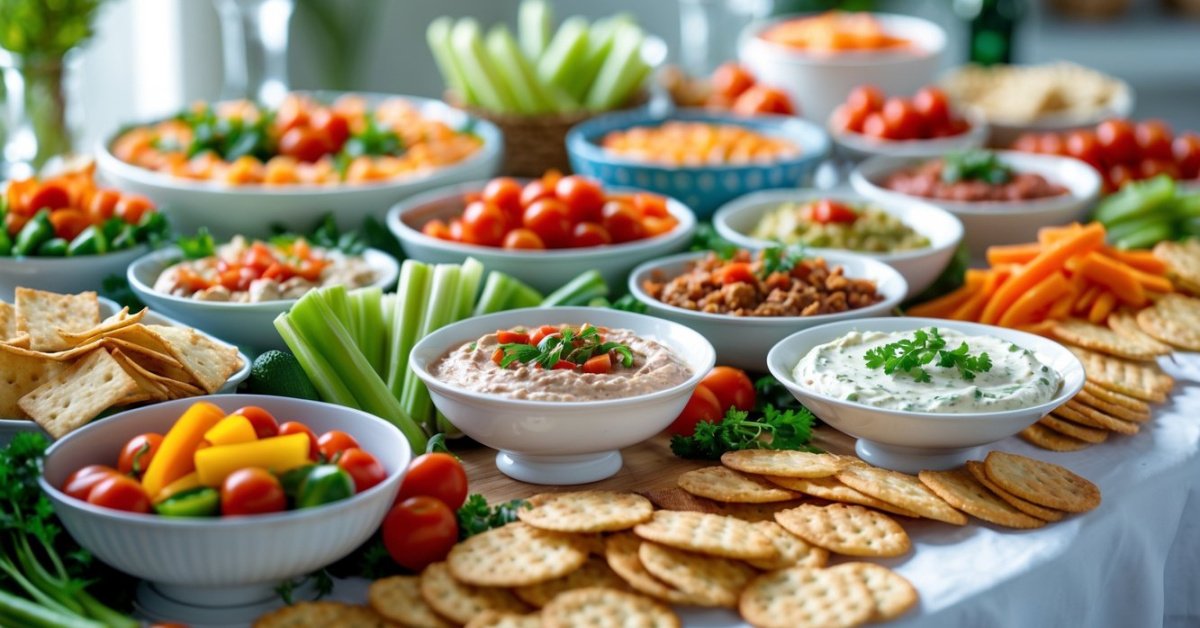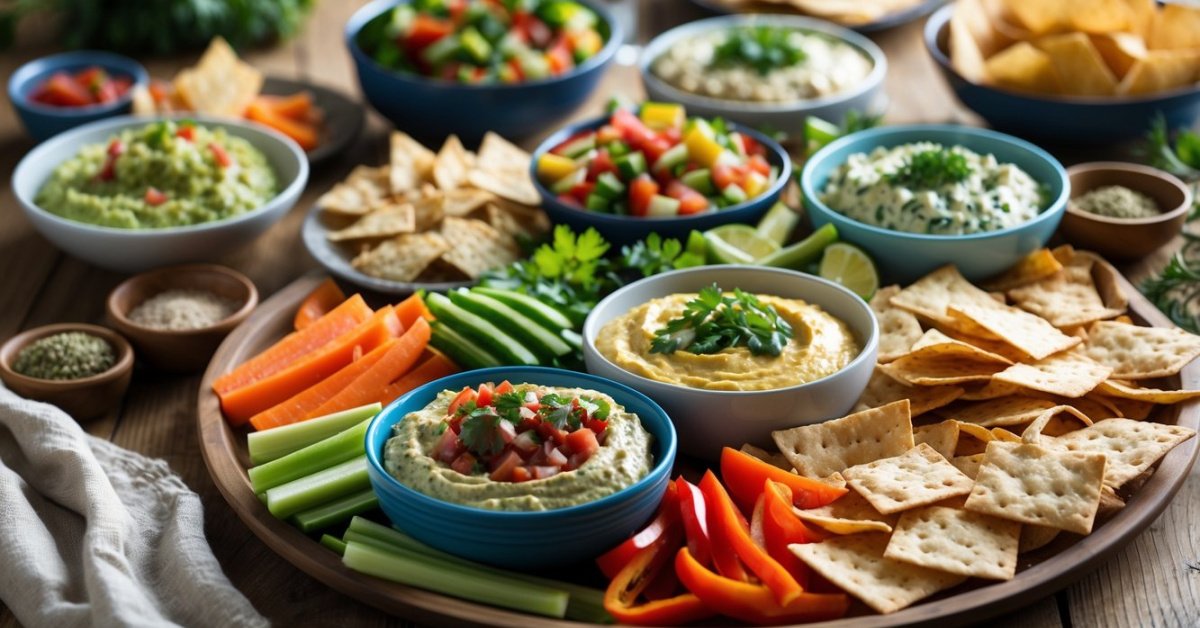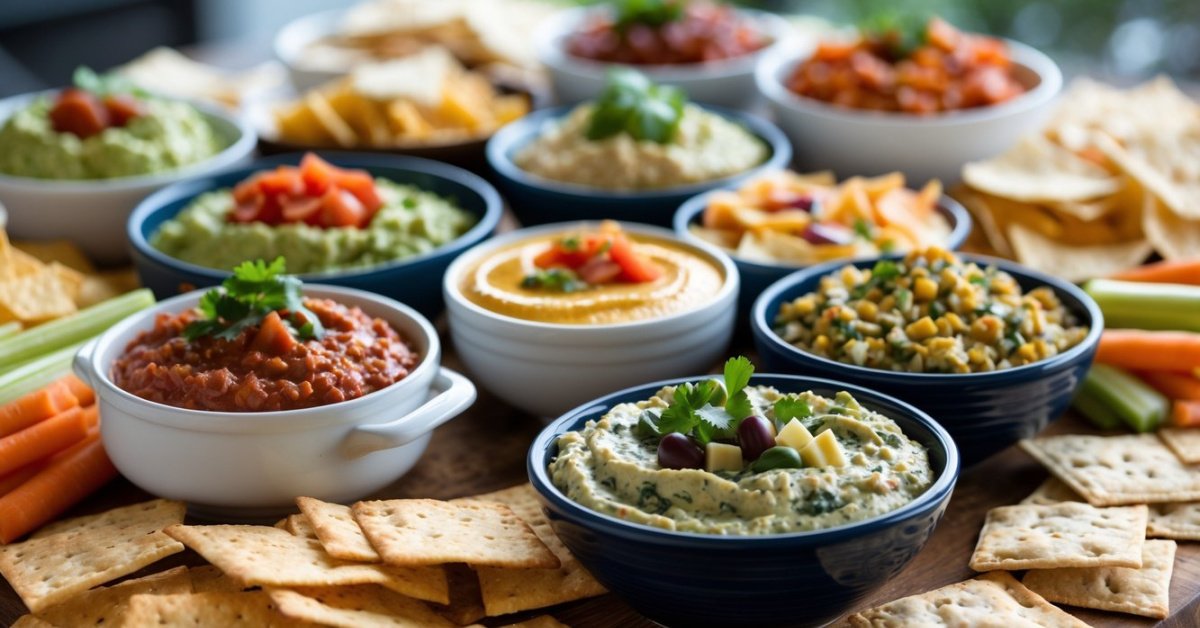
Whenever I’m craving something creamy and refreshing, I always reach for a bowl of labneh dip. This Middle Eastern favorite has won me over with its tangy flavor and smooth texture. Paired with warm pita or crisp veggies, it’s a snack that feels both light and satisfying.
I love how simple ingredients can create such a rich taste experience. Labneh brings people together around the table, whether it’s at a lively gathering or a quiet night in. It’s one of those dishes that never fails to impress and always leaves everyone wanting just one more bite.
What Is Middle Eastern Labneh Dip?
Middle Eastern labneh dip is a thick, tangy dip made from strained yogurt. I get yogurt, strain out most of the whey, and end up with something spreadable—almost like cream cheese, but lighter and with a good, clean tang. Folks in Lebanon, Syria, and Jordan serve labneh with a drizzle of olive oil and a sprinkle of herbs, usually za’atar or mint. Labneh holds up on a mezze platter next to hummus, muhammara, and baba ghanoush.
I like how labneh dip takes on the flavors around it. Fresh garlic, chopped chives, lemon zest, or olives all work in the mix for a bit of kick or freshness. Texture comes out silky and rich because of the fat in the yogurt. When I ran my dip company, labneh was one of the first Middle Eastern recipes I wanted to bring to folks in the South—easy on the palate, great for dunking pita chips, raw veggies, or even spreading on grilled meats.
This dip’s simplicity is what makes it special. I use just yogurt, salt, and time, but the result tastes gourmet. Making labneh at home means I can control fat content—full-fat yogurt gives a creamier texture, while low-fat yogurt makes it a tad firmer. Labneh dip keeps well in the fridge for about a week, and it’s just as good at a Saturday picnic as it is on a weekday snack spread.
Key Ingredients and Flavor Profile
Labneh dip’s roots run deep in Middle Eastern kitchens, but I’ve found its flavors and creamy tang work magic just about anywhere. Every spoonful starts with just a handful of honest ingredients, letting real freshness shine.
Essential Ingredients
- Strained Yogurt: I use full-fat plain yogurt, strained till thick. Greek yogurt makes a great shortcut, but homemade, strained overnight, always turns out rich and extra smooth.
- Salt: Just a pinch brings that tang forward. Fine sea salt mixes in easiest.
- Olive Oil: I finish with good extra-virgin olive oil. Peppery green types boost flavor.
- Herbs: I sprinkle chopped mint, dill, or chives over mine. Za’atar, a Middle Eastern blend of thyme, sesame, and sumac, gives a citrusy-herbal twist.
- Optional Add-Ons: Sometimes I add minced garlic, roasted red peppers, or chopped olives for extra kick.
Traditional Flavors and Textures
Labneh’s tangy bite comes from that strained yogurt, giving a hint of sourness like good buttermilk. It tastes bright and fresh, never too heavy. The creamy yet firm texture lets it hold its shape, perfect for dipping pita or veggies.
Extras—olive oil, za’atar, diced cucumbers, or toasted nuts—add layers. With each batch, I taste thick, silky cheese notes, a gentle saltiness, then the herb-infused olive oil soaking in. Labneh dip matches up with bold mezze spreads or shines solo when you want something simple but full of flavor.
How to Serve Middle Eastern Labneh Dip
When I set labneh dip on the table, I know it’s about to disappear fast. I like showing off its smooth, tangy goodness with a few tried-and-true pairings and some fun spins that keep things fresh.
Classic Accompaniments
- Warm pita bread: I always stack triangles of soft pita, fresh from the oven or pan, right next to the bowl. Folks use each piece to scoop up a good bit of labneh, getting a bite of thick, creamy dip with every chew.
- Fresh vegetables: I put out crisp cucumber slices, cherry tomatoes, carrot sticks, and radishes for color and crunch. These veggies hold up well and give a cool, clean contrast to that tangy yogurt base.
- Olive oil and za’atar: I pour a swirl of rich olive oil over the top and dust it all with za’atar or crushed dried mint. That makes each scoop taste brighter and brings out that Middle Eastern flair.
- Mezze platters: I place labneh right in the center with hummus, baba ghanoush, grilled halloumi, and marinated olives on the side. Every picker finds something they like, and labneh fits in with every bite.
Creative Serving Ideas
- Topped labneh bowls: I pile on chopped roasted red peppers, toasted pine nuts, smoked paprika, or even pickled onions for extra flavor. Guests always scoop deeper when there’s a little color on top.
- Labneh toast: I spread labneh thick on toasted sourdough and add tomatoes, arugula, or sliced smoked salmon for breakfast or lunch plates.
- Savory tarts or flatbreads: I use labneh as the creamy base on homemade tarts—topped with herbs, roasted veggies, or a drizzle of honey for something fancy but easy.
- Potato chip dip: I set labneh out with crispy potato chips or pita chips at game day gatherings. Folks always want to know what that creamy dip is and go back for second helpings.
- Serve alongside grilled meats: I like putting labneh next to grilled chicken, lamb kebabs, or even barbecue ribs. That cool creaminess balances smoky flavor right off the grill.
Taste Test: Reviewing Middle Eastern Labneh Dip
I’ve spent years stirring, spreading, and sampling dips from all over, and let me tell you—labneh’s a knockout. Every dip I make gets the “cracker test” at my kitchen table, and this Middle Eastern favorite always passes with flying colors.
Texture and Creaminess
My first spoonful of labneh dip always reminds me how smooth dips can get. Labneh’s creamy like whipped cream cheese, but still thick enough to hold a celery stick upright. When I run a chip or warm pita through it, the dip hugs on tight with a velvet finish. This texture works great if you’re looking for something sturdy but not heavy. Every batch I make spreads easy on lamb sliders or just about any toast you’ve got.
Flavor Complexity
Labneh gets its punch from two places—tang and richness. The yogurt base gives a bright, lively zing, while a touch of salt wakes everything up. I throw in fresh herbs like dill or mint, so each bite brings a pop of garden flavor. Garlic or a good drizzle of olive oil brings earthiness and depth. In my shop, folks would ask what’s in it, because the flavors sneak up on you—starter-tang at first, then creamy, savory, and bold as you go.
Versatility and Pairings
If you want a dip that plays well with others, labneh’s your guy. I’ve served labneh at tailgates, family picnics, and even fancy dinner parties. Top it with za’atar or smoked paprika for a Mezze board. Spoon it beside grilled chicken or kebabs for a cool contrast. Grab sliced radishes, carrots, or crackers—everything tastes better dunked in labneh. Sometimes I even spread it on bagels with lox or pile it high on BLT sandwiches for a Southern twist. This dip runs the table no matter what you pair with it.
Health Benefits and Nutritional Value
I make a lotta dips but labneh always stands out for folks askin’ about healthier options. This Middle Eastern labneh dip packs high protein, calcium, and live probiotics — all from strained yogurt. Full-fat versions give a creamier bite, but even low-fat labneh keeps that rich flavor with less fat and calories than regular cream cheese.
Protein and Bone Health
Labneh packs about 5g protein in every 2-tablespoon serving, makin’ it a filling snack. High calcium levels help keep bones stronger, same as a cold glass of milk, but with way more taste. That’s great for anyone lookin’ to boost protein or keep up bone health without eatin’ plain yogurt.
Live Probiotics for Digestion
Labneh comes loaded with probiotics from its yogurt base. These live cultures keep your gut runnin’ smooth — so if you’re findin’ dips that ease digestion, this one brings natural balance. I’ve had plenty of customers tell me labneh sits lighter than sour cream or mayo dips at parties.
Lower Fat and Calories Than Traditional Dips
Strained yogurt in labneh means less water and lower overall fat content than cream cheese or ranch. Folks often ask at my shop — labneh averages around 60 calories per 2-tablespoon dip, while classic ranch or sour cream can hit 120 or more. Here’s how it stacks up:
| Dip Type | Calories (2 Tbsp) | Protein (g) | Fat (g) | Probiotics |
|---|---|---|---|---|
| Labneh Dip | 60 | 5 | 2.5 | Yes |
| Cream Cheese | 100 | 2 | 9 | No |
| Sour Cream | 120 | 1 | 10 | No |
Nutrient Boost from Toppings
Olive oil and herbs like mint or za’atar add flavor with extra vitamins and healthy fats. Olive oil brings in heart-healthy monounsaturated fat; herbs kick up antioxidants. That’s how I keep my labneh both tasty and full of things folks’ bodies can use.
Labneh dip lets health and flavor hang out together, whether you dip in with fresh veggies or spoon it over grilled chicken.
Where to Buy or How to Make Middle Eastern Labneh Dip
Folks looking for the real taste of Middle Eastern labneh dip can find it a couple of ways, and I’ll walk you through both.
Buying Labneh Dip
Grocery stores with international sections, Middle Eastern groceries, and most big chains in the South now carry labneh. I’ve spotted it at Whole Foods, Sprouts, and even Publix. You’ll find labneh packed near the hummus and specialty cheeses. Look for brands like Karoun, Sahadi, or Cedar’s—they make a creamy batch that takes me right back to the first time I tried it. Regional stores like The Fresh Market or small Mediterranean delis sometimes whip up fresh, house-made tubs, so it’s worth asking the deli folks if you’re after that made-this-morning flavor.
Making Your Own Labneh Dip
Making labneh dip from scratch lets me control every detail and gets the freshest flavor. Here’s my go-to technique I used in my dip company:
- Start with full-fat plain Greek yogurt—local brand or national, just be sure it’s not flavored.
- Mix in 1/2 teaspoon kosher salt per 2 cups yogurt.
- Line a strainer with cheesecloth and set it over a deep bowl.
- Pour in the salted yogurt, bundle the cloth edges, and tie it up.
- Set it in the fridge and let it drain 24 hours—I like mine extra thick, so sometimes I give it 36 hours.
- Scrape out the thickened labneh and smooth it into a serving bowl. Drizzle on extra-virgin olive oil and sprinkle herbs like za’atar for the classic Middle Eastern vibe.
I always taste the finished labneh before serving. If you want to mix things up, stir in chopped dill, roasted garlic, or a pop of lemon zest. Fresh is key, so use it within a week for that creamy tang.
Quick Reference: Where to Buy Labneh Dip
| Place | Example Brands | Notes |
|---|---|---|
| Grocery Store Chains | Karoun, Cedar’s | Usually in dairy or deli section |
| Middle Eastern Grocers | Local, Sahadi | Often fresh or in specialty cases |
| Health Food Stores | Local, National | Look for organic or probiotic-rich |
| Farmer’s Markets/Delis | House-Made | Small batches, ask for freshness |
Conclusion
Labneh dip has become one of my favorite ways to add a burst of flavor and freshness to any table. Its creamy texture and tangy bite never fail to impress both friends and family.
Whether I’m whipping up a quick snack or planning a mezze spread for a party I know labneh will always be a crowd-pleaser. With its health benefits and endless ways to serve it I love how this simple dip brings a touch of the Middle East into my kitchen every time.