I love finding new ways to bring color and flavor to my table and roasted beet dip always does the trick. The vibrant pink hue alone grabs everyone’s attention but it’s the earthy sweetness of roasted beets that keeps people coming back for more. Whether I’m hosting friends or just looking for a healthy snack this dip never disappoints.
Making roasted beet dip is surprisingly simple and I get to play with different toppings and dippers every time. It’s the perfect way to sneak in some veggies and add a pop of excitement to any spread. If you’re ready to try something a little different you’ll want to give this dip a spot at your next gathering.
What Is Roasted Beet Dip?
Roasted beet dip is a creamy spread made by blending cooked beets with tangy ingredients like Greek yogurt, lemon juice, and garlic. I use red beets for their deep color and earthy-sweet kick. Folks who love hummus or baba ghanoush usually enjoy this one, too, because it’s got a silky texture and a rich, bold flavor that stands out on the table.
Every time I whip up roasted beet dip, I roast the beets first. Roasting pulls out more sweetness than steaming or boiling, and gives the dip a deeper flavor. Most versions of this dip get blended with some lemon for brightness, a little olive oil to smooth things out, and spices like cumin or dill, depending on your taste. Some days, I even throw in goat cheese or feta for an extra tang.
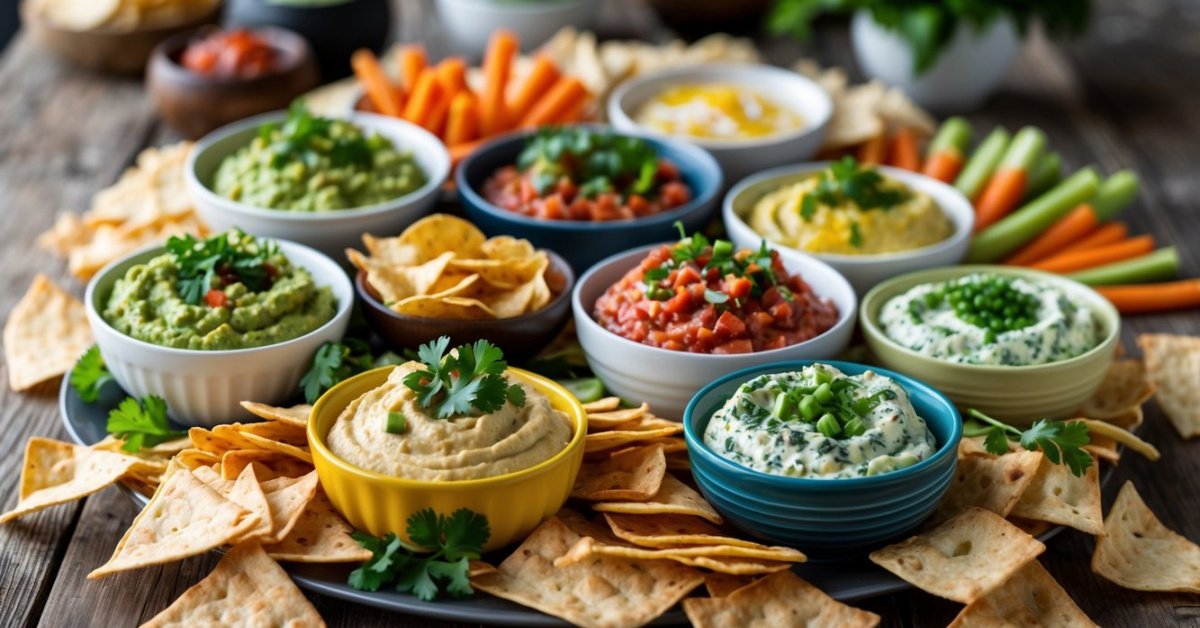
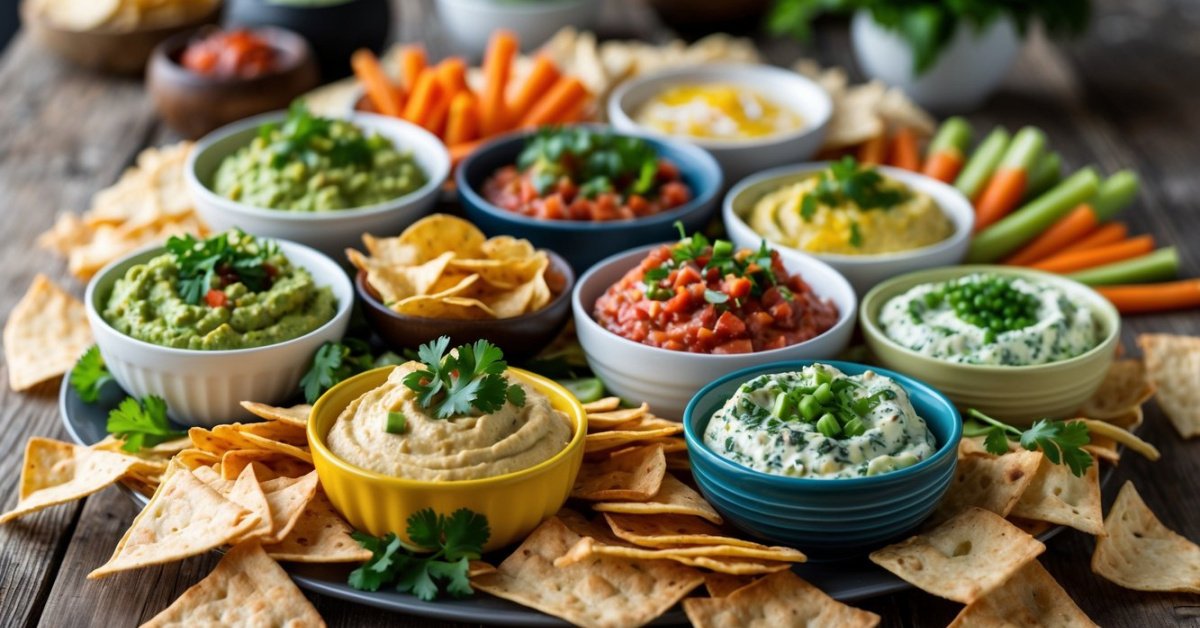
Every bowl comes out with that signature vibrant pink—always gets attention at parties. I serve it with pita chips, veggie sticks, crackers, or even slather it on a sandwich. Roasted beet dip never tastes the same twice, since every batch of beets is a little different and you can play around with seasonings.
Key Ingredients and Flavor Profile
Roasted beet dip grabs attention with bold color and a sweet, earthy bite. I always look for balance between creamy, tangy, and savory in my recipes.
Selecting the Right Beets
Big, firm, deep-red beets give me the best results every batch. Medium to large roots, smooth skin, and no soft spots—those are the ones I pick at the farmers market or grocery store. I roast beets to pull out all their natural sugars because raw beets stay too sharp. Golden beets work too, but the flavor swings milder and the color’s never quite as striking.
Complementary Ingredients
Greek yogurt, fresh lemon juice, and garlic make every beet batch silkier and more layered. I toss in a little olive oil for richness and a pinch of salt to pop the sweetness. Some days, I blend in feta or goat cheese for an extra tang or crumble them on top. Toasted walnuts, cumin, or fresh dill add new twists every time I make this dip. I always try two or three combos to figure out what fits the beets I’ve got that week.
Preparation and Texture
I pay attention to every step when I’m making roasted beet dip, because good prep gives me that creamy texture folks love. Let me walk you through how I roast my beets and nail the right consistency every time.
Roasting Techniques
I start by scrubbing my beets clean, leaving the skins on to keep ‘em juicy. Roasting the beets whole at 400°F takes about 50-60 minutes, with bigger beets sometimes needing an extra 15 minutes. I wrap each beet in foil and lay ‘em on a sheet pan; that seals in moisture and keeps my kitchen neat. When a knife slides in easy, I know they’re done. I let those beets cool a bit, then slip the skins right off—no fuss. This slow roasting coaxes out that earthy sweetness, bringing out a deep flavor you just don’t get from boiling or steaming.
Achieving the Perfect Consistency
I drop my roasted beets into a food processor. Blending ‘em with Greek yogurt, a splash of olive oil, and lemon juice makes the texture smooth and thick, not runny. I scrape down the bowl at least once so every bit gets creamy. If it looks dry, I drizzle in a little more oil or yogurt till it spreads like a dream. For a whipped, airy finish, I pulse in feta or goat cheese, but I go light—too much can leave it dense. My favorite tip: chill the dip for at least one hour before serving. That firms it up and lets the flavors come together, which always gets compliments at my table.
Taste Test: First Impressions
I dipped my first chip into that roasted beet dip, and right off I noticed the silkiness. That creamy texture comes from letting those beets cool before blending. When I tasted it, sweet roasted beet flavor hit first—smooth, not muddy, with a natural earthiness. Every bite backed that up, and the lemon tang followed right behind. Greek yogurt adds a bit of zip and makes the dip feel lighter on the tongue than most cream-based dips folks try at parties.
Second, I tasted the layers, not just the beets. Olive oil gave it a mellow finish. Garlic brought a punch, then right at the end, I caught a little nutty hint from toasted walnuts I sprinkled on. Goat cheese, when I stirred it in, added a sharp, creamy top note. I noticed folks at my table nodding—one used a carrot stick, one a torn pita triangle. Each dipper picked up something different, but all agreed the color got folks talking first and the flavor kept ’em coming back.
Serving this at my gatherings back in Alabama, folks expected a standard veggie dip. Instead, they got a dip that tasted sweet, tangy, and fresh. Even beet skeptics reached back for seconds, surprised by how balanced the flavors landed. That roasted beet dip just stands out on any dip table, especially against basic ranches or hummus.
Serving Suggestions and Pairings
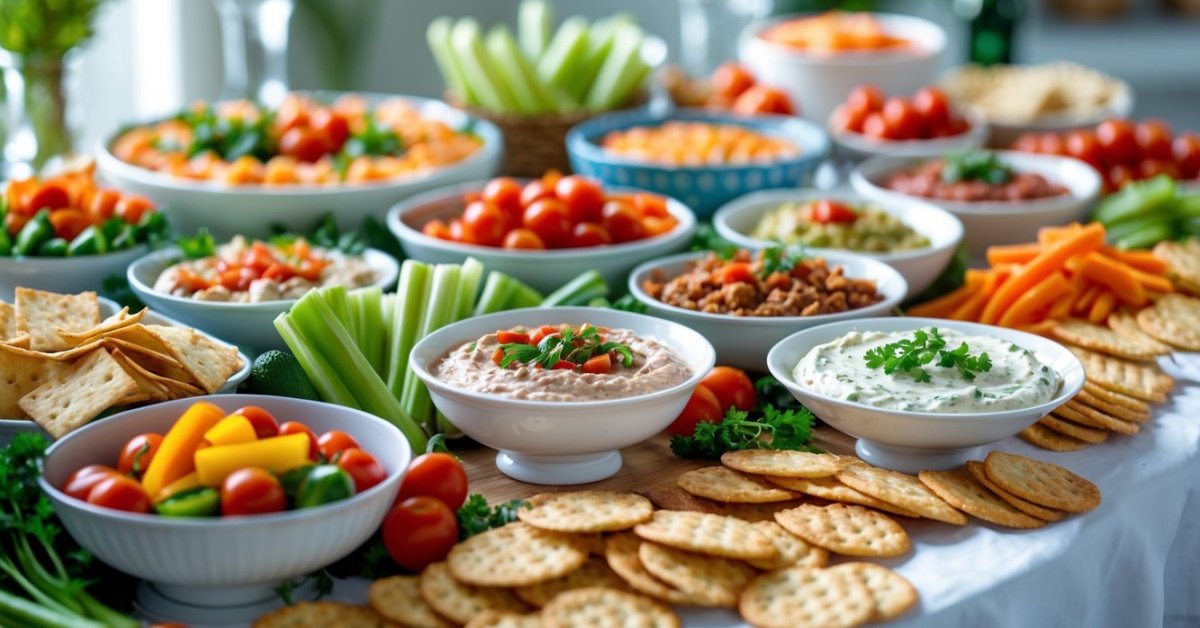
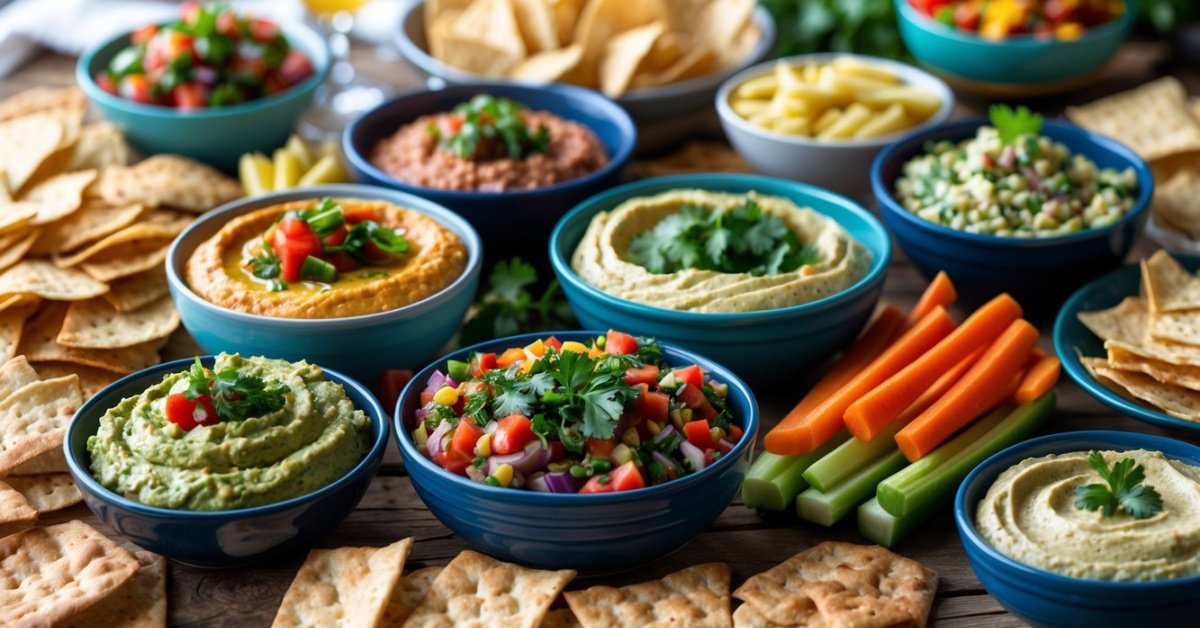
I like to pile my roasted beet dip high right in the middle of a platter, then surround it with all sorts of dippers. Crunchy pita chips set it off real nice, especially when they’ve got a little sprinkle of sea salt. Sliced cucumbers, carrot sticks, and bell pepper strips give that farm-fresh crisp, letting the creamy dip shine through. If you’re like me and enjoy adding a Southern spin, try sweet potato chips or even plain ol’ saltines—they do the job just fine.
I spread it thick on toasted sourdough or a chewy multigrain loaf for a quick lunch. It goes real good tucked inside pita pockets with grilled chicken, sprouts, and a little feta. Folks at my old tasting room always reached for it when I set it next to smoky baba ganoush or classic hummus. Those earthy flavors play together well, making every bite real interesting.
I top the beet dip with crumbled goat cheese, toasted walnuts, or a handful of chopped dill right before serving for extra color and flavor. If I’ve got guests who avoid dairy, I’ll leave off the cheese but add extra roasted garlic or a dusting of cumin for depth.
Here’s a quick table with my favorite pairings:
| Dipper / Pairing | Description | Example Combo |
|---|---|---|
| Pita Chips | Crunchy, salty, holds dip well | Beet dip, smoked paprika, feta |
| Veggie Sticks | Refreshing, crisp, low-cal | Beet dip, carrot, cucumber, pepper |
| Fresh Bread | Chewy or toasted, soaks in flavors | Sourdough, beet dip, arugula |
| Roasted Potatoes | Warm, hearty, Southern comfort feel | Beet dip, warm potato wedges |
| Chicken or Turkey | Adds protein, balances sweetness | Grilled chicken wrap, beet dip |
| Crackers or Crispbreads | Light, crunchy, versatile base | Beet dip, dill, sesame crackers |
| Sandwiches/Wraps | Portable, lunch-friendly, creamy spread | Beet dip, grilled veggies, goat cheese |
I noticed beet dip stands out on cheese boards, especially with mild cheeses and fresh fruit slices. It works for picnics too, holding up well in a cooler. No matter what you pair it with, roasted beet dip brings bold color and that earthy-tang flavor to any spread.
Health Benefits of Roasted Beet Dip
I love roasted beet dip for more than just its color and taste—it’s got a mighty nutritious kick. Beets bring loads of fiber, vitamins, and minerals to the table. Each scoop packs folate, potassium, and vitamin C, all from the beets. Greek yogurt adds creamy protein and gives a boost of probiotics, helping your folks’ digestive system if you stick with the classic version.
Eating dip with beets means getting nitrates too—these compounds help support healthy blood flow and may lower blood pressure, according to the American Heart Association. Roasted beets also offer antioxidants like betalains, which is what gives the dip that rich pink color and may help reduce inflammation.
I keep the fat content in check by using extra-virgin olive oil instead of heavy mayonnaise or sour cream. Swapping in Greek yogurt also drops the calories and adds in extra calcium for stronger bones—key if you’re making hearty snacks. Adding toasted walnuts not only gives a nutty punch but also delivers good omega-3 fatty acids.
My favorite part: folks who eat more veggies tend to feel more full, so dipping fresh beet dip helps curb midday snack cravings without giving up flavor. Each time I serve this dip at parties, health-conscious guests appreciate it just as much as those there for the taste.
Pros and Cons
Pros of Roasted Beet Dip
- Bright Color
Seeing that bold, pink color right on the table draws folks in quick. At my parties in Birmingham, nothing gets more attention than a bowl of this beet dip.
- Unique Flavor
Tasting the earthy sweetness from beets plus a tang from yogurt gives a dip you won’t find at the store. Friends always ask me what I put in it and end up wanting seconds.
- Nutrition Boost
Getting protein, fiber, vitamins, and minerals all in one bowl makes serving healthy feel easy. I like knowing my homemade dips pack more good stuff than the store-bought kind.
- Versatile Serving
Using this dip with pita chips, celery, carrots, or as a spread for sandwiches works every time. When I ran my dip shop, folks would use it on wraps or cheese boards just as much as they’d snack on it.
- Customizable
Switching in goat cheese for feta, changing spices, or tossing in walnuts lets me mix up flavors from week to week. Chasing a big game day crowd or a low-key family supper, this dip fits right in.
Cons of Roasted Beet Dip
- Beet Prep
Roasting and peeling beets takes longer than popping open a jar of salsa. Making it fresh means I start early, especially for a big batch.
- Staining
Getting beet juice on cutting boards or shirts leaves stains. That deep red look makes for good eating but tough laundry.
- Acquired Taste
Finding that some folks just aren’t beet lovers, no matter how I dress up the dip, means there might be leftovers. I’ve seen stubborn beet skeptics surprised, but not everybody converts the first time.
- Texture Variability
Seeing some batches turn out silkier than others depends mainly on how well the beets roast and blend. When I teach dip classes, I always point out how important that step is.
- Shorter Shelf Life
Keeping this dip fresh for just a few days, even in the fridge, means eating it up quick. I remind my customers and friends to plan ahead so nothing goes to waste.
Conclusion
Roasted beet dip has become a staple at my gatherings and I love how it always sparks conversation and curiosity. Its bold color and flavor make it stand out on any table and I find myself reaching for it whether I’m hosting friends or just want something special for lunch.
If you’re looking for a dip that’s as fun to make as it is to eat give roasted beet dip a try. You might just find it becomes your new go-to for sharing and snacking—stains and all!