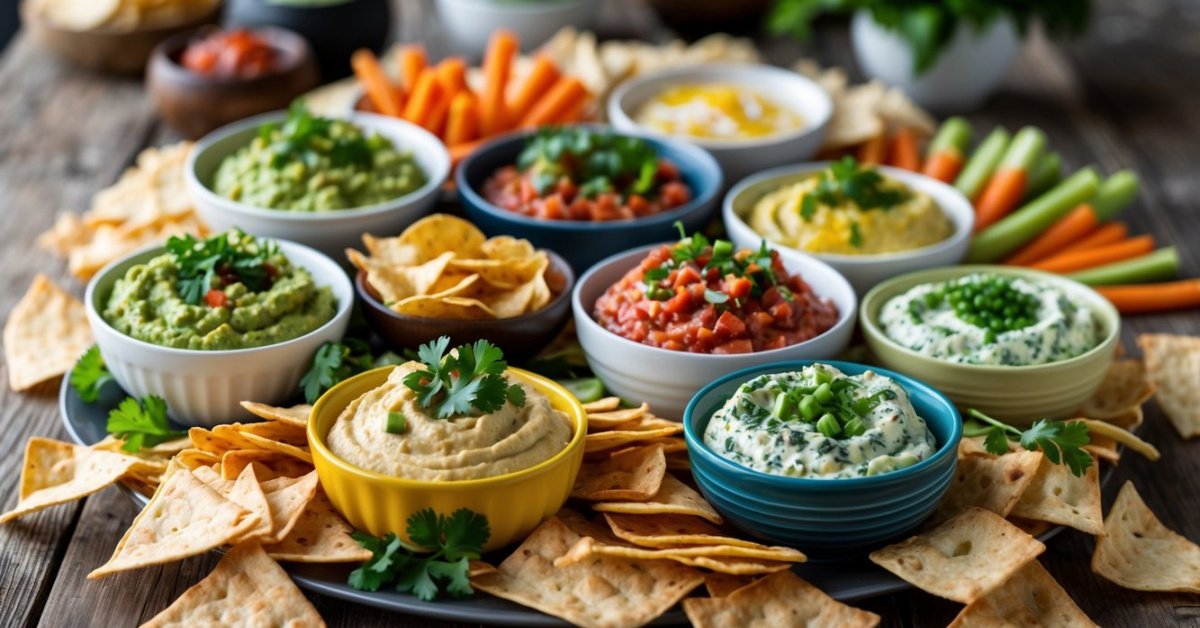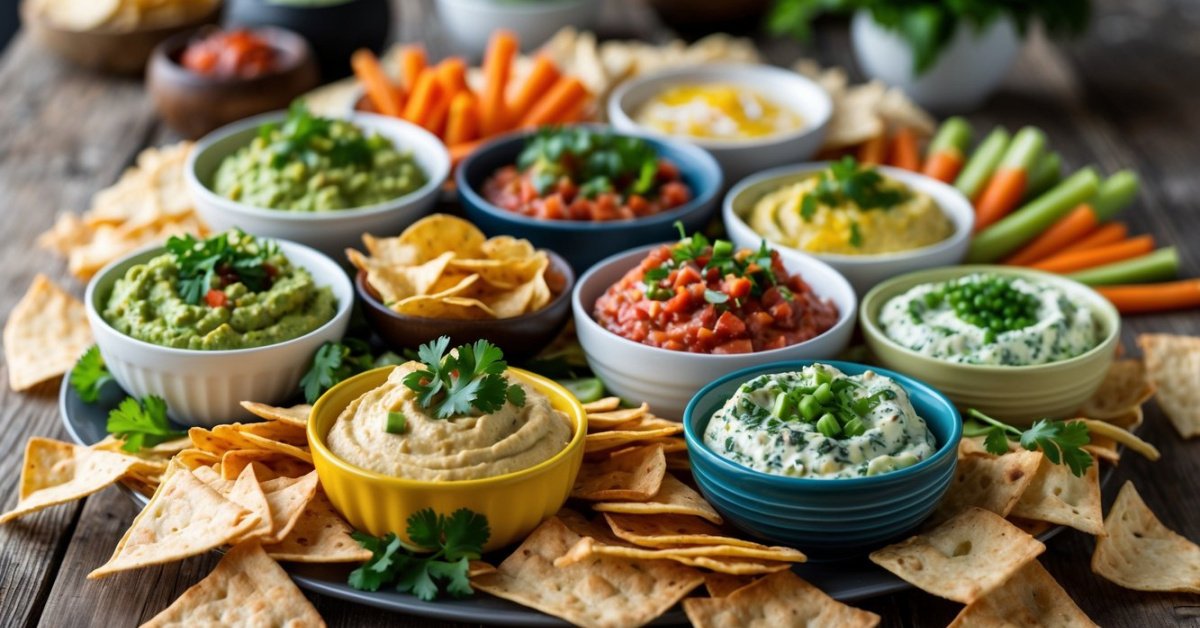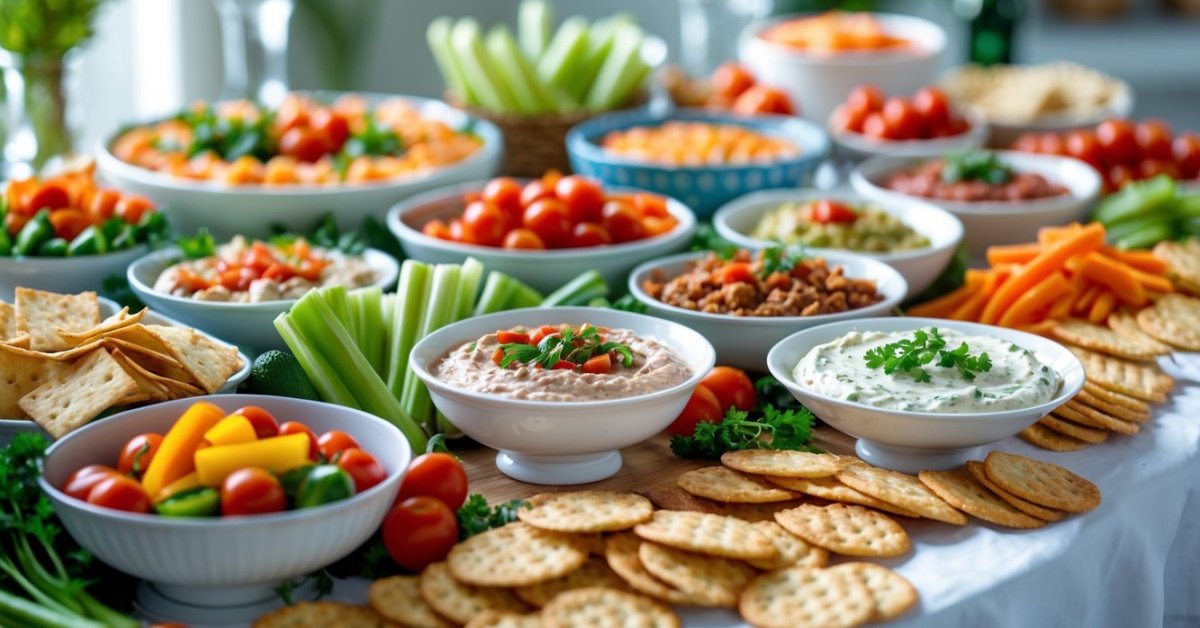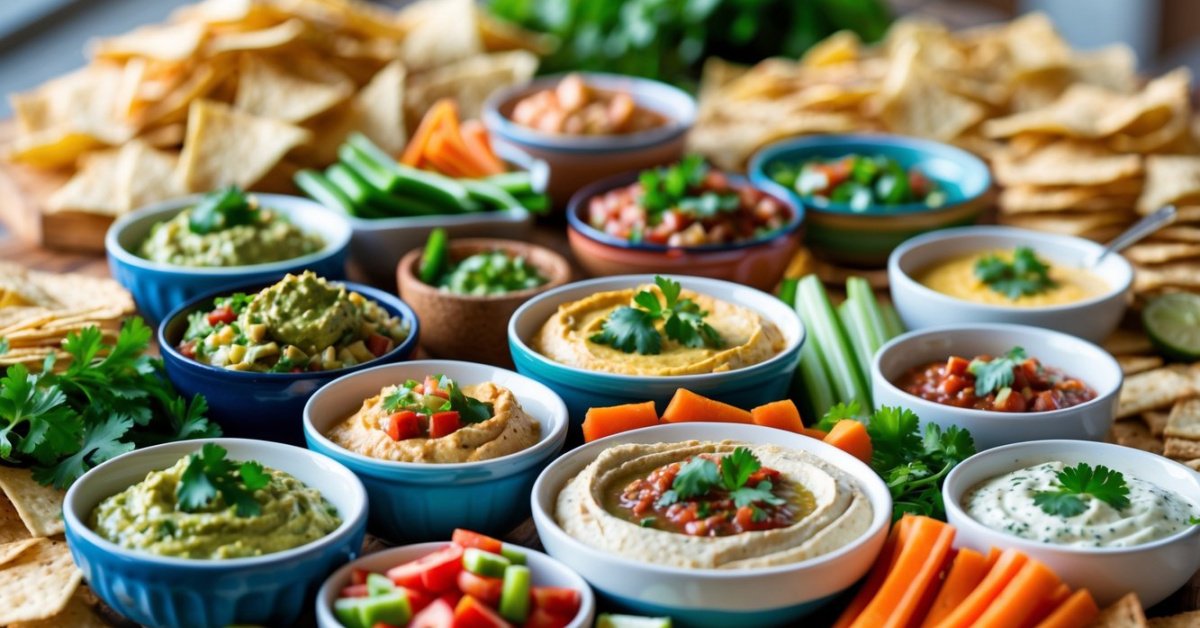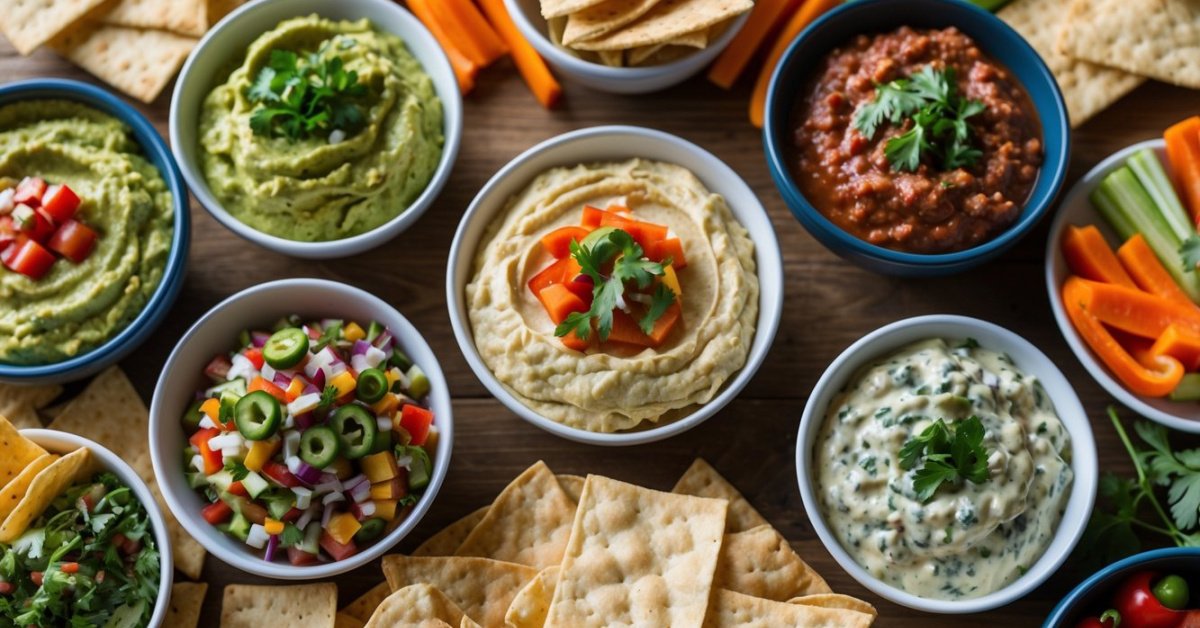
Whenever I’m whipping up a batch of homemade dip, I always reach for the perfect oil—it’s amazing how much it can transform a simple recipe. The right oil doesn’t just add flavor; it brings out the best in every ingredient and gives dips that crave-worthy texture everyone loves.
I’ve tried everything from classic olive oil to bold avocado oil, and each one brings something special to the table. Whether I’m making a creamy hummus or a zesty vinaigrette, choosing the best oil makes all the difference. Let’s dive into what makes these oils so essential for unforgettable dips.
Why the Right Oil Matters in Dip Recipes
Choosing the right oil for dip recipes makes a bigger difference than most folks realize. When I ran my dip company down in Alabama, customers could spot a dip made with a bland oil a mile away. Each oil brings its own flavor, mouthfeel, and even how a dip blends up.
Taste changes first when swapping oils. Olive oil, especially extra virgin, carries strong grassy notes—perfect for hummus or Mediterranean dips. Neutral oils like canola or grapeseed let other flavors shine in salsas or ranch dressings. Avocado oil’s rich and buttery touch works great with creamy guacamole or roasted onion dips.
Texture gets a boost with the right oil. Thicker oils like avocado add body, making dips feel hearty and rich. Thinner oils, like sunflower, keep things light—ideal for vinaigrettes and yogurt dips.
Quality depends heavily on oil freshness. Fresh oils give dips a clean finish, while stale oils show up fast with off flavors no seasonings can cover up. In my kitchen or business, I always check oils for that bright, clean aroma before mixing up a batch.
Consistency connects dips with each oil choice. Emulsification means a stable mixture—mayo-based dips and aiolis need that. If I pick the wrong oil, the dip separates, making it look and taste wrong compared to the perfect, creamy spread folks expect at a Southern get-together.
Top Oils for Dip Recipes
Picking the best oils for dip recipes always takes my dips to another level. Each oil gives a dip its own special taste and feel, so I look for oils that bring out the flavors in each recipe.
Extra Virgin Olive Oil
Extra virgin olive oil gives dips a bold kick, making it one of my go-to choices for Mediterranean spreads like hummus and baba ganoush. I use cold-pressed varieties for a grassy, peppery flavor. In my dip company days, customers always talked about the smooth richness and that hint of green you get with good olive oil. Drizzling it over white bean dip or herby yogurt dip makes a huge difference, especially with oils from California or Italy.
Avocado Oil
Avocado oil’s neutral taste and creamy texture let other ingredients shine in dips like ranch or cilantro-lime crema. I grab avocado oil when I want a lighter touch but still need that velvety mouthfeel. It’s also loaded with healthy fats, which builds body in fresh salsas or green goddess. Try it with roasted veggie dips — it won’t overpower but does round out the flavors.
Sesame Oil
Sesame oil packs a punch in Asian-style dips and my favorite spicy peanut sauce. Just a splash of toasted sesame oil brings out a deep, nutty layer. When I whip up scallion-ginger dips or Korean-inspired gochujang blends, this oil gives the whole mix a signature aroma. I always keep toasted and untoasted sesame oils around to experiment with both flavors.
Walnut Oil
Walnut oil’s delicate, earthy taste fits best in dips with roasted vegetables or cheese, like blue cheese spread or roasted beet dip. I learned early on that walnut oil can turn a basic white bean dip into something rich with subtle nutty notes. It’s pricier, so I drizzle it as a finisher or blend it with mild olive oil to stretch out its flavor.
Sunflower Oil
Sunflower oil brings a light, clean flavor to dips when I don’t want the oil to grab the spotlight. I use it for creamy party dips — think classic spinach-artichoke — and cold mayonnaise-based spreads. Since it won’t add much taste, it lets herbs, spices, or cheeses take center stage. If I’m mixing up a batch of pimento cheese or ranch, I often go with sunflower for that smooth, easy-going texture.
Choosing the Best Oil for Your Dip
I always say, picking the best oil can change a good dip into a knockout. Oil gives dips their backbone, bringing out flavors and setting the texture just right.
Flavor Profiles and Pairings
I match my oil to the dip every time. Extra virgin olive oil gives that strong, grassy finish folks love in hummus, white bean dip, or roasted pepper spreads. Avocado oil lets other flavors, like fresh herbs and bright lemon, stand out when I make guacamole or Greek yogurt dips. Sesame oil brings a toasted, nutty kick to peanut sauce and ginger-scallion dips. Walnut oil comes through with a gentle, earthy edge—makes roasted veggie or beet dips pop. Sunflower oil stays quiet on flavor, so creamy spreads like ranch and blue cheese shine. If I want the flavors of garlic, fresh basil, or sun-dried tomatoes to do the talking, I pick a neutral oil every time.
Health Benefits and Nutritional Considerations
I keep health in mind when I’m mixing a new dip. Extra virgin olive oil packs heart-healthy monounsaturated fats and antioxidants, so it’s my go-to for everyday snacking. Avocado oil gives the same good fats but with a milder taste—keeps things light and creamy, plus stands up to high-heat cooking for warm dips. Sesame oil brings lignans, which support heart health, but I stick to small amounts since it’s strong. Walnut oil gives a good dose of omega-3s, perfect for a nutrition boost. Sunflower oil offers vitamin E but runs higher in omega-6s, so I use it when I want a clean taste without much fuss. I always check labels for cold-pressed, unrefined, or organic options—these oils keep the most nutrients and flavor, making my dips both tasty and smart.
Tips for Using Oils in Dip Recipes
Picking good oils for dip recipes makes a world of difference, and I’ve learned a thing or two over years of stirring, blending, and tasting every batch that came out of my Alabama kitchen.
- Pick Fresh Oils
Always use the freshest oil for your dips, since old oil brings in bitter, stale flavors—nobody likes that in a backyard spread. I check the “best by” date and keep my oil bottles sealed up tight in a cool spot.
- Match Oil Flavor to Dip Style
Pair bold oils like extra virgin olive oil with Mediterranean dips—think hummus or baba ghanoush—so the oil’s grassy kick stands strong. I grab avocado oil or sunflower oil when I want my fresh salsa or ranch to taste clean and bright. Nutty oils, like sesame or walnut, kick up roasted veggie dips or Asian-style blends.
- Watch the Texture
Add oil slow and steady while blending, since a heavy pour turns a creamy dip greasy quick. I drizzle in oil to get a smooth, spoonable finish, not a slick layer floating up top.
- Balance With Acids
Balance dip oil by mixing in a splash of lemon juice or vinegar, so the final taste doesn’t turn flat or oily. For example, lemon juice perks up a garlic tahini sauce, while apple cider vinegar brightens up a ranch.
- Mind the Heat
Protect the flavor and nutrients in unrefined oils by working them cold into dips, since heating kills off what makes good oils shine. I mix extra virgin olive oil or walnut oil after the dip comes off the heat, so every bit of character comes through.
| Oil Type | Best Dip Uses | Flavor Profile | Tip for Use |
|---|---|---|---|
| Extra Virgin Olive | Hummus, tapenade | Grassy, bold | Add near the end, cold |
| Avocado Oil | Salsa, guacamole | Mild, creamy | Use for lighter, smooth dips |
| Sesame Oil | Asian-style veggie spreads | Deep, nutty | Drizzle for aroma, not base |
| Walnut Oil | Roasted pepper, root dips | Earthy, light | Mix post-roast, never heat |
| Sunflower Oil | Ranch, creamy party dips | Light, neutral | Blend for airy texture |
I experiment with different amounts in every dip batch, since the right oil unlocks flavors you can’t get any other way.
Conclusion
Choosing the right oil for your dip recipes is a simple way to elevate both flavor and texture. I love experimenting with different oils because even a small change can make a big difference in the final result.
Whether I’m reaching for a bold extra virgin olive oil or a subtle sunflower oil I always pay attention to freshness and how the oil complements the other ingredients. It’s fun to explore new combinations and discover which oils bring out the best in my favorite dips.
Next time you whip up a batch of hummus or salsa try switching up the oil—you might just find a new favorite.