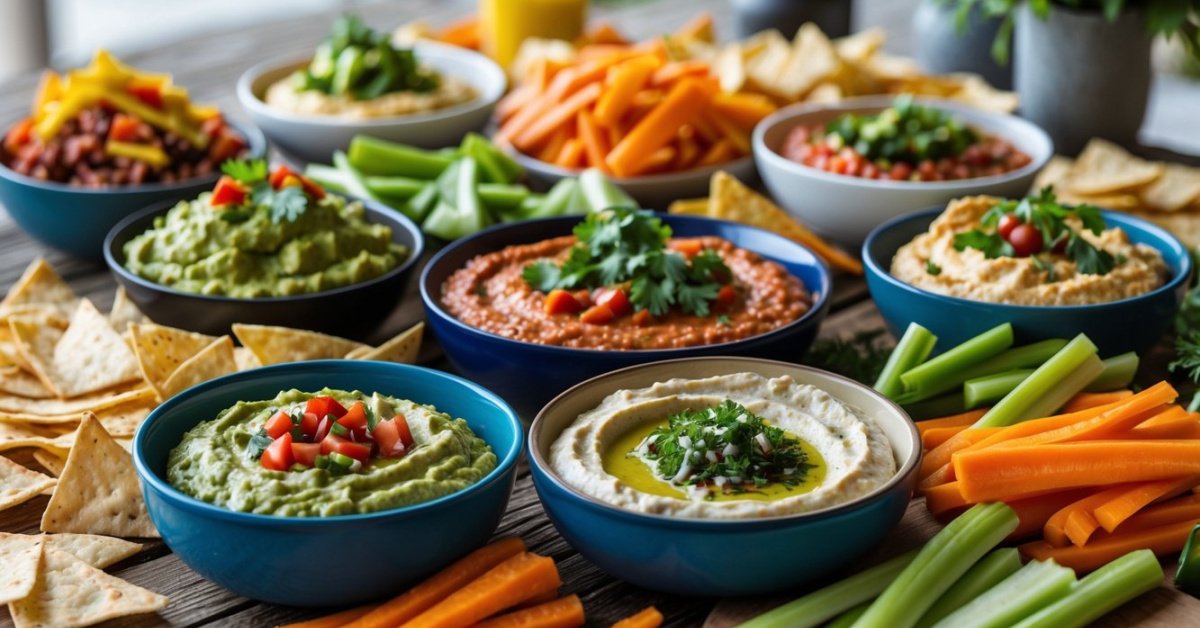
Whenever I whip up a big batch of homemade dip, I always wonder if I can save the leftovers for later. Whether it’s creamy spinach dip or zesty salsa, I hate letting any go to waste. That’s when I started thinking about freezing and thawing dips—could it be the answer to my snack-saving dreams?
If you’ve ever wanted to prep ahead for a party or just save time during busy weeks, you’re not alone. Freezing dips seems like a simple solution, but not every dip survives the freezer the same way. I’ve learned a few tricks and pitfalls along the way, and I’m excited to share what works, what doesn’t, and how to make the most of your favorite dips—all year round.
What Are Freezing and Thawing Dips?
When I talk about freezing and thawing dips, I’m describing the process of putting dips like my homemade bacon-cheddar ranch or fire-roasted corn queso in the freezer to save ’em for later, then bringing those dips back to life when you’re ready to eat. Freezing locks in those flavors so my spicy sausage dip or creamy onion blend stays fresh ‘til I need ‘em for a tailgate or Sunday supper. Thawing’s about easing those dips back up to their best texture and taste, usually in the fridge over a day or two, so the dip scoops smooth and tastes right. Some dips freeze up great—like pimento cheese or white bean hummus—while others, especially those with lots of dairy, might get a little grainy unless I tweak my recipe. That’s how I keep my dips tasting homemade, even after they’ve been stashed away.
Benefits of Freezing Dips
Saving on Waste
Freezing dips lets me use up every last scoop of a batch, so nothing sits in the fridge till it spoils. When I’ve got leftover jalapeño ranch or black-eyed pea salsa from a big game day, freezing keeps those flavors good for months.
Convenience for Entertaining
Having dips prepped and frozen means I always have a quick appetizer on hand, whether for friends dropping by without warning or family game nights. Sauces like smoked onion dip and creamy crab dip get thawed, stirred, and served straight from the freezer, and nobody’s waiting or missing out.
Flavor Preservation
Freezing dips locks in fresh-made tastes and stops the clock on herbs, spices, and bright veggies. My pimento cheese and charred corn salsa come out of the freezer with that same backyard-cookout punch as the day I mixed ‘em up.
Flexible Batch Cooking
Making big batches in advance makes any dip day simpler. If I freeze white bean hummus or roasted red pepper feta in several small containers, I can thaw just what I need for snacks or party trays. It’s easier on the budget and keeps my kitchen running smooth.
Safer Storage
Frozen dips don’t risk growing bacteria the way they might sitting out or in the fridge for too long. Keeping batches in the deep freeze gives me extra peace of mind, especially with recipes containing eggs, dairy, or seafood.
Best Types of Dips for Freezing
I keep a close eye on how different dips take to freezing, since some blends come out smooth and tasty while others just don’t look or taste the same. Picking the right kind of dip makes thawing out leftovers or prepping for a party simple and stress-free.
Dairy-Based Dips
I freeze creamy dips like spinach artichoke, pimento cheese, and baked jalapeño popper dip, as long as I use full-fat dairy. Blends with cream cheese, sour cream, or mayonnaise—like my Alabama white BBQ dip—stay smooth if I mix them well after thawing. Dips heavy on fresh herbs or chopped veggies sometimes pick up extra water, so I press a layer of plastic wrap right onto the surface before freezing. I avoid freezing dips with lots of shredded cheese or low-fat dairy since those turn grainy and separate.
Bean and Vegetable Dips
I almost always freeze dips like black bean salsa, classic hummus, and roasted red pepper spread. Blends featuring beans, chickpeas, or pureed cooked veggies—think sweet potato or butternut squash dip—hold up best with a tight seal and smooth texture. I squeeze out any extra air from bags or containers before freezing to keep flavors fresh. Fresh tomato salsa gets runny, so I stick with cooked veggie dips instead.
Meat and Seafood Dips
I get good results freezing meat and seafood dips such as smoked salmon dip, creamy crab dip, and Cajun chicken dip as long as they’re dairy-based or cream cheese-based. Meaty chili-cheese dips and sausage-cheddar blends freeze best when portioned in small, airtight containers. I steer clear of freezing dips full of bacon or delicate seafood, like shrimp cocktail dip, since they get chewy or rubbery after thawing.
Step-By-Step Guide to Freezing Dips
Here’s how I freeze my favorite dips and keep ‘em tasting like I just whipped ‘em up in my Alabama kitchen.
- Pick the right dip
I always choose sturdy dips — creamy spinach artichoke, pimento cheese made with full-fat mayo, or a classic white bean hummus. Dips with lots of watery veggies or low-fat dairy just don’t hold up.
- Cool dip completely
I let the dip reach room temp before freezing. Trapping heat leads to extra moisture and freezer burn.
- Portion out servings
I use smaller airtight containers or heavy-duty freezer bags for splitting up big batches. Smaller portions thaw quicker, and I’m not left with leftovers.
- Remove extra air
Before sealing, I press plastic wrap directly on the surface of the dip. That plastic wrap keeps ice crystals away from the creamy goodness.
- Seal and label
I close containers tight, then stick on a label with the date and the dip’s name. Folks mix up containers fast in a packed freezer.
- Freeze fast
I pop the dip in the coldest part of the freezer — usually the back wall — for quick freezing. Fast-freezing helps the texture hold up better.
- Keep track of time
Most dips stay fresh in the freezer for 2 to 3 months. After that, even my best recipes lose their zing.
Here’s a quick table I put together over the years in the dip business, showing the best ways to prep and store common dips for freezing:
| Dip Type | Portion Size | Prep Tip | Max Freeze Time |
|---|---|---|---|
| Spinach Artichoke | 1 cup | Use full-fat dairy, cover surface | 3 months |
| Pimento Cheese | 1/2 cup | Use block cheese, press wrap | 2 months |
| Bean-Based (e.g., Hummus) | 1 cup | Drizzle olive oil on top | 3 months |
| Salsa Verde | 1/2 cup | Strain excess liquid, double wrap | 2 months |
By freezing dips this way, I save time for parties, keep flavors bright, and make sure every last scoop counts, just how we did it back in my Southern dip shop.
Thawing Dips: Tips and Best Practices
Bringing a frozen dip back to its best ain’t hard when you know the tricks. I’ve put these methods to work in my old Alabama dip shop and at home, so every spoonful keeps its flavor and texture.
Thaw Slow for Creamy Dips
Smooth and creamy dips like spinach artichoke or pimento cheese thaw best in the fridge. I set the sealed container on a plate in the refrigerator 8–24 hours before serving, making sure it stays cold all the way through. Quick-thawing creamy dips on the counter makes ‘em separate or get watery, so I skip that.
Stir and Check for Texture
Every time I thaw dips, I give them a good stir once they’re soft. Bean dips like hummus and creamy bases may look separated at first, but stirring brings them right back together. If the dip looks grainy, a spoonful of sour cream or mayo can smooth it out. I check the flavor too and add a pinch of salt or pepper if the taste needs a little spark.
Use Low Heat for Thick Dips
Hot dips—think cheesy crab or black bean—need gentle heat to get piping hot. I move the thawed dip to an oven-safe dish, cover with foil, then warm it in a 300°F oven about 20 minutes. Stir halfway through so the heat spreads evenly. Microwaving works for small portions, but I heat in 30-second bursts, stirring each time.
Drain Extra Liquid
Some veggie-packed or salsa-style dips shed water after thawing. I pour off any liquid from the top before I stir, keeping the dip from turning soupy. If a dip’s extra thin, a spoonful of Greek yogurt or cream cheese thickens it back up.
Serve Fresh and Don’t Refreeze
Once thawed, I use up the dip in 2–3 days and never refreeze it. Texture and taste drop off real fast with a second freeze-thaw, so I plan ahead and just thaw what I’ll eat.
Table: Thawing Methods by Dip Type
| Dip Type | Thawing Method | Key Tip |
|---|---|---|
| Creamy (ex: pimento cheese, spinach) | Refrigerator overnight | Stir well after thawing |
| Bean/Veggie (ex: hummus, black bean salsa) | Refrigerator 12–24 hrs | Drain liquid, stir to blend |
| Cheesy/Hot (ex: crab dip) | Oven at 300°F | Cover and heat gently |
| Salsa-Based | Refrigerator 8–12 hrs | Drain water, freshen with lime |
Getting a dip from frozen to party-ready takes a little care, but the taste is just as lively as the day I made it.
Common Mistakes to Avoid
Skipping the Cooldown
Rushing the cooling step leads to condensation, which makes dips watery after freezing. I always let hot dips like queso or sausage cheese dip reach room temperature before I even think about packing ’em up for the freezer.
Using the Wrong Containers
Packing dips in thin plastic bags or old margarine tubs lets air sneak in, which dries ‘em out and messes with the flavor. I stick to heavy-duty freezer containers or zip-top bags, pressing air out tight. Containers labeled “freezer-safe” work best for creamy spinach artichoke or black bean dips.
Freezing the Wrong Kinds of Dips
Tossing low-fat dairy dips or shredded cheese-heavy recipes like some store-bought ranch into the freezer gives you a grainy, separated mess. I stick to bean dips, veggie blends, and full-fat dairies—homemade pimento cheese does great, but a yogurt-based dip doesn’t hold up.
Not Portioning Before Freezing
Forgetting to split homemade dips into single-serving portions means thawing out more than you need, wasting perfectly good food. I portion cheesy bacon dip and zesty hummus into small containers so I can pull out just enough for one football game or snack.
Ignoring Labels and Dates
Trusting memory alone leads to mystery containers and wasted dips months later. I always jot down the dip name and freeze date on every batch—blue painter’s tape works fine on any container.
Thawing Too Fast
Cranking up the microwave or letting dips sit on the counter unevenly re-heats and wrecks the texture—especially for dairy dips. I only thaw dips slow in the fridge, leaving enough time for them to come back to life proper.
Refreezing Thawed Dips
Refreezing already-thawed dips breaks down texture and risks food safety, especially if the dip sat out for a while. Once I thaw a container of my dill pickle dip or spicy black-eyed pea spread, I always finish it off fresh.
Conclusion
Freezing and thawing dips has truly changed how I prep for gatherings and handle leftovers. I love knowing that I can enjoy my favorite flavors anytime without the stress of last-minute cooking or wasted ingredients.
With a little planning and the right techniques it’s easy to keep dips tasting fresh and delicious. Whether you’re stocking up for a party or just want to make the most of your homemade creations freezing dips is a game-changer that brings both convenience and peace of mind to your kitchen.