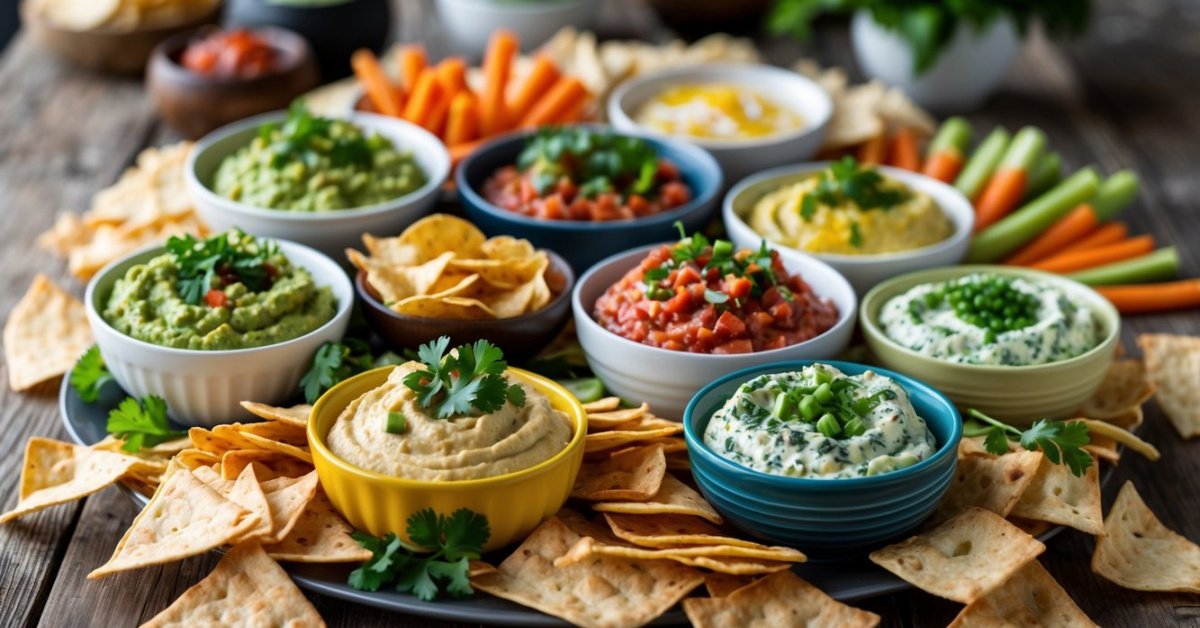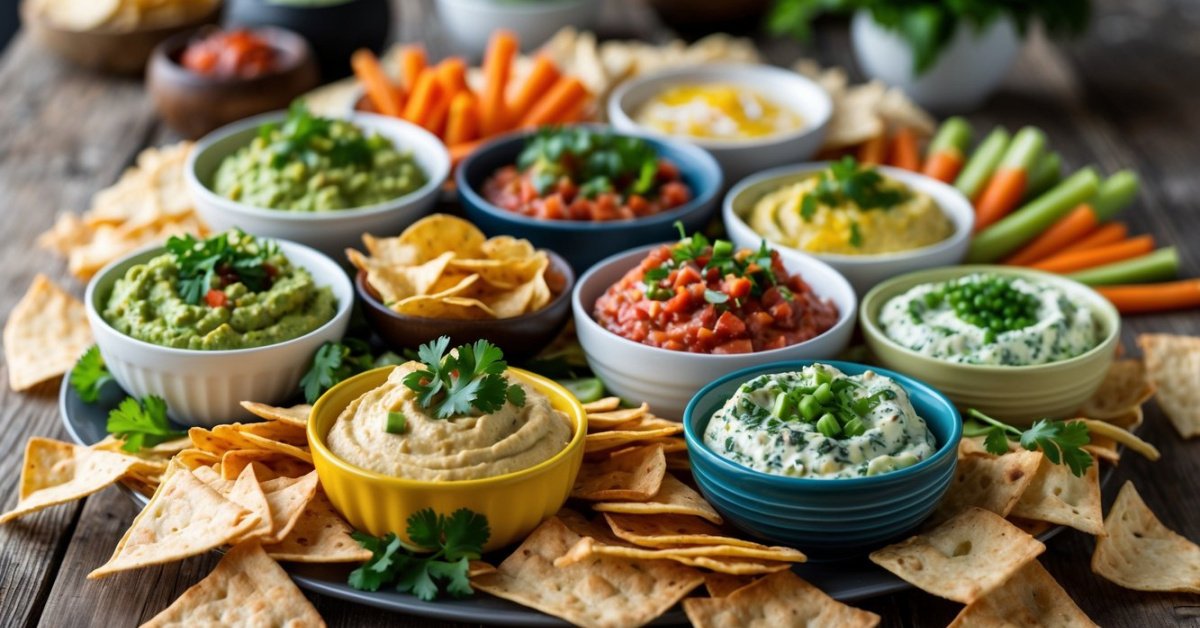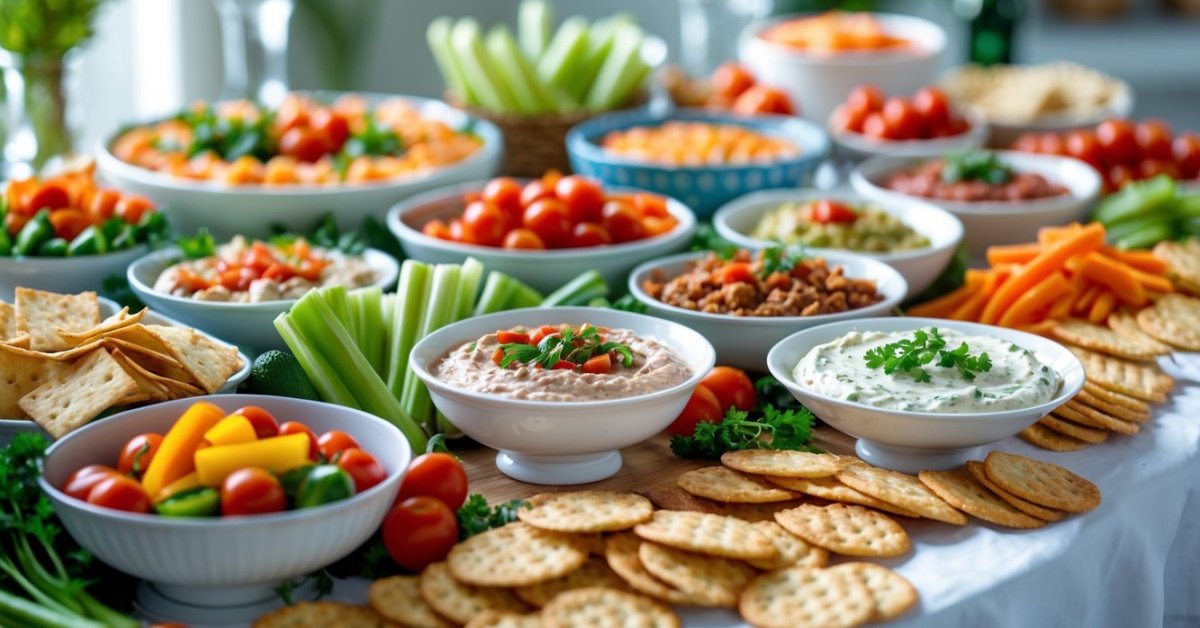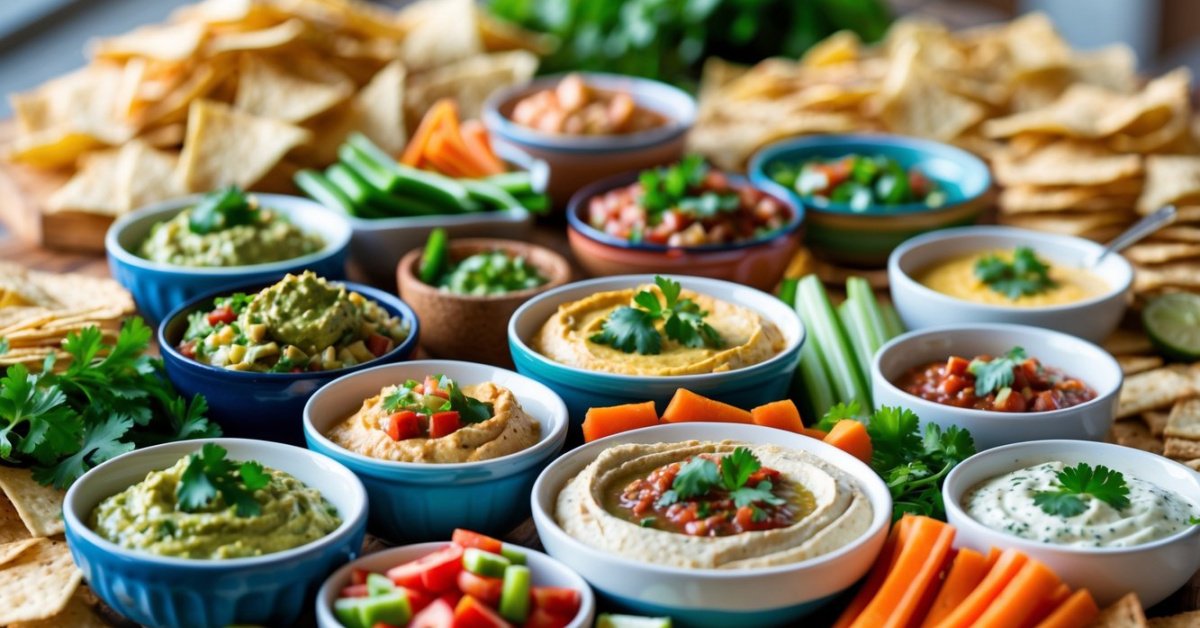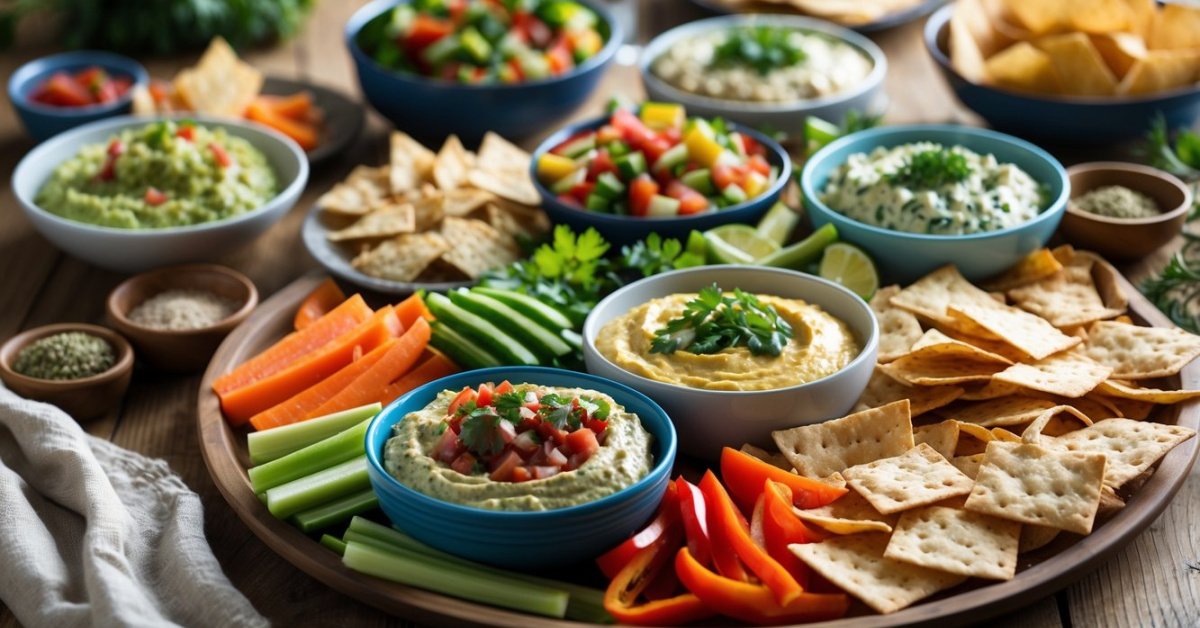
When I’m craving a snack that’s both tasty and good for me I always reach for a colorful platter of veggies and a homemade dip. There’s just something about that satisfying crunch paired with a creamy spread that makes healthy eating feel like a treat instead of a chore.
The best part is there’s no shortage of vegetables that work perfectly for dipping. From crisp classics to unexpected favorites I love how easy it is to mix things up and keep snack time exciting. Whether I’m hosting friends or just looking for a quick bite these veggie choices never let me down.
Why Choose Vegetables for Healthy Dips
I always reach for vegetables when I’m mixing up a fresh batch of dip. Vegetables like carrots, bell peppers, and cucumbers pack a good crunch and hold up strong with thick dips. They let me keep things lighter, compared to chips or crackers, since most veggies come with fewer calories and more fiber per serving, like 2 grams of fiber in just 10 baby carrots (USDA).
I notice my dips taste brighter when I use raw vegetables. Those snap peas, radishes, and cherry tomatoes add different flavors and colors, making a dip tray stand out at any party. I like knowing folks can fill up on vitamins A and C—like you’ll get in sliced red bell pepper—while still enjoying every bite.
I don’t mess with processed snacks when I’ve got fresh produce on hand. Veggies let me offer gluten-free, low-carb, and dairy-free options, depending on what my friends like. When I set out a tray, I see everyone digging in and trying things they maybe wouldn’t eat by themselves, just because there’s a good dip to go with ‘em.
Criteria for Selecting the Best Vegetables
When I’m picking vegetables for dipping, I look for a few things that’ll make the whole platter downright irresistible. Good veggies can turn a plain dip into one folks can’t stop talking about.
Nutritional Value
I always check for veggies that pack plenty of vitamins, minerals, and fiber. Carrots and bell peppers, for example, bring vitamin A and C to the table, while broccoli and cauliflower offer fiber and a dose of antioxidants. Green beans, snap peas, and celery help keep things low-calorie and filling without losing nutrition.
Texture and Flavor
Crunch gives a dip that perfect bite, so I stick with vegetables that stay crisp even after a dunk. Sliced radishes, cucumber rounds, and jicama sticks snap real nice. Sweet bell peppers, earthy carrots, and spicy daikon add different flavors that come alive beside a creamy ranch or a thick hummus. Mixing textures like tender asparagus tips and crunchy snap peas keeps every dipper happy.
Ease of Preparation
Preparation’s got to be simple, especially if I’m feeding a crowd. I favor veggies I can wash, slice, and serve with little fuss. Prepping celery sticks, cherry tomatoes, and cucumber spears doesn’t take much time, and they handle dips well. When I want to add something extra, I might blanch broccoli or cauliflower florets quick to mellow the bite, but most days, I keep it easy with raw, sturdy picks that stay fresh on the platter.
Top Vegetables for Healthy Dips
I always keep my veggie platter packed with these favorites. These picks bring out the best in a creamy or tangy homemade dip.
Carrot Sticks
Carrot sticks hold up great in thicker dips and deliver a real crunch. I grab a few big carrots, peel ’em, then slice them into sturdy sticks—no fuss. That bright orange color pops next to a bowl of homemade ranch or hummus. Loaded with beta-carotene and sweet flavor, they’re a classic at any get-together.
Celery
Celery’s my go-to for scooping up chunkier dips, like a spicy pimento cheese or black bean dip. Those deep grooves pack in flavor and a little bit of dip with every bite. Crisp celery gives a salty snap that stays refreshing, even after sitting out on a snack table for a while.
Bell Peppers
Bell peppers, especially red and yellow ones, bring sweet crunch and a whole lot of color. I slice them into thick strips so they’ll hold firm in yogurt or salsa dips. They’re rich in vitamin C and taste just as good raw as they do grilled.
Cucumber Slices
Cucumber slices keep things light and cool, perfect for tzatziki or dill dips. I slice cucumbers diagonally, making bigger pieces for more dip action. With their clean flavor and juicy bite, cucumber slices let bold, creamy dips shine.
Cherry Tomatoes
Cherry tomatoes burst with juice and pretty up any platter. I skewer ’em on toothpicks or pile them in the middle. These little tomatoes pair well with cheese-based dips or basil pesto. Just poke a tiny hole with a toothpick first, so folks don’t end up wearing tomato juice.
Creative Vegetable Pairings for Popular Dips
I’ve spent years matching veggies with dips down South, and the right combo makes all the difference. Folks always ask me what to serve up with their favorite spreads, so here’s how I put together vegetables for the classics.
Hummus
Carrot sticks, sweet mini peppers, and snap peas hit just right with hummus. I always reach for those because they bring out the nutty flavor in the chickpeas. Sliced radishes, crunchy and a bit peppery, surprise a lot of guests when they dip ‘em—especially if that hummus has a little heat.
Guacamole
I love dipping jicama sticks, grape tomatoes, and blanched asparagus in guac. The crispness of jicama gives guacamole a fresh bite, and those tomatoes pop with every scoop. Folks enjoy bell pepper strips for that sweet snap, especially the red and yellow ones—makes the platter look sharp and keeps folks reaching for more.
Greek Yogurt-Based Dips
Cucumber rounds, blanched broccoli florets, and endive leaves go best with Greek yogurt dips if you want some Southern freshness. The yogurt’s tang cools off broccoli’s earthy flavor, and cucumbers make each bite refreshing. I also grab celery sticks—they hold chunky yogurt dips with herbs without getting soggy—a little trick from my dip company days.
Tips for Serving and Presentation
Keep vegetable dips fresh and appealing by chilling the platter until it’s time to serve. I’ve found that icy-cold carrot sticks, bell pepper strips, and cucumber rounds hold their crunch longer and keep folks coming back for seconds.
Lay out vegetables in wide strips or tight bundles based on the size of your serving tray for a tidy look. I like to group colors—orange carrots, bright red peppers, and green celery—for a bold, welcoming display at any party or tailgate. If I’m serving dip for family night, I’ll arrange veggies loose in a big colander lined with a kitchen towel so they stay crisp and easy for little hands to grab.
Choose the right serving bowls or ramekins for dips to match the occasion. I reach for rustic wooden bowls for backyard cookouts and glass for holiday spreads. Place the bowl smack in the center or set several small bowls of dip between veg clusters if there’s a crowd—this keeps things moving and nobody waits for a turn.
Switch up the cut of each vegetable for more texture on the platter. Slice cucumbers into thick rounds or give celery a diagonal cut for those thick hummus and Greek yogurt dips. Toss in grape tomatoes or snap peas for extra pops of color—they make the spread look fancier without much work.
Add touches like a sprinkle of fresh chopped herbs over the dip or a squeeze of lemon right before serving. I’ve seen folks light up when they spot dill on top of tzatziki or a dusting of smoked paprika on homemade hummus. These little touches make the whole platter taste and look like something special from a folksy Alabama kitchen.
Conclusion
Healthy dips and fresh vegetables have transformed the way I snack and entertain. With so many options to choose from it’s easy to keep things interesting and delicious every time.
Whether I’m making a quick solo snack or prepping a platter for friends I love how simple touches and the right veggie pairings can make healthy eating feel like a treat. There’s always room to get creative and try something new—one crunchy bite at a time.