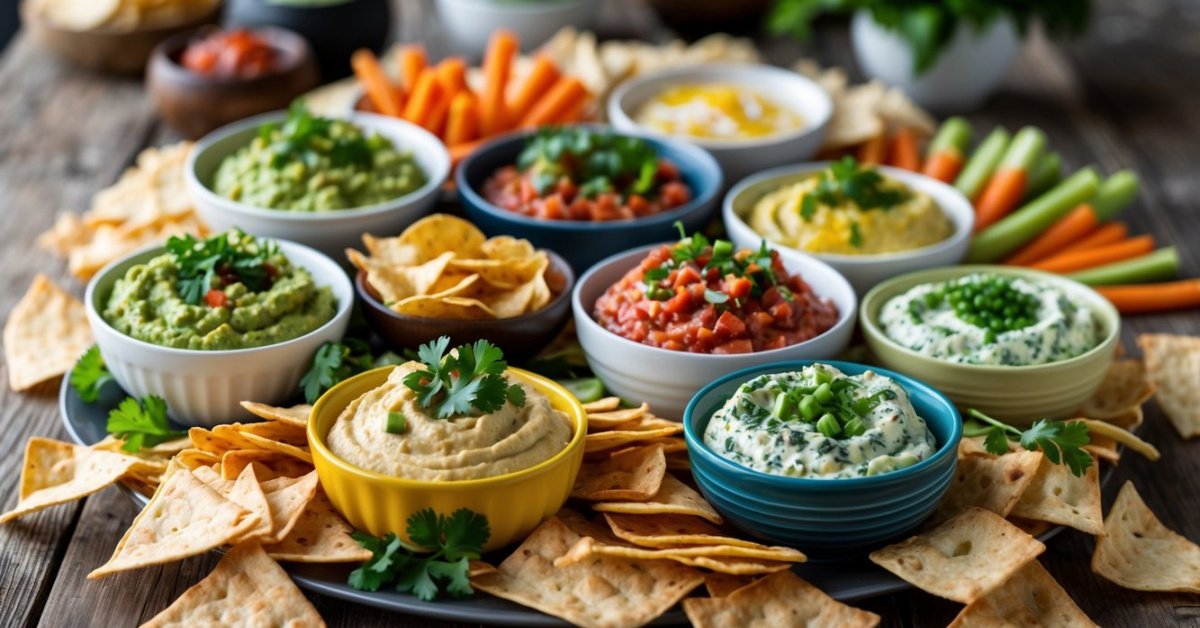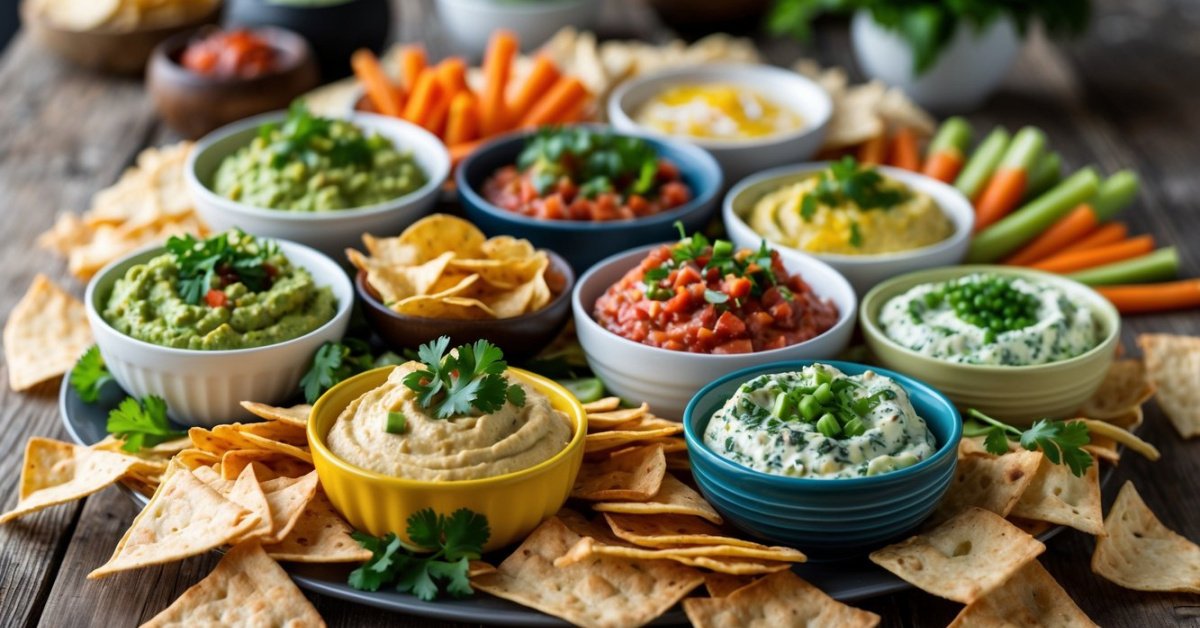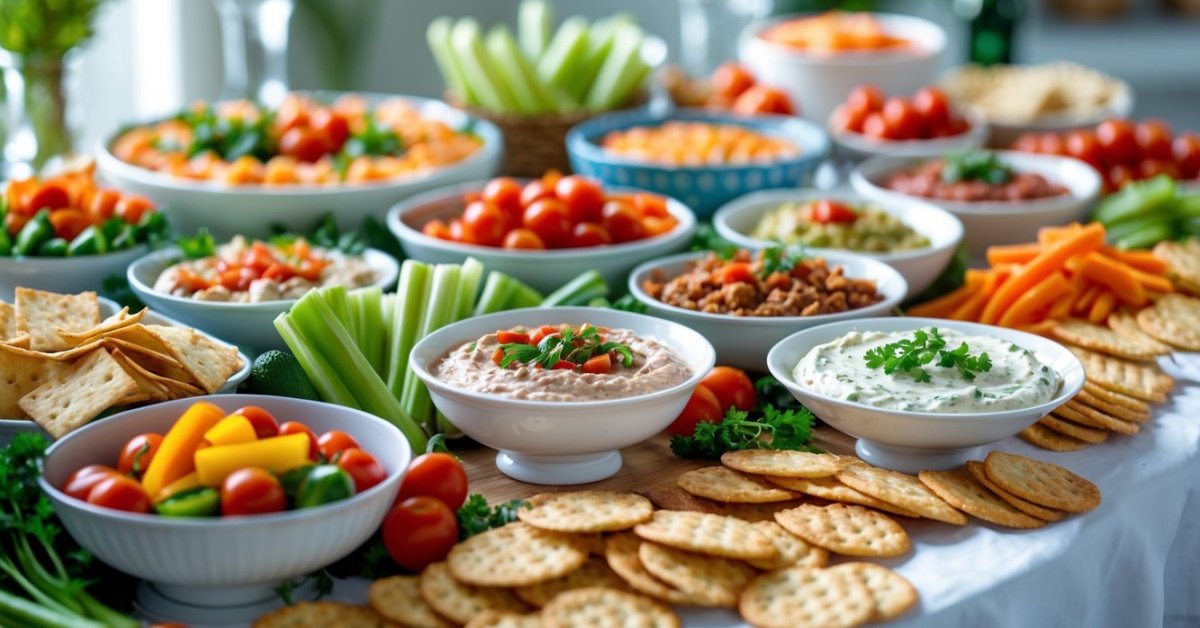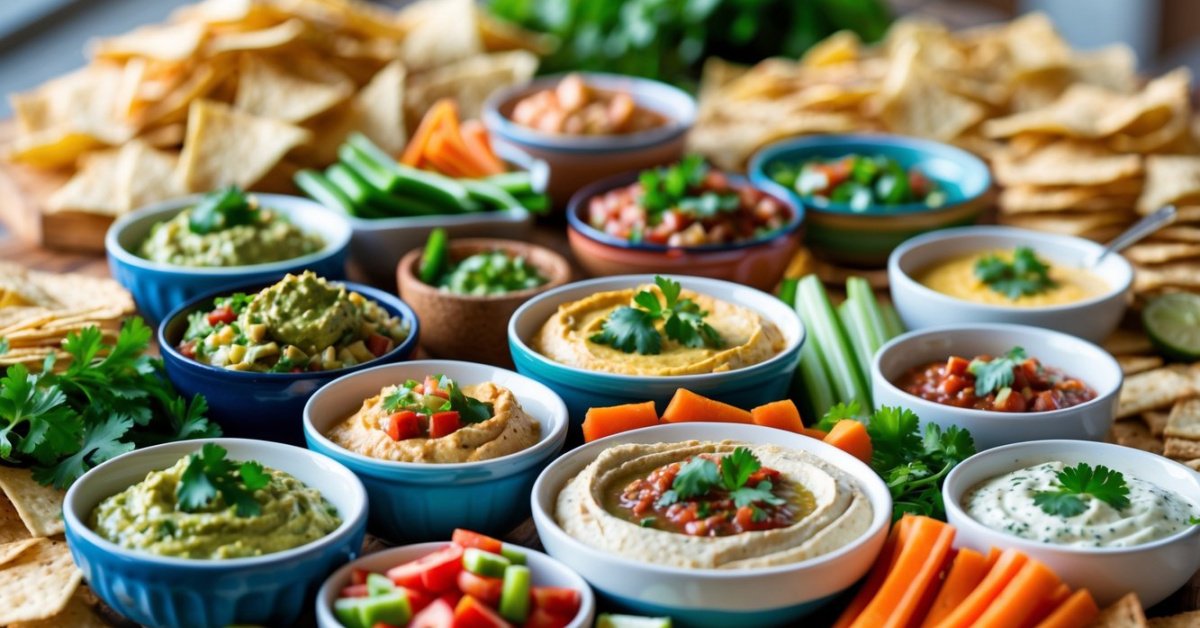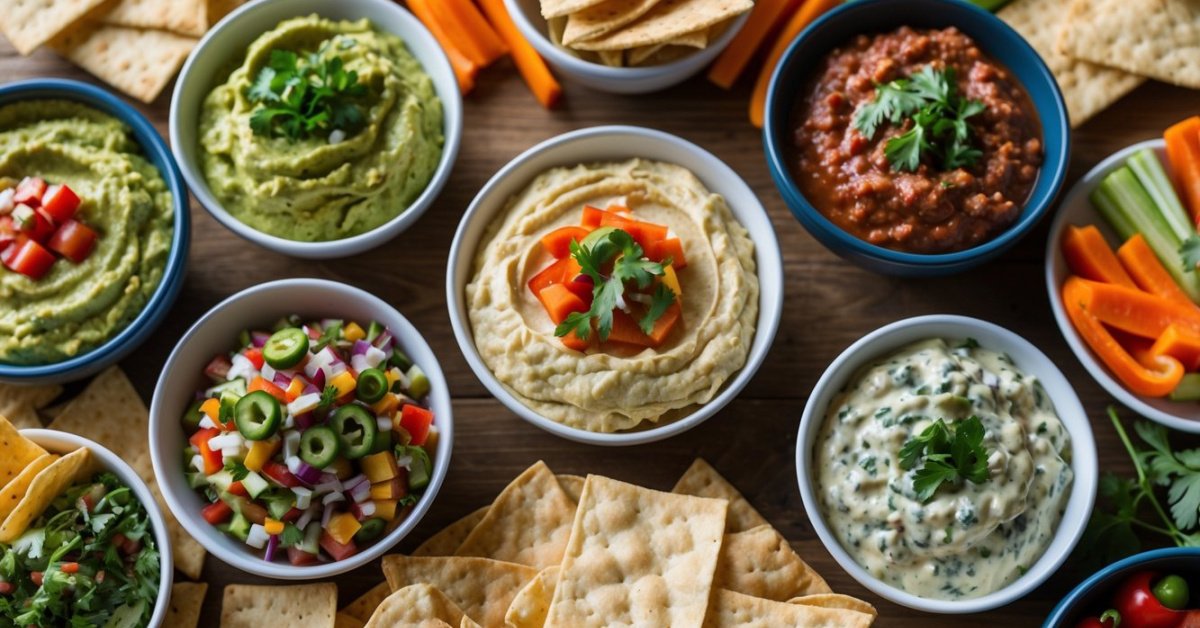
When I want to whip up a quick snack or impress guests with something homemade I always reach for my food processor. There’s just something so satisfying about tossing in a few simple ingredients and ending up with a creamy flavorful dip in minutes. Whether I’m craving classic hummus or a bold new salsa my food processor never lets me down.
I’ve learned a few tricks along the way that make the process even easier and the results even tastier. If you love dips as much as I do you’ll want to make the most of this handy kitchen tool. Let’s dive into some of my favorite tips for creating the smoothest most delicious dips right at home.
Why Use a Food Processor for Dips
Nobody wants to stand there forever chopping and mashing—my food processor takes care of that. Every batch of dip I make, from creamy pimento cheese to chunky black-eyed pea salsa, comes out smooth or just chunky enough, depending on what I’m after. That saves me a ton of time, and it keeps my hands from wearing out mixing big batches like I used to for my company down in Alabama.
Textures matter in a good dip. My food processor breaks up chickpeas for hummus, whips cream cheese for my Southern-style spreads, and purees roasted veggies for smoky eggplant dip, all in the same bowl. Nothing else handles both thick and thin blends with the same power. I just toss in the ingredients and let the machine do the work while I set out chips or slice fresh bread.
Consistency in taste and texture keeps every bowl of dip tasting just like the last—doesn’t matter if I’m tossing together a single bowl for a backyard fish fry or making ten tubs for a catering gig. Folks notice that. I like being able to repeat my results, batch after batch, especially when I’m sharing recipes or teaching someone how to make their own at home.
Cleanup stays easy. One bowl, one blade, and I’m done. I make everything from garlicky white bean dip to sweet dessert dips in that same processor, and it all comes together way faster than wrestling a mortar or hand mixer.
When I say my food processor’s my right hand in the kitchen, I mean it. It helps me whip up fresh, bold dip recipes that keep folks coming back for seconds, and that’s just the way I like it.
Essential Food Processor Features for Making Dips
Blade sharpness and strength make a big difference when I’m whipping up batches of creamy pimento cheese or chunky black bean salsa. Strong stainless steel blades take on thick cream cheese blocks, roasted veggies, or nuts with no trouble. Sharpness counts for smooth hummus or a fine mince in salsa; dull blades leave chunks nobody wants.
Bowl capacity matters too. I reach for a 10-cup bowl or bigger for party-sized portions or catering jobs, but a 7-cup works for smaller batches like a quick batch of spinach dip. Smaller bowls don’t hold up to doubling recipes for tailgates or family reunions around here.
Feed tube size helps when I’m feeding bigger vegetable chunks or cheese. A wide tube lets me drop in whole peppers or wedges of onion fast, so prep’s done in a flash. I use a pusher for smaller herbs or garlic.
Pulse control gives me the texture I’m after. When I want smooth roasted red pepper dip, I let the processor run. If I’m churning out chunky cowboy caviar, I use quick pulses. That little switch keeps everything from salsa to spreads right where I want it—never overworked, never mushy.
Easy cleaning keeps me coming back to the same food processor day after day. Dishwasher-safe bowls, blades, and lids save me time after big batches. Sealed bowls keep leaks out of the base, so I spend less time wiping the counter and more time sharing dips.
A heavy base keeps everything steady when I’m mixing thick or sticky batters, like baked cheese dips. That stability keeps blades moving and the food processor from walking off the counter.
I look for strong motors, at least 600 watts, whenever I know I’ll be tackling tough ingredients—like making almond butter to serve alongside fruit dip platters. More power’s never let me down when I need a reliable swirl and quick finish.
Here’s a table that covers the must-have features for making dips in a food processor:
| Feature | Context for Dips | Recipe Examples |
|---|---|---|
| Sharp Stainless Blades | Fine purees and even chopping | Hummus, salsa |
| 7–10 Cup Bowl | Batch size for parties or families | Party dip assortment |
| Wide Feed Tube | Fast ingredient prep, chunk options | Veggie dips, salsas |
| Pulse Control | Texture control—chunky or smooth | Cowboy caviar, spreads |
| Dishwasher-Safe Parts | Fast cleanup | Any dip recipe |
| Sealed Bowl | Prevents leaks with wet mixes | Bean dips, sauces |
| Heavy Base | Stability with thick mixtures | Cheese dips, nut butters |
| Motor Power (600+W) | Handles tough nuts or fibers | Almond butter, pestos |
Using the right features makes dip-making simple, whether I’m fixing just enough smoked onion dip for myself or mixing big batches for a festival crowd.
Preparing Ingredients for the Perfect Dip
I always say, starting with the right prep sets up any dip for greatness. The food processor does the muscle work, but every ingredient still deserves a little attention before hitting those blades.
Chopping and Prepping Vegetables
I chop vegetables like bell peppers, onions, and cucumbers into even chunks, each about an inch across. Even cuts keep everything blending smooth and quick in the processor. I rinse and peel carrots or celery, then cut them small so nothing jams up the motor. If I use tomatoes for salsa, I quarter ’em and scoop out the seeds for a thicker final dip. I always remove seeds and membranes from jalapeños for a milder kick, since Alabama folks like a little heat, not a firestorm.
Handling Herbs and Aromatics
I wash and dry fresh herbs like cilantro or parsley, then chop off the thick stems—only tender leaves make it into my dips. For garlic and shallots, I peel and trim the rough ends before tossing them in. That way, the processor breaks everything down even, no random chunks in my classic southern dips. If I use green onions or chives, I slice them rough so the blades grab every bit. I layer aromatics on top of the other veggies—I’ve learned that brings out the flavor better when the blades first spin.
Food Processor Tips for Dips
I’ve been making dips with a food processor for decades, and there’s a reason I stick with it—it’s the best tool for creamy, crowd-pleasing results. Here’s how I get every batch just right, whether it’s for a summer barbecue or a big batch in the test kitchen.
Achieving the Ideal Texture
I get the best texture by pulsing in short bursts, not running the motor nonstop. This lets me control how smooth or chunky my dip turns out. For example, I pulse eight to ten times for chunky salsa, but I’ll let the processor run a little longer for silky hummus. I scrape the bowl halfway through with a spatula, making sure no stubborn bits hide under the blades.
Managing Liquids and Oils
I add liquids slow and steady. For dips like baba ganoush or pimento cheese, I drizzle in olive oil or lemon juice through the feed tube while the machine’s running. This helps everything emulsify and keeps the dip from turning greasy or runny. If I see the mix getting too thick, I’ll add a tablespoon of water or broth at a time ‘til I hit the perfect scoopable consistency.
Avoiding Overprocessing
I stop and check texture often. Once I see everything’s just blended, I don’t keep going, ‘cause overprocessing can turn chickpeas gluey or herbs dull in color. I give things a few extra pulses if I see big chunks, but I always watch close. Overprocessing muddies up the flavors, so I keep it quick and steady for fresher tasting dips every time.
Creative Dip Recipes to Try
Folks always ask me for my favorite dips, so let me share a few classics I whip up with my trusty food processor. Each one brings out bold flavors, keeps textures just right, and gets folks crowding the snack table fast.
Classic Hummus
Classic hummus turns out smooth if I use canned chickpeas and run ’em through the food processor with tahini, fresh lemon juice, garlic, and a drizzle of olive oil. I toss in a pinch of cumin or smoked paprika for an Alabama twist. Scraping down the sides two or three times keeps everything creamy. I serve this one with warm pita or sliced cucumber.
Creamy Guacamole
Creamy guacamole mixes ripe avocados, fresh lime juice, chopped jalapeño, red onion, cilantro, and a shake of salt. I pulse it a few times for a dip that’s creamy with some small avocado bites, never paste-like. Folks around here dunk tortilla chips or crunchy radishes in it, and nobody talks when the bowl’s going around.
Smooth Salsa Verde
Smooth salsa verde comes together fast if I toss tomatillos, white onion, jalapeños, cilantro, and garlic in the processor. I run it until it’s just the right texture—pourable, not soupy. I sometimes blend in roasted poblano for extra depth. A little lime juice seals the deal, and this one goes over tacos or doubles as a dip for salty chips.
Cleaning and Maintaining Your Food Processor After Making Dips
Keeping my food processor running smooth means cleaning it right after every dip session. I always unplug the machine first, just like I used to tell my team down at my old dip company. First thing, I take out the bowl, blades, and lid. I rinse off any big chunks of dip—think chunky guacamole or thick hummus—under warm water. Those tight spots around the blade hub get bits of onion or chickpea stuck in there if you let ‘em dry out.
Next, I use a little bit of mild dish soap with hot water to clean the bowl, blades, and lid. Soft sponges work best since I don’t want to scratch up the plastic. If you spot stubborn stuck-on dip, soak ’em ten minutes or so. I give the blade special attention. My old blade sharpening guy in Mobile taught me blades stay sharp longer if you wash and dry ’em right away instead of letting them sit damp in the sink. After rinsing, I dry everything with a towel, then let the parts air out before stacking them away.
When it comes to the base, I take a damp rag and wipe down any lil’ splatters or dribbles—salsa has a way of finding its way into crevices. I never dunk the base in water or forget about the motor vents, ‘cause that’ll lead to trouble. If I ever smell something funky, a baking soda paste on the bowl or lid works wonders.
For quick reference, here’s my routine in a table:
| Step | Details |
|---|---|
| Rinse Parts | Remove dip bits under warm running water |
| Wash Bowl, Lid, Blades | Use mild soap, soft sponge, hot water |
| Soak if Needed | 10-minute soak for dried-on dips |
| Blade Care | Wash and dry immediately, never let sit in sink |
| Wipe Base | Dampen cloth, never submerge |
| Odor Removal | Baking soda paste for bowl or lid if needed |
Cleaning up right keeps my food processor ready for the next new dip, whether that’s classic pimento cheese or a summer squash salsa. Maintaining these parts might not be as fun as tasting new recipes, but it keeps every batch just as good as the first.
Conclusion
I love how a food processor can turn simple ingredients into impressive dips with hardly any effort. Once you get comfortable with the right prep and a few handy techniques you’ll find endless ways to experiment and wow your friends with fresh flavors.
With a little creativity and some care for your machine you’ll always be ready for last-minute gatherings or cozy nights in. So grab your favorite veggies and herbs and let your food processor do the heavy lifting—your next dip masterpiece is just a pulse away.