Whenever I’m hosting a big gathering I always worry if I’ve made enough dip. There’s nothing worse than running out just as the party gets going or ending up with way too much and a fridge full of leftovers. Figuring out how to scale dip recipes for a crowd can feel like a guessing game.
Understanding Serving Sizes for Dips
Folks ask me all the time how much dip to plan when a crowd’s coming over. Getting those numbers right makes the difference between happy guests and a table full of scraps nobody touches.
Estimating Portions per Person
Most folks eat about ¼ to ⅓ cup of dip each, but if I’m serving a thick ranch or a meaty queso, I shoot closer to that ⅓ cup mark. For groups with hearty appetites (high school teams, tailgaters), I add an extra scoop per head. When I ran my dip company, our standard batch for 20 people was about 2 quarts of dip, counting on a little more for the real crowd-pleasers like buffalo chicken dip or smoked pimento cheese.
| Crowd Size | Light Dip (¼ cup/person) | Generous Dip (⅓ cup/person) |
|---|---|---|
| 10 | 2.5 cups | 3.5 cups |
| 25 | 6.25 cups | 8.25 cups |
| 50 | 12.5 cups | 16.5 cups |
Considering Different Event Types
Serving sizes change depending on the kind of shindig I’m hosting. For a potluck or appetizer party, dips run out faster since folks scoop a little of everything. If dips are the main show, like at Super Bowl gatherings, I double my portions and bring backup batches just in case. At sit-down dinners, though, guests nibble less so I make smaller bowls— one good-sized cup for every four folks at the table usually does the trick. Bigger social mixers or kid parties push those numbers up, especially with popular flavors like bacon-jalapeño or classic French onion.
Adjusting Ingredients for Larger Batches
I always say, scaling up a dip for a big crowd ain’t just about multiplying everything in the bowl. You’ve gotta think about how every spoonful tastes when you serve a heap of folks, not just a few.
Multiplying Recipe Quantities
I start by multiplying each ingredient by the number I need, but I watch close for things with big flavors or salt. For example, doubling or tripling a creamy ranch dip for 30 guests means taking 1 cup of mayo in the original recipe up to 3 cups, but I don’t always triple the salt or spice right away. I mix up most of the batch, taste, and then add more if it needs it. Stuff like garlic, onions, or hot sauce packs even more punch in big batches, so I go slow with them. If a recipe calls for 2 cloves of garlic, I’ll start with 4 for a doubled batch, taste, and only go all the way up to 8 if it’s not too strong.
Balancing Flavors at Scale
I pay special attention to salt, acid, and spice when making dips for a crowd. As a batch gets bigger, those flavors can easily take over. I keep out about 10% of the salt, lemon juice, or vinegar from the scaled-up total. Instead, after everything’s mixed and chilled a bit, I taste and stir in more if it needs balance. This helps the dip come out just right every time. For dairy-based dips—think queso or French onion—acidity softens up as the batch grows, so I add lemon juice or vinegar slow and steady, a teaspoon at a time. This kinda care makes sure nobody leaves my table feeling like the dip’s too salty or sour, no matter the crowd size.
Tips for Preparing Dips Ahead of Time
I always recommend getting dips done early—makes hosting feel a whole lot easier, especially for a crowd. Prepping dips ahead not only saves time but lets those flavors really come together before folks show up.
Storage and Food Safety
I keep every batch cold. Store dairy-based dips, like sour cream or cheese dips, in shallow airtight containers in the fridge at or below 40°F. I set a timer for two hours max at room temperature, even during parties, because anything longer isn’t safe. Reseal containers tight after every use to lock out air and stop cross-contamination. Freeze thicker dips—think pimento cheese or classic spinach dip—for up to two months, as long as I’m using full-fat dairy for best texture when thawed. I label everything with the prep date.
Maintaining Freshness and Texture
I mix creamy dips a day before serving for peak flavor, letting them chill covered overnight; they’re always better the next day. I hold off on adding watery toppings, like salsa or tomatoes, till just before serving so things don’t get soupy. I stir chunky dips before serving, especially bean or corn dips, to distribute any liquid that settles. If the dip thickens in the fridge, I lighten it up with a splash of milk or a squeeze of lemon juice, mixing just enough to restore that creamy scoop-factor.
Presentation and Serving Ideas for Crowds
Dips just hit different when they’re laid out right for a crowd. I’ve learned that, whether I’m hosting a tailgate or a backyard shindig, the key’s in how you serve and show off those big-batch dips.
Choosing the Right Serving Containers
Sturdy bowls and wide-mouthed trays work best for big gatherings with thick dips like queso, pimento cheese, or buffalo chicken. I always reach for clear glass or white ceramic bowls when I want folks to see the dip’s color and texture—makes it pop on the table. For layered dips—think seven-layer or taco dip—I use shallow casserole dishes, which keep each layer visible and easy to scoop. Slow cookers come in handy for hot dips at tailgates or indoor parties since they keep everything melty. If I’m outdoors, metal tubs on ice’ve kept my ranch-yogurt mixes and blue cheese dips cold for hours in the Alabama sun.
Creating Attractive Dip Spreads
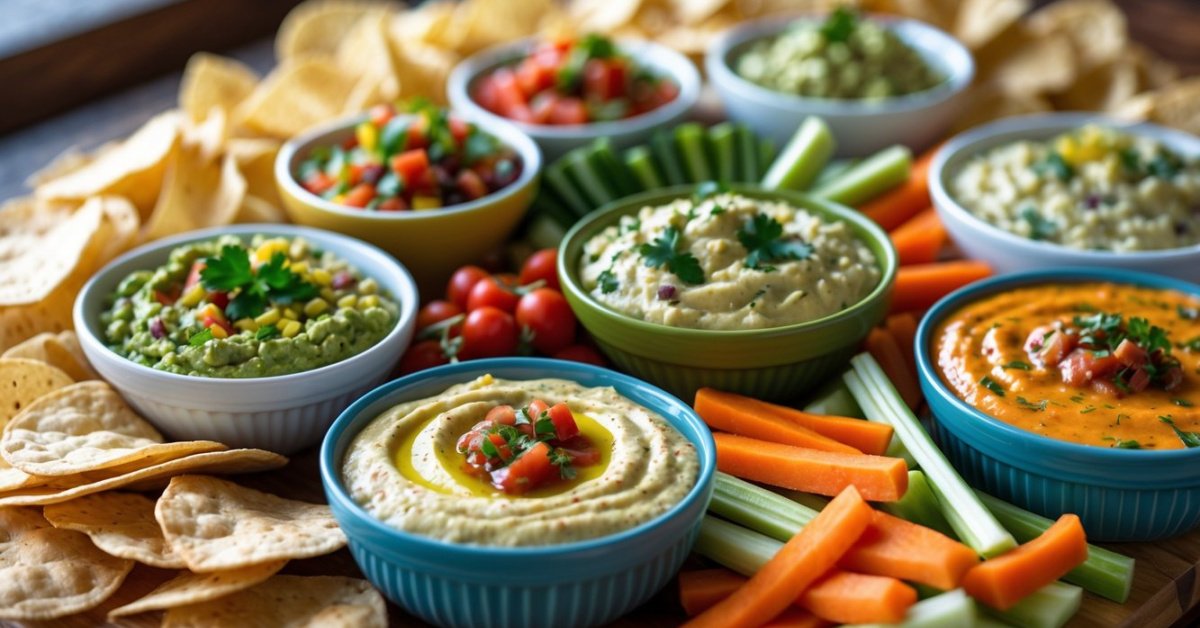
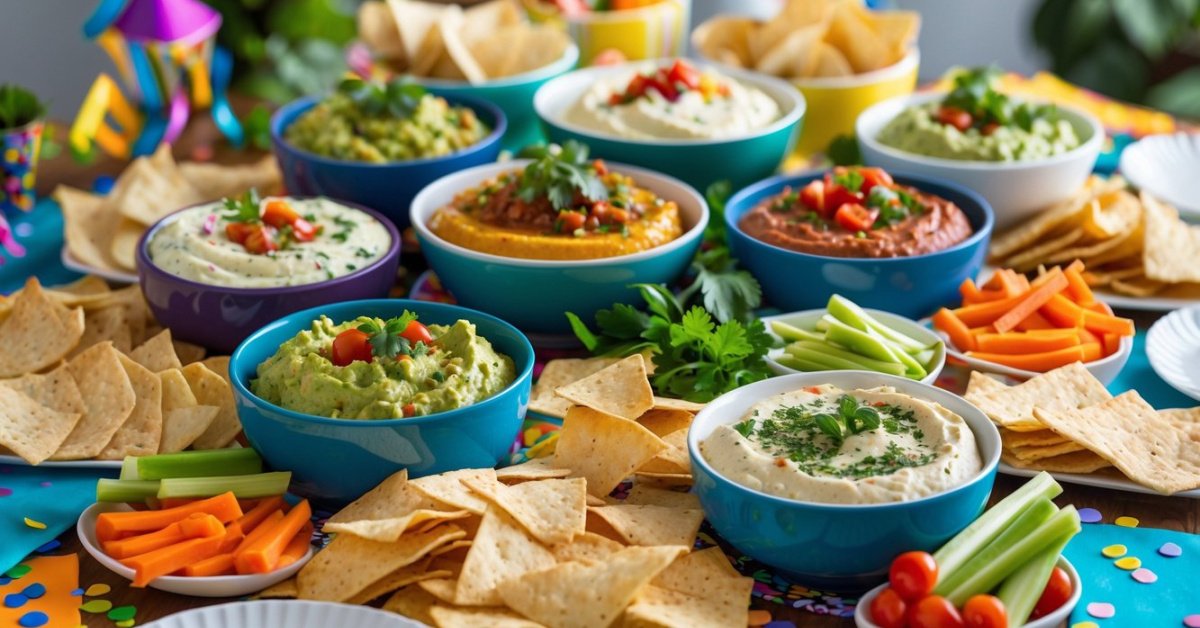
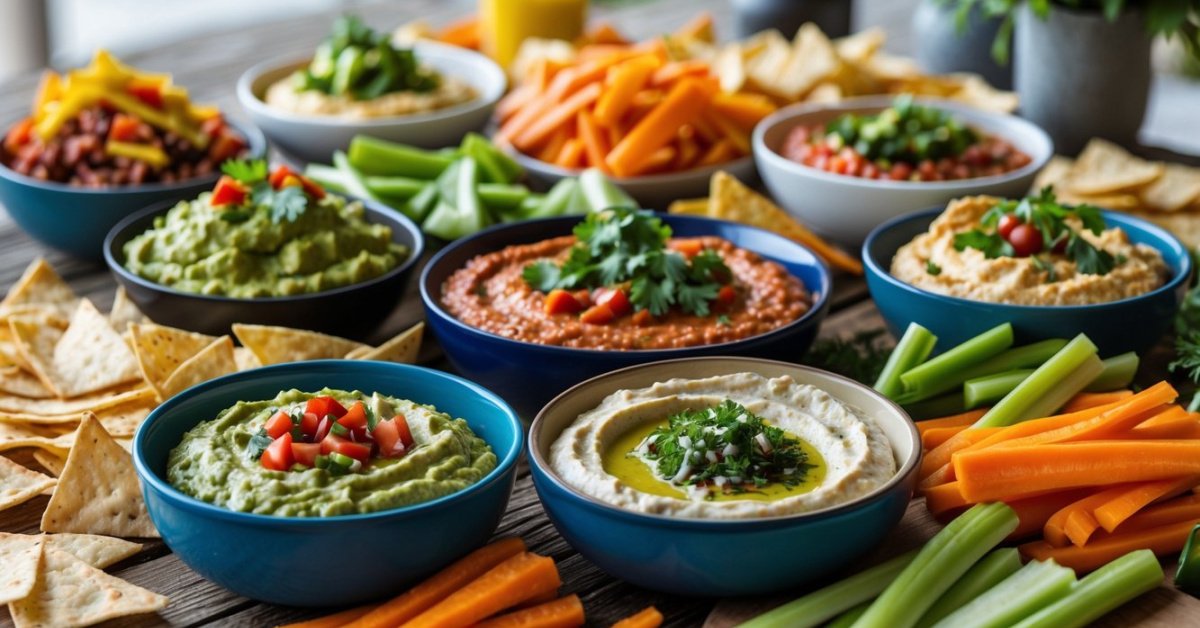
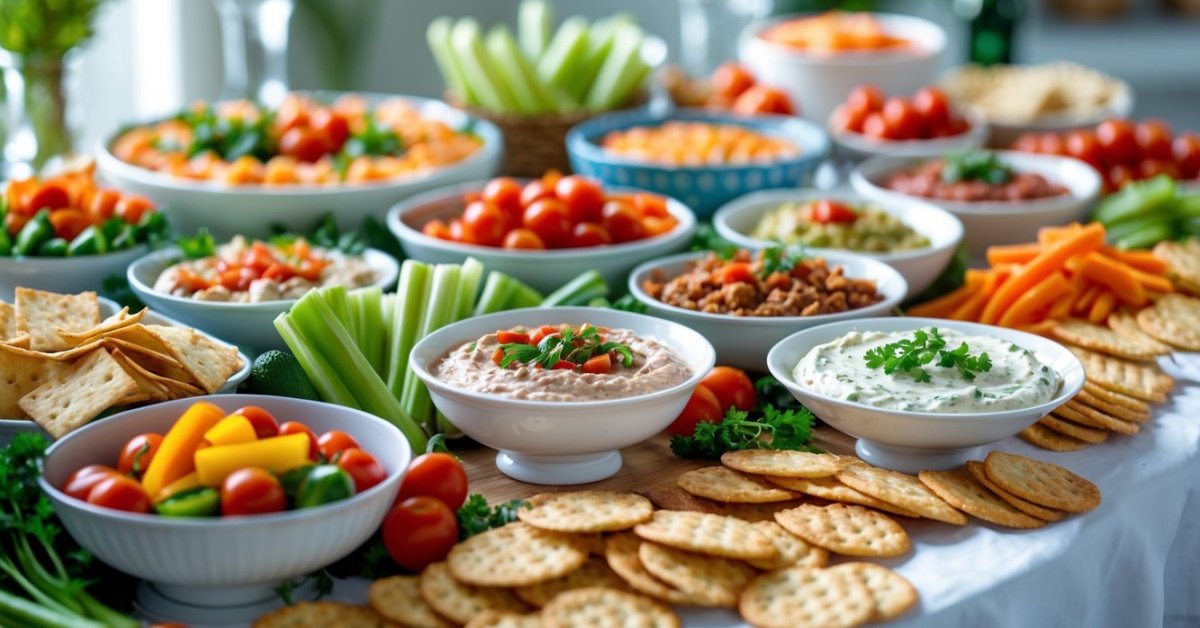
Bright platters catch eyes, but I build my spreads around variety and color—that always gets people dippin’. I set bowls of different heights so folks can see every flavor, with big main dips in the center and smaller sides spread round ’em. I pile bowls high with tortilla chips, pita wedges, and sturdy veggies like carrots or bell peppers. Another good move—put a spread of different scoops right by the dips. I fill mason jars with breadsticks or pretzel rods next to buffalo dip, or line up sliced cucumbers and sweet mini peppers with hummus. If I’m serving a few dips at once, I break out my favorite chalkboard signs or simple labels so everyone knows what they’re grabbing—saves on questions and keeps the line moving. Nothing draws folks in like a table full of color, texture, and options.
Common Pitfalls and How to Avoid Them
Messing up a big ol’ batch of dip sure can put a damper on any get-together. I’ve run my own dip company here in Alabama and made dips for crowds of 300 or more folks, so I’ve seen just about every dip mishap you can imagine. Here’s what trips up most folks and how I steer clear—so nobody leaves hungry.
1. Overdoing Strong Flavors
Adding too much salt or spice throws off a whole bowl of dip when you’re scaling up. I always measure salt, garlic, and hot sauce by smaller increments—say, teaspoons instead of tablespoons—when I mix a batch for a crowd. Then I taste as I go, especially with spicy ranch or salsa. If the dip ain’t punchy enough, I add a pinch at a time and stir after every addition.
2. Skimping on Texture
Letting a big batch sit undisturbed makes dips watery up top or clumpy at the bottom. Before serving, I give my dips a good stir from the bottom up. For chunky dips like my three-bean cowboy dip, I fold everything gently so the pieces stay whole but the sauce gets everywhere.
3. Losing Temperature Control
Letting creamy dips like my pimento cheese or classic Alabama white BBQ dip get too warm makes ‘em separate and look greasy. For outdoor parties, I keep bowls set on ice packs or rotate with fresh, chilled batches. Dairy dips stay good for about two hours at room temp, but on hot days, I swap out every hour.
4. Underestimating Portions
Guessing instead of measuring leaves folks either scraping bowls clean or hiding leftovers in the fridge. For crowds, I use a big 1-cup scoop for every 3–4 folks, and I set out smaller serving spreaders so folks don’t load up all at once. For big football parties or BBQs, I always make an extra quart just to be safe.
5. Forgetting Food Safety
Leaving dip out too long, or not labeling freezer bags if I prep ahead, leads to spoilage or confusion. I write the prep date on all my containers and remind my helpers to cover leftovers tight and get ‘em cold fast once the party starts winding down.
6. Messy Serving Setups
Crowd gatherings sometimes get wild, and one knocked-over bowl can ruin the snack table. I use sturdy, wide bowls on flat platters and avoid heaping dips too high. For layered dips, I use deep casserole dishes to keep everything neat even when folks dig in with big scoopers.
All these little tricks keep my dips bold, fresh, and crowd-pleasing no matter how many folks show up hungry.
Conclusion
Scaling dip recipes for a crowd doesn’t have to be stressful. With a little planning and attention to detail you can serve up delicious dips that keep everyone coming back for more. I always find that a thoughtful approach to portions and flavors makes all the difference.
Whether you’re hosting a casual game night or a big celebration it’s all about finding that sweet spot between taste convenience and presentation. With these strategies in your back pocket you’ll feel confident and ready for any gathering—big or small.