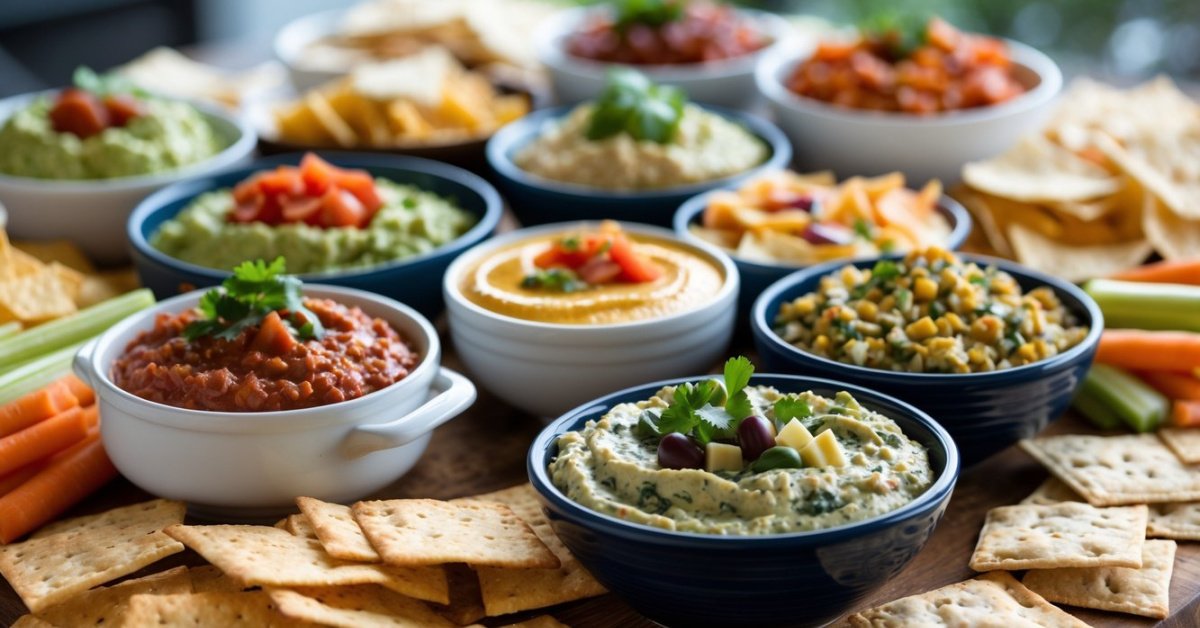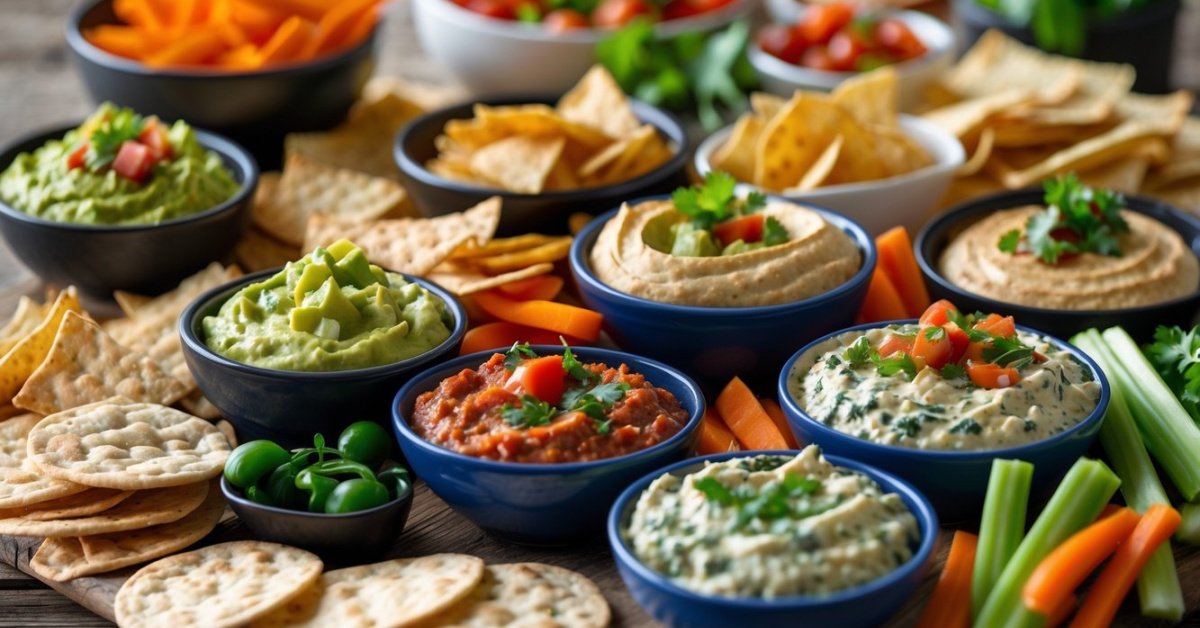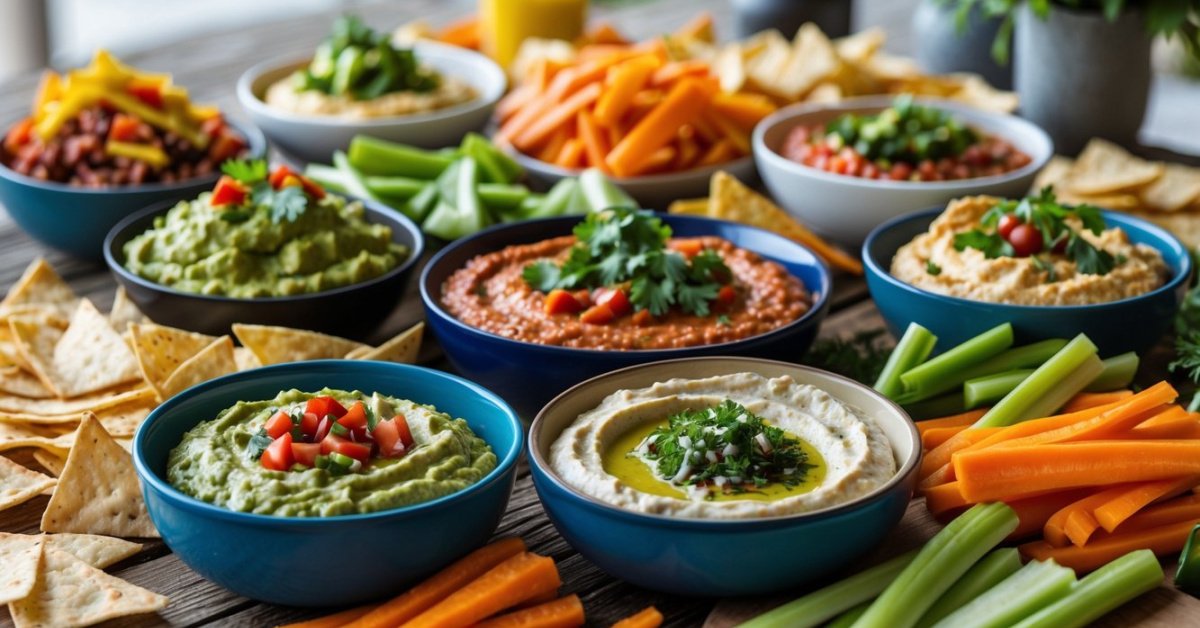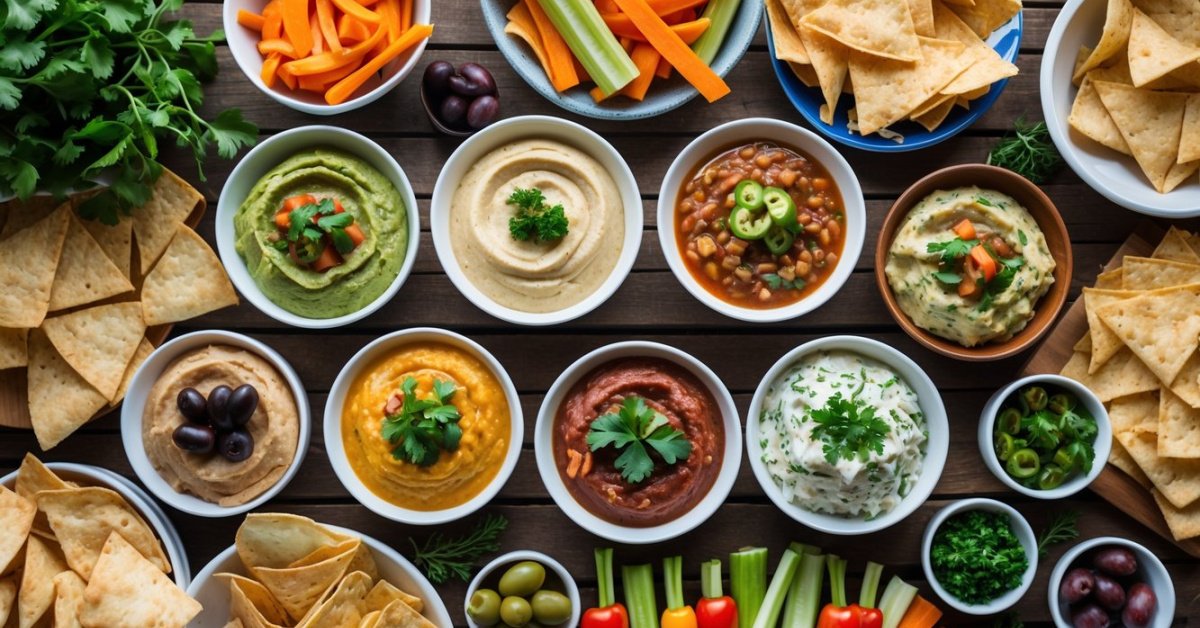
I love hummus but sticking to a low-carb lifestyle can make it tough to enjoy this classic dip. Traditional hummus is packed with chickpeas and while they’re delicious they’re not exactly low in carbs. That’s why I started searching for a way to get all the creamy flavor of hummus without the carb overload.
If you’re like me and crave a tasty snack that fits your low-carb goals you’re in the right place. Low-carb hummus lets me dip veggies or spread it on wraps without any guilt. It’s surprisingly easy to make and just as satisfying as the original.
What Is Low-Carb Hummus?
Low-carb hummus is a spin on that classic dip, swapping out chickpeas for lower-carb staples like cauliflower or zucchini. I make mine with roasted cauliflower, a little tahini, lemon, garlic, salt, and olive oil. These veggies bring the creamy texture folks love in hummus, without all the carbs you get from chickpeas.
I started experimenting in my Alabama kitchen when I ran my dip business. My customers told me they wanted something lighter but still packed with flavor. Low-carb hummus gives you that classic garlicky, lemony taste, and it spreads and scoops up just like the real thing.
Most traditional hummus runs around 20 grams of carbs per cup, since chickpeas pack in the starches. My low-carb recipe clocks in about 5 to 7 grams of carbs per cup, depending on the veggies you use. You can dip celery, cucumber, bell pepper, or use it as a spread on a low-carb wrap.
Dip lovers who’ve been avoiding hummus for carb reasons get a way to bring it back onto their snacking tables, and it fits right into low-carb, keto, or diabetic-friendly routines. Now, you get to keep your favorite dip in the rotation, just with that smart low-carb twist.
Key Ingredients And Nutrition
I base a good low-carb hummus on simple, wholesome ingredients that keep every bite creamy and satisfying. Swapping chickpeas cuts carbs without losing that familiar hummus taste.
Traditional Versus Low-Carb Hummus
Traditional hummus uses chickpeas as the main base. Chickpeas pack about 20 grams of carbs per cup which puts a hard stop on low-carb goals. My low-carb hummus trade chickpeas for roasted cauliflower or zucchini. Both bring that creamy texture and mellow flavor, coming in at just 5 to 7 grams of carbs per cup. Classic hummus leans on tahini, olive oil, lemon juice, and garlic for depth. My version sticks with tahini, lemon juice, and spices like cumin, but skips the chickpeas. That swap keeps all the mouthfeel, but none of the carb overload.
Health Benefits Of Low-Carb Hummus
Low-carb hummus serves up more than just a dip—it’s a smart nutrition choice. Cauliflower packs fiber, vitamin C, and antioxidants with minimal carbs. Olive oil brings heart-healthy fats, while tahini adds calcium and plant protein. Cutting back on high-carb chickpeas means my recipe suits folks watching blood sugar, keto fans, and anyone looking for a lighter snack option. Eating this type of dip lets me enjoy classic flavors and keep my energy more stable. My low-carb hummus puts taste and health on the same plate, making it a regular star in my kitchen.
Taste And Texture Comparison
When I line up my low-carb hummus next to the classic kind, the first thing I notice is how that creamy texture still comes through. Using roasted cauliflower, I get a smooth dip that spreads nice on a cracker or clings right to a celery stick. Chickpea hummus brings a denser, earthier taste—while my low-carb recipe picks up a little sweetness from the veggies, especially if I roast ’em just right.
I balance lemon, garlic, and tahini so the flavor stays bright and tangy, just like you’d expect from a good hummus. Folks usually tell me they can hardly tell the difference until I mention it’s lower in carbs. Low-carb hummus feels a little lighter on the tongue, not quite as thick, but it keeps that satisfying silkiness that makes you go back for another scoop.
Both styles give you that savory, garlicky punch with a creamy mouthfeel, but the low-carb one won’t sit as heavy. When I bring my batch to gatherings, dip fans often reach for both, especially those minding their carbs. From spreading on wraps to dunking fresh veggies, my low-carb hummus keeps that true hummus experience while letting everyone snack a bit smarter.
How To Make Low-Carb Hummus At Home
Whippin’ up low-carb hummus in my Alabama kitchen feels just as simple as grabbin’ classic hummus off the store shelf. Folks usually think skippin’ chickpeas means sacrificin’ flavor, but I keep that creamy, garlicky kick with easier-to-find veggies.
Simple Recipe Steps
Startin’ with roasted cauliflower or peeled zucchini as the base makes low-carb hummus creamy and smooth. I toss 2 cups of chopped cauliflower (or zucchini) with a splash of olive oil, then roast ’em at 425°F for about 25 minutes ’til they’re golden and soft. Once they’re cool, I blend ’em up with 1/4 cup tahini, 2 big tablespoons fresh lemon juice, 2 cloves garlic, 2 tablespoons olive oil, 1/2 teaspoon ground cumin, and a pinch of salt. Pour in a tablespoon or two of water if that mix seems too thick. I let my food processor run for a couple of minutes to nail that silky, classic hummus texture.
Tips For Best Results
Roast veggies until they’re caramelized, for richer flavor and smoother hummus. I always use fresh lemon juice, ’cause bottled stuff just doesn’t have the same zip. For even more creaminess, scrape down the sides of the processor and keep blending an extra 30 seconds. Tasting as I go helps me catch the right spot on garlic and lemon punch—sometimes I’ll add a pinch more cumin or smoked paprika, dependin’ on who’s comin’ over. Remember to let the dip chill in the fridge at least an hour before servin’, ’cause the flavors meld and deepen. Just drizzle with olive oil and sprinkle a little paprika or toasted sesame seeds for that real-deal finish.
Store-Bought Options: Top Picks And Reviews
Finding store-bought low-carb hummus that eats good as homemade ain’t easy, but I’ve tasted plenty to find out what’s actually worth a spot in the fridge. Folks in my dip business days’d come in askin’ what’s out there at the grocery store, so here’s the lowdown on the best you’ll find, along with my take on each one.
- Hope Foods Original Cauliflower Hummus: This stuff uses cauliflower instead of chickpeas—less than 5 grams net carbs per serving, according to the label. The texture’s smooth and the lemon hits right up front. The balance of tahini makes it real close to the classic flavor. It works best with cucumber rounds or celery sticks.
- Baba’s Plant-Based Hummus (Zucchini Blend): Baba’s skips beans and swaps in zucchini for an extra-light dip—about 4 grams net carbs per serving. It tastes fresh, with a punch of garlic. Spread this one in lettuce wraps or use it as a chicken marinade base.
- Lantana Cauliflower Hummus: Lantana’s version stays honest to hummus, keeping tahini and lemon but using cauliflower instead. There’s about 6 grams net carbs in each serving. The texture’s a touch looser than what I make at home, but the roasted veggie flavor stands out.
- Cedar’s Mediterranean Low Carb Hummus: Cedar’s uses a mix of chickpeas with more veggies to bring the carbs down to around 7 grams per serving. Doesn’t taste quite as fresh as the full cauliflower versions, but the garlic and tahini come through for a familiar taste.
Here’s a quick look at the numbers:
| Brand | Base Ingredient | Net Carbs (per serving) | Best For | Texture/Flavor Notes |
|---|---|---|---|---|
| Hope Foods Cauliflower Hummus | Cauliflower | 5g | Raw veggie dippin’ | Smooth, bright, classic lemon zing |
| Baba’s Zucchini Blend | Zucchini | 4g | Wraps, marinades | Light, garlicky, fresh |
| Lantana Cauliflower Hummus | Cauliflower | 6g | Crackers, carrots | Loose, roasted veggie flavor |
| Cedar’s Mediterranean Low Carb Hummus | Chickpea/Veggie | 7g | Daily snacking | Familiar, tahini-forward |
If you’re itchin’ for convenience, each of these options fits a low-carb day but keeps that creamy, tangy flavor I love. The cauliflower-based ones get closest to what I whip up in my kitchen. Double-check the carb count for the serving you scoop up, since labels sometimes round off numbers or change recipes.
Store-bought low-carb hummus lets any dip lover grab somethin’ fast for a snack or party. If you want the flavor brighter or the texture thicker, a drizzle of extra tahini or fresh lemon on top’ll boost both right in your serving bowl.
Serving Suggestions And Pairings
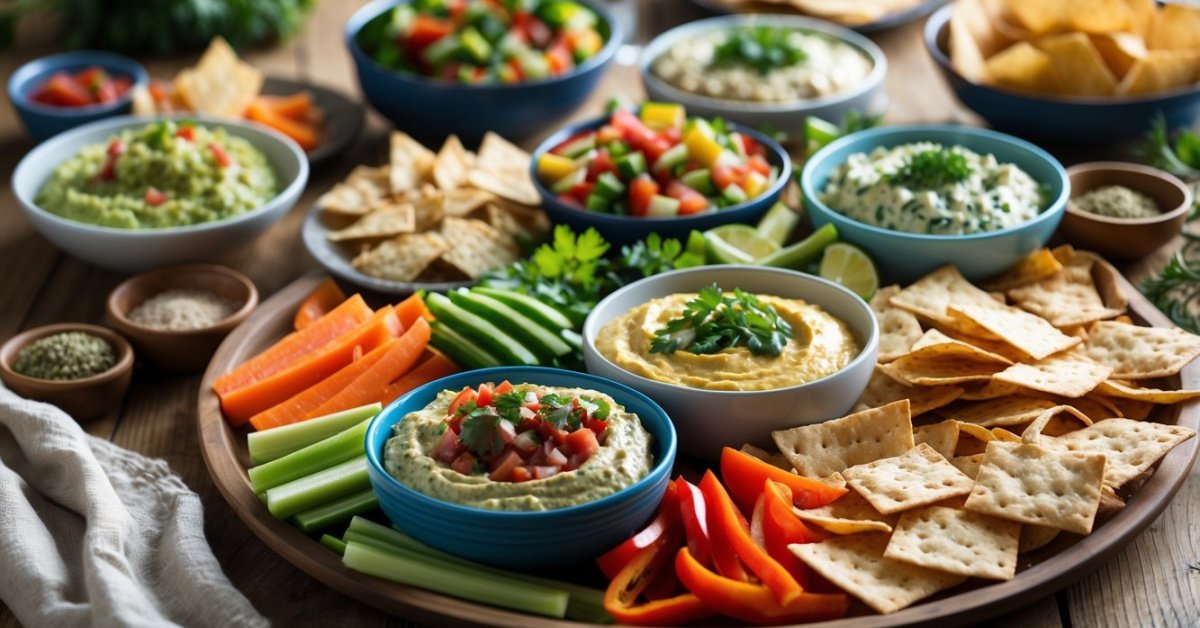
When I fix up a bowl of my low-carb hummus, I like thinking through how folks might scoop it or spread it around the table. My favorite way to serve this dip is right in the middle of a veggie platter. I pile up fresh cucumber slices, bell pepper strips, cherry tomatoes, and celery sticks for dipping—works mighty fine for any get-together or just afternoon snacking.
At my house, folks love smearing low-carb hummus on lettuce wraps with grilled chicken or turkey, then rolling ‘em up for a light, filling bite. I’ve spread it on low-carb tortillas then loaded it with roasted veggies and greens to make quick wraps for lunch. Some folks even dollop it on top of salads or grain bowls instead of dressing, which gives a zesty, creamy kick.
For anyone wanting a touch of crunch, I lay out pork rinds, seed crackers, or cheese crisps—they all stand up to thick, tangy low-carb hummus and keep things on the lower carb side. Cheese boards get a nice spin when I add my hummus alongside marinated olives, artichoke hearts, and little cubes of sharp cheddar or feta.
Here’s a quick table with some of my go-to pairings:
| Pairing Type | Example Ingredients |
|---|---|
| Fresh Veggies | Cucumber, bell pepper, cherry tomato, celery |
| Crunchy Dippers | Pork rinds, seed crackers, cheese crisps |
| Spreads & Wraps | Lettuce wraps, low-carb tortillas, nori |
| Toppings & Fixins’ | Salads, roasted veggie bowls, grilled meats |
| Cheese Board Add-ons | Olives, pickles, artichoke, feta, cheddar |
My low-carb hummus handles bold flavors, so I season it with a dusting of smoked paprika or a drizzle of good olive oil before serving. When I want to change things up, I mix in chopped fresh herbs like parsley or cilantro, roasted red peppers, or even sun-dried tomatoes for a different twist.
Since I started sharing these kinds of serving ideas at my old dip shop in Alabama, folks tell me they’ve started using low-carb hummus in new ways every week. There’s always another meal or snack that could use a little creamy, tangy dip on the side.
Conclusion
Low-carb hummus has truly changed the way I snack and entertain. I love that I can enjoy all the creamy, tangy flavor I crave without worrying about carbs sneaking into my diet. Whether I’m making it from scratch or picking up a store-bought option, I always feel good about serving it to friends and family.
If you’re looking for a snack that’s both satisfying and smart, give low-carb hummus a try. You might be surprised at how easy it is to make—and how quickly it disappears at your next gathering.