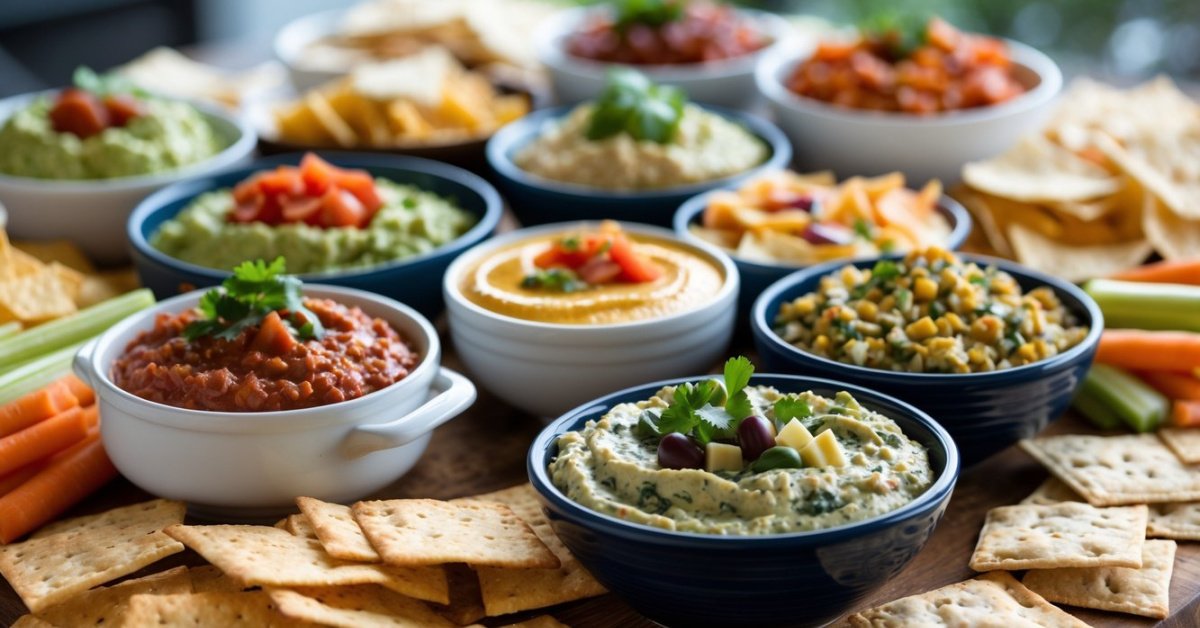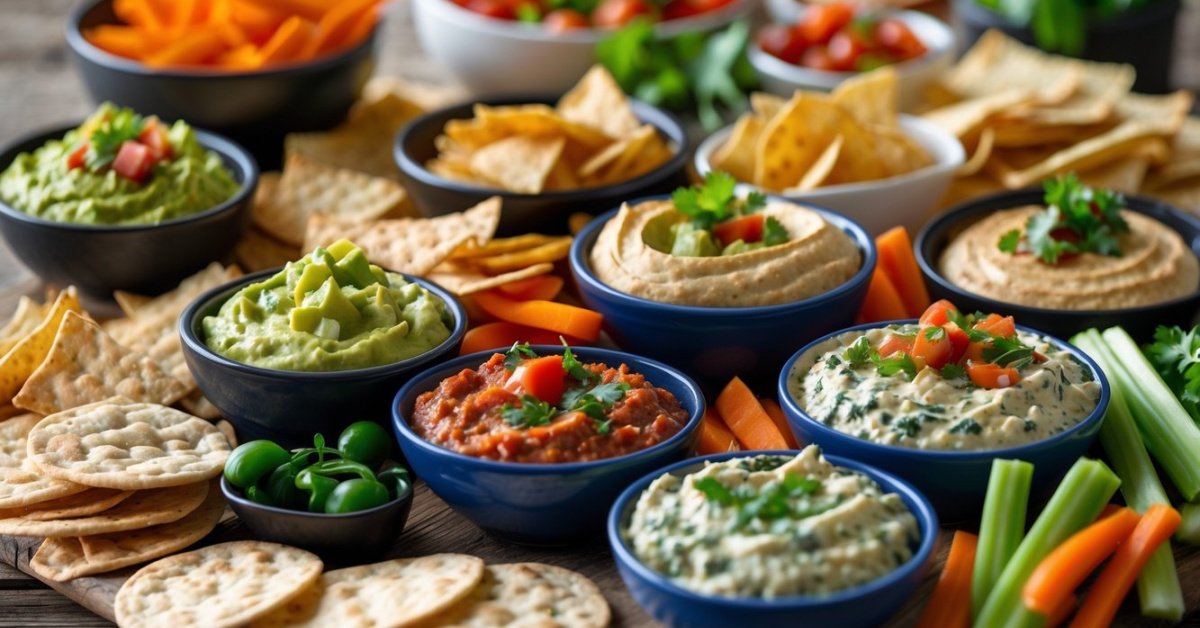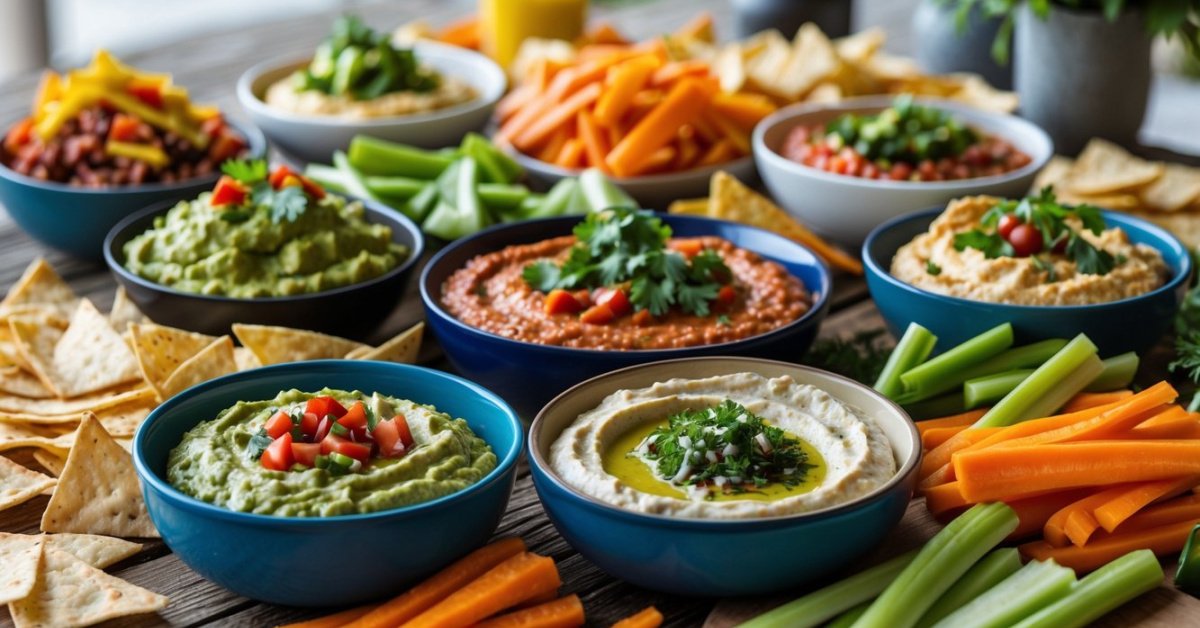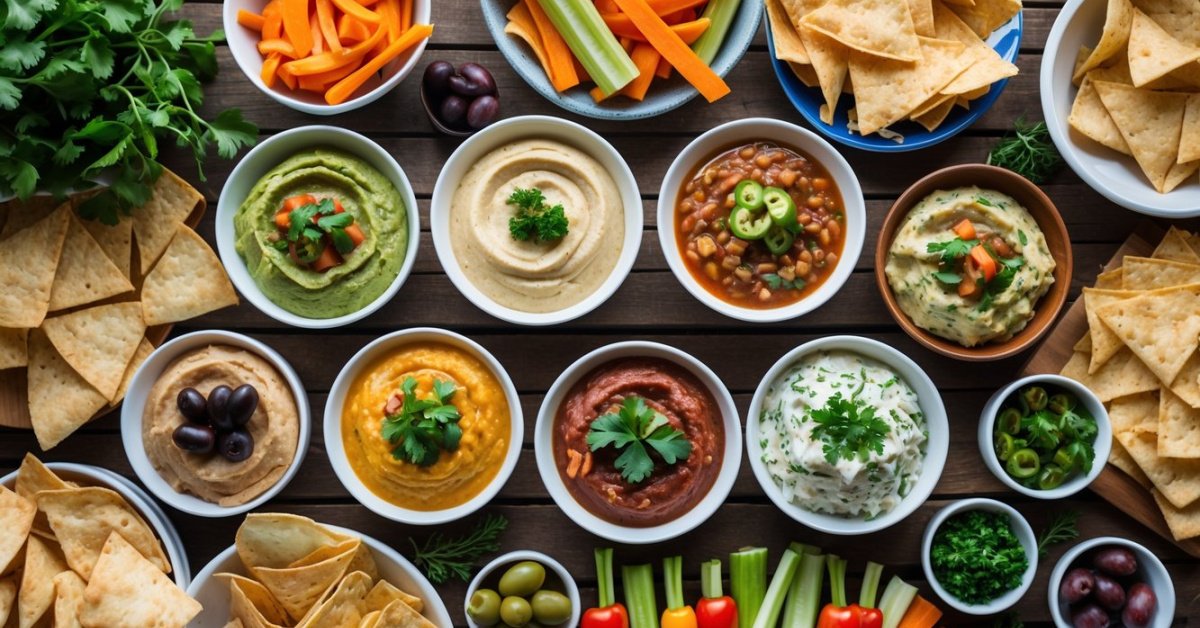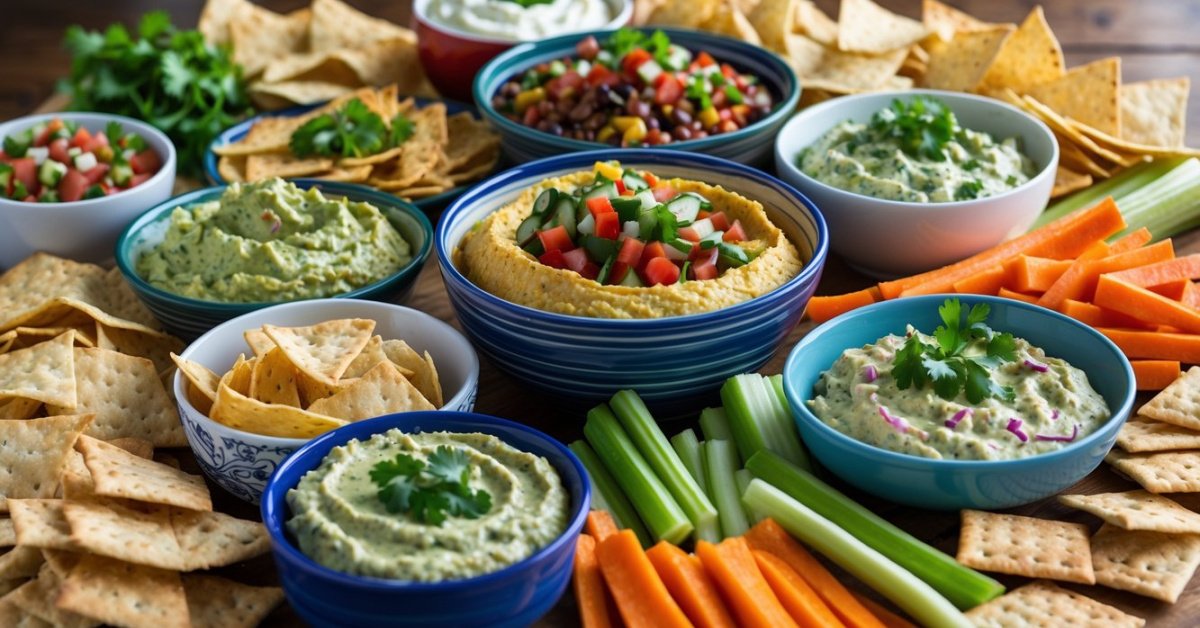
I love finding ways to make snack time a little more exciting and a lot more flavorful. That’s why I keep coming back to roasted vegetable dip—it’s a colorful, tasty twist on the usual spreads. The deep, caramelized flavors from oven-roasted veggies make every bite feel special, whether I’m scooping with crackers or spreading it on fresh bread.
What I really enjoy is how easy it is to mix things up with whatever vegetables I have on hand. It’s a simple way to sneak in some extra nutrition without sacrificing taste. Plus, it’s always a hit at parties and potlucks—no one can resist going back for just one more dip.
What Is Roasted Vegetable Dip?
Roasted vegetable dip packs deep, smoky flavors into a creamy bowl. It’s made by blending up oven-roasted vegetables—things like bell peppers, carrots, onions, or zucchini give layers of taste and color. Folks looking for bold dips’ll notice how roasting draws out the natural sweetness and brings out more flavor than raw veggies can.
Classic dips might use one main base, but roasted vegetable dip combines a bunch of different roasted veggies for a richer bite. I blend the roasted veggies soft, then mix in seasonings—sometimes I throw in garlic, a little lemon juice, and herbs like thyme or parsley. This kind of dip works thick for crackers or spread thin on wraps and sandwiches.
At my old company down in Alabama, I saw folks smear this dip on toast, spoon it onto grilled meats, or just scoop it with chips at tailgates. Roasted vegetable dip keeps things colorful and flexible—just grab what veggies you’ve got and roast ‘em low and slow. That’s what gives this dip its hearty, home-cooked taste.
Key Ingredients And Flavor Profile
Roasted vegetable dip starts with simple ingredients and turns out big, bold flavors every time. I like how the sweet, smoky taste comes from a handful of humble veggies, a few pantry spices, and some good roasting.
Popular Vegetables Used
Bell peppers, carrots, onions, and zucchini create the backbone of this dip. I usually go with red bell peppers for their bright color and sweetness, carrots for a little earthy punch, onions for depth, and zucchini for smooth texture. Sometimes I’ll toss in eggplant, cherry tomatoes, or even cauliflower when they’re handy. No matter which vegetables I pull from the crisper, roasting always deepens their flavors and gives that smoky-sweet base folks rave about.
Herbs, Spices, And Add-Ins
Fresh basil and parsley bring a little green pop right at the end. I lean on garlic, smoked paprika, and black pepper for seasoning—smoked paprika cranks up that roasted edge. For acid, I’ll squeeze a lemon or add a splash of red wine vinegar so the taste stays bright. Sometimes I mix in a spoonful of creamy Greek yogurt or tahini to make it even smoother. Roasted nuts like walnuts or almonds offer crunch and a nutty finish. I like how these little extras let you spin the dip any way you want, from more savory to real zesty.
Preparation And Cooking Methods
Roasted vegetable dip transforms with some good roasting and easy blending. Folks who love dips or fresh, homemade flavors’ll find these methods straightforward and full of big, Southern taste.
Roasting Techniques
Roasting vegetables brings out the best flavors for dip. I start by chopping vegetables—bell peppers, carrots, onions, and zucchini work great—into even pieces so they cook evenly. I toss’em on a baking sheet with olive oil, a big pinch of salt, black pepper, and smoked paprika. My oven goes to 425°F—this high heat caramelizes the edges and gets that deep, sweet flavor. I spread the veggies in one single layer so they roast instead of steam. After about 25-30 minutes, they turn golden brown and tender, with a few charred spots. Sometimes I throw in garlic cloves or halved cherry tomatoes for extra kick. I always let’em cool a little before moving on.
Blending And Serving Tips
Blending brings all the roasted vegetables together. I scoop the cooled vegetables into a food processor with a splash of lemon juice or red wine vinegar, a handful of fresh herbs like parsley or basil, and—if I want it creamy—a spoonful of Greek yogurt or tahini. I blend in short pulses, scraping the sides, till it’s as smooth or chunky as I like. For a silkier texture, I drizzle in more olive oil while blending. Taste, then adjust salt, herbs, or acid. To serve, I pile the dip in a shallow bowl and top it with chopped roasted nuts or extra herbs. It goes great chilled with pita, chips, or spread on everything from toast to grilled chicken. My favorite part—folks always dive back for more.
Taste And Texture: First Impressions
First bite into this roasted vegetable dip, I notice the smoky sweetness right up front. Slow-roasted bell peppers and carrots shine, giving every scoop a bold taste I can’t get from veggies raw. Rich undertones from onions and a bit of char surface next, making the flavor deeper with every taste. I always get a smooth blend, but a few tiny veggie bits keep it rustic—just the way I like at my parties.
Texture in this dip hits that sweet spot I aim for with all my recipes. It’s creamy and lush, thanks to the roast and a splash of Greek yogurt or tahini, but not so smooth that it slides around like store-bought hummus. Instead, there’s body—like a good, home-cooked spread ought to have. If I toss in roasted almonds or walnuts, I get little pockets of crunch that folks keep talking about. Every mouthful feels full and hearty, with just a bit of tang from the lemon or vinegar to brighten things up.
Color pops, too. Roasted red and orange veggies turn the dip into a rustic sunset in a bowl. Bits of green from fresh herbs like parsley or basil peek through, making it look as good as it tastes. When I see a table of folks dip in for seconds, I know these first impressions matter—a dip that’s pretty, packed with flavor, and always gets folks asking for the recipe.
Pros And Cons Of Roasted Vegetable Dip
Listing the high points and low points of roasted vegetable dip, I always tell folks exactly what they’re getting into when they mix up a batch of this classic Southern-style spread.
Pros of Roasted Vegetable Dip
- Packed With Flavor
Roasted vegetable dip brings out every bit of flavor from bell peppers, carrots, onions, and zucchini. Roasting draws out the sweetness and deepens the smokiness–something you can’t get with raw veggies or regular ranch.
- Nutritious And Wholesome
Every bowl of this dip delivers vitamins, minerals, and fiber since it’s loaded with real vegetables. It’s a lighter, better-for-you choice compared to mayo-based party dips.
- Customizable For Any Crowd
I swap in whatever veggies I’ve got on hand, mix up the herbs, or stir in Greek yogurt or tahini if I feel like something new. It fits gluten-free, vegetarian, and even vegan guests when I leave out the dairy.
- Great Texture And Eye Appeal
Roasted vegetable dip always shows off a pretty combination of colors from the roasted veggies and fresh herbs. I like mine a little chunky, but you can blend it smooth for crackers or keep it rustic for chips and grilled bread.
- Crowd-Pleasing And Versatile
This dip never leaves my party table with leftovers. I use it as a dip, sandwich spread, or right next to grilled chicken. It’s real handy for entertaining and tailgates.
Cons of Roasted Vegetable Dip
- Takes More Time To Prep
Getting that deep flavor means turning on the oven and roasting the vegetables for at least 25-30 minutes. That’s not as quick as stirring up a ranch packet or cracking open a jar.
- Texture May Not Suit Everyone
Some folks prefer a super smooth dip like hummus or French onion. Roasted vegetable dip can have a chunky, rustic feel unless you blend it extra long.
- Shorter Shelf Life
Fresh veggies mean this dip keeps in the fridge for 3-4 days max, unlike store-bought dips that last a week or two.
- Stronger Flavors
Roasted veggies and garlic give this dip a bolder taste. If you’re used to milder flavors, you might find it a touch too smoky or robust.
| Pros | Cons |
|---|---|
| Packed with roasted flavor | More prep and cook time |
| Full of nutrients | Texture not always smooth |
| Works for many diets | Shorter fridge life |
| Looks and tastes appealing | Bold flavors may stand out |
| Always a crowd favorite |
Serving Suggestions And Pairings
My roasted vegetable dip shines at any table, and I’m always looking for new ways to serve it up.
- Dippin’ options: I usually set out sturdy dippers like pita chips, toasted baguette slices, or thick-cut pretzel chips. Fresh cut veggies—think carrot sticks, cucumber rounds, and bell pepper strips—hold up to this hearty dip too.
- Sandwich spread: I use this dip as a sandwich spread for roast turkey or grilled chicken, adding a smoky-sweet flavor that stands out at lunch.
- Topping for proteins: I spoon it on grilled steak, seared pork chops, or salmon. The roasted veggies add color and a big kick of flavor every time.
- Mediterranean platters: I build platters with hummus, feta, olives, roasted vegetable dip, and heaps of naan or warm pita for sharing at parties.
- Salad upgrades: I dollop the dip onto grain bowls or toss it with mixed greens and roasted nuts for a more filling salad.
- Egg dishes: I pair spoonfuls alongside soft-scrambled eggs, omelets, or a breakfast burrito for an extra hit of veggies in the morning.
Folks at my parties always scoop it up fast, no matter if it’s piled high on homemade chips or starring in a wrap. My Alabama roots mean I value sharable, bold flavors, and this dip fits right in with tailgate spreads, potlucks, or weeknight dinners.
Conclusion
Roasted vegetable dip has quickly become one of my favorite ways to add color and bold flavor to any spread. It’s the kind of recipe that lets me get creative with whatever vegetables are on hand and always leaves guests asking for more.
Whether I’m serving it at a party or just enjoying a snack at home this dip never disappoints. I love how it brings people together and adds something special to the table every time. If you’re looking to shake up your snack routine give this dip a try—you might find it’s the new star of your kitchen too.