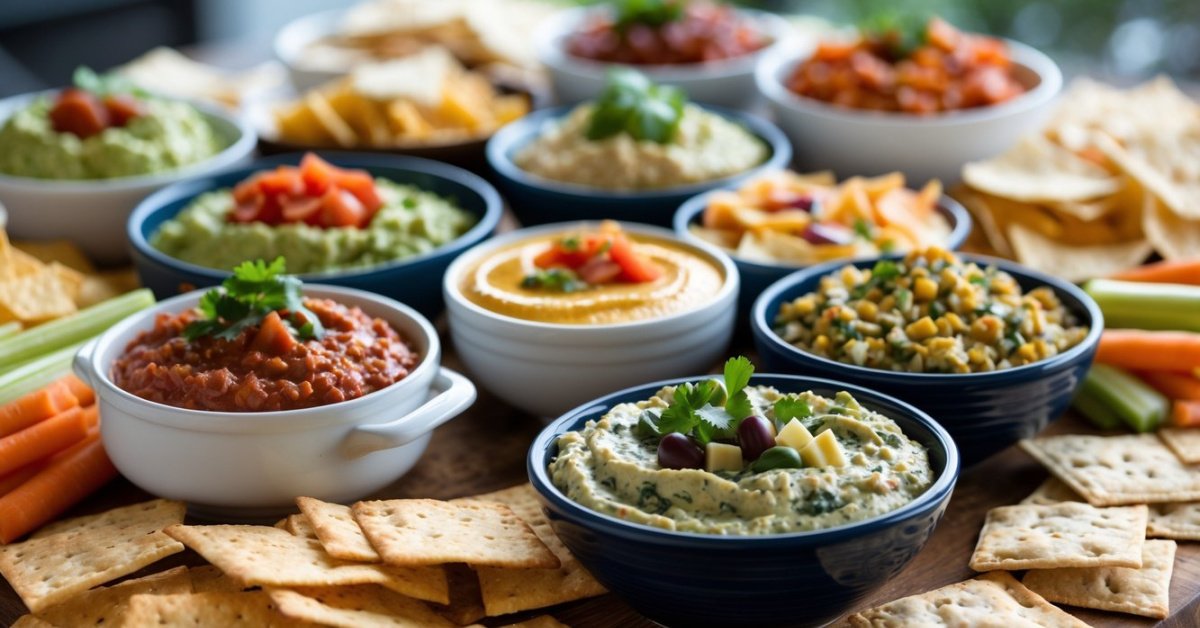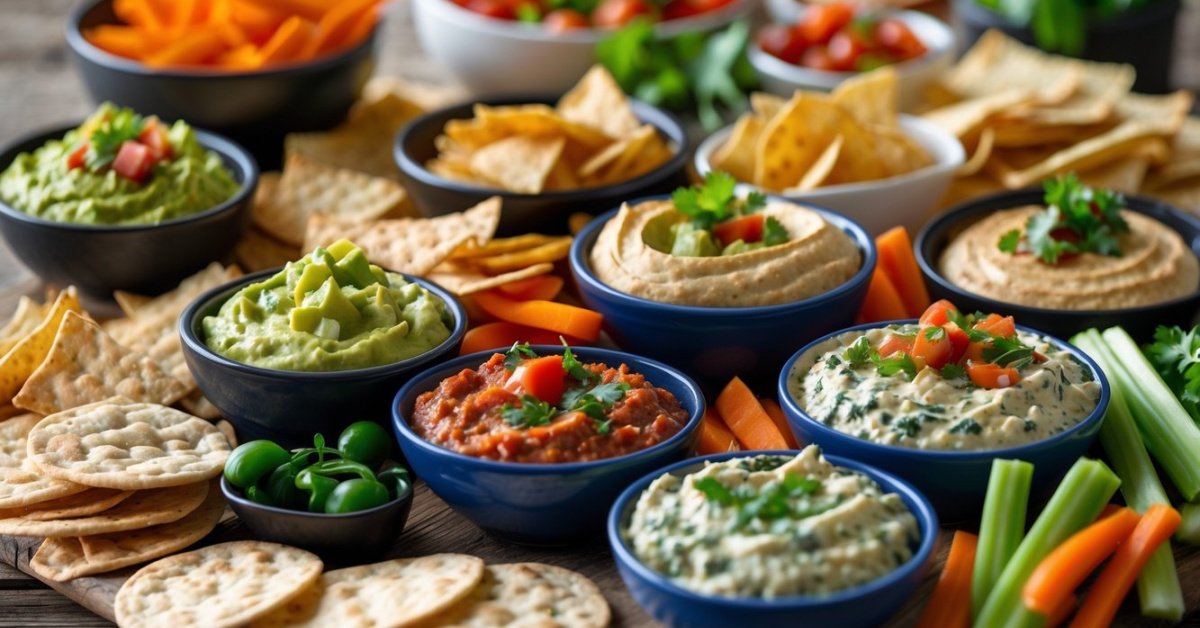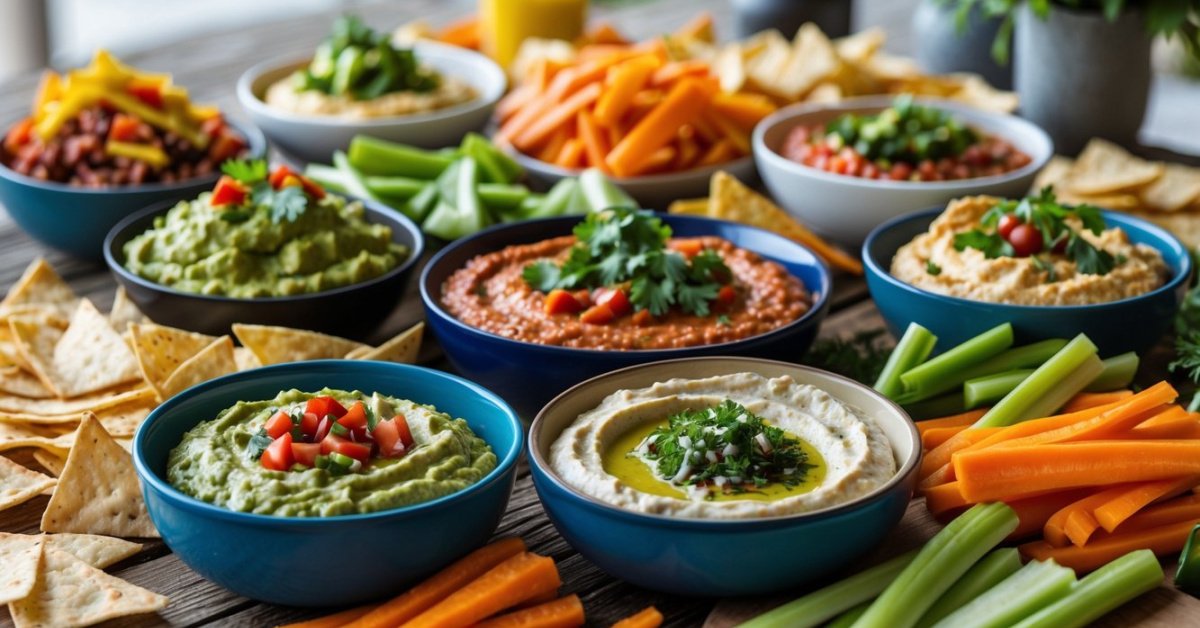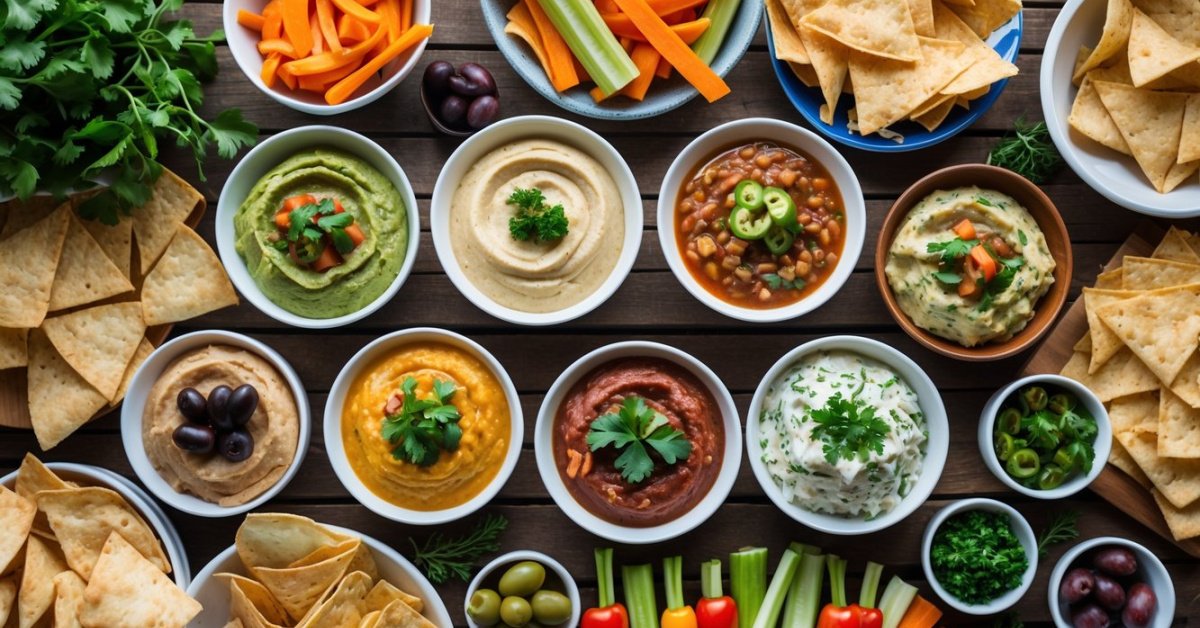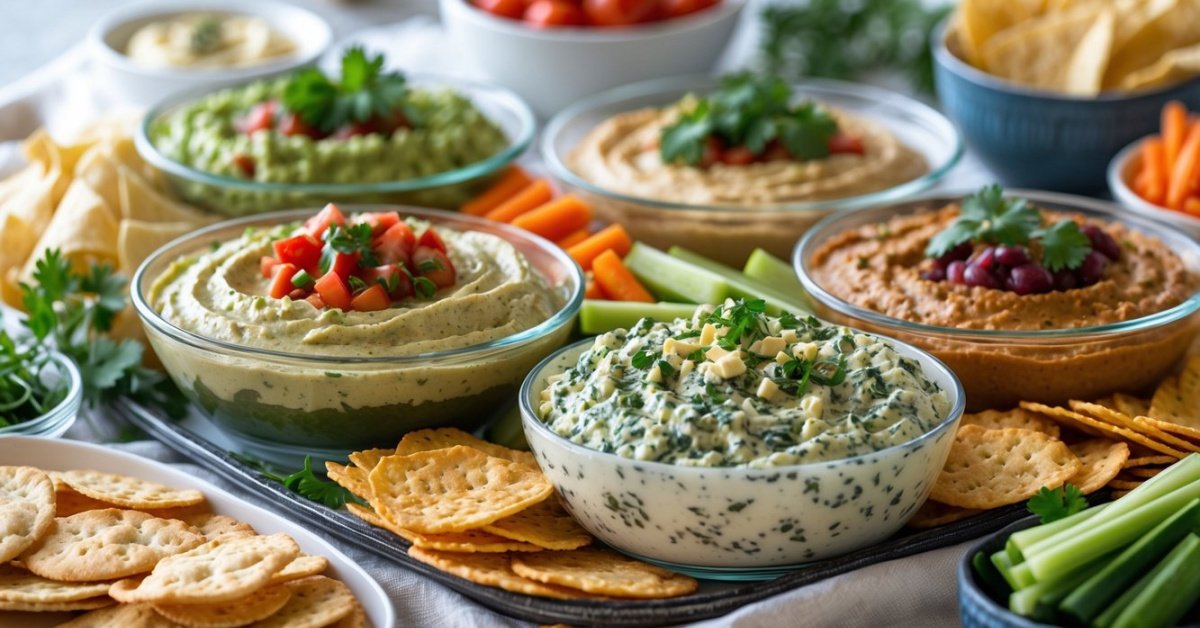
I’ve always loved discovering new flavors from around the world and Spanish Romesco dip quickly became one of my favorites. This vibrant sauce packs a punch with its smoky peppers, roasted nuts and a hint of garlic. It’s the kind of dip that makes even simple veggies or crusty bread taste like a treat.
Whenever I serve Romesco at gatherings friends are always curious about its bold color and rich taste. It’s easy to whip up and brings a touch of Spain right to my table. If you’re looking to add something unique and delicious to your snack lineup you’re in for a real treat.
What Is Spanish Romesco Dip?
Spanish Romesco dip packs heaps of flavor into every bite. I start with roasted red peppers, tomatoes, and almonds—core Spanish pantry staples. Smoked paprika and sherry vinegar round out the rich, bold profile. Folks in Catalonia first made this dip to go with fresh-caught fish, but now it goes just as well with grilled veggies, crunchy bread, or even chicken skewers.
Traditionally, I blend everything till it’s a little chunky, not smooth like plain ol’ hummus. Every batch leans on real-deal extra virgin olive oil, plus raw garlic for a kick. I get asked about the color a lot—those peppers and paprika turn it almost fiery orange-red.
Romesco dip stands out from other dips thanks to that nutty, smoky taste and a touch of tang. It takes just 15 minutes to whip up at home. When I ran my dip company, this one always surprised folks at tastings. They’d end up asking for the recipe or another scoop—usually both.
Key Ingredients Of Spanish Romesco Dip
Spanish Romesco dip’s got a bold taste and deep color, but it’s the classic ingredients that make it shine. Let me break down what really goes in my favorite version, straight from years behind my own dip counter.
Roasted Red Peppers
Roasted red peppers build the base of Romesco. I always use fresh bell peppers, fire-roasted right on the grill or over a gas flame until blackened. That gives the dip its signature smoky depth and a naturally sweet flavor. Grocery store jarred peppers work fine for busy days, but nothing beats homemade for that burst of color and taste.
Nuts And Bread
Nuts and bread make Romesco thick and hearty. Toasted almonds or hazelnuts give crunch—Marcona almonds if you can find ‘em, but any roasted almond does the trick. Old bread, torn and blended in, adds body. I use rustic sourdough or a crusty baguette; just day-old bread, never fresh, so the dip gets a proper texture.
Olive Oil, Garlic, And Vinegar
Olive oil, garlic, and vinegar set Romesco apart from other dips. Extra virgin olive oil brings a fruity finish. Raw garlic gives that authentic spicy edge that makes folks ask for seconds. Spanish sherry vinegar adds brightness—you want just enough to make the flavors pop without overpowering the roasted peppers. If you can’t find sherry vinegar, good red wine vinegar’ll do in a pinch.
Flavor Profile And Texture
Bold flavor defines Spanish Romesco dip, that’s for sure. I taste a big pop of roasted red pepper right away, and that smoky-sweetness hangs around thanks to fire-roasted peppers and tomatoes—never just jarred. Garlic steps in next, giving it a bite that doesn’t crowd out the nuttiness from toasted almonds or, if I’m feeling fancy, hazelnuts. Smoked paprika keeps it warm and earthy; it’s not hot, just deep. Good Spanish sherry vinegar shoots a little brightness through every bite.
Texture makes a difference, too. I make mine chunky—think small bits of almond and bread that let you know it’s homemade. The olive oil pulls it all together, giving that spreadable richness you see in the bright orange-red bowl. When I drag a piece of baguette through the dip, I see specks of nut and bits of pepper hanging on. Nothing runny or pasty, just hearty and rustic like I like my snacks.
When I serve it with veggies, grilled chicken, or even just a hunk of crusty bread, every taste gives a mix of smoky, tangy, savory, and nutty—like a parade of flavors lined up for a perfect bite. My friends always call it “full-bodied,” and it never fails to get folks talking, whether it’s the flavor kick or that big satisfying texture.
How To Make Spanish Romesco Dip At Home
I get a kick outta showing folks how easy homemade dips can be, and this Spanish Romesco dip always grabs a crowd. It’s all about a little roasting, a quick blitz in the blender, then watching the colors pop.
Step-By-Step Preparation
- Gather Ingredients
Get your roasted red peppers, toasted almonds (or hazelnuts), a thick slice of day-old rustic bread, raw garlic, extra virgin olive oil, tomato, Spanish sherry vinegar, smoked paprika, and salt. These items set up that bold smoke-nutty thing Romesco’s known for.
- Roast & Toast
If you’re using fresh red peppers, char ‘em over an open flame or under a broiler until blistered. Toast nuts in a dry skillet until golden, about 3–4 minutes.
- Prep Bread
Slice bread and toast in the oven for 5 minutes at 350°F to crisp it up. This helps thicken the dip later.
- Blend
Drop roasted peppers, toasted nuts, bread, peeled garlic, chopped tomato, smoked paprika, sherry vinegar, and salt (about 3/4 tsp) in a food processor. Pulse a few times so it stays chunky. Keep that texture—don’t let it turn to soup.
- Stream In Olive Oil
While blending, drizzle in 6–8 tablespoons extra virgin olive oil until everything holds together but isn’t runny. Taste and tweak the salt or vinegar if it needs a nudge.
- Serve
Spoon dip into a bowl. Sprinkle a handful of chopped toasted nuts and a drizzle of olive oil on top. Serve with grilled veggies, baguette slices, or whatever you wanna dip.
Tips For The Best Results
- Use fire-roasted peppers if you want extra smokiness—they add more depth than jarred.
- Let the dip sit 30 minutes before serving so the flavors meld.
- Go chunky on the blend. I keep bits of almond and bread showing to give each bite some chew.
- Splash a little extra sherry vinegar if the dip tastes flat—vinegar is what perks it up.
- Quality olive oil matters. I grab the boldest extra virgin bottle on my shelf.
- Store leftovers in an airtight container for up to 3 days. A stir before serving wakes it right back up.
Serving Suggestions And Pairings
I serve my Spanish Romesco dip with plenty of grilled veggies like zucchini, asparagus, and bell peppers. Folks always go for the carrots and celery first when I set out a tray of crisp raw vegetables, too. Crostini, toasted baguette slices, and rustic crackers work great for scooping up every bit of flavor. Around my place, I find chicken skewers and seared shrimp make a perfect pairing for Romesco’s smoky tang.
I spread this dip on sandwiches—especially roasted turkey or leftover grilled chicken—for a bold flavor boost. I also use it instead of ketchup or aioli with roasted potatoes or sweet potato fries. My family likes it with Spanish tortilla and hard-boiled eggs, especially at brunch.
For cheese boards, I spoon Romesco alongside Manchego, Mahón, or sharp cheddar, with marcona almonds and olives filling out the platter. I even drizzle it over pan-seared fish, like cod or halibut, since the nutty tang gives those milder fish a little spark.
Here’s a look at classic Spanish Romesco pairings:
| Food Item | How I Serve It With Romesco |
|---|---|
| Grilled veggies | Tossed or dipped |
| Crusty bread/crostini | Spread thick or served on the side |
| Chicken, shrimp, fish | Drizzled on top or used as a dip |
| Roasted potatoes/fries | Replaces ketchup or aioli |
| Cheese and nuts | Served on cheese platters |
| Spanish tortilla/eggs | Dolloped on or used as a side |
Spanish Romesco dip can handle a lot of bold pairings, and I never run out of ideas for bringing it out at gatherings. When the platter comes back empty, I know my dip hit the spot.
Why Spanish Romesco Dip Stands Out
Every time I make Spanish Romesco dip, folks taste something they just don’t find anywhere else. This dip gets attention because it combines big flavors and texture, thanks to those unique Spanish ingredients—ain’t nobody in Alabama growing up with smoked paprika and sherry vinegar on the table. Most dips around here start and end with ranch or cheese, but Romesco throws in smoky roasted peppers, crunchy toasted almonds, real-deal Spanish olive oil, and that tang from sherry vinegar. Each scoop just wakes up your taste buds.
I built my dip company on variety, and Romesco still stands out as my most-requested batch after tasting events. Most folks tell me it’s the color that hits first—fiery orange, nothing subtle about it. Try it once and most remember the nutty crunch, followed by that peppery-smoky rush, and a sharp bite of raw garlic. I’ve dropped some on plain old chicken from the grill and crusty bread; it turned regular food into something special right quick.
Plenty of dips lean on either creamy or spicy, but Romesco’s combo of hearty thickness, crunch, and a deep roasted flavor doesn’t copycat anything on the grocery shelf. It’s the only dip on my boards that gets folks asking for seconds and wanting to know what makes it so different. That’s why it sits in my regular rotation, and I’d put it up against any classic from back home or anywhere else.
Conclusion
Romesco dip has become one of those recipes I turn to whenever I want to bring a little extra excitement to the table. Its bold flavors and vibrant color never fail to spark curiosity and start conversations.
I love that this dip is both simple to make and endlessly versatile. Whether I’m hosting a gathering or just snacking at home it always feels like a treat.
If you haven’t tried making Romesco yet give it a shot—you might find it becomes a new favorite in your kitchen too.