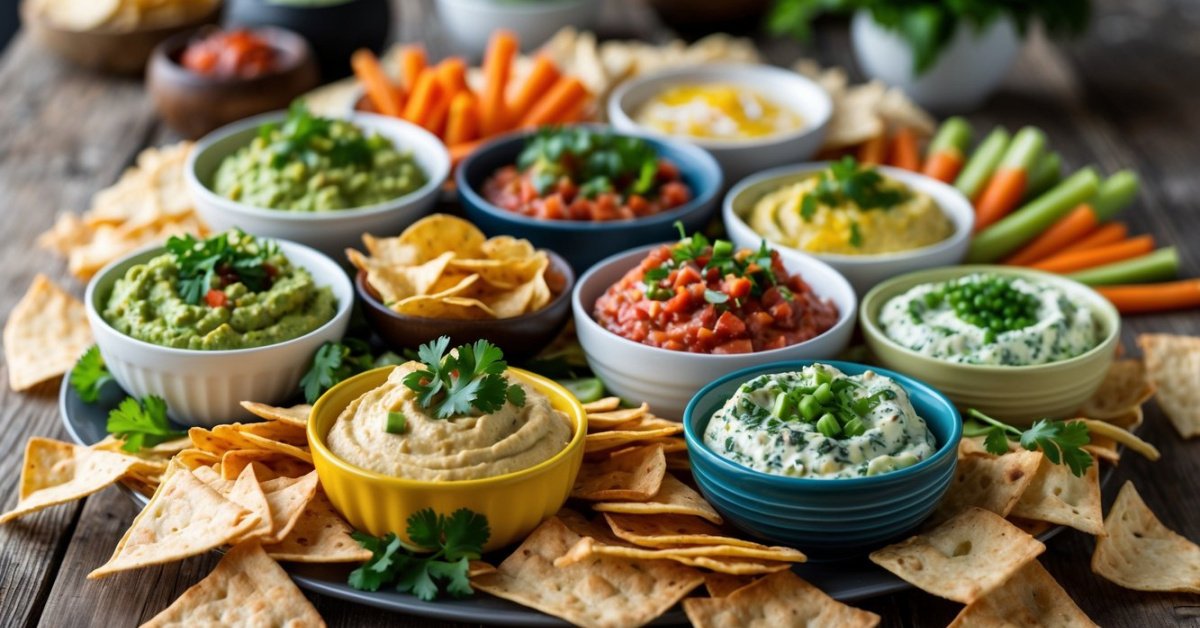
Whenever I think about Mediterranean flavors, taramasalata instantly comes to mind. This creamy dip has a way of making even the simplest meal feel special. With its silky texture and subtle tang, it’s one of those dishes I always look forward to sharing with friends.
I love how taramasalata brings a taste of the sea to the table without being overpowering. Paired with warm bread or crunchy veggies, it’s the kind of appetizer that disappears fast. There’s just something irresistible about its balance of flavors that keeps me coming back for more.
What Is Mediterranean Taramasalata?
Mediterranean taramasalata is a traditional creamy dip made with salted fish roe, bread or potatoes, lemon juice, and good olive oil. Folks around the Mediterranean—especially in Greece and Turkey—know it as a classic you’ll spot at family tables and appetizers in seaside restaurants. I’ve made a lot of taramasalata in my time running my dip company, and I always use white or pink tarama (fish roe like carp or cod). Blending this roe with everyday pantry staples gives you a beautiful pale pink dip.
Each bite of taramasalata packs a gentle tang, a mild briny richness, and a smooth texture that spreads easy across pita, baguette slices, or crunchy crudités. Most homemade recipes keep it simple: bread or boiled potatoes, soaked and squeezed out, smooth out the texture. Fresh lemon juice and raw onion add brightness, then a slow drizzle of olive oil brings it all together into that rich Mediterranean finish.
You’re getting a dip that’s got a lovely balance—creamy, savory, not too fishy, with a fresh pop from citrus and just a hint of the sea. When I set taramasalata out at gatherings, it disappears fast, usually scooped up with warm bread or crisp veggies. Taramasalata fits right alongside other Mediterranean favorites like hummus and baba ganoush, holding its own with that distinct, savory punch only fish roe can give.
Origins and Cultural Significance
Taramasalata comes straight outta the Mediterranean kitchen, mostly from Greece and Turkey. Folks over there whip up this creamy dip using salted fish roe—think carp, cod, or mullet for examples—which gives it that signature briny kick. My first taste of taramasalata opened my eyes to just how deep these old-world flavors can go.
Greeks serve taramasalata during Clean Monday, their way to kick off Lent. You’ll spot bowls of it on tables along with olives, vegetables, and flatbreads at spring feasts. Turkish cooks blend their own versions called tarama, using local roe and their best olive oil. Each region’s recipe changes a bit, mainly in texture or how bright the lemon flavor pops, but that creamy, sea-salt bite ties ’em all together.
People make taramasalata for more than just taste. It’s a dish built to share, showing up at family gatherings and parties. For generations, home cooks have passed down their twist on taramasalata, making it a symbol of hospitality across the Mediterranean. Bringing it to my Alabama kitchen, I feel connected to those traditions every time I dig in with friends or show off a new batch at my own meals.
Key Ingredients and Preparation
I dive right in when I’m making Mediterranean taramasalata. Every ingredient and technique matters for that smooth, briny flavor folks remember.
Main Ingredients
- Fish roe: I use salted carp or cod roe for my taramasalata base. Fresh white or pink roe brings that light sea flavor without being fishy.
- Soaked bread or potatoes: I like stale white bread with the crusts trimmed, soaked in water then squeezed out. Some folks swap in boiled Yukon Gold potatoes if they’re after a gluten-free version.
- Extra-virgin olive oil: Good quality oil keeps the texture creamy and the taste clean. I pour it in slow for a silky finish.
- Fresh lemon juice: Lemons cut the salt and add a burst of brightness. I squeeze mine straight in, tasting as I go for balance.
- Raw onion: Just a bit of minced sweet onion mellows the brine and gives the dip its classic flavor.
- Seasonings: I toss in black pepper and a pinch of sea salt, only if the roe needs it.
Traditional Preparation Methods
- Blend the roe and base: I put the roe and squeezed bread (or potatoes) in a food processor and blend ’til smooth. A mortar and pestle keeps things rustic if folks don’t want it too creamy.
- Add onion and lemon: Onion goes in next with fresh lemon juice pulsed in. Everything mixes together just right.
- Drizzle oil in slow: With the processor running, I drizzle oil in a thin, steady stream. Patience makes the texture glossy and spreadable.
- Taste and adjust: I keep tasting, adding more lemon or oil if it needs tweaking. That personal touch sets homemade taramasalata apart.
- Chill before serving: I let it chill at least thirty minutes since flavors develop best cold. I scoop mine up with warm pita or crunchy cukes right before it hits the table.
Taste and Texture Profile
Taramasalata tastes bright, salty, and surprisingly smooth from the very first bite. That fish roe brings a gentle punch of briny flavor—not fishy, just rich, kinda like the breeze by the Gulf back home in Alabama after a rain. Lemon juice wakes up every bite, so it never tastes heavy. Raw onion adds a touch of sharpness right at the end, balancing everything out.
The texture counts for a lot here. Good taramasalata feels creamy, silky, and fluffy all at once—think whipped mashed potatoes, but lighter and with a sheen from the olive oil. No chunks, just smoothness, unless I decide to leave a stray breadcrumb for character. I spread it easily on bread or crackers, and it clings to crisp veggies real nice.
Every batch I whip up brings out that classic pale pink color, which makes any appetizer spread look fresh. If I take a spoonful, I notice the way it holds its shape but melts quick and creamy once you taste it. That makes it easy to serve in bowls, tuck into pita, or just snack on with a stick of celery while chatting in the kitchen. Taramasalata, in my opinion, just plain feels good to eat.
Nutritional Benefits
Taramasalata brings plenty of nutrition with every scoop. Fish roe supplies a heap of high-quality protein and good omega-3 fats, which folks like me count on for heart and brain health. A couple tablespoons of my homemade version packs close to 4 grams of protein and about 1,000 mg of omega-3s, per USDA data. That’s a win if you’re after clean fuel without the grease or heaviness of other snacks.
Olive oil gives this Mediterranean taramasalata its creamy mouthfeel, and it adds vitamin E plus heart-friendly unsaturated fats. Greek and Turkish versions almost always use extra-virgin olive oil, so you’re giving your body real nourishment with each bite.
Lemon juice brightens the dip and sneaks in vitamin C, while the potatoes or bread base offer some gentle carbs for energy. Raw onion brings a smidge of fiber and a kick of antioxidants.
Here’s how the nutrition shakes out in a quick chart when you dip in for 2 tablespoons of homemade taramasalata:
| Nutrient | Amount (per 2 tbsp) | Key Source |
|---|---|---|
| Calories | 70 | Olive oil, roe, bread |
| Protein | 4g | Fish roe, bread |
| Omega-3 Fats | 1,000mg | Fish roe |
| Carbs | 5g | Bread, potatoes |
| Vitamin E | 1mg | Olive oil |
| Vitamin C | 3mg | Lemon juice |
I don’t get the usual crash after snacking on taramasalata, and I like knowing every creamy, pink bite gives me a mix of protein, good fat, and that special taste of the Mediterranean.
Serving Suggestions and Pairings
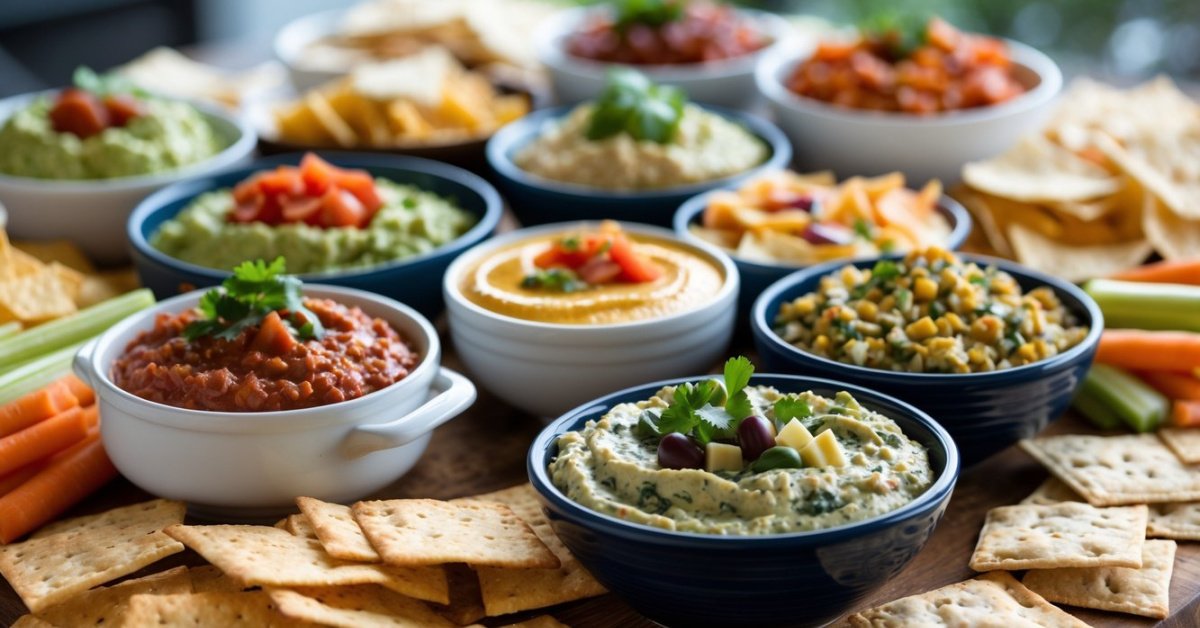
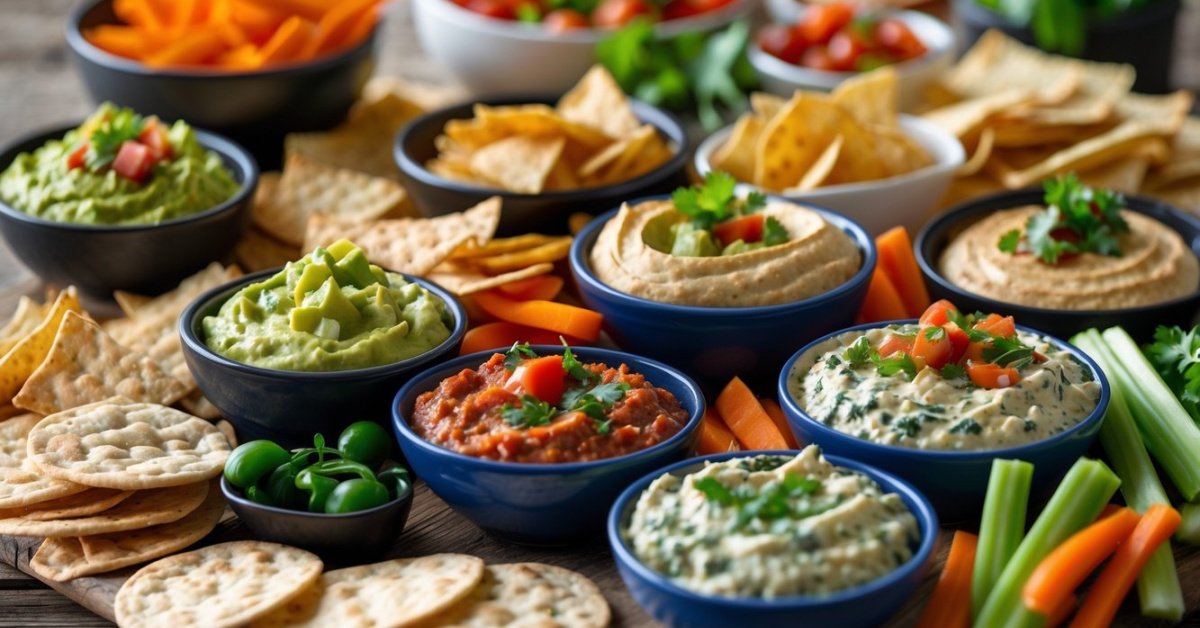
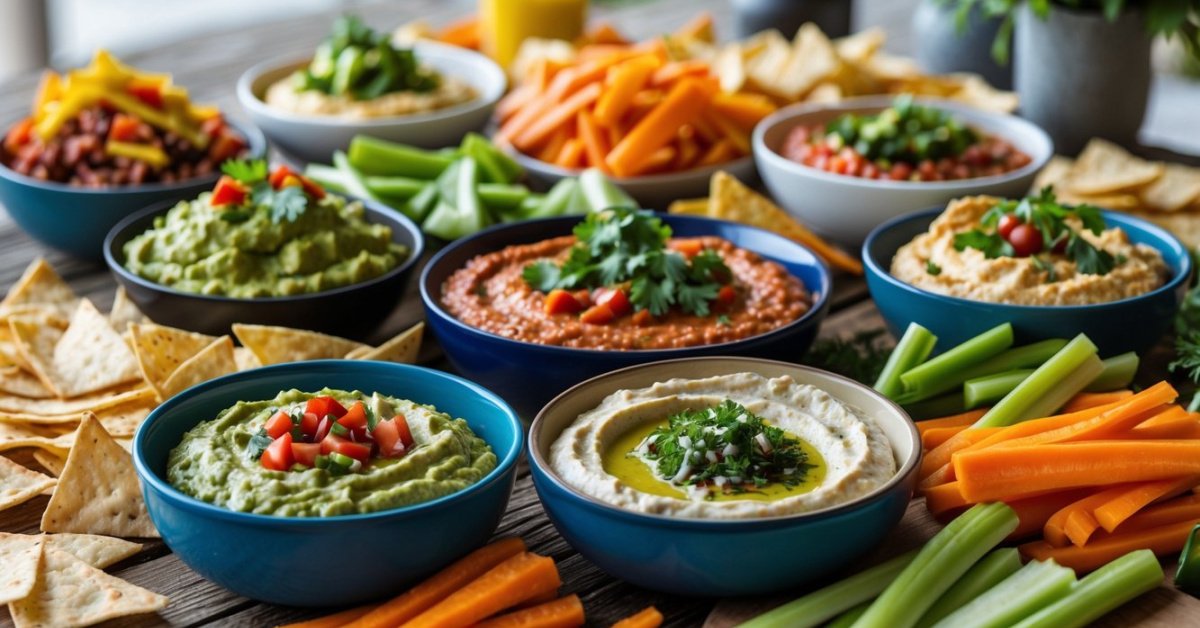
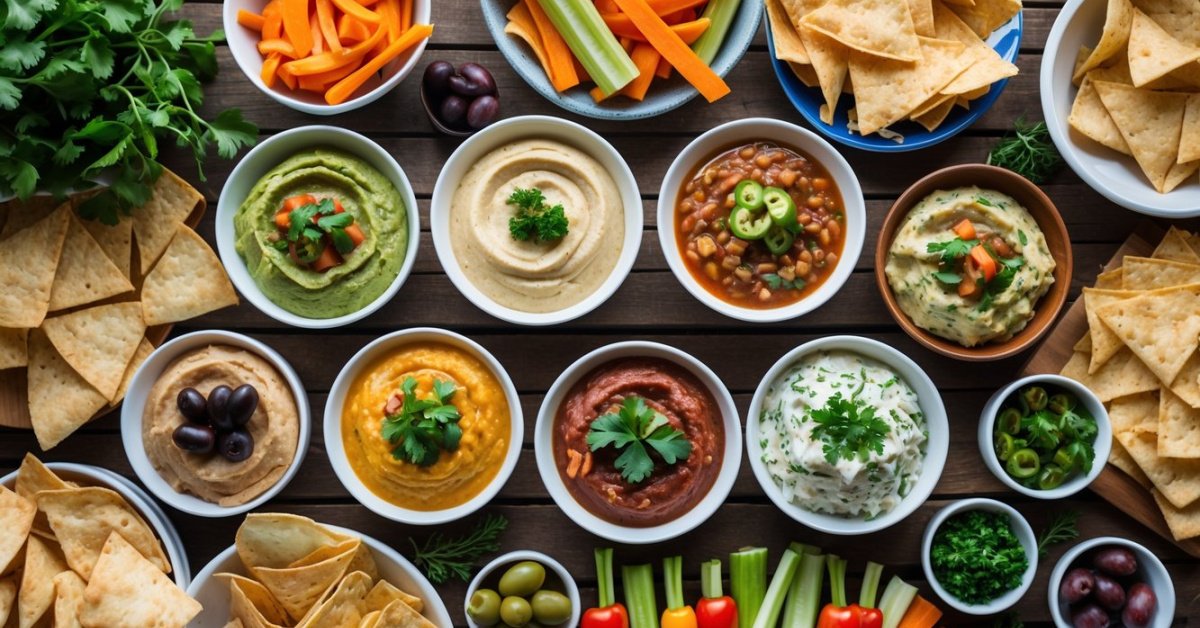
Spreading taramasalata starts any meal with good flavor, especially if you use warm pita bread, fresh slices of baguette, or crisp crackers. Scooping it with cucumber sticks, carrot batons, or bell pepper strips puts a little crunch right next to that creamy taste. Folks at my table always reach for homemade grissini or sesame breadsticks when I bring out this Mediterranean dip.
Plating taramasalata with classic mezze makes the board shine. I’ll set it right beside dolmas, olives, roasted red peppers, and hummus—folks get to mix and match every bite. Chopping up hard-boiled eggs, slicing cold smoked salmon, or crumbling feta cheese on top takes the dish from simple to showstopper.
Serving taramasalata with grilled seafood works real well if I’m cooking up shrimp or calamari. That briny flavor pairs with shellfish, like oysters or mussels, and keeps the seaside theme strong. Pouring a chilled glass of crisp white wine or light pilsner beer rounds out the spread when company comes by.
Using taramasalata as a spread wakes up sandwiches too. Smearing a thick layer on rye bread with lettuce, tomato, and grilled chicken or fish adds a salty, lemony note without overpowering other fillings. Swapping out mayonnaise or butter for taramasalata gives the whole sandwich an upgrade folks remember.
Scooping, dipping, or spreading, taramasalata fits right onto any snack tray or dinner table—Mediterranean or Southern, it finds a way to get along with every good bite.
Conclusion
Taramasalata always brings a little sunshine to my table and reminds me why I love Mediterranean flavors so much. Whether I’m sharing it with friends or enjoying a quiet snack, this creamy dip never fails to brighten the moment.
If you’ve never tried making taramasalata at home, I hope you’ll give it a go. It’s simple, delicious, and full of character—just the way I like my food.